Built in 1867 from local sandstone, Glengallan Homestead sits on the New England Highway 12km north of Warwick, restored over decades by volunteers. It's open year-round, though hours vary seasonally. Volunteer-led tours move at an unhurried pace through ground-floor rooms rich with personal storytelling. Ground-floor access suits wheelchairs and limited mobility, though garden paths are gravel. No public transport serves the site — a hire car from Brisbane (about two hours) is the practical option.
What Is Glengallan Homestead and Why Does It Matter?
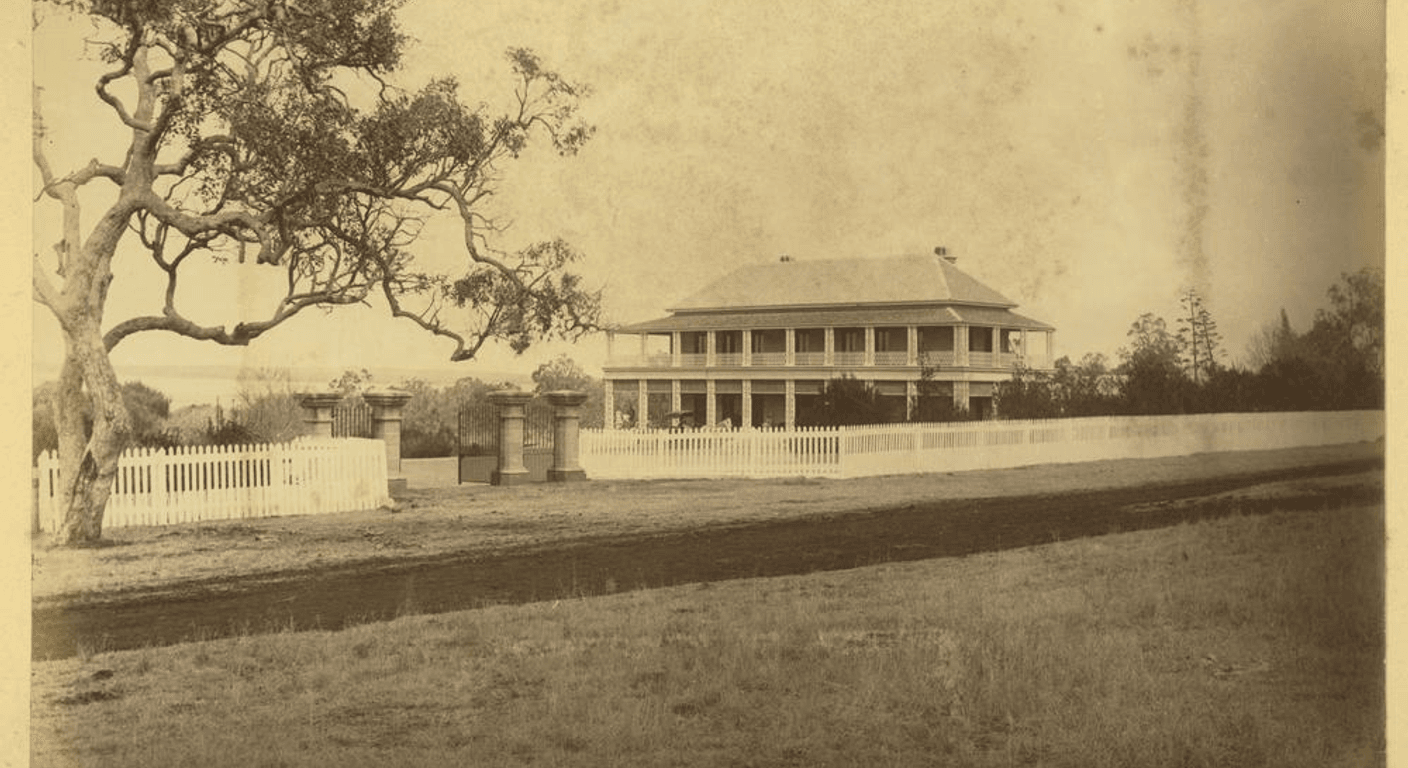
Built in 1867 from local sandstone, Glengallan was the centrepiece of one of the Darling Downs' most prosperous pastoral runs. Its original owners — the McConnel family connection runs through much of the region's colonial story — built on a scale that announced confidence in the land and in themselves. The house has fourteen rooms, wide encircling verandahs and ceilings that speak of a world where wool money felt permanent.
By the twentieth century, Glengallan had been abandoned, stripped and was well on its way to becoming a picturesque ruin — the kind of place you photograph through a car window and keep driving. What changed everything was a community decision, decades ago, to stop the slide. The Glengallan Heritage and Cultural Centre took on the restoration as a long-term project, and that decision is what you're walking into today: a living work-in-progress, honest about what's been recovered and what's still coming.
That honesty is part of what makes Glengallan interesting. It doesn't pretend to be finished. Some rooms are fully restored, furnished and interpreted. Others carry the marks of time still being addressed. For anyone who appreciates craft, history and the stubbornness of volunteers, there's something genuinely moving about the place.
How Does the Guided Tour Work?
Tours are volunteer-led, which tells you something immediately about the quality of the storytelling. These aren't recited scripts from people counting down their shift. The guides tend to be locals with deep familiarity with Downs history, and they bring the kind of lateral detail — a comment about the sandstone quarry, a note about the original kitchen arrangements, an aside about what the verandah meant in summer — that no audio guide could replicate.
The tour moves through the ground floor rooms at a pace that suits most travellers without any rush. You'll move from the entrance hall through reception rooms, past evidence of original fittings where they survive, and into areas that illustrate domestic and working life on a large pastoral property. The commentary threads the personal and the regional together — the family's story against the broader arc of Darling Downs pastoral development.
Confirm tour times and days before you go. Opening hours vary by season and volunteer availability, and driving out from Warwick to find the gates closed would be a frustrating outcome. A quick phone call or check of the Glengallan website (glengallan.com.au) sorts this easily.
Wheelchair Access and Comfort: What to Expect Honestly
The ground floor is accessible for wheelchair users and those with limited mobility — a meaningful commitment for a heritage building of this age and construction. The verandahs are broad and largely level, and the main tour route avoids stairways for those who need to. If you're travelling with a partner who uses a wheelchair or has difficulty with steps, the ground-floor experience still delivers the architectural core of what Glengallan offers.
The gardens and surrounding grounds involve some gravel paths and uneven surfaces, so sturdy footwear is sensible. The Darling Downs sun can be direct in warmer months, but the deep verandahs provide genuine shade, and the tearoom offers a seated retreat. There are no long distances involved — this is a compact site where you can move at your own speed without feeling rushed or left behind.
The Tearoom: More Than an Afterthought
The on-site tearoom earns its mention. After a guided tour, sitting on the verandah or inside with a proper cup of tea and something home-baked is the right way to let the visit settle. It's the kind of pause that turns a tour into a memory. The tearoom is run with the same volunteer spirit as the rest of the place — don't arrive expecting a café menu, but do arrive expecting warmth and something worth eating.
For couples who've driven up from Warwick or through from Stanthorpe, the tearoom also makes Glengallan a natural midpoint rather than just a stop. You can take your time here. That's the point.
Getting There: The Practical Reality from Victoria
Glengallan sits on the New England Highway roughly 12 kilometres north of Warwick — a straightforward drive with clear signage. For Victorian travellers, Warwick is around two and a half hours south-west of Brisbane. The most comfortable approach from Melbourne is to fly into Brisbane (roughly two hours), hire a car, and allow a night in Brisbane or Toowoomba before heading to the Darling Downs. Warwick itself has solid accommodation options that don't require booking months in advance.
Grey nomads travelling the New England Highway route between Queensland and New South Wales will find Glengallan slots naturally into a day's itinerary without any detour anxiety — it's on the highway, not down a long dirt road. Those combining the visit with the Granite Belt wine country (Stanthorpe is 45 minutes south of Warwick) have the makings of a very satisfying two-night trip.
Public transport to the site itself isn't practical — a hire car or private vehicle is the realistic option. Confirm the Glengallan website for current opening hours and any seasonal closures before committing your day to the drive.
Pairing Glengallan With the Broader Darling Downs
Warwick is a solid base with genuine character — Queensland's 'Rose and Rodeo City' has a compact heritage streetscape worth a morning wander, and the local museum adds useful context to the pastoral history Glengallan explores. The Pringle Cottage and Historical Museum in Warwick is a natural companion visit for anyone who wants to go deeper into Downs social history.
Stanthorpe and the Granite Belt wine region to the south rewards an extra night or two. The region's elevation means Queensland's closest thing to four distinct seasons, and the cellar-door culture is low-key and genuinely welcoming — the kind of wine country where the winemaker is likely to pour your glass themselves. Ballandean Estate and Sirromet's Ballandean operation are among the established names; a visit in autumn, when the vines turn, adds another layer to a trip already rich in texture.
For a traveller with a feel for Greek-Australian pastoral history — and the Darling Downs had significant waves of post-war European migration — the contrast between Glengallan's Anglo-pastoral grandeur and the later multicultural story of the region is worth sitting with. The volunteer guides at Glengallan often know more of this layered history than the formal interpretation suggests. Ask.
Entry Costs and Booking: What to Know Before You Go
Entry is indicatively around $15 to $20 per adult, making Glengallan one of the more affordable heritage experiences in Queensland. Confirm current pricing directly with the centre — the website (glengallan.com.au) is the right starting point, and a phone call before your visit is wise if you're travelling any distance. Group rates may apply for bookings.
There's no online booking system to navigate, no timed-entry slots, and no corporate ticketing machinery. You arrive, you pay, you're welcomed. That simplicity is part of Glengallan's character — and a reminder that not every heritage experience needs to be a transaction.
Quick planning guide
| Ideal pace | Unhurried, guided pace through ground-floor rooms |
|---|---|
| Best months | Comfortable year-round; opening hours vary by season so confirming ahead matters |
| Suggested stay | A few hours for the tour and tearoom, or two nights combined with Stanthorpe and the Granite Belt |
| Mobility level | Easy on the main tour route — ground floor and verandahs are level; garden paths are gravel and uneven |
| Cost level | Budget-friendly, indicatively $15–$20 per adult |
| Comfort level | Comfortable — shaded verandahs and an on-site tearoom for an unhurried finish |
| Best for | History-minded couples, grey nomads on the New England Highway, and travellers pairing heritage with Granite Belt wine country |
| Main planning consideration | Confirm current opening hours and pricing with the centre before driving out, and arrange a hire car since public transport isn't practical |
Key takeaways
- Glengallan Homestead is an 1867 sandstone pastoral mansion near Warwick, QLD, restored over decades by community volunteers and still a work-in-progress.
- Volunteer-led guided tours offer genuinely knowledgeable, personal commentary on Darling Downs pastoral history — a different quality to scripted audio guides.
- Ground-floor access is wheelchair-friendly, making the main tour experience available to travellers with limited mobility.
- Entry is indicatively $15–$20 per adult — confirm current pricing with the centre before visiting.
- An on-site tearoom provides a comfortable, unhurried finish to the visit.
- Glengallan sits directly on the New England Highway north of Warwick — practical for grey nomads and easy to combine with the Granite Belt wine region.
Recommended partners and links
Indicative prices only — always confirm with the operator before booking.
Frequently asked questions
Is Glengallan Homestead suitable for travellers with limited mobility or wheelchair users?
Yes. The ground floor of Glengallan Homestead is accessible for wheelchair users, and the main guided tour route avoids stairways. Verandahs are broad and largely level. Some garden paths involve gravel or uneven ground, so sturdy footwear is advisable. Confirm specific access details with the centre before your visit.
How much does it cost to visit Glengallan Homestead?
Entry is indicatively around $15 to $20 per adult. These are indicative figures only — confirm current pricing directly with the Glengallan Heritage and Cultural Centre via their website (glengallan.com.au) or by phone before travelling.
Do I need to book a tour at Glengallan Homestead in advance?
Advance booking isn't typically required, but you should confirm opening days and tour times before visiting, as hours vary by season and volunteer availability. A phone call or check of the Glengallan website (glengallan.com.au) is strongly recommended to avoid a wasted trip.
What is the best time of year to visit Glengallan Homestead?
April to October offers the most comfortable conditions on the Darling Downs — mild temperatures, cooler mornings and generally clear skies. Summer (December to February) can bring intense heat and storms, which makes the shoulder and cooler months more practical for an outdoor heritage visit.
How far is Glengallan Homestead from Warwick, and can I get there without a car?
Glengallan Homestead is approximately 12 kilometres north of Warwick on the New England Highway — around a 10 to 15-minute drive. Public transport to the site is not practical; a hire car or private vehicle is the realistic option for most visitors.