Griffith and Yenda, in the Riverina wine region of south-western NSW, are best visited midweek in March–May or September–November, when temperatures are mild and cellar doors quiet. A three-to-four-night stay suits a relaxed pace of two tastings daily. The highlight is genuine, multi-generational Italian-Australian hospitality at estates like De Bortoli, Calabria and Casella. Mobility is easy, though a car or guided tour is essential, with Griffith roughly five hours' drive from Melbourne or Sydney.
Why the Riverina Deserves More Than a Passing Mention
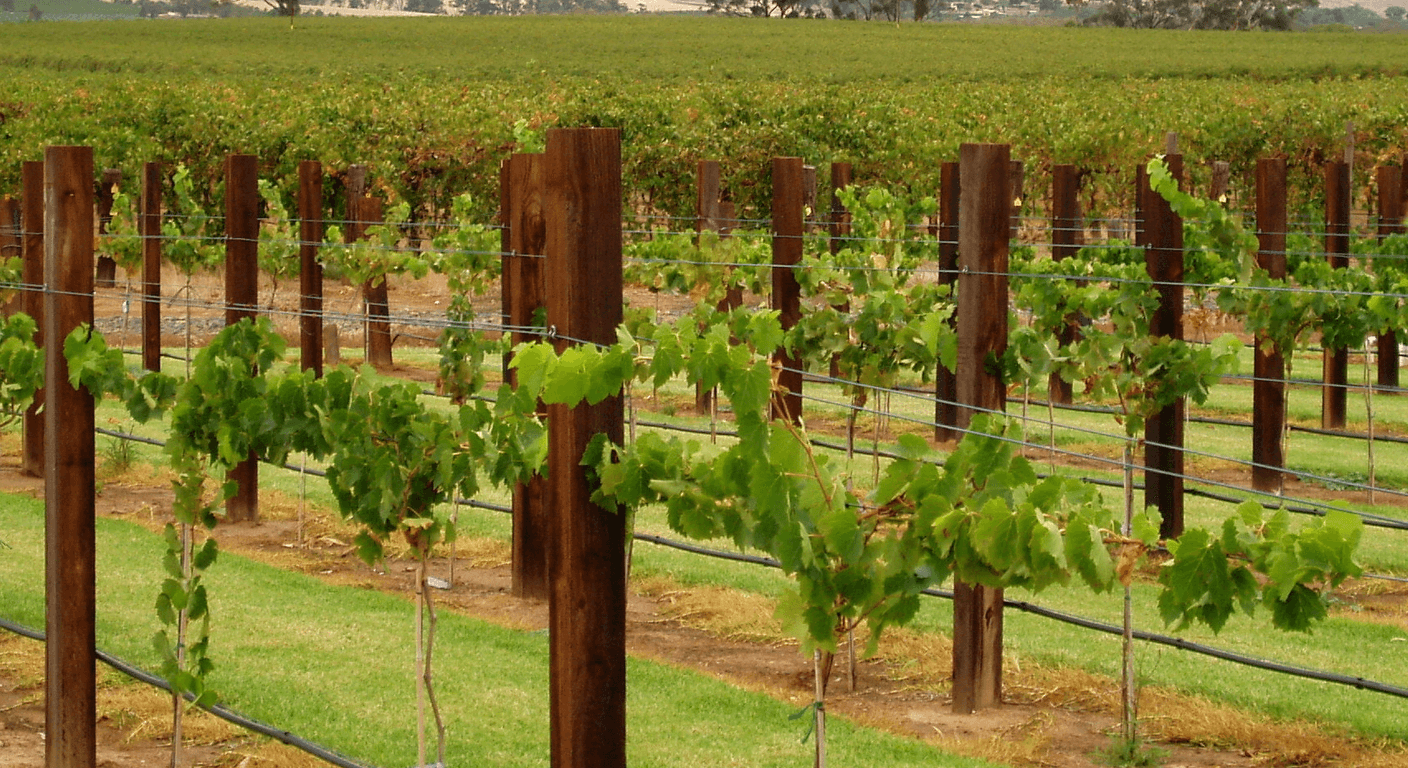
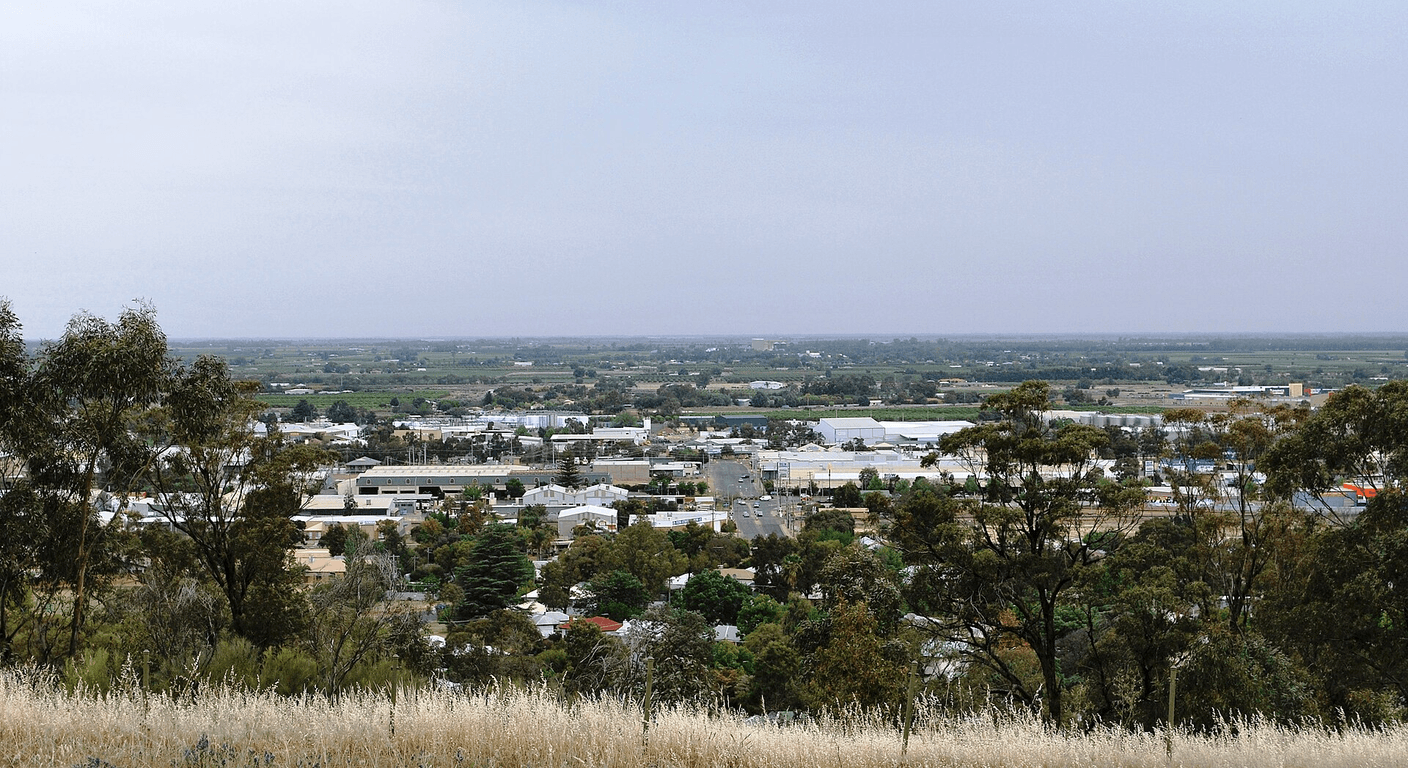
Ask most Australians to name a wine region and they'll say the Hunter, the Barossa, or McLaren Vale. The Riverina rarely makes that list — which is precisely what makes it worth the detour. By volume, the region around Griffith and Yenda is one of the country's most productive wine areas, drawing on the Murrumbidgee Irrigation Area's rich alluvial soils and reliable sunshine. What it lacks in glamour it more than compensates for in character.
The character, in large part, is Italian. From the early twentieth century, Italian immigrant families — many from the Veneto and Calabria — settled the Riverina, planted vines alongside stone fruit and citrus, and built wineries that are now in their third and fourth generations. The surnames on the cellar-door signs — De Bortoli, Casella, Calabria, Rossetto — tell the story without needing a heritage plaque. For an Italian-Australian visitor, there's something quietly moving about tasting wine poured by a family whose grandparents made the same journey.
None of this is packaged as a theme-park experience. The cellar doors are working operations, the conversations are real, and the prices — where there's a tasting fee at all — are a fraction of what you'd pay in more fashionable regions. That's not a compromise. That's the point.
Getting There: The Honest Logistics
From Melbourne, Griffith is roughly a five-hour drive via the Hume and Sturt highways — a comfortable day's travel if you break it at Albury or Wagga Wagga. The route is straightforward and largely flat once you cross the ranges. From Sydney it's around five and a half hours via the Olympic Highway. Rex Airlines operates flights between Melbourne and Griffith (via Sydney on some schedules); confirm current routes and frequencies at rex.com.au before booking, as regional timetables shift.
Once you're in Griffith, a car is not optional — it's the only practical way to move between cellar doors spread across the flat agricultural grid. Distances between wineries can be ten to twenty kilometres, on roads that are unsealed in places. If you'd rather not drive between tastings, a small number of local operators run guided wine tours; the Griffith Visitor Information Centre (griffith.nsw.gov.au/tourism) can point you toward current options. This is also where a solo traveller benefits from a tour: you hand the logistics to someone else and get the social side as a bonus.
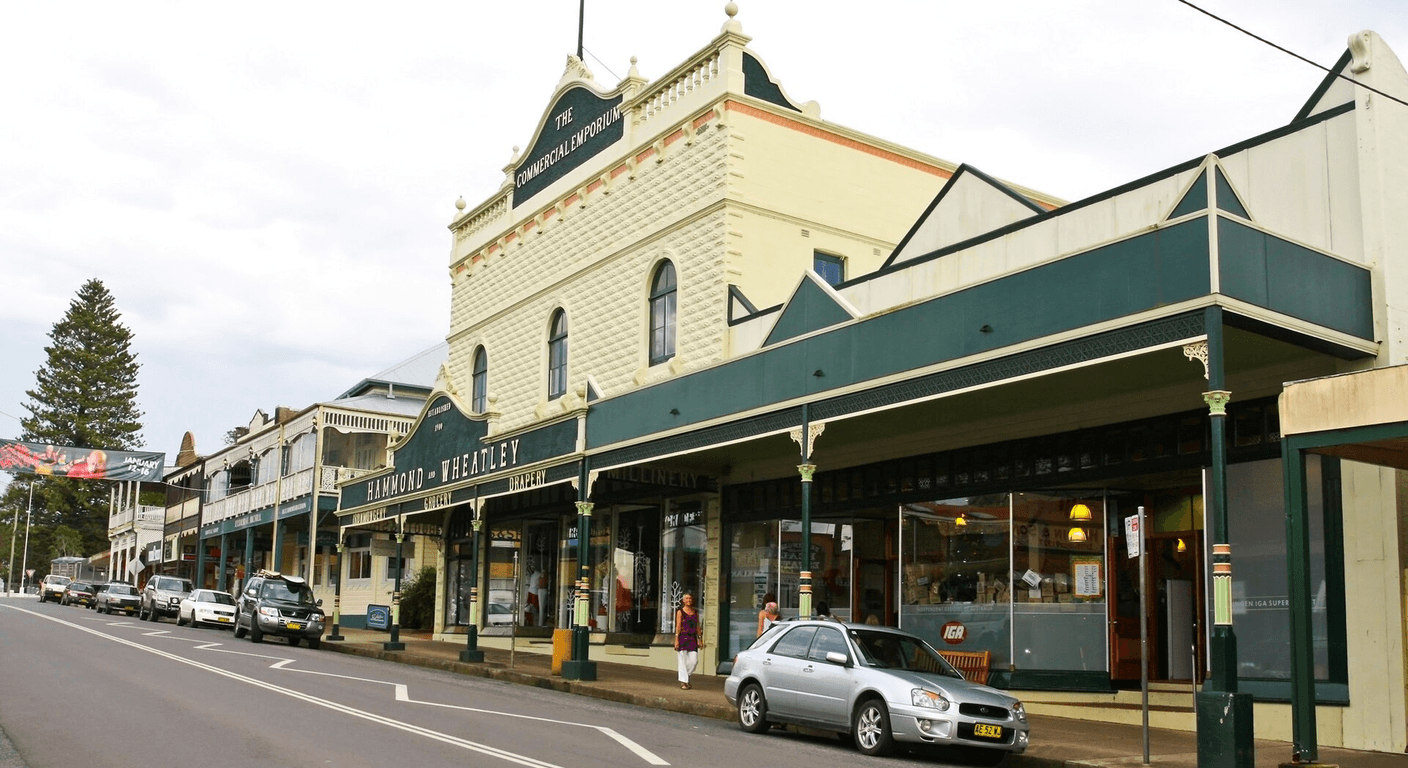
Accommodation in Griffith itself ranges from well-equipped motels to self-contained apartments, mostly concentrated around Banna Avenue, the main street. Yenda, a smaller township about fifteen kilometres north-west, is effectively a satellite of Griffith for planning purposes. Book ahead for school holidays or the harvest festival period — outside those windows, last-minute availability is usually fine.
When to Go — and When to Stay Home
The Riverina summer is not gentle. December through February brings sustained heat — days above 38°C are common during harvest, and the work happening in the vineyards is relentless and dusty. Cellar doors are technically open, but the experience of standing in a corrugated-iron tasting room at midday in February is best left to the imagination. If harvest itself is the draw — and watching the gondola bins rolling in at Casella or De Bortoli is genuinely worth seeing — plan for early morning visits and a long afternoon rest.
The sweet spots are autumn and spring. March to May brings the post-harvest calm: winemakers have time to talk, the vines are turning gold and amber, and the region's stone-fruit season overlaps beautifully with the wine. September to November is warm but not punishing, and the roadside markets start filling up. Midweek visits in either season mean you'll often have a tasting room to yourself — a very different experience from the weekend queues at Hunter Valley estates.
Winter (June to August) is mild by NSW standards but cool enough that a light jacket is necessary for cellar-door visits. The region is quiet, some smaller operations reduce their hours, and the landscape is stripped back and a little bleak — though there's a certain austere honesty to it that some travellers find appealing.
The Cellar Doors Worth Your Time
De Bortoli Wines at Bilbul — a short drive from Griffith — is one of the Riverina's most recognisable names, and the cellar door reflects decades of confidence without tipping into pretension. The Noble One Botrytis Semillon is the flagship, a dessert wine that has won more international awards than the family probably bothers counting at this point. Tastings here cover a wide range and the staff are accustomed to visitors who want to understand what they're drinking, not just collect stickers. Confirm tasting fees and hours at debortoli.com.au before visiting.
Calabria Family Wines, also near Griffith, is another multi-generational estate where the welcome is straightforward and the wines — particularly the Durif, a variety the Riverina does better than almost anywhere in Australia — are honest and food-friendly. The Durif's deep colour and structured tannins make it a natural partner for the slow-braised lamb and pasta that appears on menus across the region. Casella Family Brands, based in Yenda, is best known internationally for Yellow Tail, but the estate cellar door offers a broader range and a sense of the scale of the operation — millions of cases produced from a family business that started on a small plot. Confirm opening hours and tour availability at casellafamilybrands.com.
Smaller operations like Rossetto Wines and Nugan Estate offer a more intimate experience and are worth seeking out for exactly that reason. At a smaller cellar door, you're more likely to be poured wine by someone who actually made it, which changes the conversation entirely. The Griffith Visitor Information Centre maintains a current list of open cellar doors — worth checking, as hours and tasting policies do change seasonally.
Eating Well in Griffith: The Italian Thread
Griffith's food culture is inseparable from its Italian heritage, and that's a considerable advantage for a visitor who appreciates cooking done with conviction. Banna Avenue and the surrounding streets have a cluster of cafes and restaurants where the pasta is made in-house and the coffee is taken seriously — a reminder that the same families who planted the vines also opened the espresso machines decades before the rest of regional Australia caught up.
The Riverina produces more than wine: citrus, stone fruit, olives, and rice are all grown in the irrigation area, and local restaurants draw on this with a directness that doesn't need to announce itself as paddock-to-plate. Look for seasonal specials in autumn, when stone fruit preserves and fresh figs appear alongside the wine list. The Griffith Farmers Market (check current dates via griffith.nsw.gov.au/tourism) is a good morning stop for local produce, and a practical way to assemble a picnic for eating in the vineyard grounds where estates permit it.
Costs for eating out in Griffith are noticeably lower than in Sydney or Melbourne. A two-course lunch with a glass of local wine at a well-regarded restaurant runs to around $45–$65 per person, indicative only — confirm current pricing. The Italian social tradition of a long, unhurried lunch sits naturally in a town that hasn't felt the need to rush.
Pacing It Right: A Solo Traveller's Approach
Three to four nights is the right amount of time for the Riverina cellar-door circuit at a comfortable pace. Two cellar doors per day — one in the late morning, one after lunch — leaves room for a proper meal, an afternoon rest during summer heat, and the kind of aimless drive through irrigation channels and fruit orchards that turns out to be the thing you remember most. Trying to see six wineries in a day is possible but pointless; you stop tasting and start ticking.
For a solo female traveller, the midweek timing recommendation carries extra weight. Cellar-door staff at smaller family estates have considerably more time to engage with a single visitor on a Tuesday than they do when a bus tour arrives on Saturday. Some of the best conversations — about the region's history, about the particular challenges of growing Durif in the Riverina heat, about a grandmother's recipe for the preserve on the tasting board — happen when there's no queue forming behind you.
If driving between cellar doors after tastings is a concern, the guided tour option removes the dilemma neatly. Several operators pick up from Griffith accommodation; the Visitor Information Centre can advise on what's currently running. Some travellers combine a morning tour with an afternoon of self-guided exploration on foot around Banna Avenue — a perfectly reasonable way to structure the day.
Practical Notes Before You Go
Tasting fees across the Riverina are generally modest — many estates offer free tastings, others charge a small fee (roughly $5–$10 indicative) that is often waived with a purchase. Confirm current policies directly with each winery before visiting, as these arrangements change. Some estates require bookings for guided tours or group visits; individual cellar-door visits are usually walk-in, but a phone call ahead on quieter operations is courteous and occasionally essential.
Travel insurance is straightforward for a domestic trip, but worth reviewing to ensure medical cover is adequate, particularly if you're driving long distances. The nearest major hospital to Griffith is Griffith Base Hospital on Fullerton Street; the town has pharmacy and medical clinic services. Petrol prices in regional NSW can run higher than city prices — fill up in Wagga Wagga or Albury if driving from the south, and keep the tank above half when moving between wineries on back roads.
Mobile coverage in the irrigation area is generally adequate on main roads but can drop out on rural tracks between properties. Download offline maps before leaving Griffith township, and carry the phone number of your accommodation. None of this is alarming — it's just the ordinary preparation that makes a regional drive comfortable rather than anxious.
Quick planning guide
| Ideal pace | Slow-paced — around two cellar doors a day with time for a proper lunch |
|---|---|
| Best months | March to May and September to November |
| Suggested stay | Three to four nights |
| Mobility level | Easy at each cellar door, but self-drive or a guided tour is needed to cover distances between them |
| Cost level | Budget-friendly — tastings often free or low-cost, dining noticeably cheaper than Sydney or Melbourne |
| Comfort level | Relaxed and unhurried, especially on weekdays |
| Best for | Wine lovers who want genuine conversation with winemakers over Durif or Botrytis Semillon, without Hunter Valley crowds |
| Main planning consideration | A car or guided tour is essential for the flat, spread-out irrigation grid, and December–February heat is best avoided unless harvest itself is the goal |
Key takeaways
- The Riverina around Griffith and Yenda is one of Australia's largest wine regions by volume, yet its cellar doors remain genuinely unhurried — especially midweek.
- Italian-Australian family estates including De Bortoli, Calabria, and Casella span multiple generations and offer tastings that are often free or low-cost (confirm per winery).
- Avoid December to February unless you're specifically interested in harvest — sustained heat above 38°C makes cellar-door touring uncomfortable.
- March to May and September to November are the best windows: mild temperatures, post-harvest calm, and the fewest visitors.
- A car or guided tour is essential — there is no public transport between cellar doors, and distances across the flat irrigation grid can be ten to twenty kilometres.
- Griffith's food culture reflects its Italian heritage directly: in-house pasta, serious coffee, and local produce from the irrigation area make the town a genuine food destination alongside its wine.
Recommended partners and links
Indicative prices only — always confirm with the operator before booking.
Frequently asked questions
Are Griffith cellar doors suitable for travellers with mobility considerations?
Most Riverina cellar doors around Griffith and Yenda are on flat ground and generally accessible, but facilities vary between estates — some older buildings have steps or uneven surfaces. Contact each winery directly before visiting to confirm accessibility, parking proximity to the tasting room, and whether seating is available at the tasting bench.
How do you get from Melbourne to Griffith without a car?
Rex Airlines operates services between Melbourne and Griffith, sometimes via Sydney — confirm current routes and schedules at rex.com.au before booking. Once in Griffith, you'll need to hire a car or book a local guided wine tour to reach cellar doors, as there is no public transport between wineries.
Do Griffith wineries charge for tastings?
Many Riverina cellar doors offer free tastings; others charge a modest fee of roughly $5–$10 (indicative) that is often waived with a bottle purchase. Policies change, so confirm current arrangements directly with each winery before your visit.
What is the best time of year to visit Griffith wine country?
March to May (post-harvest, mild temperatures, autumn colour on the vines) and September to November (spring warmth, low crowds) are the most comfortable times to visit. December to February brings sustained heat above 38°C and is best avoided for cellar-door touring unless the harvest activity itself is the specific interest.
What wine varieties is the Riverina particularly known for?
The Riverina is especially well regarded for Botrytis Semillon (a rich dessert wine, most famously from De Bortoli), Durif (a deeply coloured, structured red that thrives in the region's heat), and a range of Italian varieties reflecting the area's heritage. The region also produces large volumes of Shiraz, Chardonnay, and Cabernet Sauvignon.