Griffith, in New South Wales' Murrumbidgee Irrigation Area, is best visited between April and October, when cooler weather suits wine touring. A four-night stay allows time for Banna Avenue's century-old Italian bakeries and delis, plus a day exploring family cellar doors known for botrytis semillon. The town centre is easily walkable, though a hire car is needed for wineries. Access is a six-hour drive from Melbourne, or coach via Wagga Wagga.
How did an irrigated desert become an Italian food town?
The short version: the Murrumbidgee Irrigation Area was carved out of semi-arid New South Wales in the early twentieth century, and the Australian government actively recruited Italian settlers — many from Calabria, Sicily and the Veneto — to farm it. They arrived with preserved-meat traditions, a reverence for bread and a practical understanding of how to grow grapes in hot, dry country. A century later, their grandchildren are still running the delis and the wineries.
What makes Griffith genuinely interesting rather than merely historic is that the food culture never became nostalgic performance. The salami is still made the way it was made. The pastry shops open early because the ovens have been going since before dawn. The cellar doors pour wine from vines that were planted by the same family three generations ago. The town of around 26,000 people eats like a place twice its size.
For a solo traveller arriving from Victoria, the isolation is part of the appeal. There's no day-tripper crowd thinning out the experience. You're eating at a counter where the person who made the sfogliatelle is standing two metres away, and the conversation, if you're inclined, tends to be worth having.
Getting to Griffith from Victoria — what's the honest road reality?
From Melbourne, Griffith is roughly six hours by car via the Hume Highway to Albury, then the Olympic Highway north through Wagga Wagga. It's a straightforward drive with good rest stops, but six hours is six hours — a night in Wagga Wagga or Albury on the way up is a sensible choice rather than a sign of slowing down. The road is flat and well-maintained for most of the route.
NSW TrainLink operates coach services to Griffith with a connection at Wagga Wagga from the Sydney–Melbourne rail line. The journey from Albury involves a connection and takes several hours; confirm current timetables and booking on the Transport NSW website before committing. If you're not driving, accommodation near the Griffith coach stop is easy to arrange — the town centre is compact.
Once you're in Griffith, a car matters. Banna Avenue and the immediate town centre are walkable, but the cellar doors are spread across the surrounding irrigation area, some of them on gravel roads signposted with hand-painted boards. Distances between wineries can be ten to twenty kilometres. A hire car from Griffith is available through national operators; confirm availability ahead of travel, as stock in regional towns can be limited.
Banna Avenue — where to start any morning in Griffith
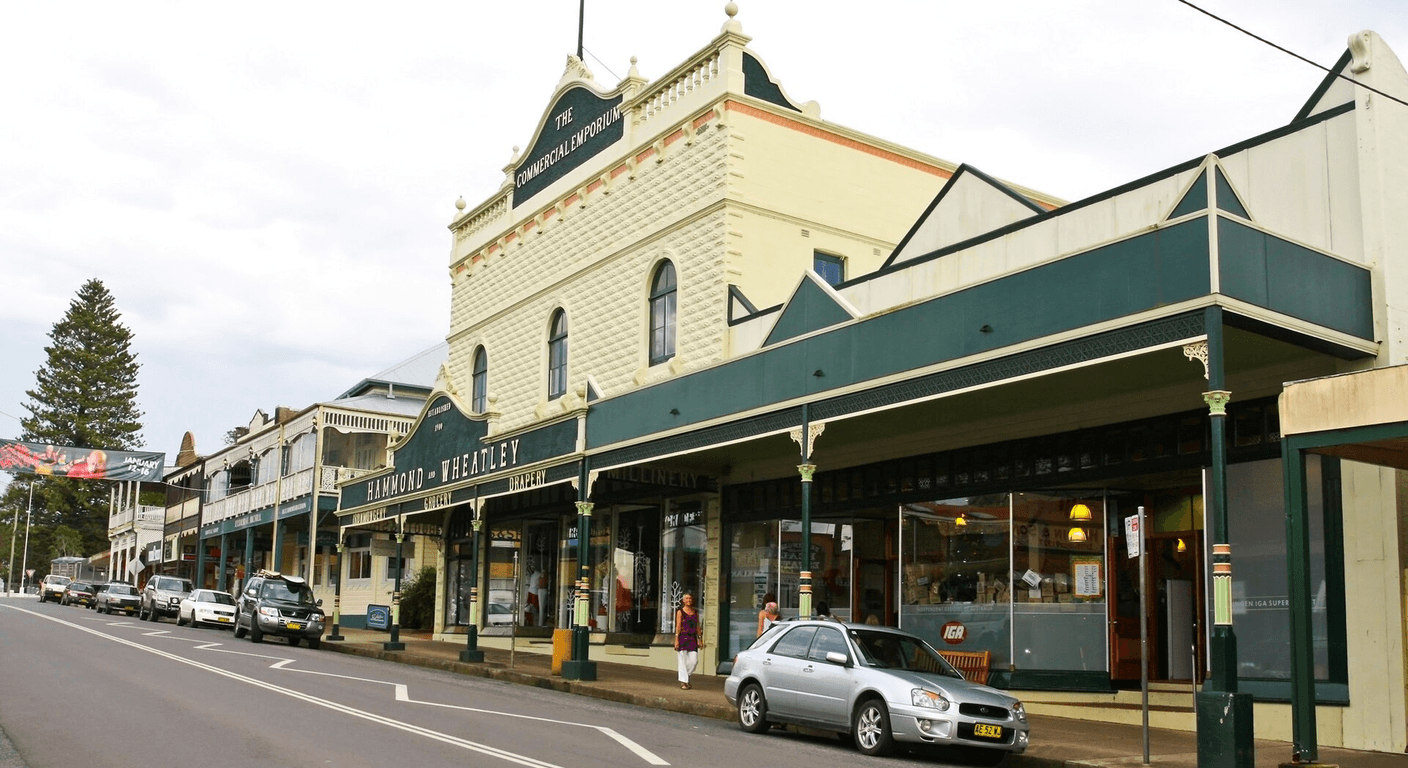
Banna Avenue is the main commercial street and it runs long and flat in the way that regional NSW main streets do — wide enough for angle parking, shade trees down the median, a mix of everyday shops and food businesses that have been in the same families for decades. It's not a curated foodie precinct. It's a working street that happens to contain some of the most interesting food in inland Australia.
Paesani's Patisserie is among the most visited of the Italian bakeries and has been operating for generations; the sfogliatelle, cannoli and lobster tails (the pastry, not the crustacean) are the reason people drive six hours from Melbourne. Prices are modest — a few dollars for pastries, confirm current pricing at the counter. Go early. The croissants and cornetti are gone by mid-morning and the staff don't apologise for that.
Nearby delis — including long-running operators like Trentini's and others along and off the avenue — hang cured meats from the ceiling in the old style. Salami, capocollo, prosciutto, dried sausage: you can buy by the piece or by the whole sausage, vacuum-packed for the drive home. Ask what's house-made versus sourced, because the answer varies and the locals are honest about it. A deli lunch of cured meat, local olives and bread from the bakery, eaten at a park bench by the canal, is one of the better meals you'll have in regional Australia.
Cellar doors in the MIA — what to expect at Griffith's family wineries
The Riverina wine region produces a significant share of Australia's wine by volume, and Griffith is its centre. That fact sometimes causes wine travellers to overlook it — bulk production doesn't sound romantic. But the family cellar doors around Griffith are a different thing from the big processors. McWilliam's, De Bortoli, Casella Family Brands (Yellow Tail's home) and a number of smaller operators all have a presence, and the smaller family rooms are where the more interesting tastings happen.
Tasting fees vary by producer and change regularly; many waive the fee if you purchase a bottle or two, which is common practice in the region but confirm before you arrive. The wines worth seeking out include Riverina botrytis semillon — a luscious dessert wine style that the region does better than almost anywhere in Australia — and the fuller-bodied shiraz and durif that suit the hot growing conditions. Some producers also make vermentino, fiano and other Italian varieties that reflect the community's origins.
Driving between cellar doors is part of the experience, but plan no more than three or four in a day. The roads between properties can be unsealed and the afternoon heat in summer is not the time to be navigating them. April to October is the sensible window. A few cellar doors close on Mondays or Tuesdays — phone ahead, because a hand-written 'closed' sign on a gate twenty kilometres from town is an avoidable disappointment.
Pioneer Park Museum — is the hilltop worth the visit?
Pioneer Park Museum sits on Scenic Hill above the town and covers the history of the MIA through an open-air collection of relocated historic buildings — a recreation of an early irrigation-era settlement with machinery, domestic interiors and agricultural equipment. It's the kind of place that rewards curiosity about how a landscape was remade. Entry fees apply; confirm current pricing with the museum directly or through the Griffith City Council website, as these change.
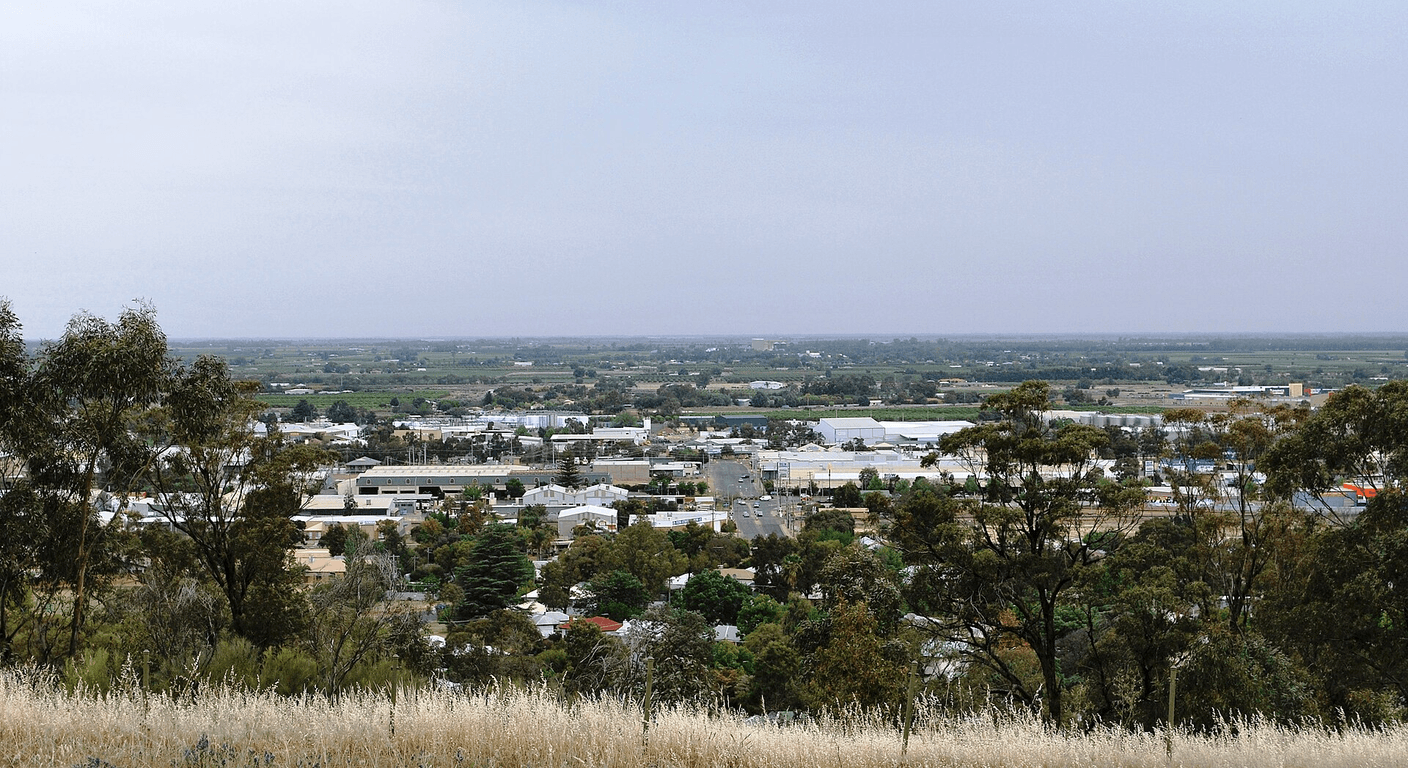
The hilltop itself offers views across the irrigation channels and orchards that explain, better than any brochure, the scale of what was built here. The walk around the site is gentle and mostly flat on compacted paths, though some sections near the original hillside can be uneven. A hat and water are essential in warmer months; the site is exposed.
The museum is volunteer-run and the volunteers tend to know a great deal. If you arrive on a quiet morning — and most mornings are quiet — a conversation at the entry can add considerable depth to what you're looking at. Allow two hours. You won't need more, but you'll want at least that.
Festivals and seasonal events — what's worth timing your visit around?
Griffith runs a Spring Food and Wine Festival typically in October, and the town has also hosted dedicated salami festivals celebrating the cured-meat traditions of its Italian community. Dates, formats and ticketing change from year to year — confirm the current calendar directly with Griffith City Council or Destination NSW before building your trip around any specific event. Festival periods do bring more visitors than usual, which affects accommodation availability.
The Festa della Madonna delle Grazie, a religious and cultural festival of the Calabrian community, is among the most authentic Italian-Australian cultural events in the country. It's a community occasion first and a tourist attraction second, which is precisely what makes it worth attending if the dates align. Approach it with respect rather than a camera reflex.
Outside of festival periods, Griffith is genuinely quiet. That's not a warning — it's a recommendation. The cellar doors are less busy, the bakery counter moves faster, and the people who work in these places have more time to talk. For a solo traveller, the off-peak visit is often the better one.
Practical notes for the solo traveller — pacing, accommodation and what to bring home
Griffith's motel and self-contained accommodation options are functional and comfortable without being remarkable. The town has several well-reviewed motels along the main approaches and a handful of self-contained units that suit a longer stay with a kitchen — useful if you're buying deli goods and want to graze rather than eat out every night. Book ahead for festival weekends; at other times availability is generally good. Confirm with booking platforms or contact properties directly.
A four-night stay gives you two full days for the town and surrounds, one day for a longer winery drive and one buffer day for going back to the bakery you liked. That rhythm suits the pace of the place. Griffith doesn't reward rushing and it doesn't require heroic distances — the pleasure is in repetition: the same café counter two mornings in a row, the same deli, a slightly different order.
For the return journey, vacuum-packed salami and cured meats travel well in a cooler bag. A couple of bottles of botrytis semillon in a wine carrier make a considered gift. The olive oil produced in the region — Griffith and surrounds have a significant olive-growing industry — is worth bringing home if you find a producer selling direct. Customs and interstate biosecurity rules apply to some fresh produce; cured and packaged goods are generally fine within Australia, but check current NSW and Victorian biosecurity advice if you're uncertain.
Quick planning guide
| Ideal pace | Slow-paced, built around repetition rather than rushing between sights |
|---|---|
| Best months | April to October, avoiding summer heat above 40°C |
| Suggested stay | Four nights |
| Mobility level | Easy — Banna Avenue and Pioneer Park are flat and walkable; a car is needed for cellar doors |
| Cost level | Budget-friendly — modest pastry and deli prices, and tasting fees often waived with purchase |
| Comfort level | Comfortable, functional motels and self-contained units rather than luxury stays |
| Best for | Solo travellers and food-and-wine lovers wanting an authentic, uncrowded regional experience |
| Main planning consideration | A hire car is essential for reaching cellar doors, which are spread 10-20km apart on some unsealed roads |
Key takeaways
- Griffith's Italian food culture is a century old and still operating — the salami and pastry are made by the same families who started the tradition.
- Banna Avenue is walkable; the cellar doors require a car and some advance planning, with distances of ten to twenty kilometres between properties.
- April to October is the comfortable window for visiting; summer temperatures regularly exceed 40°C and are not pleasant for exploring.
- Botrytis semillon is the standout regional wine style — Griffith produces some of Australia's best examples of this dessert wine.
- Tasting fees at cellar doors vary and are often waived with a purchase; always confirm before you arrive.
- The drive from Melbourne is around six hours — a stopover in Wagga Wagga or Albury is practical and worth building in.
Recommended partners and links
Indicative prices only — always confirm with the operator before booking.
Frequently asked questions
How far is Griffith from Melbourne and what's the best way to get there?
Griffith is roughly six hours by car from Melbourne via the Hume Highway and Olympic Highway through Wagga Wagga. NSW TrainLink coaches connect to Griffith via Wagga Wagga from the Sydney–Melbourne rail corridor; confirm current timetables at transportnsw.info. A stopover in Wagga Wagga or Albury is recommended for the drive.
Are Griffith's cellar doors free to visit?
Tasting fees vary by producer and change over time. Many cellar doors in the Griffith area waive the tasting fee if you purchase a bottle or two, but this is not universal. Phone ahead or check each winery's website before visiting to confirm current arrangements.
What is the best time of year to visit Griffith?
April to October is the most comfortable period. Griffith summers are genuinely extreme — temperatures regularly reach 40°C or above — making outdoor activities and cellar door driving unpleasant. Autumn and spring offer mild days and align with harvest and festival seasons.
What Italian food should you look for in Griffith?
The Italian pastry tradition — sfogliatelle, cannoli, cornetti and lobster-tail pastries — is the starting point, available at pasticcerias on and near Banna Avenue. Cured meats including salami, capocollo and prosciutto are sold at delis, often house-made. Local olive oil is also worth seeking out from producers who sell direct.
Is Griffith suitable for a solo traveller staying several nights?
Yes. Griffith is easy to navigate solo, accommodation is comfortable and reasonably priced, and the food and wine scene suits independent exploration at a relaxed pace. The town is quiet outside festival periods, which many solo travellers find an advantage rather than a drawback.