Harvey sits roughly 140 kilometres south of Perth in Western Australia's South West, best visited April to October when temperatures are mild and citrus season peaks. A single unhurried day suits it well, built around the Harvey Dam wall — its defining highlight, with broad water views from level, flat-shoe-friendly paths. Mobility is Easy throughout the main sites. Access is straightforward: drive the South Western Highway in under two hours, or take the Australind train from Perth East station without needing a car at all.
Why Harvey Works So Well as a Day Trip
There's a particular pleasure in a day that doesn't demand much planning. Harvey is that kind of place — close enough to Perth (roughly 140 kilometres south on the South Western Highway) to feel spontaneous, far enough to feel like you've genuinely left the city. The drive through the Darling Range and down into the coastal plain takes somewhere between 90 minutes and two hours depending on where you start, and the Australind train from Perth East station makes the run without you needing to touch a steering wheel.
The town itself is compact and navigable. You won't need to walk long distances between stops, and the biggest attraction — the Harvey Dam — has parking close to the viewing areas and paths that don't require much more than flat shoes. For travellers who appreciate a day with rhythm rather than rush, Harvey offers a natural sequence: dam in the morning, town precinct mid-morning, farm outlets before lunch or after, and a quiet drive or train ride home by mid-afternoon.
Practically, costs here are modest. Entry to the dam viewing area and the heritage gardens costs nothing. You spend money when you choose to — on a wedge of local cheese, a bag of navel oranges, or lunch at one of the town's cafes. That kind of freedom is underrated.
The Harvey Dam: What to Expect at the Wall and Lakeside Lawns
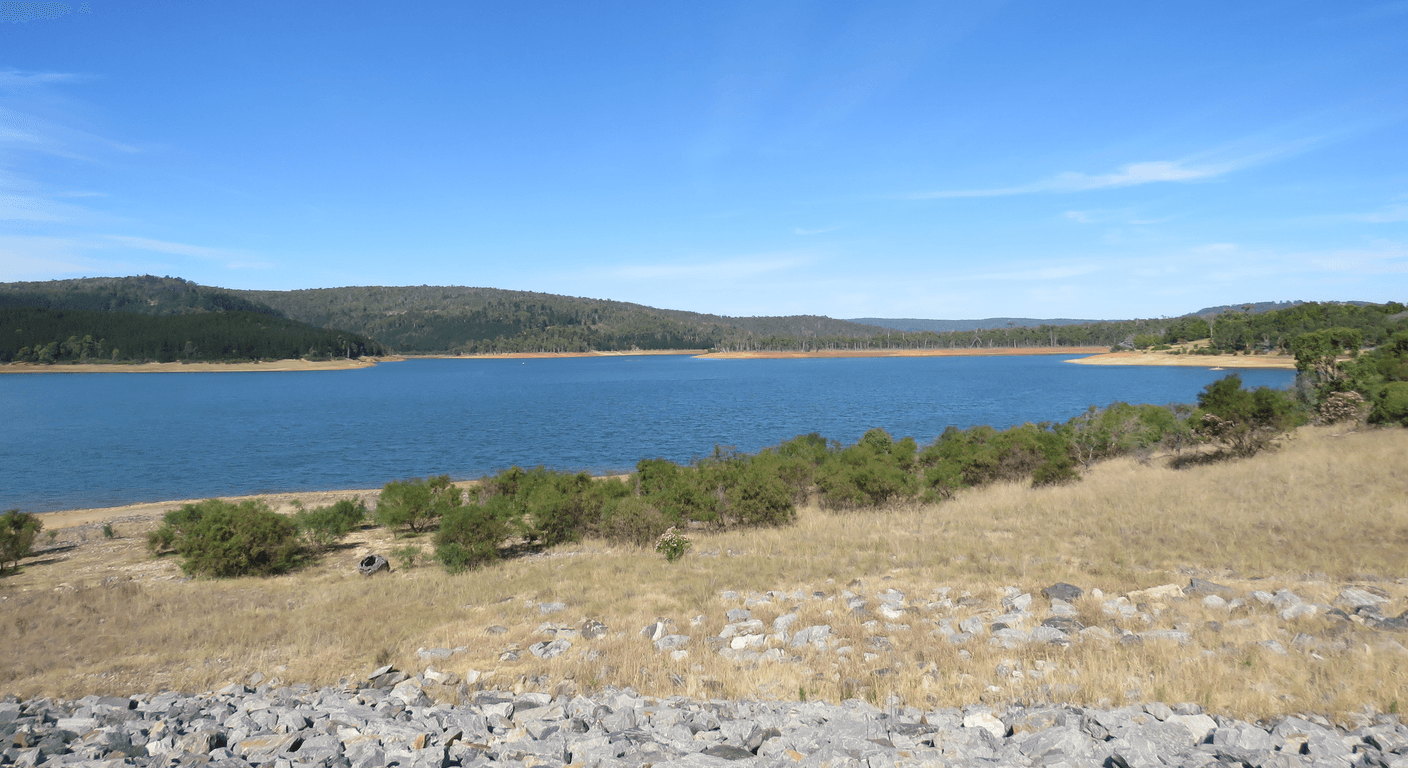
The Harvey Dam, formally the Harvey Reservoir, sits in the Darling Range above the town. The drive up is part of the experience — jarrah forest closes in on either side and the air cools noticeably. At the dam wall itself, parking is close and the path to the viewing point is level and short. What greets you is a broad sheet of still water, the forested ridgeline reflected back, and the kind of quiet that reminds you why you left the city in the first place.
The lakeside lawns below the dam wall are genuinely pleasant for a morning pause. Bring a thermos. Bring something to sit on if you prefer your own chair — the grass is well-maintained but seating infrastructure is limited. The area is popular with local families on weekends, so a weekday visit or an early-morning arrival on Saturday rewards you with more space and fewer footballs in the background.
Access is honest Easy. The paths near the wall are sealed or compacted gravel, and the gradients are gentle. Travellers using walking aids should find the main viewing areas manageable; the steeper bush tracks beyond the wall are a different matter and can be skipped without missing the heart of the experience. Confirm current access conditions with the Harvey Visitor Centre before you go, as maintenance works occasionally affect car park access.
Harvey's Heritage Garden Precinct: A Slower Pleasure
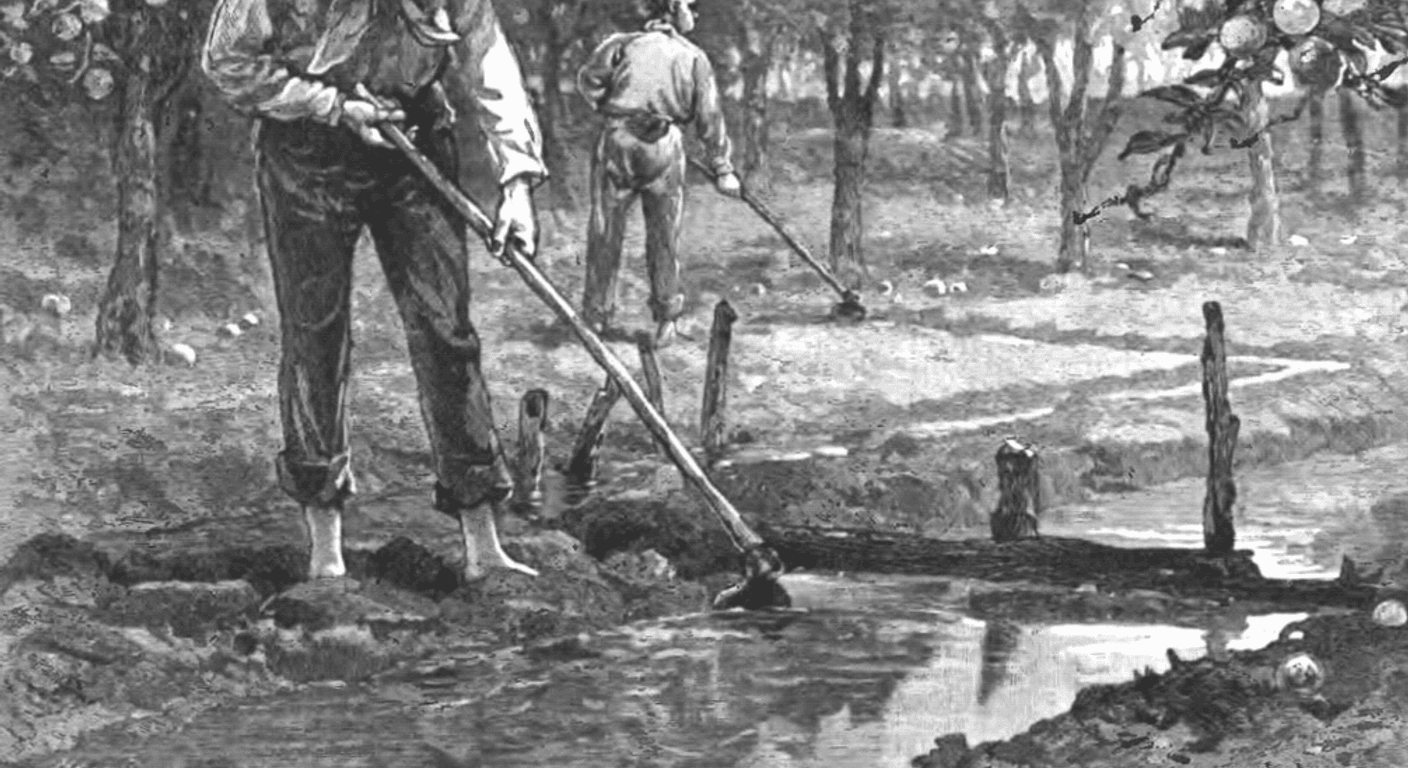
Back in town, Harvey's heritage garden precinct offers a different kind of morning. The gardens reflect the town's Italian and European agricultural heritage — many of the dairy and orchard families who shaped Harvey from the early twentieth century onward came from Southern Europe, and that history is quietly present in the layout and plantings. It's a good place to simply sit with a coffee and watch the day arrange itself.
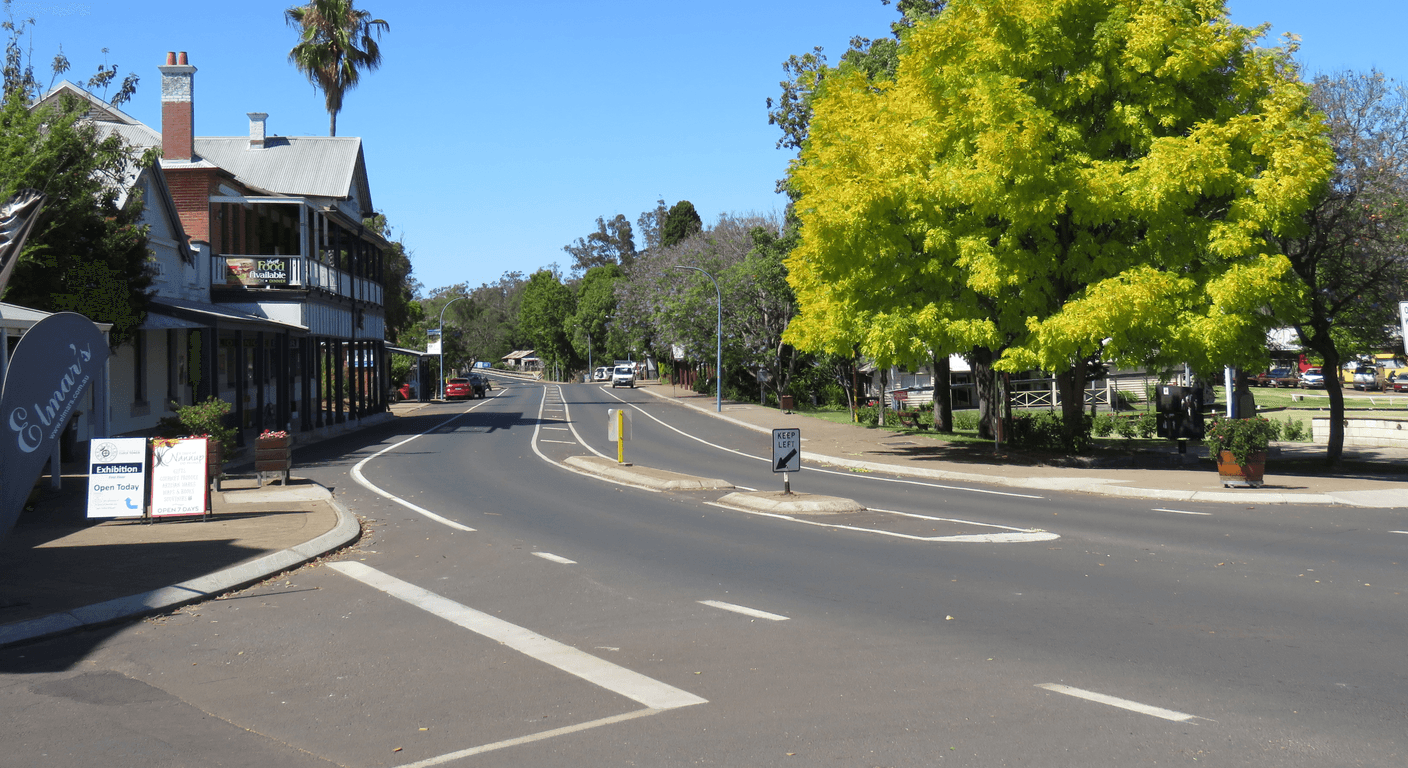
The precinct connects to the town's broader heritage streetscape, which repays a gentle wander. The buildings along the main street are modest but genuine — this is a working country town, not a heritage theme park, and that's part of its appeal. For travellers who have spent time in rural India or in Australia's older regional centres, there's a familiar rhythm to it: the hardware store next to the bakery, the post office still doing actual post office things.
Entry to the gardens is free. Guided heritage walks are occasionally offered through the visitor centre — worth checking in advance if that kind of structured context appeals. Otherwise, the Harvey Visitor Centre itself can orient you with a printed map that covers the main heritage points in a route of about an hour at an easy pace.
Farm Outlets: Cheese, Citrus, and Buying What You Actually Taste
Harvey's agricultural identity is dairy and citrus, and both translate directly into what you can buy and taste. The region's citrus season runs roughly from May through August, when navel oranges, mandarins and lemons are at their peak. Several farm-gate and roadside outlets operate along the approaches to Harvey and within the district — the Harvey Visitor Centre can point you to those currently operating, as seasonal availability and opening hours vary year to year.
Cheese is the other draw. Harvey Fresh is the commercial face of the local dairy industry, but smaller artisan producers in the broader region offer tastings and direct sales. A good wedge of aged cheddar from a local producer, bought at the source, is a different proposition from its supermarket equivalent — more flavour, more provenance, and the satisfaction of knowing exactly where it came from. Prices at farm outlets are generally very reasonable; a bag of oranges or a block of cheese for under fifteen dollars is a realistic expectation, though confirm current pricing directly.
One honest note: farm outlets are not always open seven days, and stock depends on the season. If cheese or fresh citrus is your primary reason for coming, call ahead or check with the visitor centre before you make the trip. The Harvey Visitor Centre website and phone line are your most reliable source for what's currently open and producing.
Getting There: Train, Car, and What to Know Before You Go
The Australind train — named for the town of Australind, which it passes through — runs between Perth East station and Bunbury, stopping at Harvey. It's one of the few long-distance country rail services in Western Australia, and for a day trip it works well: the journey from Perth takes roughly an hour and forty minutes to just under two hours depending on the service, and the train is comfortable with adequate seating. Transwa operates the service; check current timetables and book at transwa.wa.gov.au. Confirm that day-return timings suit your plans, as services are not frequent.
By car, the South Western Highway is straightforward driving — dual carriageway for much of the route out of Perth, transitioning to a good two-lane highway further south. Parking in Harvey is free and plentiful. For grey nomads already travelling the South West, Harvey sits conveniently on the route between Perth and Bunbury, making it a natural pause rather than a detour.
If you're driving up to the dam, note that the road is sealed but narrow in sections and can be busy on fine weekends. Fuel up in Harvey before heading up — there are no services on the dam road itself. The town's main street has everything you'd need for a comfortable day: a bakery, cafes, a supermarket, and public toilets near the main precinct.
Practical Comfort: Pacing the Day Without Rushing It
A Harvey day trip works best when it isn't over-programmed. The natural sequence is: arrive at the dam early while the light is still low and the water is calm, spend an hour there, then drive or take a short taxi back into town for the heritage precinct and a mid-morning coffee. Farm outlets fit naturally into the late morning or early afternoon, before you start the return journey.
Lunch options in Harvey are simple and satisfying rather than elaborate. The town's bakeries and cafes offer the kind of food that suits a country day — a good pie, a sandwich with local produce, coffee that won't disappoint. Travellers who prefer a proper sit-down meal should check current restaurant options with the visitor centre, as small-town dining hours can be conservative.
For those travelling from interstate — particularly from Victoria or South Australia — a Harvey day trip combines naturally with a broader South West WA itinerary. Perth is a full flight away from Melbourne or Adelaide (roughly three to four hours), so building Harvey into a longer South West stay makes more sense than flying in just for one day. Domestic travel insurance is straightforward; those with pre-existing conditions should confirm coverage details with their provider regardless of destination.
When to Go: Seasons, Timing, and Getting the Most from Harvey
April through October is the sweet spot. Summers in the South West can be hot — January and February regularly push above 35 degrees in the inland districts — and the dam road in full sun is uncomfortable rather than enjoyable. The cooler months bring the citrus season, more pleasant walking temperatures, and the kind of soft light that makes the reservoir look its best in the morning.
Wildflower season in Western Australia (broadly August to October) doesn't centre on Harvey specifically, but the jarrah forest around the dam has its own quiet botanical interest in spring. Orchids and wattles appear along the bush tracks for those inclined to look. This isn't the Wheatbelt wildflower trail, but it's a gentle complement to a morning at the dam.
School holiday periods bring more families to the dam area, particularly in the September–October spring break. If you prefer a quieter experience, a mid-week visit between school holidays in the May–August window is ideal. The town remains functional and welcoming regardless — Harvey is not a seasonal ghost town. It simply has more of itself available during the cooler months.
Quick planning guide
| Ideal pace | Relaxed, unhurried single day |
|---|---|
| Best months | April to October, for cooler weather and citrus season |
| Suggested stay | One day trip from Perth |
| Mobility level | Easy — level paths at the dam and heritage precinct |
| Cost level | Budget-friendly; main sights are free, spend only on food and produce |
| Comfort level | Comfortable, with sealed paths, seating limited at lakeside lawns |
| Best for | Over-50s travellers who enjoy a slow-paced, low-cost country day out |
| Main planning consideration | Farm outlet hours and stock vary by season — call ahead or check with the Harvey Visitor Centre before travelling |
Key takeaways
- Harvey is roughly 140 kilometres south of Perth — a comfortable day trip by car or the Australind train from Perth East station.
- The Harvey Dam wall and lakeside lawns are free to visit, with level paths close to parking — a genuine Easy-mobility destination.
- Citrus season peaks from May to August; call ahead to confirm which farm outlets are open before making cheese or fresh fruit the centrepiece of your day.
- Most of Harvey's main attractions cost nothing — you spend only on what you taste, buy or eat.
- April to October offers the most comfortable temperatures and the best seasonal produce; summer heat makes the dam road less pleasant.
- The Australind train gives car-free access to Harvey in under two hours from Perth — confirm current timetables with Transwa before booking.
Recommended partners and links
Indicative prices only — always confirm with the operator before booking.
Frequently asked questions
How far is Harvey from Perth and how long does it take to get there?
Harvey is approximately 140 kilometres south of Perth via the South Western Highway. By car the drive takes roughly 90 minutes to two hours. The Australind train from Perth East station reaches Harvey in under two hours. Confirm current train timetables with Transwa at transwa.wa.gov.au.
Is the Harvey Dam accessible for older travellers or those with limited mobility?
The main dam wall viewing area and lakeside lawns have level, sealed or compacted-gravel paths close to parking, making them accessible for most Easy-mobility travellers including those using walking aids. The steeper bush tracks beyond the wall are optional and can be skipped entirely. Confirm current access conditions with the Harvey Visitor Centre before your visit, as maintenance can occasionally affect the car park.
When is the best time to buy citrus and local cheese in Harvey?
Citrus is at its best from May through August, when navel oranges, mandarins and lemons are in season. Local cheese is generally available year-round from farm-gate and artisan outlets. Opening hours and stock vary, so contact the Harvey Visitor Centre before your visit to confirm which outlets are currently operating.
Does the Australind train stop at Harvey?
Yes. The Australind train, operated by Transwa, runs between Perth East station and Bunbury and stops at Harvey. The journey from Perth takes roughly an hour and forty minutes to just under two hours. Services are not frequent, so check current timetables and day-return options at transwa.wa.gov.au before you travel.
Is there a cost to visit the Harvey Dam or the heritage gardens?
Entry to the Harvey Dam viewing area and the town's heritage gardens is free. You pay only for produce, tastings, meals or any guided heritage walk you choose to join. The overall cost of a Harvey day trip is low — the main expenses are transport, food and whatever you choose to buy at farm outlets.