Harvey, about 140 kilometres south of Perth, is best visited May to October, when citrus is in season and temperatures stay mild. A single day suits most visitors, centred on the flat, sealed loop walk at Harvey Dam — free, shaded and easy for most fitness levels. It's reached by a 90-minute drive via the South Western Highway or a two-hour Australind train from East Perth, fitting neatly into a wider Southwest trip.
Why Harvey Works as a Day Trip from Perth
Harvey sits about 140 kilometres south of Perth — roughly 90 minutes by car via the South Western Highway, or a comfortable two-hour ride on the Australind, one of the few named passenger trains still running in regional Australia. For a solo traveller who'd rather read than drive, that train option is worth knowing about. The service departs East Perth station and stops at Harvey before continuing to Bunbury, so you can reverse the journey on the same day without fuss.
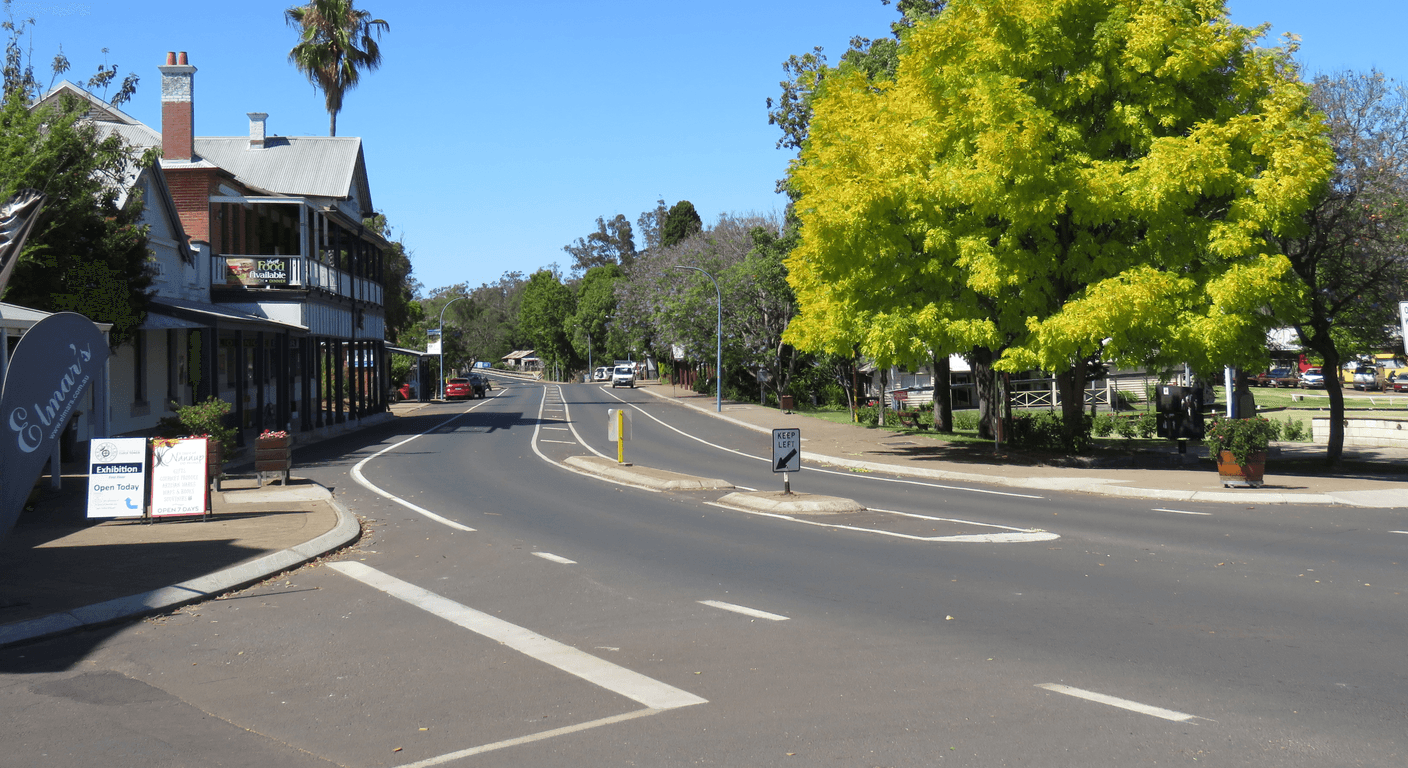
The town itself is small and unpretentious. It services the surrounding agricultural district — dairy co-ops, citrus and vegetable growers — and it doesn't dress itself up for tourists. That's not a criticism. There's something genuinely refreshing about a place that simply gets on with things. The streets are flat, the pace is slow, and on a weekday in winter you'll likely have the dam to yourself.
From a Victorian's perspective, the practical distance from home is the obvious reality check: you'll need to fly into Perth first, which means Harvey is part of a broader WA itinerary rather than a standalone trip. But if you're already in Perth for a week or more — or driving south toward Busselton and Margaret River — Harvey slots in without any detour pain.
Harvey Dam: What the Walk Is Actually Like
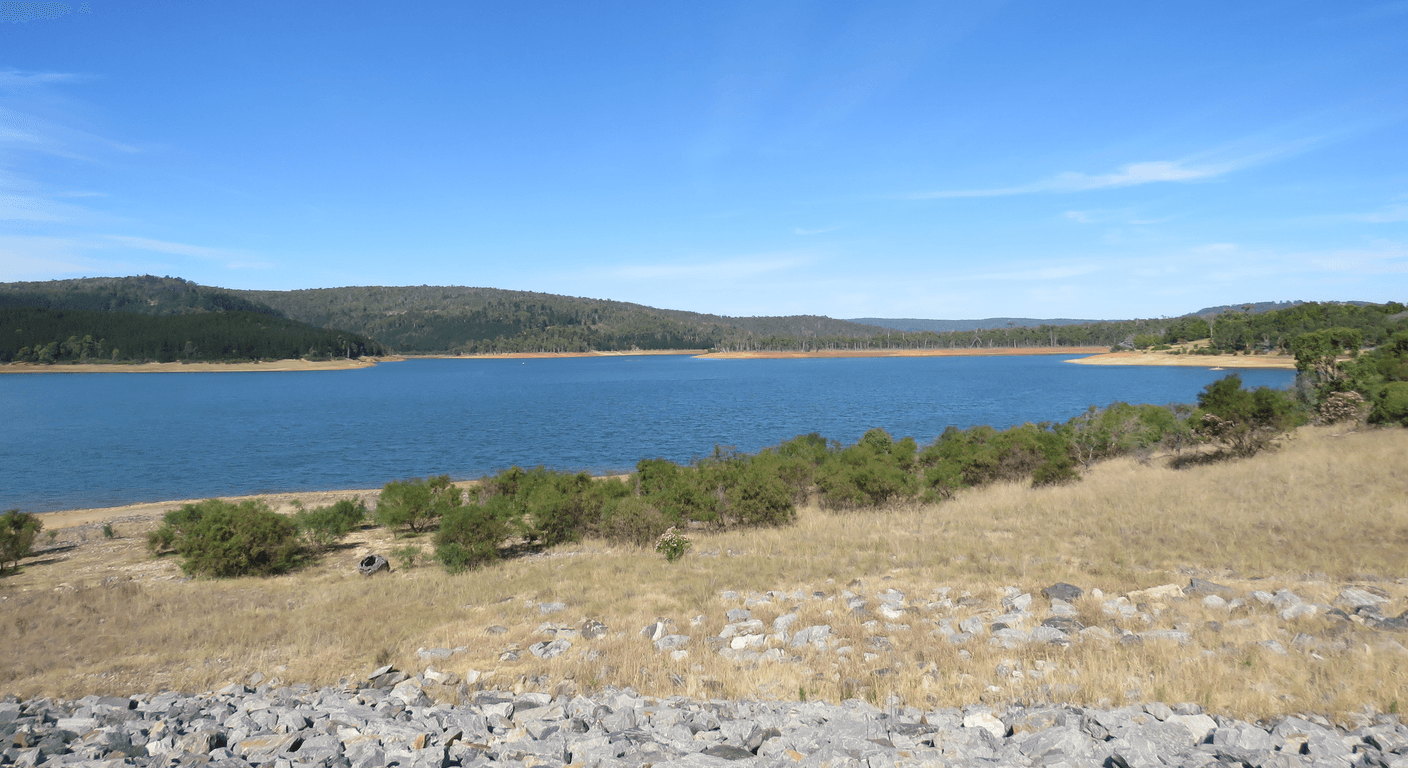
Harvey Dam is the centrepiece of the day. Built in the 1930s to supply irrigation water to the surrounding farmland, the reservoir is large enough to feel genuinely expansive, with the Darling Range providing a quiet backdrop. The lakeside loop track is flat and largely sealed — suitable for most fitness levels, including anyone managing mild joint issues or using a walking pole. It's not technical in any sense.
The picnic grounds are shaded and well maintained, with tables and basic facilities. Entry and parking are free. On a clear winter morning, the light on the water is particularly good — the kind of scene that warrants a thermos of coffee and no particular agenda. Birdlife is present without being spectacular, and the overall atmosphere is one of calm rather than drama.
The walk itself takes roughly 45 minutes to an hour at a comfortable pace, though you can extend the time considerably by stopping at the picnic area or simply sitting near the water. There's no gate, no booking required, and no entry fee — which, combined with the quality of the setting, makes it one of the better free half-days in the Southwest.
Citrus Stalls and Dairy Country: What to Expect
The South Western Highway through Harvey is citrus territory in the cooler months, with roadside stalls selling oranges, mandarins and sometimes lemons direct from growers. The quality is generally excellent — picked recently, priced honestly, and nothing like what you'd find shrink-wrapped in a Melbourne supermarket. In a good season, a bag of navels costs very little and the flavour difference is noticeable.
The important caveat: stall hours are set by individual growers, not a central market, and they vary considerably by season, day of the week, and whether the season has been kind. Some stalls operate on an honesty-box system. Others are staffed only on certain mornings. Before you build a detour specifically around a fresh produce stop, a quick call to the Harvey Visitor Centre is well worth the two minutes it takes.
Harvey is also well known for its dairy industry — the Harvey Fresh brand is produced in the region and widely sold across WA. The town itself has a small commercial centre with a bakery and café options suitable for a lunch stop, though it's not a foodie destination in the contemporary sense. Expectations calibrated accordingly, it's perfectly satisfying.
Getting There: Car vs Train
Driving from Perth gives you the most flexibility — you can stop at stalls en route, time your arrival at the dam, and return at your own pace. The South Western Highway is well maintained and the drive is straightforward, though WA highway distances have a way of feeling longer than they look on a map. Factor in a proper rest stop rather than pushing through.
The Australind train is the more relaxed alternative. It departs East Perth in the morning and the journey to Harvey takes around two hours, passing through the Swan coastal plain and into farming country. The carriages are comfortable and the service has a loyal following among those who know it. Check current timetables and fares directly with Transwa at transwa.wa.gov.au, as services and pricing are subject to change.
If you're based in a Perth hotel without a hire car, the train is genuinely practical — Harvey station is within walking distance of the town centre, and the dam is accessible by taxi or rideshare for the few kilometres from town. It's worth confirming local taxi availability before the day, as options in small regional towns can be limited, particularly on weekends.
Timing Your Visit: Season and Weather
May through October is the window that makes the most sense. Citrus is in season, temperatures are mild — typically 15 to 22 degrees Celsius on a clear winter day — and the dam is at a reasonable level after winter rainfall. Perth winters are genuinely pleasant by most Australian standards, and the Southwest in particular has a clean, washed quality in the cooler months that suits outdoor walking.
Summer (December through February) is a different proposition. Harvey is inland, and temperatures regularly exceed 38 degrees Celsius. The dam walk becomes uncomfortable rather than enjoyable, citrus stalls are largely dormant, and the whole point of the place is somewhat diminished. If summer is unavoidable, aim for an early morning start and be back in town by noon.
Spring (September and October) offers a useful middle ground — wildflowers are visible in the broader Southwest region during this period, and the citrus season is winding down but not yet finished. It's also a good time to combine Harvey with a drive further south toward Bunbury or the Ferguson Valley wine country, which sits just inland from Harvey.
Practical Matters: Pacing, Comfort and What to Bring
The dam walk is genuinely easy, but that doesn't mean preparation is optional. Good walking shoes with grip are worth wearing even on sealed paths — surfaces can be damp in winter mornings. A hat and sunscreen are relevant year-round in WA, even in the cooler months when UV levels remain higher than most Victorians expect. A light rain layer is sensible between June and August.
Bring your own picnic if you want to make the most of the dam grounds. Harvey's town centre has a bakery and basic provisions, but the selection is limited and hours can be shorter than city cafés. A packed lunch with something from a local stall — if you time it right — is the ideal version of this day.
Phone reception at the dam is adequate but not guaranteed in all areas. Download offline maps before you leave Perth. And carry water: the picnic area has basic facilities but a full water bottle is always sensible on a warm day, regardless of how moderate the walk appears on paper.
Extending the Day: Harvey to Bunbury or the Ferguson Valley
If you're driving rather than catching the train, Harvey pairs naturally with a short extension. Bunbury is another 40 kilometres south — WA's third-largest city, with a decent waterfront, dolphin discovery centre and enough café culture to constitute a proper lunch stop. It's an easy circuit from Perth in a day, with Harvey as the midpoint.
The Ferguson Valley sits roughly 30 kilometres east of Harvey, up into the Darling Range. It's a small wine region with a handful of cellar doors, some producing creditable shiraz and verdelho. The roads are manageable in a standard vehicle, though the terrain becomes hilly. Worth considering if the flat coastal plain has you craving a change of scenery by mid-afternoon.
For those with more time, an overnight in Bunbury allows a more relaxed pace — Harvey in the morning, Bunbury in the afternoon, and the return to Perth the following day via the Australind or a leisurely drive. That structure suits a solo traveller who prefers not to rush, and it turns a day trip into something that breathes a little more.
Quick planning guide
| Ideal pace | Slow-paced and unhurried |
|---|---|
| Best months | May to October |
| Suggested stay | A single day, or overnight if combined with Bunbury |
| Mobility level | Easy — flat, sealed loop walk suitable for most fitness levels |
| Cost level | Budget-friendly — dam entry and parking are free |
| Comfort level | Casual and unpretentious rather than polished |
| Best for | Solo travellers wanting a quiet, low-effort day trip from Perth |
| Main planning consideration | Requires flying into Perth first, so Harvey works best as part of a broader WA itinerary; citrus stall hours vary by grower and season |
Key takeaways
- Harvey Dam's lakeside loop is flat, sealed, shaded and completely free — one of the better easy walks in the WA Southwest.
- Citrus stalls along the South Western Highway operate on individual grower hours — always confirm before making a specific detour.
- The Australind train from East Perth to Harvey takes around two hours and is one of the more comfortable regional rail journeys in Australia.
- May to October is the optimal window: mild weather, peak citrus season, and the dam at its best after winter rainfall.
- Harvey works well as a standalone day trip from Perth or as a natural stop on a drive south toward Bunbury or Margaret River.
- Summer temperatures inland regularly exceed 38°C — the dam walk is best saved for the cooler half of the year.
Recommended partners and links
Indicative prices only — always confirm with the operator before booking.
Frequently asked questions
Is Harvey Dam suitable for older travellers with limited mobility?
Yes. The lakeside loop at Harvey Dam is flat and largely sealed, making it suitable for most fitness levels, including those managing mild joint issues or using a walking pole. The picnic area has basic facilities and shaded seating. There are no significant inclines or uneven surfaces on the main track.
When are the citrus stalls open at Harvey?
Citrus stalls along the South Western Highway near Harvey typically operate during the cooler months — roughly May through August — but hours and availability are set by individual growers and vary considerably. Some operate on an honesty-box system; others are staffed only on certain days. Confirm directly with the Harvey Visitor Centre before making a specific detour.
Can you get to Harvey without a car?
Yes. The Australind train service runs from East Perth station to Harvey, with a journey time of around two hours. Harvey station is close to the town centre. The dam is a few kilometres from town, so you'd need a taxi or rideshare for that leg — confirm local availability before the day, as options in small regional towns can be limited.
Is there an entry fee for Harvey Dam?
No. Access to Harvey Dam, the lakeside walk and the picnic grounds is free. There is no gate or booking requirement. Parking is also free.
How far is Harvey from Perth, and how long does it take to get there?
Harvey is approximately 140 kilometres south of Perth via the South Western Highway — roughly 90 minutes by car under normal conditions. By train, the Australind service takes around two hours from East Perth station. Check current timetables with Transwa at transwa.wa.gov.au before travelling.