Hobart's winter, especially around June's Dark Mofo festival, is the best time for its atmospheric laneway bars, where fires and low light replace the summer Salamanca crowds. A single evening visiting two or three venues covers under two flat, walkable kilometres in the CBD, with drinks and pub food typically under $20 a round. Mobility is generally easy, though some historic pubs have narrow stairs. Rideshare and taxis are cheap for short trips between venues.
Why Hobart's winter rewards those who wander off Salamanca
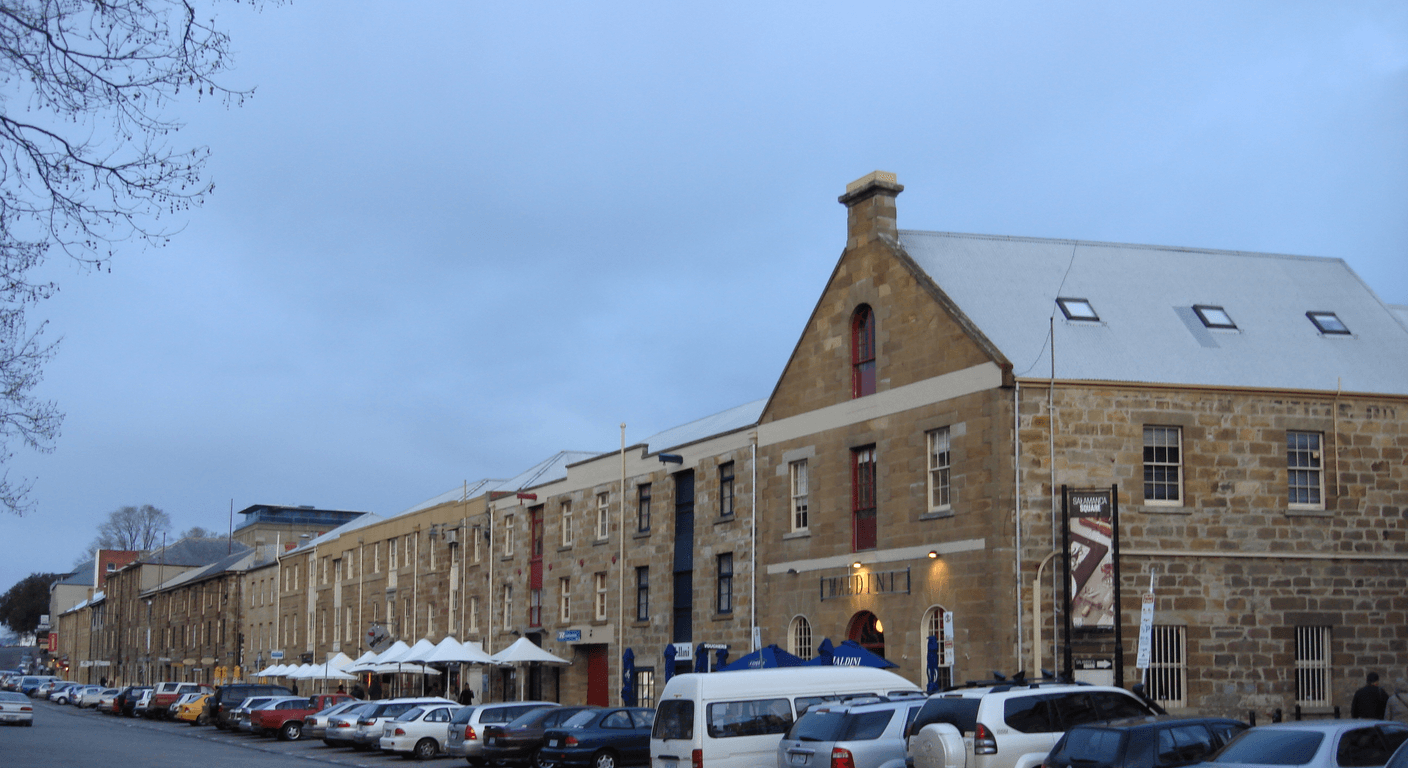
Salamanca Place is, of course, the postcard. The sandstone warehouses, the Saturday market, the reliable row of restaurants facing the waterfront — it does the job. But in winter, when the temperature drops to single digits and the light fades by five, the more interesting Hobart retreats inward. It moves into laneways, up narrow staircases and behind unmarked doors. That's where the fires are.
For travellers who've earned the right to slow down and do things properly, this is good news. Hobart's compact CBD means that most of these bars are within a 10 to 15-minute walk of the waterfront hotels. On a cold night, though, a rideshare from your accommodation to a first venue — and back again afterwards — is entirely sensible. A short Uber or taxi fare is roughly $8–$14 within the inner city (indicative; confirm current rates). Cobblestones and cold air are a combination worth managing on your own terms.
The Whaler: a proper pub that hasn't tried to become a bar
On Murray Street, about a seven-minute walk from Salamanca and a little uphill, The Whaler is the kind of pub that feels as though it's been there since the whalers actually were. The interior is dark timber and low light, and the fireplace in the front room is lit on any evening worth the name. It draws a mix of locals and those who've done their homework — exactly the room you want to be in.
A pot of Cascade or a local Tasmanian cider sits at around $8–$11 (indicative). The kitchen runs a rotating winter menu that tends to include a soup of the day and a pie, both typically under $18. The entry from Murray Street is step-free, which matters. The rear bar has a small step; worth noting if mobility is a consideration. Confirm current hours and menu before visiting, as trading hours shift in the quieter winter months.
The Whaler suits those who want a full evening in one spot — unhurried, warm, without the need to move on. It's not trying to be anything other than what it is. That's the point.
Willing Bros: a wine bar in a laneway that earns the atmosphere
Willing Bros sits in Criterion Street, a laneway that connects Elizabeth and Murray Streets in the CBD. It's a short walk from the waterfront — roughly eight minutes on flat ground — and easy to miss, which is part of the appeal. The space is small and candlelit, with a wood fire that does real work on a July evening.
The wine list leans into Tasmanian producers, and a glass of cool-climate pinot or a local sparkling will typically sit between $12 and $16 (indicative; confirm current pricing). They do a small food menu, and a board of local cheese and accompaniments generally comes in under $20. The laneway entrance is flat, though the interior is compact — two people moving between tables requires a degree of coordination. For those who prefer a quieter corner seat, arriving early (around 5.30pm) secures the best spots by the fire.
It's the kind of bar that rewards a slower visit. No background music competing with conversation. Just good wine, a fire, and the particular pleasure of being somewhere most people walked past.
Glass House and the New Sydney Hotel: two different winters
The New Sydney Hotel on Bathurst Street is one of Hobart's oldest licensed venues, and it wears its age honestly. The front bar has a fireplace, the beer selection is solid and local, and the crowd on a weekday evening is mostly people who've been coming here for years. A pint of Moo Brew or local pale ale is around $10–$13 (indicative). There are a couple of steps at the main entrance — not steep, but worth knowing. The bar staff are generally forthcoming about the layout if you ring ahead.
A short walk away on Liverpool Street, Glass House is a newer small bar that occupies a former heritage shopfront. The aesthetic is warmer and more considered than the New Sydney's honest clutter, and the cocktail list includes a mulled wine and a hot apple cider in winter — both typically around $14–$15 (indicative). Entry is step-free from Liverpool Street. It suits couples who want something a little more polished without crossing into expensive territory.
The two bars represent different versions of a Hobart winter evening. The New Sydney is for sitting with a beer and letting the night settle around you. Glass House is for a slow cocktail and a conversation. Both are worth knowing about. Neither is on the Salamanca strip.
What to eat: pies, soup and the honest $20 meal
Hobart's winter bar food tends toward the practical and the comforting, which is the correct approach. A bowl of roasted pumpkin or leek and potato soup — often listed as a bar snack or entrée — is a reliable $10–$14 at most of the venues above (indicative). A proper Tasmanian beef and Guinness pie, where it's offered, will generally sit at $16–$19. These are not fine dining prices, and the food is not pretending to be fine dining. It is, however, frequently very good.
For those who prefer to eat before venturing out, Pilgrim Coffee on Criterion Street does a warm, well-made late-afternoon menu that bridges the gap between lunch and a bar evening. It's also worth noting that several of Hobart's winter bar menus change weekly — so a dish that appeared last visit may not be there this time. That's not a complaint. It's the sign of a kitchen using what's good and seasonal, which in winter Tasmania means root vegetables, game and smoked fish.
A practical note on pacing: the walk between the CBD venues above covers roughly 1.5 to 2 kilometres in total if you visit two or three in an evening. On flat streets that's comfortable. On a cold night, after a glass of something warming, a rideshare back to your accommodation is a reasonable and affordable close to the evening.
Getting there and moving around: the practical winter picture
Hobart's CBD is genuinely walkable for those with good mobility on flat ground. The waterfront hotel precinct, the Salamanca edge and the CBD bar laneways described here sit within a rough 15-minute walking radius. Where it gets complicated is the cobblestone sections near Salamanca Place itself and the steeper rises toward North Hobart — neither of which you need to navigate for the venues in this guide.
Rideshare (Uber operates in Hobart) and local taxis are readily available and inexpensive by mainland standards. A ride from the waterfront to Bathurst Street or Criterion Street is typically $8–$12 (indicative). On a night when the temperature is near zero and the footpaths are wet, this is simply a good decision rather than a concession. Maxi taxis are available for those who use a walking frame or rollator — book in advance through 13CABS (confirm Hobart availability at 13cabs.com.au).
An honest note on historic venues: several of Hobart's most atmospheric pubs occupy nineteenth-century buildings with narrow staircases, uneven floors and low doorways. This guide has focused on venues with step-free or low-step street entries, but interiors vary. If specific mobility access is essential, ring the venue directly before visiting — Hobart hospitality staff are generally candid and helpful. The city has been working through accessibility upgrades in its heritage precinct, but progress is gradual.
Planning your winter Hobart bar evening: what to know before you go
Winter trading hours in Hobart can be shorter and more variable than summer. Some small bars close on Sundays or Mondays, and kitchen hours may end earlier than the bar itself. A quick check of the venue's social media page or a phone call on the day is worth the minute it takes. Hobart's Dark Mofo festival in June 2026 brings extended hours and pop-up bar events across the city — a worthwhile backdrop to a winter visit, though it also brings larger crowds to the usually quiet laneways.
Dress warmly and in layers. Hobart in July is genuinely cold — overnight temperatures regularly drop to 2–4°C, and even walking between venues a few blocks apart requires a proper coat. The warmth inside these bars is part of the experience, but the contrast when you step outside is real. Comfortable, flat-soled shoes that handle a little moisture are more useful than anything elegant.
For Indian Australian travellers — or anyone with a preference for vegetarian options — Hobart's bar food skews heavily toward meat-based winter dishes. Soup is reliably the best vegetarian option at most of the venues above. Pilgrim Coffee and Willing Bros tend to have the most considered non-meat choices. It's a minor thing, but worth knowing before you sit down and look at the menu.
Quick planning guide
| Ideal pace | Slow-paced, one evening bar-hopping |
|---|---|
| Best months | June–July (winter), with Dark Mofo festival extending hours in June |
| Suggested stay | A single evening, visiting two to three venues |
| Mobility level | Easy — flat, walkable CBD streets, though some historic pubs have narrow stairs or steps |
| Cost level | Budget-friendly — drinks and pub food typically under $20 a round |
| Comfort level | Warm and cosy, with open fires and low-lit rooms as the main draw |
| Best for | Couples and independent travellers who prefer quiet, unhurried venues over crowded strips |
| Main planning consideration | Confirm winter trading hours and check mobility access directly with venues before visiting |
Key takeaways
- Hobart's most atmospheric winter bars are in CBD laneways and side streets, not on the main Salamanca strip.
- A mulled wine, hot cider or local beer at these venues typically costs $8–$15; a bowl of soup or a pie is generally under $20 (indicative; confirm current prices).
- Several lesser-known Hobart bars have step-free street entries, but many historic venues have narrow stairs — always check directly with the venue if mobility access is a priority.
- Rideshare and taxis cover the short CBD distances for around $8–$14 — a sensible alternative to cobblestones on a cold night.
- Winter trading hours vary; a quick call or social media check before heading out saves a wasted walk in the cold.
- June brings Dark Mofo festival events to Hobart's laneways, extending bar hours and adding atmosphere — but also more foot traffic.
Recommended partners and links
Indicative prices only — always confirm with the operator before booking.
Frequently asked questions
Are Hobart's winter bars accessible for people with limited mobility?
Accessibility varies significantly. Several CBD small bars, including Willing Bros on Criterion Street and Glass House on Liverpool Street, have step-free entries from the street. Older heritage pubs such as the New Sydney Hotel have low steps at the entrance and some uneven interior flooring. Venues with multiple levels or steep internal stairs are common in Hobart's historic buildings. Always contact the specific venue before visiting to confirm their current access arrangements.
How much does a drink cost at Hobart's winter bars?
At the lesser-known CBD bars away from Salamanca, a local Tasmanian beer or cider typically costs around $8–$11, a glass of Tasmanian wine around $12–$16, and a hot mulled wine or winter cocktail around $14–$15. These are indicative figures only — confirm current prices with the venue, as they change.
What food can you get for under $20 at Hobart's winter bars?
Most of the fireplace bars in Hobart's CBD offer a bowl of soup (often $10–$14) and a pie or similar hearty dish (typically $16–$19) in winter. Food menus are often small and seasonal, rotating weekly. Vegetarian options tend to be limited to soup and occasional shared plates — confirm with the venue if dietary requirements are a consideration.
Is it easy to walk between Hobart's laneway bars in winter?
The CBD venues in this guide sit within roughly 10–15 minutes' walk of the waterfront on mostly flat ground. However, Hobart in winter means cold temperatures (regularly 2–4°C at night), wet footpaths and some uneven surfaces. A rideshare or taxi between venues costs around $8–$14 and is a practical choice on colder nights, particularly for those who prefer to avoid cobblestone streets.
When is the best time to visit Hobart's winter bar scene?
June, July and August are Hobart's core winter months, when fireplaces are reliably lit and the atmosphere in these smaller venues is at its best. June also brings the Dark Mofo festival, which adds extended bar hours and laneway events across the city. Midweek evenings tend to be quieter and easier for securing a seat near the fire — weekend nights in festival periods can be busier than some visitors expect.