Hong Kong is a compact, walkable stopover for over-50 travellers, best visited October to March when heat and humidity ease. Two to three nights suits a stopover between Australia and Europe or the UK, with four nights allowing a slower pace. The defining highlight is the eight-minute Star Ferry crossing of Victoria Harbour. Mobility is moderate — the city is hilly and crowded, but the MTR, escalators and a flat Tsim Sha Tsui promenade make it manageable for careful, unhurried travellers.
Why Hong Kong works as a stopover for over-50 travellers
A stopover in Hong Kong is one of those travel decisions that tends to reward people who have been putting it off. The city is compact enough to feel manageable across two or three days, the public transport is genuinely excellent, and there is enough variety — harbour, markets, temples, food, green hills — to suit different energy levels on different days. For an older traveller flying between Australia and Europe or the United Kingdom, breaking a long-haul journey in Hong Kong adds interest without adding significant stress.
The city also has a strong infrastructure habit. Signage in English is consistent across the MTR (the Mass Transit Railway), ferry terminals and most tourist areas, which matters when you are navigating alone and do not want to rely on data-heavy apps at every turn. Hotel check-in staff and most restaurant hosts in tourist-adjacent areas are accustomed to English-speaking guests. None of this makes Hong Kong frictionless — it is a dense, fast-moving city — but it does make it approachable.
Two to three nights is a realistic minimum for a stopover that lets you recover from the flight, take the Star Ferry at least twice, eat dim sum properly and see one or two neighbourhoods at a walking pace. Four nights gives you room to be slower and more selective, which is often the better choice if your knees or hips have opinions about hills.
Getting around: the MTR is your best friend
The MTR is one of the most efficient metro systems in the world, and it is the backbone of sensible navigation for older solo travellers in Hong Kong. Trains are frequent, air-conditioned, clearly signed in English, and cover most of the places on a typical visitor's list — Central, Tsim Sha Tsui, Wan Chai, Causeway Bay, Mong Kok and the airport. Fares are indicative of around HKD 4 to HKD 55 depending on distance, roughly AUD 1 to AUD 10 at the time of writing, though you should confirm current fares at mtr.com.hk before you travel.
An Octopus card — a stored-value transit card available from airport MTR stations — is well worth getting on arrival. It covers the MTR, most buses, the Star Ferry and some convenience store purchases, and it removes the need to handle exact change or queue at ticket machines every time. The card has a small deposit (confirm the current amount with MTR Corporation). Seniors from Hong Kong receive concession fares, but as an overseas visitor you will pay standard adult fares; the convenience still makes the card worthwhile.
Lifts are available at most MTR stations, though some older station exits require escalators or stairs. If lift access matters to you, the MTR website has accessibility information by station. Taxis are plentiful and relatively affordable by Australian standards — metered, and drivers generally understand hotel names and major landmarks — and are a sensible fallback when you are tired or carrying shopping.
The Star Ferry and Victoria Harbour: what lives up to the reputation
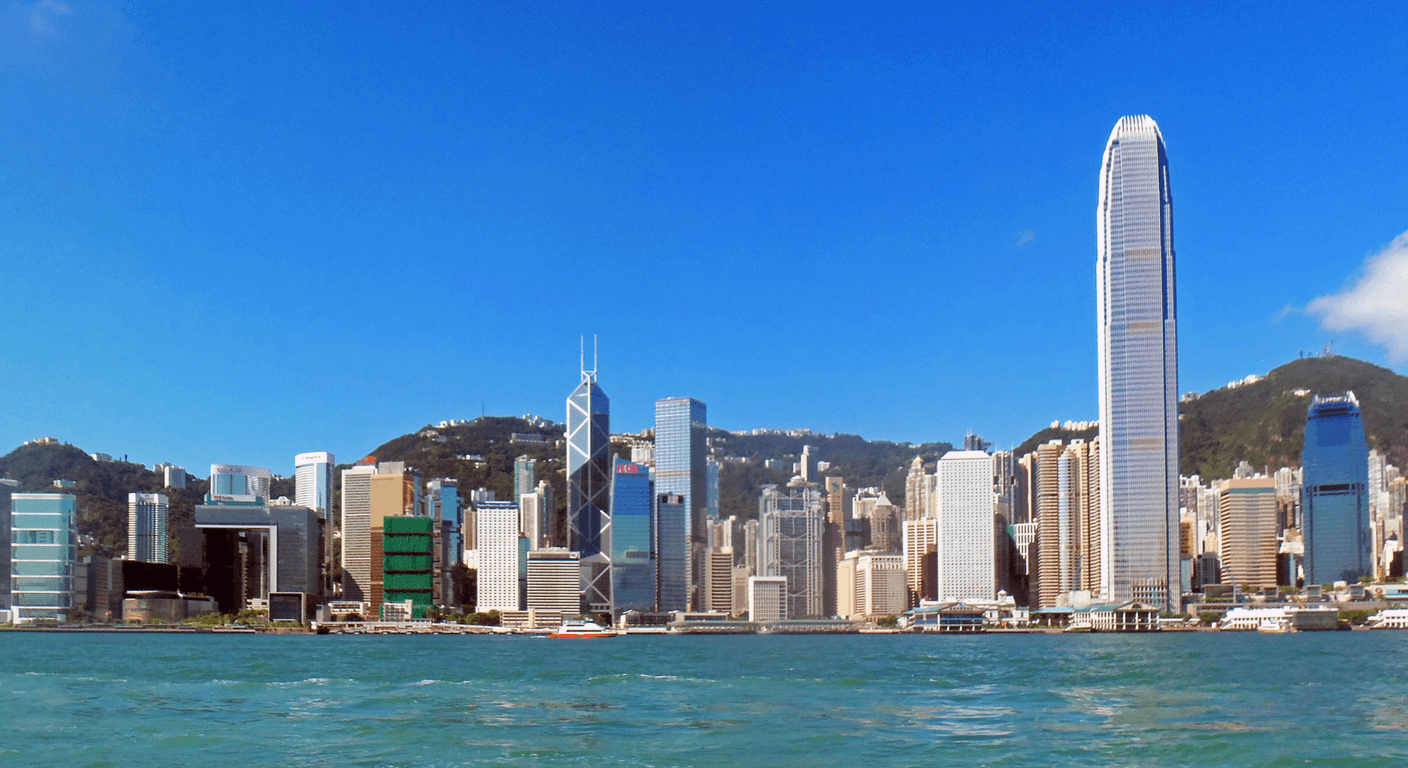
The Star Ferry crossing between Tsim Sha Tsui (Kowloon side) and Central or Wan Chai (Hong Kong Island) is one of those experiences that still delivers after all the years it has been on every travel list. The crossing takes around eight minutes, the views of the skyline are genuine, and the fare is indicative of around HKD 3 to HKD 5 — roughly less than AUD 1 — making it one of the best-value harbour experiences anywhere. Taking it at dusk, when the city lights are beginning to come on, is particularly worthwhile.
The Tsim Sha Tsui waterfront promenade that runs along the Kowloon side of the harbour is one of Hong Kong's best flat walks, and it is genuinely good for older travellers who want harbour views without hills. The path runs for several kilometres from the Star Ferry pier toward Hung Hom and is wide, mostly level, and broken up by benches at reasonable intervals. The Avenue of Stars — a walkway celebrating Hong Kong cinema — sits along this stretch and has been restored in recent years. It is busy on weekends but manageable on weekday mornings.
For those who want a harbour view from height without the Peak Tram, the observation areas at the International Commerce Centre (ICC) in West Kowloon or the public viewing gallery in the Central–Mid-Levels area offer alternatives. The harbourfront itself, however, is where most people find they want to linger, and it asks nothing of your knees.
The Peak Tram and Victoria Peak: honest advice
Victoria Peak and the Peak Tram are genuinely worth considering, but they deserve an honest assessment rather than blanket enthusiasm. The tram ride itself — a steep funicular that has been running since 1888 — is a historical experience and the views from the upper terminus are expansive. However, the tram is extremely popular and queues can be long, particularly on weekends and in peak tourist season. There is now an online ticketing option through the Peak Tram's official operator, Hongkong Land, which is worth using if you want to avoid a lengthy wait in heat or humidity.
The Peak Tower at the top is a commercial complex, and the viewing areas involve some stairs and uneven surfaces. The circular walk around the Peak — Harlech Road and Lugard Road — is a popular option and is relatively flat once you are up there, but getting between the tram terminus and the walk start involves some navigation. If walking is difficult, there is a bus service (no. 15) from Central that is less dramatic than the tram but seats you for the journey up. Confirm current services with the Hong Kong Tourism Board or the relevant bus operator.
Summer visits — roughly June through September — add the complication of heat and high humidity at the Peak, which can be genuinely taxing for older travellers. If your trip falls in those months, consider visiting in the early morning or choosing a cooler day. October through March is significantly more comfortable and is generally considered the better time of year for active sightseeing in Hong Kong.
Dim sum: treating it as the event it is
Dim sum in Hong Kong is not a light snack; it is a proper meal and a social institution, and approaching it that way makes for a much better experience. The traditional format is yum cha — drinking tea and eating small dishes — served in large, often noisy restaurants from morning through early afternoon. For a solo traveller, the best approach is often to arrive early (around 9am to 10am on a weekday), before the lunch rush, and ask to share a large table, which is entirely normal practice and often leads to the kind of casual, friendly encounters that solo travel is good for.
Classic dishes to look for include har gow (prawn dumplings), siu mai (pork and prawn dumplings), cheung fun (rice noodle rolls), turnip cake, and egg tarts. Many restaurants still use the traditional trolley service, where staff wheel carts around and you point at what you want; others use paper order forms. Prices are indicative of around HKD 30 to HKD 60 per dish for a mid-range restaurant (roughly AUD 6 to AUD 12), though this varies considerably. Confirm current pricing with the restaurant or the Hong Kong Tourism Board's dining guides.
Well-regarded dim sum establishments in the traditional style include Tim Ho Wan (which has multiple locations and is accessible via MTR) and several long-running restaurants in Central, Wan Chai and Mong Kok. The Hong Kong Tourism Board website at discoverhongkong.com maintains restaurant listings and is a sensible starting point for finding current options that suit your location and budget.
What to be honest about: hills, heat, crowds and mobility
Hong Kong is a hilly city and that is not a minor detail. The central business district on Hong Kong Island sits at the base of steep terrain, and many streets between the harbour and the Mid-Levels rise sharply. The Central–Mid-Levels escalator system — the world's longest outdoor covered escalator — helps considerably and is free to use, running uphill from mid-morning and downhill in the early morning. It connects the Sheung Wan and Central areas to residential streets higher up, and using it as a one-way ride uphill saves considerable effort.
Pavements in busy areas like Mong Kok, Causeway Bay and Central can be genuinely crowded, particularly on weekends and public holidays. Navigating a busy pavement while managing luggage or a walking stick requires patience and some assertiveness. Kowloon-side streets in tourist areas tend to be slightly wider and less vertiginous than parts of Hong Kong Island, which is worth knowing if you are choosing where to base yourself.
Summer humidity — often 80 to 90 percent between June and September — is not merely uncomfortable; it is a health consideration for older travellers, particularly those with cardiovascular conditions. Staying well-hydrated, taking rest breaks in air-conditioned spaces and avoiding long outdoor walks in the middle of the day are sensible precautions. The MTR, shopping centres, museums and most restaurants are air-conditioned, which makes urban exploration manageable even in warmer months if you pace yourself.
Practical matters: entry, health, money and staying safe
Australian passport holders have generally been able to enter Hong Kong without a visa for short stays, but entry conditions can and do change. The authoritative source for current advice is smartraveller.gov.au, which is maintained by the Australian Department of Foreign Affairs and Trade. Checking this before booking — and again shortly before you travel — is a straightforward habit that removes uncertainty. The page will also flag any health, safety or political considerations relevant to your trip.
Travel insurance that covers medical evacuation is strongly recommended for any international trip, and Hong Kong is no exception. Healthcare in Hong Kong is of a high standard at private hospitals, but costs for overseas visitors can be significant. Confirm that your policy covers pre-existing conditions and that the sum insured for medical expenses is adequate — this is particularly relevant for older travellers. Your insurer or a financial adviser familiar with travel insurance can help you assess your cover.
Hong Kong uses the Hong Kong Dollar (HKD). ATMs are widely available and accept international cards; notify your bank before you travel to avoid cards being flagged. Major credit cards are accepted in hotels, larger restaurants and retail, but smaller market stalls and traditional tea houses may be cash-only. Carrying a modest amount of HKD cash is sensible. The city has a low violent crime rate and is generally considered safe for solo travellers, though standard urban awareness — watching your bag in crowds, keeping valuables out of sight — remains good practice.
Quick planning guide
| Ideal pace | Slow to moderate, one or two neighbourhoods a day |
|---|---|
| Best months | October to March, when heat and humidity are lower |
| Suggested stay | Two to three nights minimum as a stopover, four nights for a more relaxed pace |
| Mobility level | Moderate - hilly streets and crowds, offset by lifts, escalators and flat harbour walks |
| Cost level | Budget-friendly transport and dim sum, with hotel costs varying |
| Comfort level | High - air-conditioned MTR, malls and restaurants make pacing easy |
| Best for | Older solo travellers breaking a long-haul flight between Australia and Europe or the UK |
| Main planning consideration | Pacing around hills, summer heat and crowded pavements while using the MTR and flat waterfront walks |
Key takeaways
- The MTR covers most of Hong Kong's visitor highlights, is air-conditioned, clearly signed in English, and makes the city navigable without a car.
- The Star Ferry crossing between Tsim Sha Tsui and Central costs indicatively less than AUD 1 and remains one of the most rewarding harbour experiences in Asia.
- The Tsim Sha Tsui waterfront promenade is a genuinely flat, bench-lined harbour walk — a practical alternative to the city's many steep streets.
- Summer heat and humidity (June–September) are a real health consideration for older travellers; October through March is a more comfortable window for active sightseeing.
- Dim sum is best approached as a proper sit-down meal event, not a snack — arriving early on a weekday avoids the worst of the lunch-hour crowds.
- Check smartraveller.gov.au for current Hong Kong entry requirements and travel advisories before booking.
Recommended partners and links
Indicative prices only — always confirm with the operator before booking.
Frequently asked questions
Do Australian travellers need a visa for a short Hong Kong stopover?
Australian passport holders have generally been able to visit Hong Kong for short stays without a visa, but entry requirements can change. Always check the current advice at smartraveller.gov.au before you book and again shortly before departure.
Is Hong Kong easy to get around for older travellers with mobility considerations?
The MTR has lift access at most stations and is the most mobility-friendly way to travel across the city. The Tsim Sha Tsui harbourfront promenade and the Central–Mid-Levels escalator system are useful flat or assisted alternatives to Hong Kong's many steep streets. Taxis are metered and plentiful for when walking becomes tiring.
What is the best time of year for an older traveller to stopover in Hong Kong?
October through March offers cooler, less humid conditions and is generally the more comfortable window for older travellers doing active sightseeing. June through September brings high heat and humidity — often 80 to 90 percent — which can be taxing, particularly for those with cardiovascular conditions.
How much does a dim sum meal cost in Hong Kong?
At a mid-range restaurant, individual dim sum dishes are indicatively around HKD 30 to HKD 60 per plate (roughly AUD 6 to AUD 12 at current exchange rates), though prices vary considerably by venue and location. Confirm current pricing with the restaurant directly or via the Hong Kong Tourism Board at discoverhongkong.com.
Is the Peak Tram suitable for older travellers with knee or mobility concerns?
The tram ride itself is seated and accessible, but queues can be long in peak periods and the area around the Peak Tower involves some uneven surfaces and stairs. Bus route 15 from Central offers a seated alternative journey to the Peak. The circular walking track at the top (Harlech and Lugard Roads) is relatively flat once you are up there, but getting between the tram terminus and the track start requires some navigation.