Innes National Park sits at the southern tip of Yorke Peninsula, roughly 230 kilometres from Adelaide, with no public transport — a hire car is essential, typically reached via a flight into Adelaide. September to November is the best window, bringing wildflowers and southern right whales offshore. An overnight stay is recommended over a rushed day trip, allowing time for the Inneston ghost town, shipwrecks and West Cape Lighthouse. Mobility is moderate, with mostly flat sealed paths and one uneven clifftop walk.
What makes Innes National Park worth the drive?
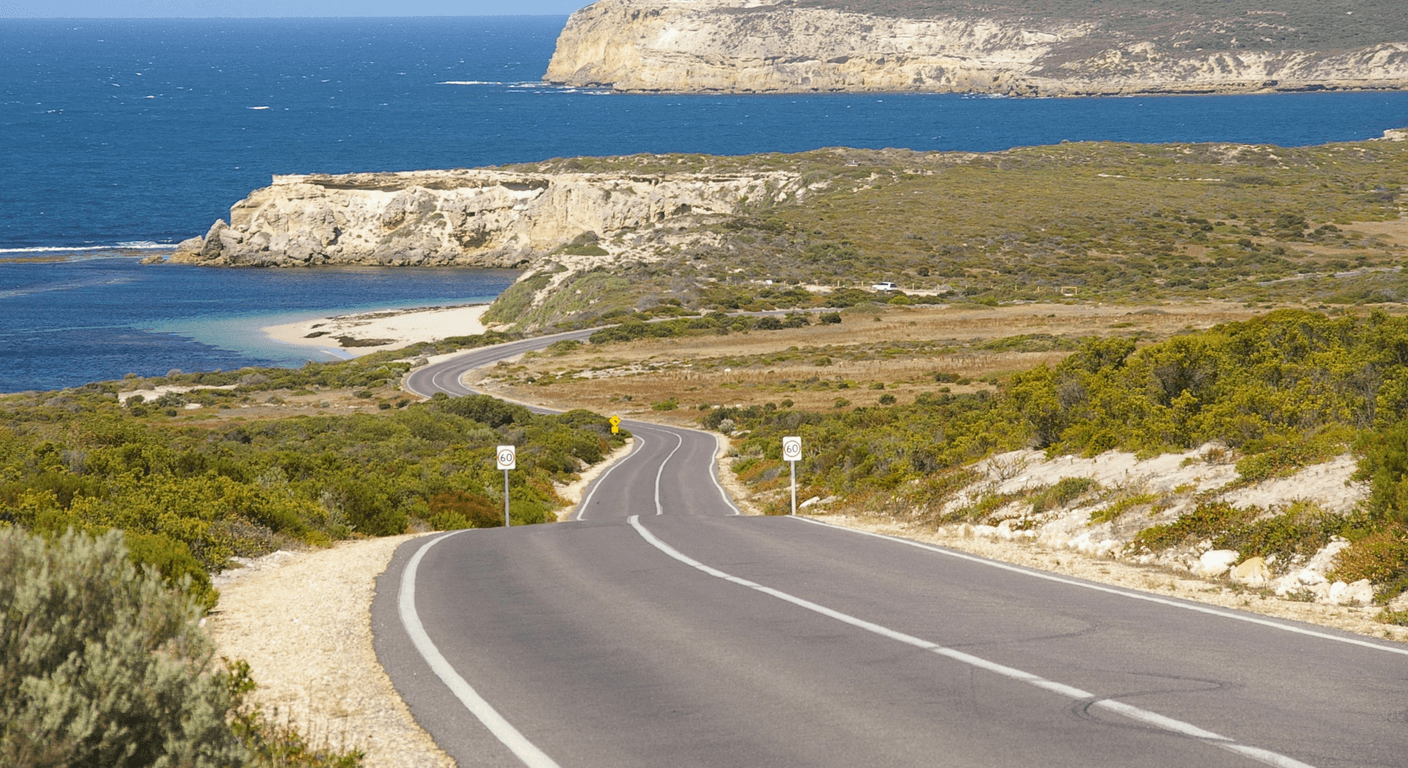
Innes National Park covers the southern tip of Yorke Peninsula — roughly 9,000 hectares of mallee scrub, red cliffs and wild Southern Ocean coastline. It's not manicured. The landscape has a rawness that more visited parks in South Australia can't quite match, and that's precisely the draw for travellers who've done the easy circuits and want something with more substance.
The park holds several distinct attractions: the ghost town of Inneston, abandoned after the gypsum mines closed in the 1930s; at least eight documented shipwrecks along the coast, some visible from shore; the West Cape Lighthouse; and Pondalowie Bay, a sheltered curve of beach popular with surfers and, at the right time of year, southern right whales passing offshore. Western grey kangaroos are a near-constant presence, particularly at dusk.
For a traveller based in Victoria, the honest framing is this: Innes is a destination in its own right, not a casual detour. It sits around 230 kilometres from Adelaide, and the final 30 kilometres through the peninsula require patience. The reward is a coastline that feels genuinely uncrowded, even in peak season.
Getting there from Victoria — and from Adelaide
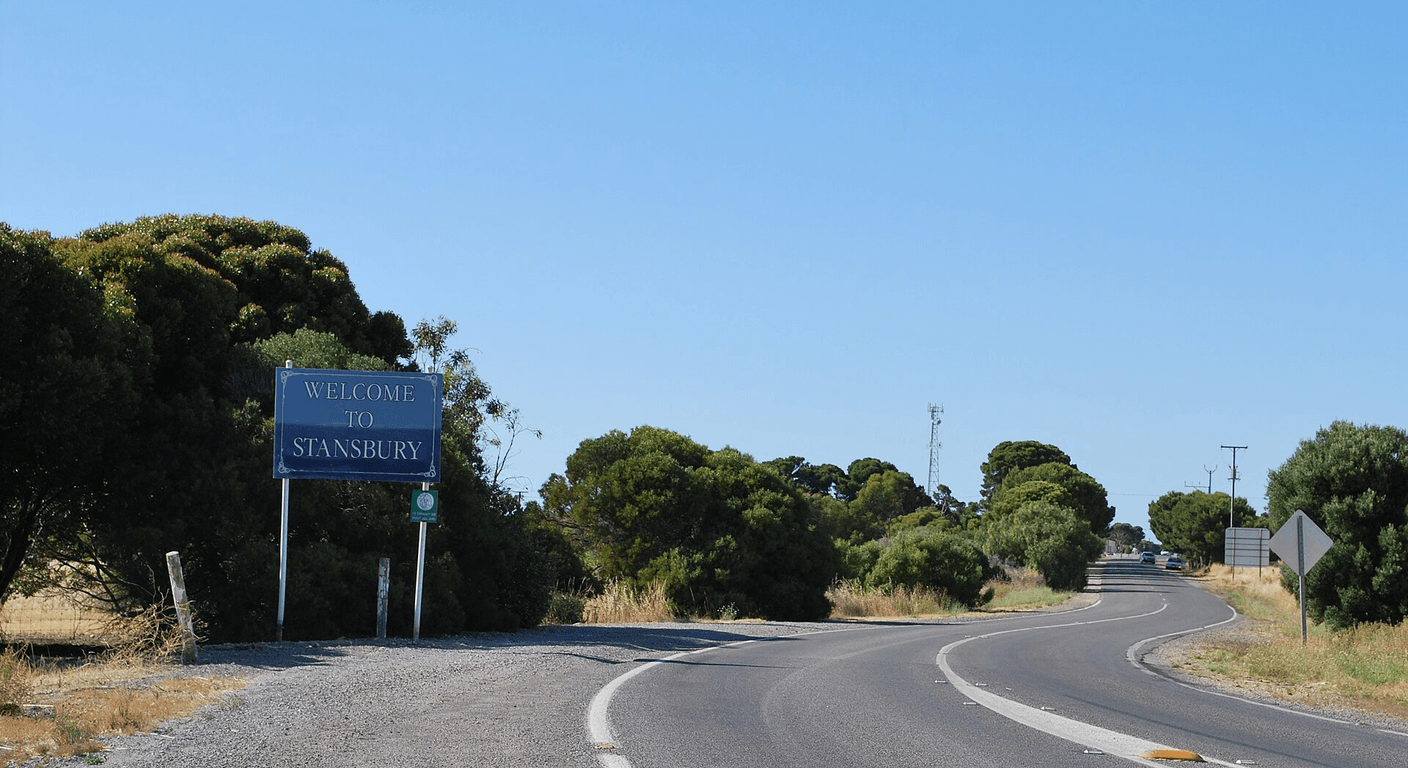
From Melbourne, the most practical approach is a flight to Adelaide, then a hire car. Rex Airlines and Qantas both service the Adelaide route; flights take roughly an hour. From Adelaide Airport, the drive to Stenhouse Bay at the park entrance is around two and a half to three hours, following the Main South Road and then crossing the peninsula via Maitland or Kadina. The Copper Triangle towns — Kadina, Wallaroo and Moonta — make an excellent overnight stop the night before, putting you at the park gate fresh in the morning rather than fatigued.
There is no public transport to Innes National Park. A private vehicle is essential. If you prefer not to drive the full distance, coach services from Adelaide to Kadina exist — check the current Yorke Peninsula Coaches schedule — but you'll still need a hire car from there. The road into the park is sealed as far as Stenhouse Bay and the main visitor areas; some internal tracks become unsuitable for standard two-wheel-drive vehicles after significant rain. If you're travelling in a standard hire car, stick to the sealed routes and check conditions at parks.sa.gov.au before departure.
Fuel is a non-negotiable consideration. There is no fuel available inside the park. The last reliable service station is in Yorketown, roughly 40 kilometres from the park entrance. Fill the tank there without fail.
The three sites that reward the effort most
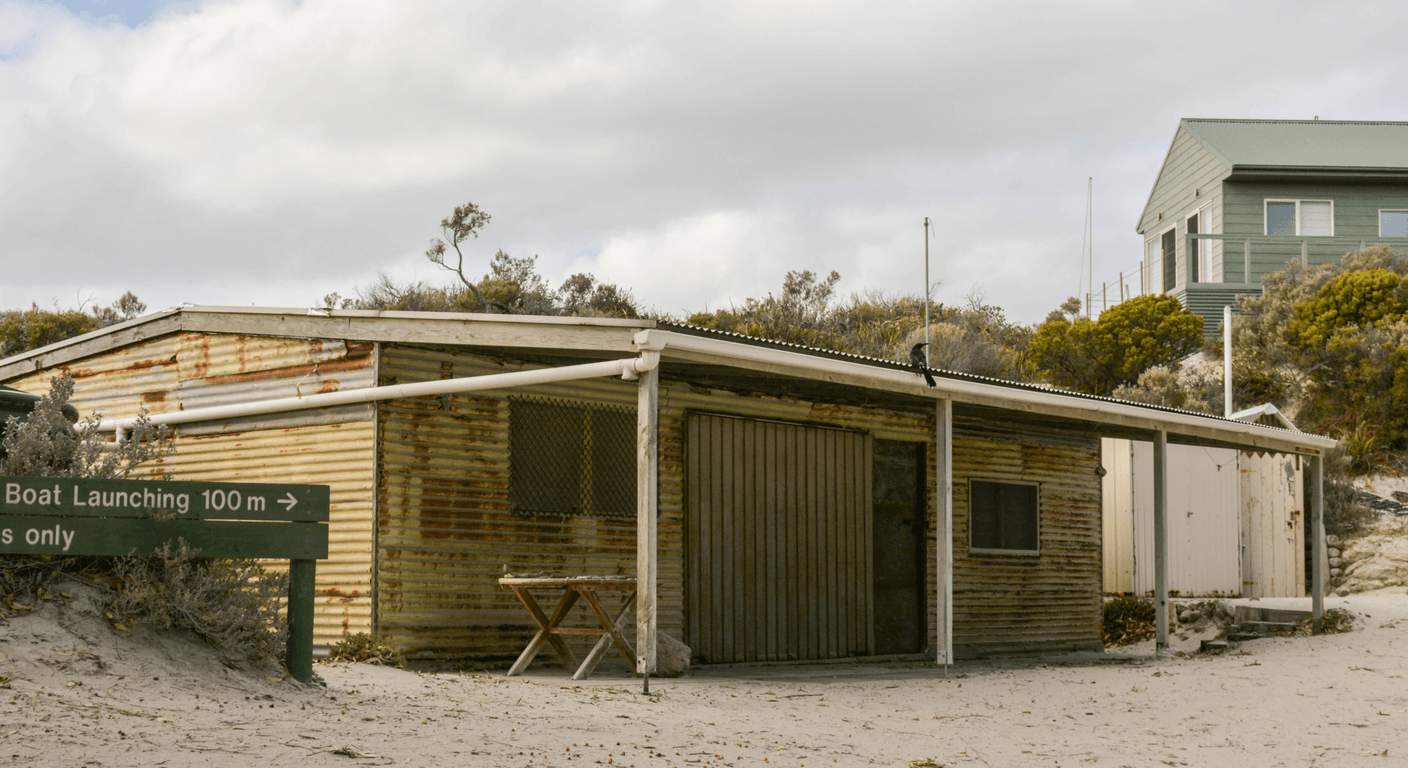
Stenhouse Bay is the park's hub — a small jetty, a basic kiosk (hours vary; don't rely on it for a meal), and the kind of quiet that reminds you why you drove this far. The jetty is a popular fishing spot and an easy, flat walk. The bay itself is sheltered enough to make it a comfortable place to pause and have lunch from your own supplies. This is where to base yourself if you're visiting for the day.
West Cape Lighthouse sits on the park's westernmost point and offers one of the more dramatic coastal views in South Australia. The lighthouse itself dates from 1879. Access involves a short walk from the carpark — uneven in places, with some low scrub — but the path is manageable at a steady pace. The views along the cliff line are worth every minute of the drive. Confirm current access arrangements at parks.sa.gov.au, as infrastructure at remote lighthouse sites can be subject to periodic closures.
The Inneston Historic Township is a genuinely absorbing stop. The gypsum-mining settlement was abandoned in 1930 and has been partially preserved rather than restored — which means it feels authentic rather than theatrical. Stone cottages, a hall and the remains of a community sit quietly in the scrub. It's a short drive from Stenhouse Bay on a sealed road, and the flat ground around the buildings makes it accessible for most visitors. An interpretive trail explains the social history without oversimplifying it.
Pondalowie Bay and the shipwreck coast
Pondalowie Bay is a 20-minute drive from Stenhouse Bay and delivers a completely different mood — a broader, more exposed beach backed by low dunes, with the kind of swell that explains the bay's reputation among surfers. For non-surfers, the lookout above the bay is the better option. The view takes in a long sweep of coastline with no infrastructure in sight, which in 2025 is quietly remarkable.
The Yorke Peninsula coast has claimed more than 80 ships over its history, and Innes holds several of the most accessible wrecks. The Ethel, wrecked in 1904, is visible from a short clifftop walk near Ethel Beach — one of the more evocative sights in the park, the rusted hull frames still breaking the surface at low tide. Signage at the park explains the broader shipwreck history; the South Australian Maritime Museum in Adelaide provides deeper context if that history interests you.
Southern right whales pass through the waters off the peninsula between June and October. Sightings from the coastal lookouts aren't guaranteed, but they're common enough that it's worth pausing at the viewpoints and scanning the water.
Practical realities for over-50 visitors
Phone signal inside the park is patchy to non-existent on most networks. Download an offline map — apps like Hema Explorer or Maps.me work well — before you leave mobile coverage. Let someone know your itinerary, particularly if you're travelling solo. This isn't alarmist advice; it's the same common sense any experienced traveller applies in remote areas.
The per-vehicle day entry fee applies to all visitors. Pay at the self-registration station near the park entrance or confirm whether online pre-purchase is available at parks.sa.gov.au. Keep your receipt visible on the dashboard. The fee directly funds park maintenance and conservation work.
Facilities are minimal. Stenhouse Bay has toilets; some campsite areas have basic amenities. There are no restaurants or cafes you can count on. Bring your own water, food and a first aid kit. If you take prescription medication, carry more than you think you need. The nearest hospital is in Yorketown or Maitland — a reminder that self-sufficiency here is genuine rather than aspirational.
Staying overnight — and why it changes the experience
Day-tripping to Innes from Adelaide is possible but long. An overnight stay transforms the experience considerably. South Australian National Parks manages a range of accommodation within the park — from basic campsites to self-contained cottages at Browns Beach and Pondalowie Bay. The cottages are the comfortable choice for travellers who'd rather not manage camping logistics; they have kitchens and beds, and they fill quickly in school holidays and long weekends.
Alternatively, Yorketown and the Copper Triangle towns offer conventional motel accommodation within a comfortable drive of the park. Kadina and Moonta have genuine appeal of their own — the Moonta Mines State Heritage Area tells the story of the Cornish migrants who shaped the peninsula, and the National Trust of Australia (South Australia) manages significant sites there. It's a natural pairing with an Innes visit.
Arriving the evening before and spending a night in the park means you can be at Inneston or West Cape at dawn, before any day visitors arrive. The light on the limestone cliffs in the early morning is something the afternoon visit simply doesn't offer.
When to go — and what to expect each season
Spring (September to November) is the most rewarding season. Wildflowers bloom across the mallee, temperatures sit in the mid-teens to low twenties, and the coastal light is clear. It's also the beginning of whale season. Autumn (March to May) offers similar temperatures without the spring crowds, and the lower sun angle makes coastal photography particularly good.
Summer brings heat — January and February temperatures can exceed 35°C on the peninsula, which makes extended coastal walking uncomfortable and potentially risky. If summer is the only option, plan all walking for before 10am and after 4pm, carry significantly more water than you think necessary, and check the SA Country Fire Service fire danger rating for the day before entering. The park can close during days of catastrophic fire danger.
Winter is mild by South Australian standards — rarely below 10°C — and the park is quiet. Whale sightings continue through July and August. Some tracks become soft after winter rain, so check conditions in advance. The shorter days mean you'll want to start early to cover the main sites comfortably.
Quick planning guide
| Ideal pace | Slow-paced, with an overnight stay recommended |
|---|---|
| Best months | September to November (spring) or March to May (autumn) |
| Suggested stay | One to two nights |
| Mobility level | Moderate — mostly flat sealed paths, one uneven clifftop walk at West Cape |
| Cost level | Budget-friendly, with a per-vehicle day entry fee and optional self-contained cottages |
| Comfort level | Basic — minimal facilities, self-sufficiency genuinely required |
| Best for | Experienced travellers wanting remote coastline, history and wildlife over polished amenities |
| Main planning consideration | No fuel or phone signal inside the park; fill up at Yorketown and travel by private vehicle |
Key takeaways
- There is no fuel available inside Innes National Park — fill your tank at Yorketown, the last reliable stop before the park entrance.
- Phone signal is patchy to non-existent throughout most of the park; download offline maps and share your itinerary with someone before you go.
- The sealed road reaches Stenhouse Bay, Inneston and West Cape, making these three sites accessible in a standard hire car regardless of recent rain.
- A per-vehicle day entry fee applies; confirm the current price at parks.sa.gov.au before visiting.
- September to November is the prime window — mild temperatures, wildflowers and the start of southern right whale season offshore.
- An overnight stay in park accommodation or a Copper Triangle base transforms the experience from a long day run into a genuinely leisurely visit.
Recommended partners and links
Indicative prices only — always confirm with the operator before booking.
Frequently asked questions
Do you need a 4WD to visit Innes National Park?
No — the main visitor sites including Stenhouse Bay, Inneston Historic Township and West Cape Lighthouse are accessible via sealed roads in a standard two-wheel-drive vehicle. Some internal tracks become suitable for high-clearance or 4WD vehicles only after rain, so check current conditions at parks.sa.gov.au before visiting and stick to sealed routes if you're in a standard hire car.
Is there fuel available inside Innes National Park?
No. There is no fuel for sale anywhere inside the park. The last reliable service station before the park is in Yorketown, approximately 40 kilometres from the entrance. Fill your tank there before proceeding.
How much is the Innes National Park entry fee?
A per-vehicle day entry fee applies to all visitors. The fee is subject to change; confirm the current price at parks.sa.gov.au before your visit. Payment is made at the self-registration station near the park entrance.
Is Innes National Park suitable for older travellers with limited mobility?
The key sites are accessible to most travellers at a steady pace. Stenhouse Bay jetty is flat and easy. Inneston Historic Township has level ground around the buildings. West Cape Lighthouse involves a short walk on an uneven path. Pondalowie Bay lookout is reached by a short walk from the carpark. None of the recommended day-visit sites requires significant exertion, though the park overall rates Moderate due to remote conditions and some uneven coastal terrain.
Can you see whales from Innes National Park?
Yes, southern right whales pass through the waters off the Yorke Peninsula tip between roughly June and October. Sightings from the coastal lookouts at Pondalowie Bay and West Cape are reasonably common during this period, though not guaranteed. Bring binoculars and take your time at the viewpoints.