Innes National Park sits at the wild southern tip of South Australia's Yorke Peninsula, reached by a three-hour drive from Adelaide with no public transport option. Two nights at nearby Marion Bay, covering two full days, suits the park well, taking in the Ethel shipwreck, Cape Spencer Lighthouse and the preserved Inneston village. Walks are short and mostly flat, making it an easy destination for over-50s travellers. April to October offers the most comfortable weather, with September–October bringing peak wildflowers.
Why Innes National Park Rewards the Drive
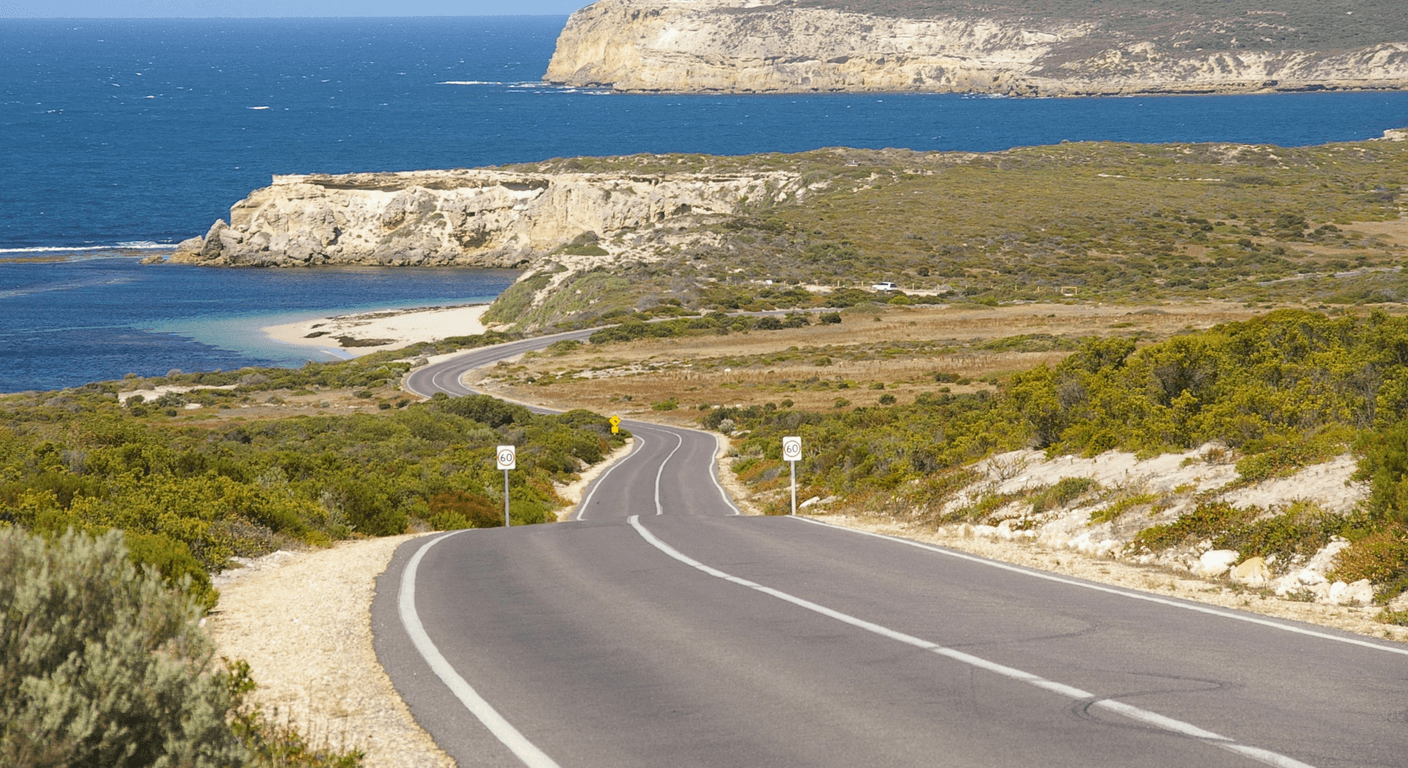
The Yorke Peninsula is a long, boot-shaped thumb of land that pushes south-west into the Southern Ocean below Adelaide. Most visitors stop somewhere around the boot's ankle — at Edithburgh, say, or the Copper Triangle towns. Those who keep driving to the toe find something different: a national park where the scrub presses close to the road, the sky is enormous, and the only thing hurrying is the wind off the ocean.
Innes National Park covers roughly 9,000 hectares of the peninsula's tip. It's not a park that demands a fit body or a packed day-pack. Its character comes from an accumulation of smaller things — the unexpected calm of a sheltered cove, the way an emu will simply stand on the verge and regard you with mild indifference, the salt-and-rust smell of a beach where a ship has been slowly returning to the sea for over a century. For a group of women travelling together, that unhurried quality is exactly the point.
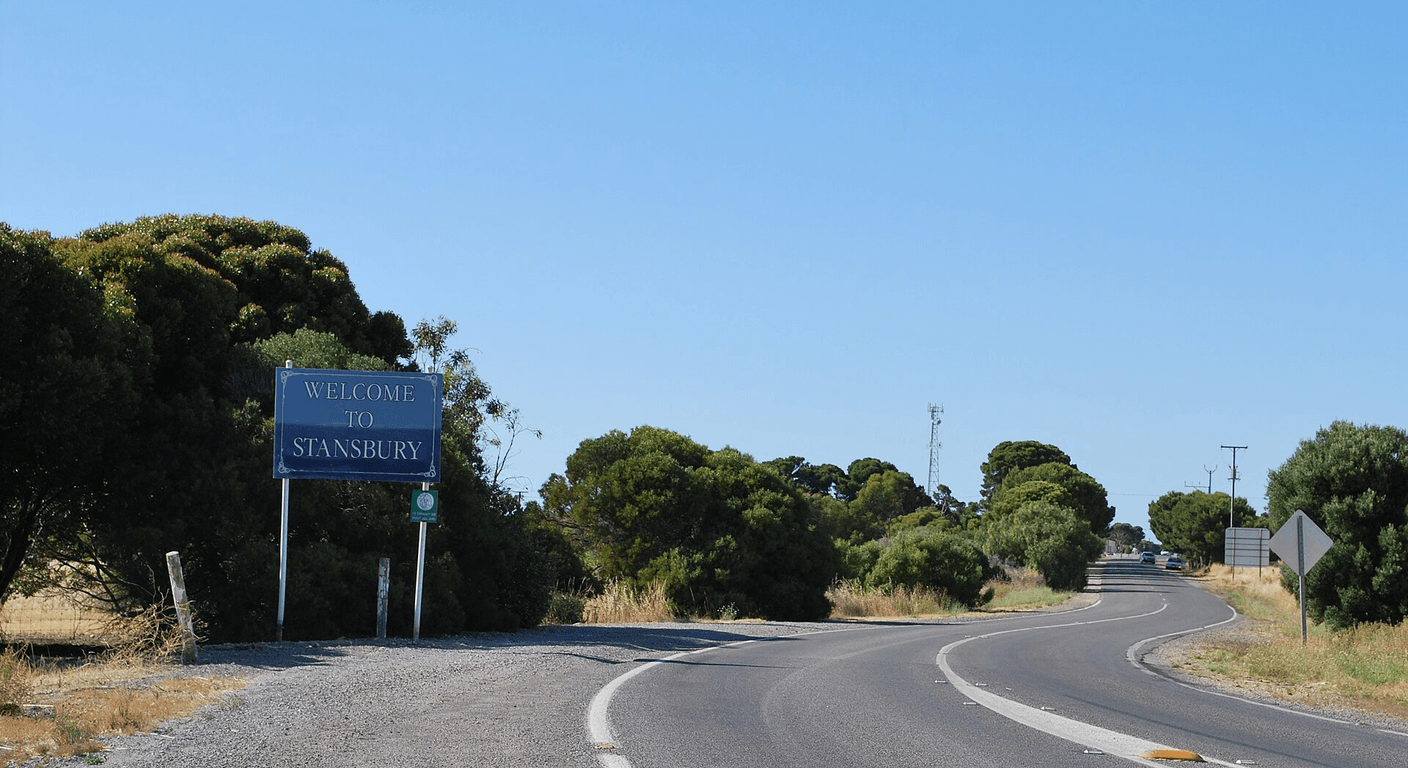
The drive from Adelaide takes roughly three hours, passing through the grain-farming towns of Maitland, Minlaton and Yorketown. Stock up on groceries and wine in Yorketown — Marion Bay's general store is handy but limited. The road into the park is sealed as far as the main facilities; some internal tracks are gravel and can be corrugated after rain. A standard sedan handles most of the highlights comfortably, though checking road conditions at parks.sa.gov.au before you leave is sensible.
Getting There: The Road from Regional Victoria
From regional Victoria, the most practical route is to drive or take a regional coach to Melbourne, then either fly Adelaide (under an hour) or drive the Western Highway to Adelaide — roughly eight to nine hours from Ballarat or Bendigo, best broken into two days with a night in Horsham or the Grampians. A direct Melbourne–Adelaide flight is the smarter choice for a group wanting to arrive fresh; hire a car from Adelaide Airport and you're on the road within the hour.
There is no public transport to Marion Bay or Innes National Park. This is car country, full stop. For those who haven't hired a car interstate before, the major rental companies — Hertz, Avis, Budget — all operate from Adelaide Airport. Confirm your booking well ahead of peak South Australian school holiday periods. An automatic, comfortable sedan is perfectly adequate; a 4WD is not required for the main sites.
The Adelaide Hills and Fleurieu Peninsula make a logical add-on either side of the Yorke Peninsula leg, turning the journey into a satisfying South Australian loop. McLaren Vale is only 45 minutes south of Adelaide — a relaxed wine-country night before or after the wild coast feels like a reasonable reward for the drive.
Where to Stay: Marion Bay Does the Job Quietly
Marion Bay is a small coastal settlement just outside the national park's northern boundary — a cluster of holiday shacks, a general store, a pub-style tavern, and a handful of cabin and caravan park options. It's not glamorous. It doesn't try to be. What it offers is a comfortable bed close to the gate, clean air, and the kind of stillness that reminds you what quiet actually sounds like.
Marion Bay Retreat offers self-contained cabins that suit a group of friends well — a shared kitchen and living space makes evening meals sociable without requiring anyone to book a restaurant. Confirm current availability and rates directly via their website. The Marion Bay Tavern serves straightforward pub meals and is welcoming to travellers; it's worth confirming opening hours before you go, as country pubs in smaller settlements sometimes adjust their schedules seasonally.
Inside the park itself, Parks SA manages a campground at Pondalowie Bay — a beautiful spot for those who travel with a caravan or campervan. Facilities include powered sites, toilets and cold showers. Booking through the Parks SA website is essential, particularly over school holidays and long weekends. For a friends group preferring a proper bed, Marion Bay cabin accommodation is the clear choice.
The Park's Highlights: What to See and How Long It Takes
Cape Spencer Lighthouse is the park's most recognisable landmark — a whitewashed tower on a headland above dramatic coastal cliffs. The walk from the car park to the lighthouse and lookout is short, mostly flat, and paved in sections. The views take in the Spencer Gulf to the east and the open Southern Ocean to the south. In winter and spring, southern right whales occasionally pass through; bring binoculars. Allow an hour here, more if the light is doing something interesting.
The Ethel shipwreck lies on the beach near Ethel Creek, accessible via a short track from the car park. The iron-hulled barque ran aground in 1904 and has been rusting into the sand ever since. What remains is a substantial skeleton of ribs and hull plating, half-buried, and genuinely evocative. At low tide you can walk around it. Check tide times before you go — the experience is considerably better when the wreck isn't submerged to the waterline.
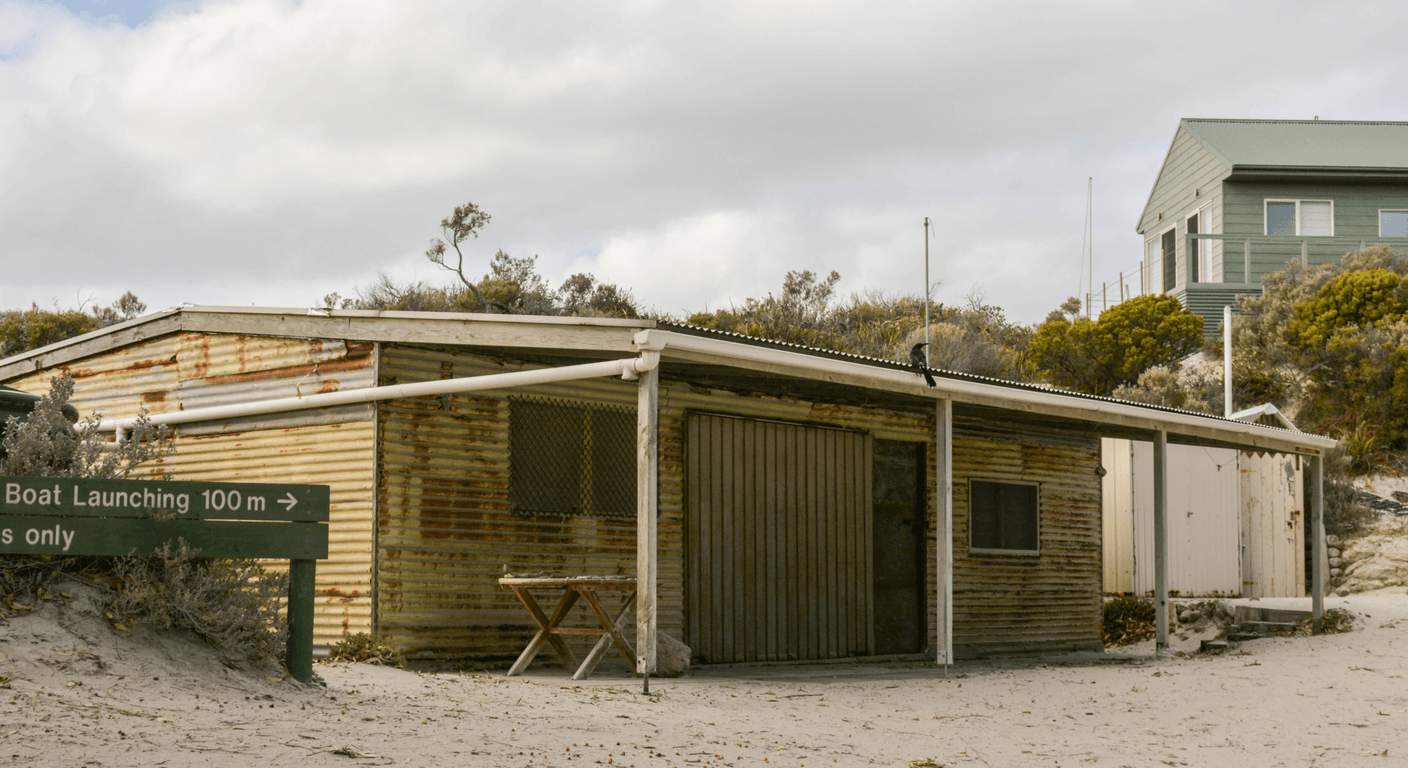
Inneston is the park's quiet surprise. A gypsum-mining settlement established in the 1900s and abandoned in the 1930s, it has been preserved rather than restored — buildings stand weathered but intact, labelled with interpretive signage that explains who lived where and how the operation functioned. You can walk the village at your own pace in around 45 minutes to an hour. Parks SA occasionally offers guided heritage tours; check the website for current schedules. The emus, meanwhile, are not confined to any particular spot. They appear where they please.
Walks, Wildlife and What to Realistically Expect
The park's terrain is low scrub, coastal heath and limestone — not rainforest, not mountain. Most signed walks are graded easy to moderate, and the distances are short. Pondalowie Bay has a beach walk and a clifftop track that offers good views with minimal elevation gain. Browns Beach and Gym Beach are popular with surfers but also lovely for a walk along the sand — the latter requires a short descent on a rough track, so assess footing before committing.
Wildlife is one of the park's genuine pleasures. Emus are common and largely unbothered by vehicles — slow down and wait, and they'll cross the road in their own time. Western grey kangaroos are active at dusk and dawn. Birdlife includes southern emu-wrens, honeyeaters, and raptors. The coastal waters attract Australian sea lions and the occasional bottlenose dolphin. None of this is guaranteed, of course, but the park's low visitor numbers mean encounters feel unscripted rather than staged.
Sun, wind and UV are the practical considerations the park doesn't advertise. The Yorke Peninsula's tip is exposed — even on mild autumn days, the wind off the Southern Ocean has teeth, and UV levels in South Australia are significant even in winter. A wide-brimmed hat, SPF 50+, and a windproof layer cover most scenarios. Comfortable, closed walking shoes are sufficient for all the main tracks; hiking boots are not required.
Planning Around Comfort and Pacing
Two nights at Marion Bay with two full days in the park is the sweet spot. Day one: arrive, settle in, drive to Cape Spencer for the late-afternoon light, then the Ethel wreck on the way back. Day two: Inneston in the morning when it's cooler, Pondalowie Bay in the afternoon, a swim or a long sit on the beach. The pace suits a group that wants to see things properly rather than tick boxes.
Meals deserve a thought. The Marion Bay Tavern handles dinner reliably, but self-catering in the cabin is genuinely pleasurable after a day outdoors. Yorketown has a small supermarket and a bakery — stock up there on the way through. Minlaton, slightly further north, has a broader range of shops if you want to make a morning of it. Fuel up whenever you can; petrol at Marion Bay is available but at country prices, and you don't want to run low inside the park.
Travel insurance is worth mentioning. Mobile coverage at the park's tip is limited — Telstra performs best in regional South Australia, but don't expect consistent signal. Let someone at home know your itinerary. The nearest hospital with full services is at Yorketown (basic) and more substantially at Kadina or Wallaroo further north. For any group travelling with managed health conditions, knowing the nearest medical facilities in advance is just sensible planning, not overcaution.
When to Go: Reading the Seasons at the Peninsula's Tip
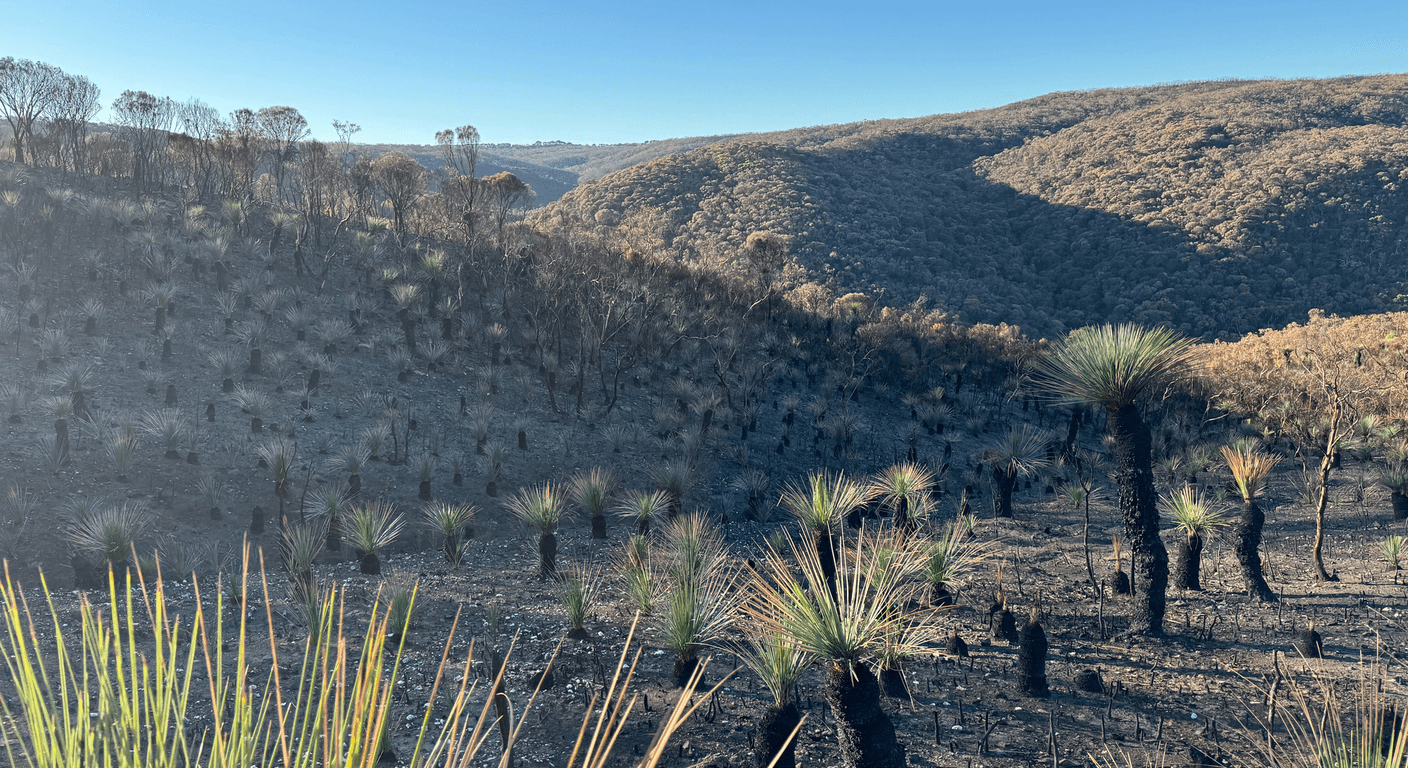
April through October is the comfortable window. Autumn brings mild days, clear skies and the first wildflowers in the coastal heath. Winter is cool — overnight temperatures can drop to single figures — but the park is at its most atmospheric, with dramatic skies and the ocean at full volume. Spring (September–October) is the wildflower peak, with the scrub producing carpets of colour across the heath. The emus are particularly active in late winter and spring.
Summer is technically possible but demanding. December through February brings extreme heat — days above 40°C are not unusual at the peninsula's tip — and fire risk elevates significantly. Park closures can occur at short notice in catastrophic fire weather. For travellers who find heat difficult or who have cardiovascular considerations, summer is worth avoiding. If a summer visit is unavoidable, start everything by 8am and be back at the cabin by midday.
South Australian school holidays (check the SA Department for Education website for current dates) bring the park's busiest periods. The campground at Pondalowie fills quickly. For a friends group preferring calm, the shoulder months — April–May and September–October — offer the best balance of pleasant weather and manageable visitor numbers.
Quick planning guide
| Ideal pace | Slow-paced, two full days on the ground |
|---|---|
| Best months | April to October, with April–May and September–October the shoulder-season sweet spot |
| Suggested stay | Two nights at Marion Bay |
| Mobility level | Easy – most walks are short, flat and close to car parks |
| Cost level | Budget-friendly – self-contained cabins, self-catering and a country pub |
| Comfort level | Comfortable and unpretentious rather than luxurious |
| Best for | Groups of friends wanting quiet wilderness without demanding fitness |
| Main planning consideration | Self-drive is essential (no public transport), with sun/wind exposure and campground or cabin bookings needing to be arranged ahead |
Key takeaways
- Innes National Park suits travellers over 50 well — most highlights are within easy walking distance of car parks, with no serious elevation gain required.
- The Ethel wreck, Cape Spencer lighthouse and Inneston heritage village together make a compelling two-day itinerary without repeating the same ground.
- Marion Bay, just outside the park gate, offers comfortable cabin accommodation — self-catering suits a friends group better than relying on limited local dining.
- April to October is the ideal window; summer heat at the peninsula's tip regularly exceeds 40°C and fire closures are possible.
- There is no public transport to Innes National Park — a hired or personal vehicle is essential, and the drive from Adelaide takes around three hours.
- Mobile coverage is limited inside the park; Telstra performs best in the region, but travellers should share their itinerary with someone at home before heading in.
Recommended partners and links
Indicative prices only — always confirm with the operator before booking.
Frequently asked questions
Do you need a 4WD to visit Innes National Park?
No. A standard sedan handles all of the park's main attractions — Cape Spencer, the Ethel wreck, Inneston and Pondalowie Bay — comfortably. Some internal tracks are gravel and can be corrugated after rain; check road conditions at parks.sa.gov.au before you travel. A 4WD is only useful if you plan to explore more remote beach access tracks.
Is there an entry fee for Innes National Park?
Yes, a national park entry fee applies. Fees are managed by South Australia's Department for Environment and Water. Confirm current rates at parks.sa.gov.au before your visit, as fees change periodically. A Parks Pass covering multiple South Australian parks may offer better value if you plan to visit other parks on the same trip.
What is the best time of year to visit Innes National Park for travellers over 50?
April to October is the recommended window. Autumn and spring offer mild temperatures, clear skies and good wildflower displays. Winter is cool but atmospheric, with dramatic coastal conditions. Summer (December–February) is best avoided — extreme heat and fire risk are genuine concerns at the peninsula's exposed southern tip.
How far is Marion Bay from Adelaide, and what is the best way to get there?
Marion Bay is approximately 230 kilometres from Adelaide, taking around three hours by car via the Yorke Peninsula Highway through Maitland, Minlaton and Yorketown. There is no public transport. Fly into Adelaide and hire a car from the airport, or drive from regional South Australia or interstate. Fuel up in Yorketown before the final stretch.
Is Innes National Park suitable for travellers with limited mobility?
Many of the park's key sites are accessible to travellers with limited mobility. Cape Spencer lighthouse, the Ethel wreck beach access, and Inneston village all involve short, relatively flat paths from car parks. Some tracks are gravel or uneven in sections. Parks SA provides accessibility information at parks.sa.gov.au — it's worth checking specific track notes before your visit.