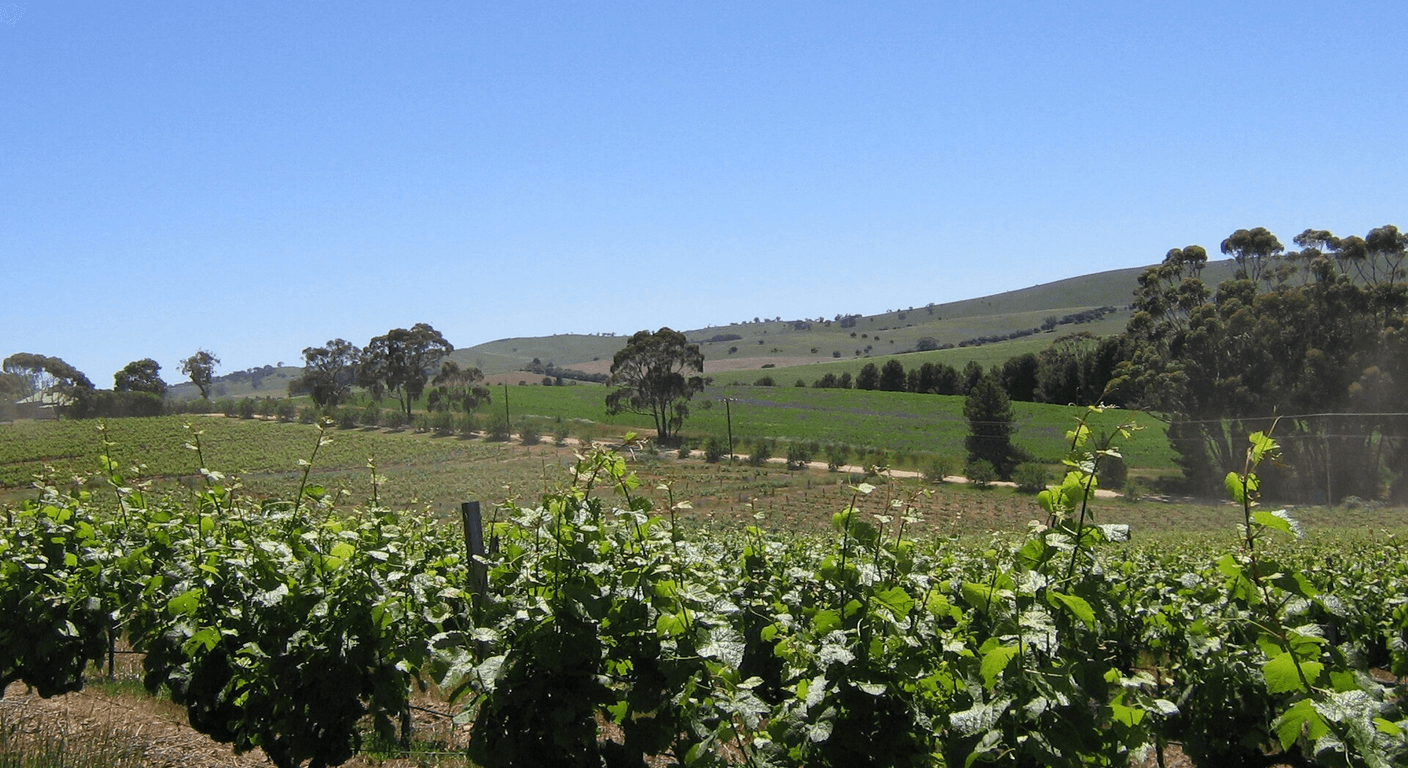
Langhorne Creek, about 70 kilometres south-east of Adelaide on the Fleurieu Peninsula, is best visited on a weekday during the shoulder season for the quietest cellar door experience. A half-day to full-day trip suits its handful of relaxed shiraz and cabernet producers, including Bleasdale, Bremerton and Lake Breeze. Mobility is easy, with mostly single-level tasting rooms, though there's no public transport — visitors need a car, a designated driver, or a guided day tour from Adelaide.
Why Langhorne Creek deserves a day of your time
There is a particular pleasure in arriving somewhere that has not been polished for tourism. Langhorne Creek, tucked between Lake Alexandrina and the Bremer River on the Fleurieu Peninsula, has that quality in abundance. The region sits roughly 70 kilometres south-east of Adelaide — an easy drive through the Hills and down onto the flat, river-red-gum country of the lake's western shore. It is not a place that shouts for attention, which is precisely why it rewards the traveller who seeks it out.
The region's reputation among wine professionals runs well ahead of its public profile. For decades, Langhorne Creek fruit has been quietly purchased by large producers across Australia who blend it into well-known labels without advertising the source. That is changing slowly, as the area's own cellar doors grow in confidence and visitor numbers tick upward. But for now, a solo traveller in his late sixties can still walk into a tasting room on a weekday and find himself the only person there, with a knowledgeable staff member who is genuinely pleased to talk through the vintages.
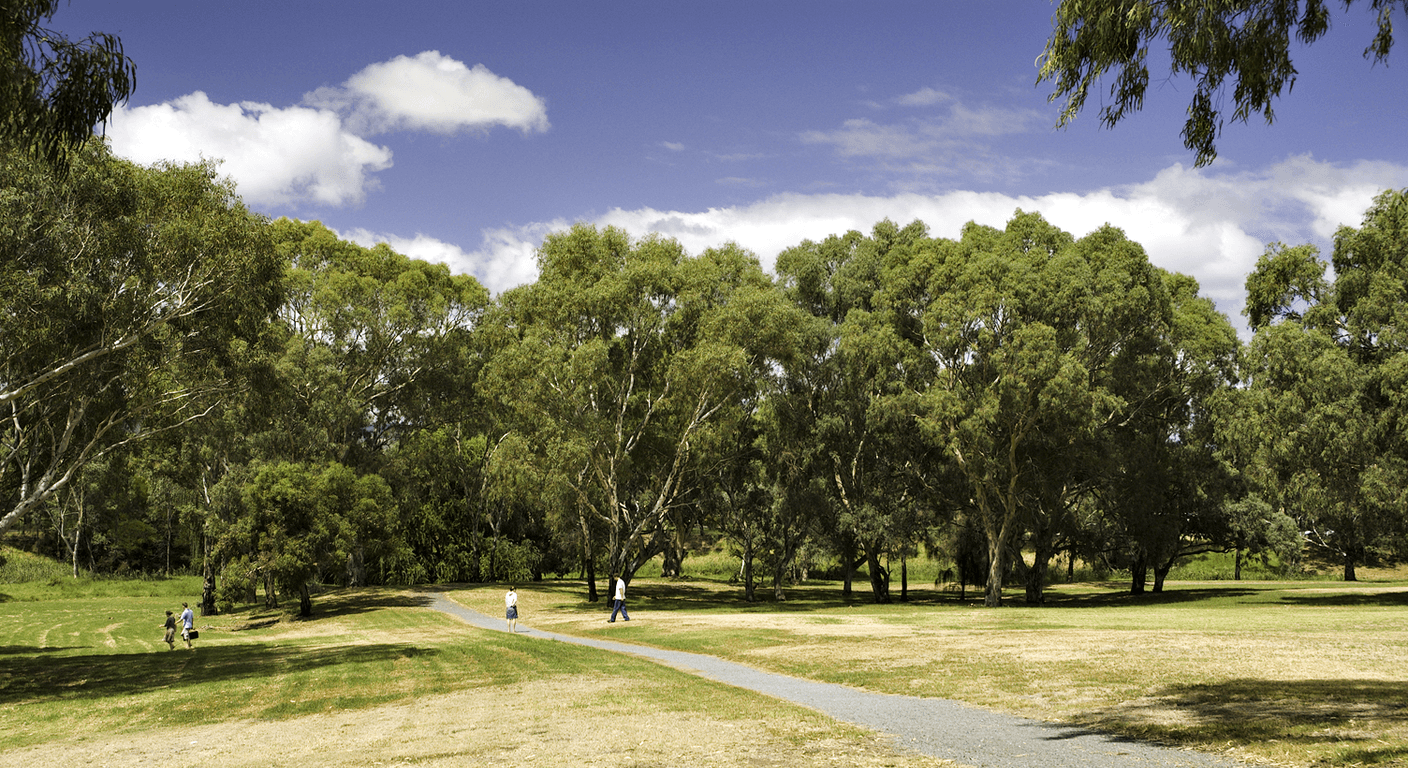
The landscape adds to the appeal. River red gums line the Bremer River flats, the light is flat and southern, and the cellar doors sit close enough together that moving between two or three in a day feels relaxed rather than rushed. This is not a region where you need to cover ground aggressively to feel you have done it justice.
What does Langhorne Creek grow, and what should you taste?
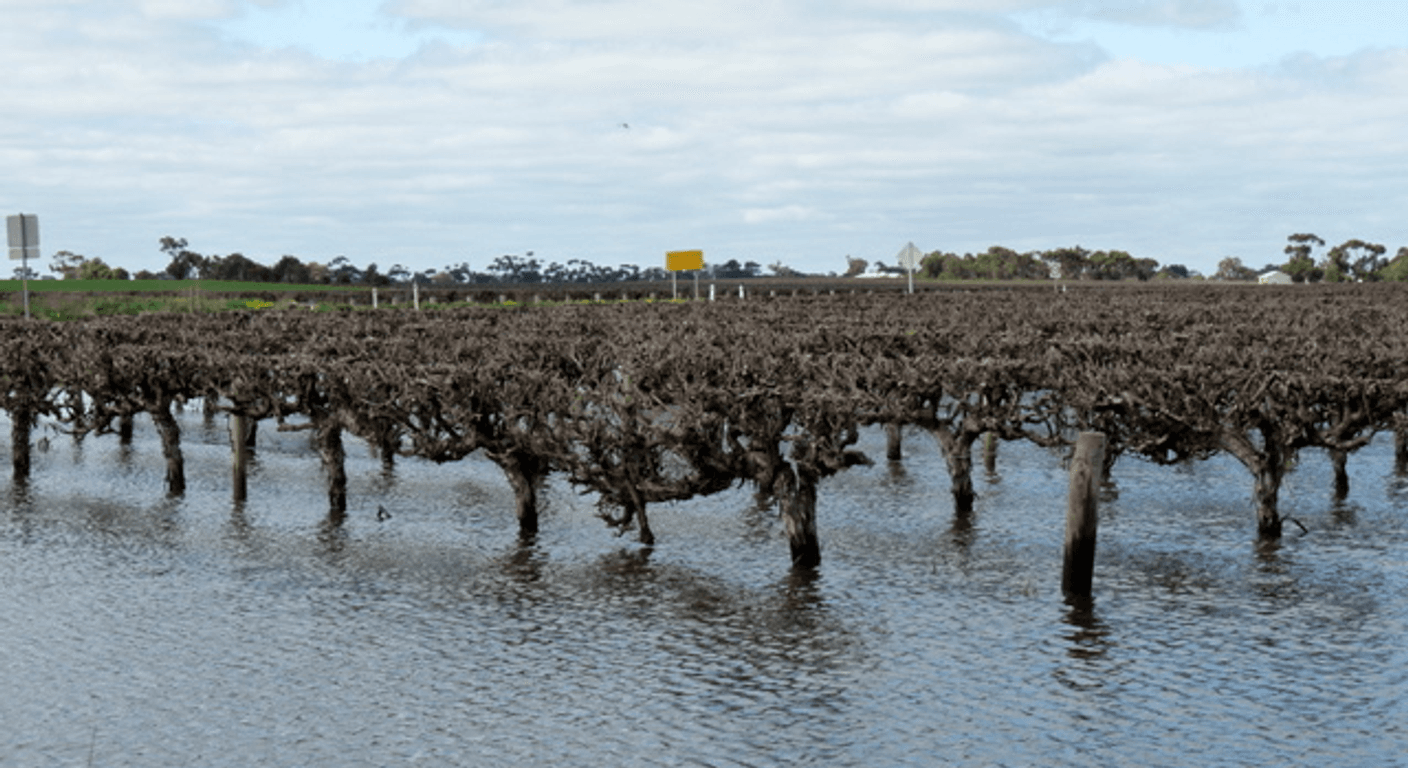
Shiraz and cabernet sauvignon are the region's twin strengths, and both benefit from the moderating influence of Lake Alexandrina and the Bremer River floodplain. Historically, vignerons flooded their vineyards from the Bremer in winter, storing moisture in the deep alluvial soils that sustains the vines through dry summers. This slow, even ripening produces fruit with good colour and structure — wines that tend toward richness without becoming heavy or overblown.
Malbec has also found a home here and is worth seeking out; a handful of producers are making single-varietal examples that show real character. Chardonnay and verdelho appear at some doors as well, offering a lighter option if you are pacing yourself through a long afternoon. When tasting, it is worth asking staff directly which wines are estate-grown rather than purchased fruit — the answer often leads to the most interesting bottles on the table.
Tasting fees across the region are generally modest. A rough indicative figure is $10 to $15 per person for a standard flight of wines, though this varies by producer and is frequently waived on purchase. Confirm the current fee when you arrive or call ahead, as pricing does change. Some producers include a small food element — local cheese, charcuterie — at a slightly higher indicative price of around $20 to $25; again, confirm directly.
Which cellar doors are worth stopping at?
Bleasdale Vineyards is the oldest and most established name in the region, with a history stretching back to 1850. The original wooden screw press used by the founding Potts family is still on site and worth a look. The tasting room is comfortable, the range is broad, and the staff are well-practised at explaining the estate's history to visitors who want context with their glass. It is a natural first stop and a good anchor for the day.
Bremerton Wines, run by sisters Rebecca and Lucy Willson, has a warm, welcoming atmosphere and a tasting room that suits a longer visit. The estate produces a strong line of shiraz and cabernet, and the staff are accustomed to solo visitors who want to take their time. Lake Breeze Wines is another well-regarded name, with a cellar door that looks out over the vineyards and a portfolio that regularly draws favourable attention from wine writers. Both are within a short drive of Bleasdale.
For those who prefer smaller, quieter operations, a few boutique producers operate by appointment or on limited days — it is worth checking the Langhorne Creek Wine Region website before travel to confirm current opening hours. Cellar door hours across the region are generally Friday to Monday or Thursday to Monday; midweek visits outside school holidays will be the quietest. Accessibility varies: most tasting rooms are single-level and manageable for those with moderate mobility, but it is sensible to call ahead if steps or uneven ground are a concern.
How do you get there from Adelaide without driving?
This is the practical reality of Langhorne Creek: you need a car or a tour. There is no direct public transport link to the cellar door precinct, and unlike McLaren Vale, the region has not yet developed a regular shuttle or wine bus service. For a solo traveller who is not comfortable driving an unfamiliar South Australian road after several tastings — a sensible position — the most straightforward solution is a guided day tour from Adelaide.
Several Fleurieu Peninsula tour operators include Langhorne Creek on their itineraries, either as a dedicated destination or combined with the nearby Currency Creek or Strathalbyn area. Temptation Tours is one established operator worth checking; verify current itineraries and pricing directly on their website, as tour inclusions change seasonally. A group tour also solves the navigation question and can add context from a knowledgeable guide, which suits a traveller who wants to learn rather than simply tick boxes.
If you are travelling with a companion who drives, or are comfortable hiring a car and designating a non-drinking driver for the day, the route from Adelaide via the Princes Highway through Strathalbyn is straightforward and well-signposted. The drive takes roughly 60 to 75 minutes from the CBD depending on traffic, and parking at cellar doors is universally free. Accommodation in the region is limited; most visitors treat it as a day trip from Adelaide, though the nearby town of Strathalbyn has some established bed-and-breakfast options if an overnight stay appeals.
What does a day in Langhorne Creek actually cost?
For a solo traveller watching his budget without being stingy about it, a day in Langhorne Creek is genuinely good value by wine-region standards. Two or three cellar door tastings at an indicative $10 to $15 each, a bottle purchased at one of them, and a simple lunch from a local producer or a packed lunch from Adelaide will come to a rough indicative total of $80 to $120 for the day, not including transport. These are indicative figures only; confirm current tasting fees and food prices directly with each venue.
If you join a guided tour, the indicative cost rises to perhaps $180 to $220 all-inclusive depending on the operator and inclusions — but transport, guiding, and sometimes a meal are folded into that figure, which can represent genuine value when weighed against the cost and inconvenience of hiring a car and navigating independently. Tour pricing should always be confirmed directly with the operator before booking.
Wine purchases are, of course, the variable that can shift the day's cost considerably. The good news is that cellar door prices for Langhorne Creek wines are generally more modest than equivalent-quality bottles from the Barossa or Yarra Valley. A well-regarded shiraz or cabernet from a respected estate might be priced at an indicative $25 to $40 at the cellar door; confirm current pricing on site. Many producers offer a small discount on a mixed dozen, which is worth asking about if you are travelling by car and have room in the boot.
Practical tips for a comfortable visit
Timing matters in a region this quiet. Weekends between October and April bring the bulk of visitors, and while 'busy' in Langhorne Creek is still modest by Barossa standards, a Thursday or Friday visit in the shoulder season offers the most unhurried experience. Midday is a natural pause; some smaller cellar doors close for lunch or keep reduced hours in the afternoon, so checking opening times before you leave Adelaide is time well spent.
Sun protection is essential on the flat, open Fleurieu landscape. A hat, sunscreen, and a light long-sleeved shirt are practical rather than optional, particularly if you are walking between any cellar doors or spending time outdoors. Water is easy to underestimate when you are focused on wine; drink it steadily through the day. Most tasting rooms will offer water alongside the wines if you ask.
Mobile phone reception in parts of the region can be patchy. Download offline maps before you leave Adelaide, and if you are relying on navigation, do so before you arrive in the more rural stretches. The region's main cellar door cluster is small and easy to navigate once you are there, but having a printed or saved map of the area removes any anxiety about dead spots.
Where does Langhorne Creek fit in a broader South Australia wine trip?
For a Victorian traveller flying into Adelaide for a week or ten days of wine-focused travel, Langhorne Creek fits naturally as a half-day or full-day addition to a Fleurieu itinerary that might also include McLaren Vale. The two regions are about 45 minutes apart by car and make a logical pairing: McLaren Vale for its broader range of cellar doors, food producers, and established visitor infrastructure; Langhorne Creek for the quieter, more personal experience that rounds out the picture of what the Fleurieu Peninsula can offer.
The nearby town of Strathalbyn, a well-preserved German-settled town with antique shops and a pleasant main street, makes a comfortable lunch stop between the two regions or a gentle finishing point for the afternoon. It is not a food destination in the way that some Barossa towns have become, but it is agreeable and unhurried — qualities that suit the pace of a day built around Langhorne Creek.
For those who want to extend further, the Murray Mouth and Goolwa are within reach of Langhorne Creek, and the Coorong National Park begins just beyond the lake. None of that is strictly wine travel, but it gives the day a sense of place and geography that a winery-only itinerary can sometimes lack. Langhorne Creek is, in the end, a region that rewards curiosity — about the wine, the landscape, and the quiet history of a place that has been growing exceptional fruit for well over a century without making too much noise about it.
Quick planning guide
| Ideal pace | Slow-paced and unhurried, two to three cellar doors a day |
|---|---|
| Best months | Weekdays in shoulder season; October-April weekends are busiest (though still quiet by wine-region standards) |
| Suggested stay | Half-day to full-day trip from Adelaide |
| Mobility level | Easy — most tasting rooms are single-level, though calling ahead is wise if steps or uneven ground are a concern |
| Cost level | Budget-friendly — around $80-120 for a self-driven day, or $180-220 for an all-inclusive guided tour |
| Comfort level | Relaxed and personal, with little crowding and time for proper conversation with staff |
| Best for | Solo travellers or couples wanting an unhurried, low-key wine day away from the Barossa or McLaren Vale crowds |
| Main planning consideration | No direct public transport to the cellar doors — plan for a car with a designated driver or a guided day tour from Adelaide |
Key takeaways
- Langhorne Creek is roughly 70 kilometres south-east of Adelaide and produces shiraz and cabernet of genuine quality with far less visitor traffic than the Barossa or McLaren Vale.
- Tasting fees are generally modest — an indicative $10 to $15 per person — though you should confirm current prices at each cellar door before visiting.
- There is no direct public transport to the cellar doors; a guided Fleurieu day tour from Adelaide or a designated driver are the practical options for solo travellers.
- Bleasdale Vineyards, Bremerton Wines, and Lake Breeze Wines are among the most established cellar doors, with accessible tasting rooms and staff who have time to talk.
- A full day including two or three tastings, a bottle, and lunch comes to a rough indicative total of $80 to $120, not counting transport — good value by wine-region standards.
- Weekday visits in the shoulder season offer the quietest, most personal experience; check opening hours before leaving Adelaide, as some smaller producers keep limited days.
Recommended partners and links
Indicative prices only — always confirm with the operator before booking.
Frequently asked questions
How far is Langhorne Creek from Adelaide?
Langhorne Creek is around 70 kilometres south-east of Adelaide on the Fleurieu Peninsula, a drive of roughly 60 to 75 minutes from the CBD via the Princes Highway through Strathalbyn, depending on traffic.
Can you get to Langhorne Creek without a car?
There is no direct public transport link to the Langhorne Creek cellar door precinct. Solo travellers who prefer not to drive should look at guided Fleurieu Peninsula day tours from Adelaide, such as those offered by Temptation Tours — confirm current itineraries and pricing directly with operators.
How much does wine tasting cost at Langhorne Creek cellar doors?
Tasting fees at Langhorne Creek cellar doors are generally modest, with an indicative range of around $10 to $15 per person for a standard flight of wines. Fees are often waived on purchase. Confirm the current fee directly with each winery before or on arrival, as pricing varies and changes over time.
Is Langhorne Creek suitable for older or solo travellers?
Langhorne Creek suits older and solo travellers well: cellar doors are unhurried, tasting rooms are generally single-level and manageable for those with moderate mobility, and the low visitor numbers mean staff have genuine time to talk. Call ahead if accessibility is a specific concern, as conditions vary by property.
What wines is Langhorne Creek best known for?
Langhorne Creek is best known for shiraz and cabernet sauvignon, both of which benefit from deep alluvial soils and the moderating influence of Lake Alexandrina and the Bremer River. Malbec is also worth seeking out, with several producers making notable single-varietal examples.