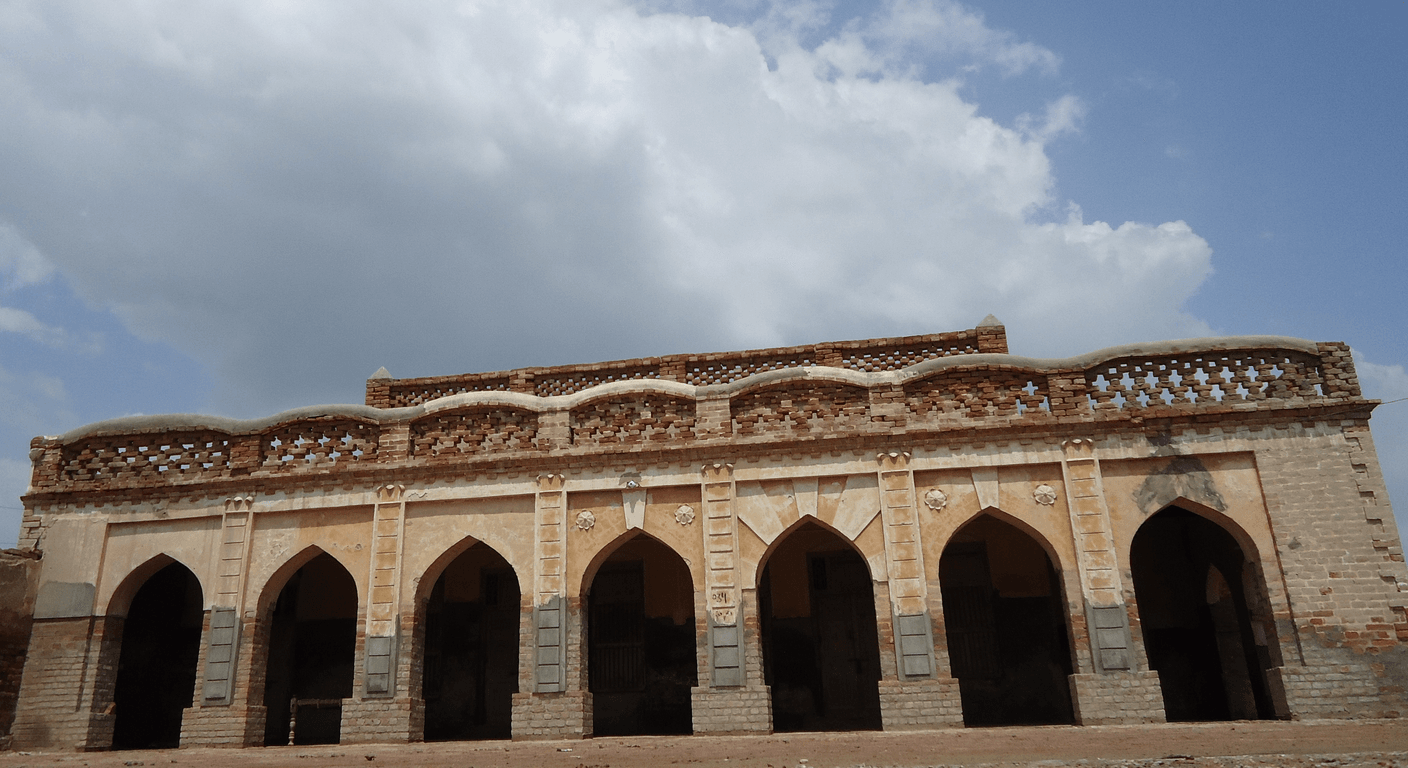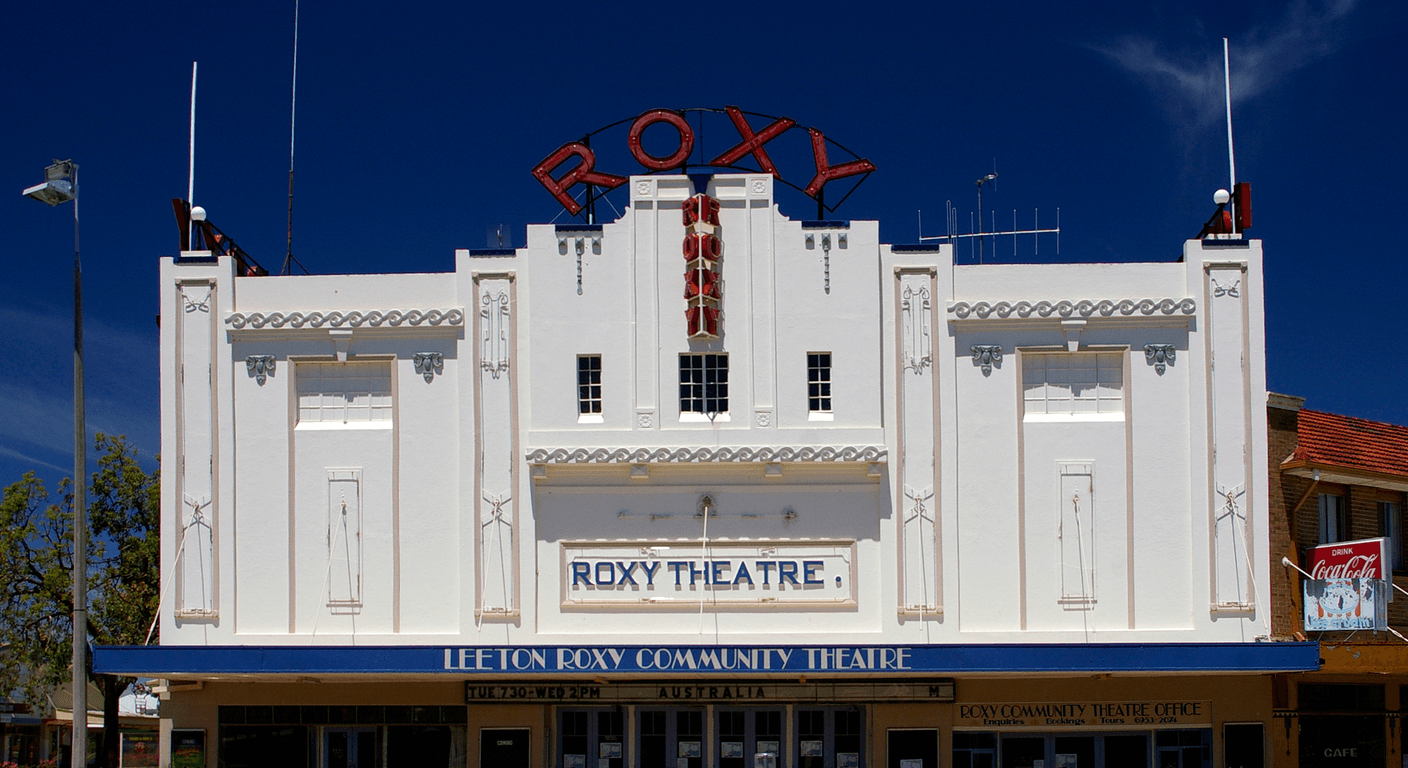
Leeton's heritage-listed Roxy Theatre, a two-level Art Deco cinema with a Spanish Mission facade and one of Australia's largest surviving roll-up screens, is undergoing an eleven-million-dollar restoration. Spring and autumn offer the most comfortable weather for this flat, walkable Riverina town. A two-night stay allows time for the theatre, heritage walk and wetlands. Mobility demands are easy, though reaching Leeton requires a roughly five-hour drive from Melbourne or Sydney, since no direct train serves the town.
Why Leeton, and Why Now
Leeton is not a town that announces itself loudly. It sits in the Riverina flatlands about 570 kilometres southwest of Sydney and roughly 580 kilometres north of Melbourne — a planned town, laid out by Walter Burley Griffin's office in the early twentieth century, with wide streets, generous verges and an unhurried pace that suits anyone who's done enough rushing for one lifetime. The rice paddies and citrus orchards around it explain the town's prosperity; the Roxy Theatre explains why people are talking about it again.
The Roxy opened in 1930 and immediately stood apart. Its Spanish Mission facade — cream render, terracotta parapet details, arched loggia — faces Chelmsford Place with the quiet confidence of a building that knew it was doing something special. Inside, two levels of original seating face a stage and screen of genuine scale. The roll-up cinema screen is among the largest surviving examples of its kind in Australia. For someone who grew up going to picture theatres before the age of the multiplex, walking into the Roxy auditorium is a particular kind of recognition.
The eleven-million-dollar restoration now underway is not cosmetic. It addresses structural, electrical and acoustic systems alongside the painstaking reinstatement of decorative plasterwork and original finishes. That means access has varied — some areas open, others not — and the program of events has shifted around the works. The honest advice is simple: check directly with the theatre before you travel. The Roxy's website and Leeton Shire Council's tourism pages carry current information.
The Architecture: What to Look For
The Roxy is listed on the NSW State Heritage Register, and the listing is well earned. The Spanish Mission style was a deliberate choice in 1930 — glamorous, cinematic, a little exotic in the Australian bush. The facade's moulded parapet, the arched entry loggia and the rendered detailing reward a slow look before you go inside. Stand on Chelmsford Place and give it a moment. The building is doing several things at once architecturally, and it does all of them with some conviction.
Inside, the Art Deco detailing takes over. Plasterwork friezes, decorative cornices and the geometry of the original fittings reflect the period's belief that going to the pictures deserved a proper setting. The two-level layout — stalls below, dress circle above — was standard for picture palaces of the era but is now rare in regional Australia. Many of these theatres were carved into smaller spaces or simply demolished; Leeton kept its intact. The dress circle gives a particularly good sense of the auditorium's original proportions.
The roll-up screen is the detail that stops people. Unlike the rigid screens of later cinemas, these early screens were canvas and could be raised to open the stage for live performance — a practical piece of theatre technology that also signals the Roxy's dual identity from the start. It screened films and hosted live acts, and the restoration intends to make both possible again. Confirm what's currently operational when you book; staged restoration means different spaces become available at different times.
Getting There From Victoria
From Melbourne, the most straightforward route is via the Hume Highway to Albury, then northwest on the Olympic Highway through Wagga Wagga, turning onto the Irrigation Way to Leeton — roughly five to five-and-a-half hours depending on stops. That's a long day's drive, and there's no good reason to rush it. Wagga Wagga makes a sensible overnight stop: it has decent accommodation, a good regional gallery and a riverside walk that does the legs no harm after hours in a car.
There is no direct train to Leeton. NSW TrainLink regional services run to Griffith, the nearest major town (about 30 kilometres north), but onward transport to Leeton requires a hire car or pre-arranged transfer — confirm current options with NSW TrainLink or Leeton Shire Council before relying on public transport. For a solo traveller who prefers not to drive the full distance, the train-to-Griffith-then-hire-car approach works reasonably well and keeps the final leg manageable.
Driving is the most flexible option and suits the pace of the Riverina well. The roads are flat, wide and largely uncrowded. Regional NSW's open speed limits apply on highways, so standard road rules and personal comfort with long driving days should guide planning. Fuel up in Wagga Wagga or Narrandera — don't rely on finding a servo open late in smaller stops.
Leeton's Town Centre: Flat, Walkable, Genuinely Pleasant
One of Leeton's practical virtues for a traveller who'd rather walk than shuttle is that the town centre is almost entirely flat. Griffin's grid plan gives it wide, tree-lined streets and a human scale that larger regional centres often lose. The Roxy sits on Chelmsford Place, steps from Pine Avenue — the main commercial street — and most of what you'd want in a day's gentle exploration is within comfortable walking distance.
The Art Deco theme doesn't begin and end at the Roxy. Leeton has a notable concentration of interwar architecture for a town of its size — the Hydro Motor Inn, the former Leeton Butter Factory and various civic buildings reflect the prosperity of the irrigation era. The Leeton Heritage Walk, documented by the local council, links the key sites and is well suited to someone who wants a framework without a guide. Pick up the map from the visitor information point or download it from the council's website.
Cafes and bakeries along Pine Avenue provide the necessary pauses. The region's agricultural abundance — citrus, stone fruit, rice, wine from the nearby Riverina wine country — shows up on local menus in ways that reward ordering something you wouldn't find in Melbourne. Leeton is not a foodie destination in any fashionable sense, but it feeds you well and honestly.
What to See Beyond the Roxy
The Leeton Museum, housed in a heritage building on Chelmsford Place, covers the town's irrigation history and the Griffin planning legacy with enough depth to occupy an hour without feeling like homework. The collection includes photographs and documents from the Roxy's early decades — useful context if the theatre's history is the reason you've made the trip.
The Fivebough and Tuckerbil Wetlands, a Ramsar-listed wetland system on the edge of town, offer flat walking tracks and serious birdwatching. The Riverina is on major flyways and the wetlands attract species that birders travel considerable distances to see. Early morning is the time to go. It's a ten-minute drive from the town centre, and the tracks are firm and even — accessible for most mobility levels, though confirm current track conditions with Leeton Shire Council.
For those extending the trip, Griffith — 30 kilometres north — has its own heritage theatre, the Pioneer Memorial Museum and a wine and food scene built around the Riverina's Italian immigrant community. The two towns together make a coherent two-or-three-day Riverina cultural itinerary, particularly for a solo traveller who values variety over rushing.
Practical Matters: Accommodation and Timing
Leeton's accommodation is modest but comfortable. The Hydro Motor Inn, a heritage-listed property on Chelmsford Place, is the obvious choice for someone who wants to stay close to the Roxy and appreciates a building with its own story. Motels along Pine Avenue and in the surrounding streets offer standard regional comfort at reasonable rates — indicatively around $100–$160 per night, though confirm current pricing directly. Griffith has a wider range of options if Leeton's supply is limited on your preferred dates.
Spring (September to November) and autumn (March to May) are the sensible times to visit. Summer in the Riverina is genuinely hot — inland NSW heat, not coastal heat — and while the town is flat and walkable, 38-degree days change the calculation. Winter is mild and clear, and has its own appeal if you don't mind cool evenings. The surrounding citrus orchards are at their most photogenic in winter; the wetlands are good year-round.
Because the restoration is ongoing, the Roxy's program is not fixed well in advance. Events — film screenings, live performances, community functions — are confirmed on shorter timelines than a major city venue. Sign up for the Roxy's newsletter or follow their social media channels for announcements, and build some flexibility into your travel dates if seeing a specific performance is the primary goal.
Making the Most of the Visit: A Solo Traveller's Rhythm
A solo trip to Leeton works best with two nights — enough time to see the Roxy properly, walk the heritage trail, visit the wetlands at dawn and eat at least one meal that isn't rushed. The town is safe, quiet and easy to navigate alone. Locals are genuinely engaged with the Roxy's story; strike up a conversation at the bakery or the museum and you'll likely learn something the guidebooks don't have.
The pace of the Riverina is a feature, not a bug. There's no pressure to fill every hour. Bring a book. Sit on a bench on Pine Avenue and watch the town go about its business. The Roxy, even mid-restoration, rewards unhurried attention — the kind of looking you can only do when you're not trying to get somewhere else.
Travel insurance is straightforward for a domestic trip, but worth reviewing if any pre-existing conditions apply to your policy's cancellation provisions — particularly given that the Roxy's program can change around restoration works. Confirm the theatre's current access arrangements as close to your travel date as practical, and keep your booking flexible where possible.
Quick planning guide
| Ideal pace | Slow-paced and unhurried |
|---|---|
| Best months | September–November (spring) and March–May (autumn) |
| Suggested stay | Two nights |
| Mobility level | Easy — flat town centre and firm, even wetland tracks |
| Cost level | Budget-friendly (motels indicatively $100–$160 per night) |
| Comfort level | Modest but comfortable regional standard |
| Best for | Solo travellers who enjoy architecture, heritage and an unhurried regional pace |
| Main planning consideration | Restoration is ongoing, so access and event programming change — confirm directly with the Roxy before travelling |
Key takeaways
- Leeton's Roxy Theatre, opened in 1930, contains one of Australia's largest surviving roll-up cinema screens and an intact two-level Art Deco auditorium.
- The building's eleven-million-dollar restoration is ongoing — confirm opening status and current program directly before travelling.
- Leeton's flat, Griffin-planned town centre makes it one of regional NSW's most walkable heritage destinations for travellers over 50.
- The Spanish Mission facade and Art Deco interior represent a rare and largely intact example of regional picture-palace architecture in Australia.
- Spring and autumn are the most comfortable seasons for visiting; summer heat in the Riverina is significant and worth planning around.
- From Victoria, Leeton is roughly five hours by road; there is no direct train, so a hire car is the most practical option for independent travel.
Recommended partners and links
Indicative prices only — always confirm with the operator before booking.
Frequently asked questions
Is the Roxy Theatre in Leeton currently open to visitors?
The Roxy is undergoing an eleven-million-dollar restoration, and access varies depending on the stage of works. Some spaces and events are available to the public during the restoration period, but hours and programming are not fixed. Confirm current opening status and any scheduled screenings or events directly with the theatre via roxyleeton.com.au before travelling.
How do you get to Leeton from Melbourne or Sydney?
From Melbourne, Leeton is roughly five to five-and-a-half hours by road via the Hume Highway and Wagga Wagga. From Sydney, the drive is approximately four to four-and-a-half hours via the Hume or Sturt highways. There is no direct train service to Leeton; NSW TrainLink runs to nearby Griffith (about 30 kilometres away), from where a hire car or pre-arranged transfer is needed. Confirm current regional transport options before booking.
What makes the Roxy Theatre architecturally significant?
The Roxy Theatre combines a Spanish Mission facade with an Art Deco interior and retains one of Australia's largest surviving roll-up canvas cinema screens. It opened in 1930 with two levels of original seating — stalls and dress circle — intact. The building is listed on the NSW State Heritage Register and represents a rare example of a regional picture palace that has not been subdivided or significantly altered.
Is Leeton suitable for a solo traveller with moderate mobility?
Leeton is well suited to solo travellers with moderate or good mobility. The town centre is flat, wide and walkable, with the Roxy, museum, cafes and heritage buildings all within easy reach of each other on foot. The Fivebough Wetlands walking tracks are firm and even. For anyone with limited mobility, confirm specific accessibility details at the Roxy directly, as restoration works may affect which areas of the building are accessible.
What else is worth seeing in Leeton beyond the Roxy Theatre?
The Leeton Heritage Walk links the town's interwar architecture, including Griffin-era civic buildings and the heritage streetscape of Pine Avenue. The Leeton Museum covers irrigation history and the town's early decades. The Fivebough and Tuckerbil Wetlands, a Ramsar-listed site on the edge of town, offer flat birdwatching tracks. Griffith, 30 kilometres north, adds a wine and food dimension and its own heritage theatre for those extending the trip.