Temora Aviation Museum, in rural New South Wales, is best visited during its scheduled flying showcase days in spring and autumn, when airworthy warbirds like a Spitfire, Wirraway and Vampire take to the skies. A day trip suffices, though an overnight stay suits flying weekends. The site is easy for older travellers, with flat hangars, a level apron and grandstand seating. There's no direct public transport, so visitors drive from Wagga Wagga, Canberra or Sydney, or fly into Wagga and hire a car.
Why Temora Is Unlike Any Other Aviation Museum in Australia
Most aviation museums are exercises in preservation — aircraft behind barriers, placards explaining what they once did. Temora does something different. The museum's engineers and volunteer restorers maintain their warbirds in genuine airworthy condition, and several times a year those aircraft actually fly. Not low-and-slow circuits for effect, but proper flying: rolls, passes, formation work. The Spitfire, arguably the most iconic fighter of the Second World War, is among them.
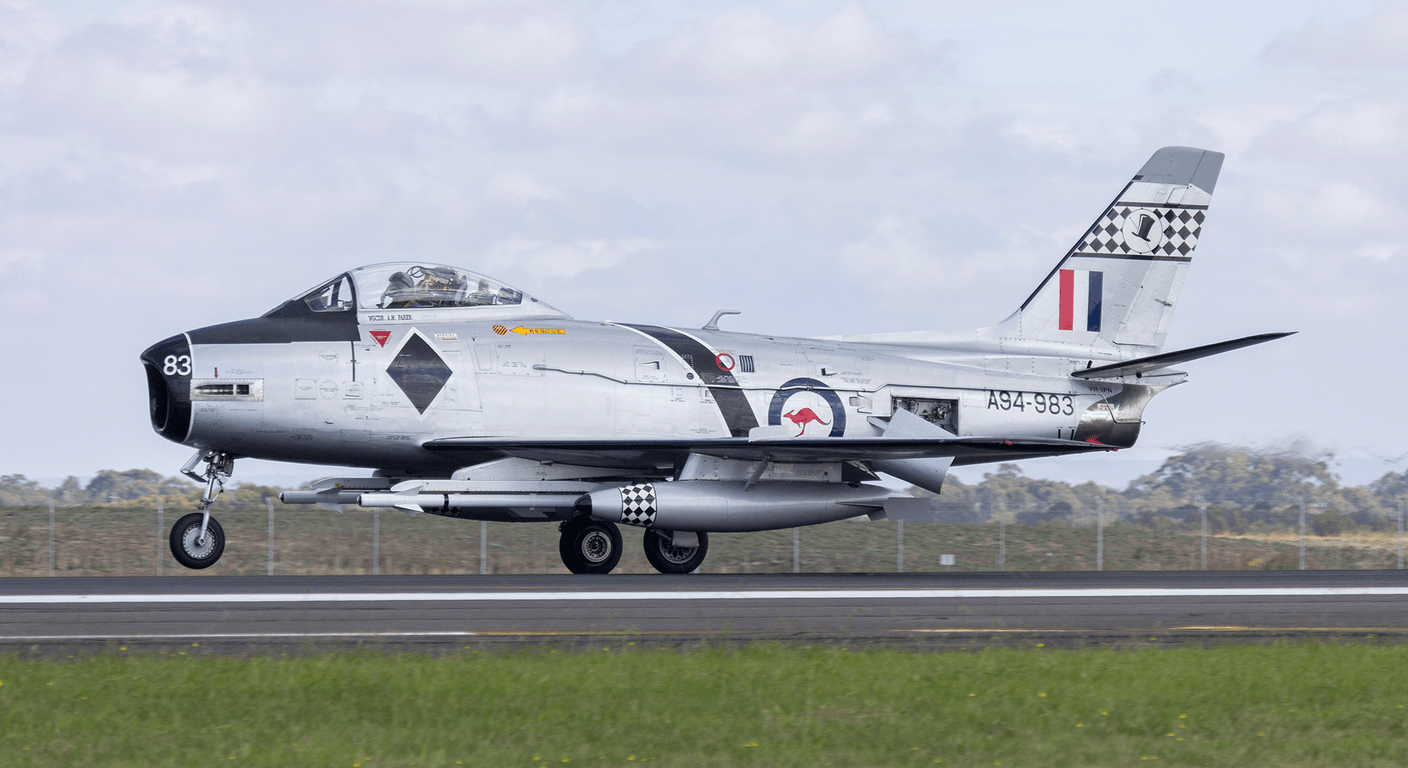
The collection spans both Allied and Japanese aircraft types, with a Mitsubishi Zero replica and a CAC Wirraway among the highlights alongside the Spitfire and a de Havilland Vampire jet. Each aircraft has a story that the museum tells with genuine care — maintenance logs, pilot histories, restoration photographs. On a non-flying day, that storytelling alone justifies the drive. On a flying day, the storytelling becomes prologue to something you won't forget in a hurry.
For travellers who grew up hearing about the war — or whose parents lived it — there's a particular resonance to standing on the tarmac at Temora and watching a Spitfire bank overhead. It's not nostalgia for its own sake. It's history made physical, and that's a rarer thing than most travel experiences manage.
What Happens on a Flying Showcase Day?
Temora's showcase flying days are ticketed events held several times a year — typically a handful of weekends spread across spring and autumn, when the Riverina weather cooperates. The programme usually includes multiple display flights across the day, with commentary explaining each aircraft's history and the manoeuvres being performed. Arrive early: the museum opens the hangars before flying begins, and that hangar time is worth having.
Seating for the flying displays is on a flat, open apron with a grandstand area. Bring a hat and sunscreen regardless of season — the Riverina sun doesn't negotiate. Folding chairs are often available, and the ground surface is level and accessible. For anyone who prefers not to stand for extended periods, the grandstand seating is the sensible choice and provides a clear sightline across the runway.
The atmosphere on a flying day sits somewhere between a country show and a serious aviation event — friendly, unhurried, and genuinely knowledgeable. Volunteers and staff are approachable and generous with detail. Lunch options are available on-site during events, though supplies can run short later in the day, so an earlier meal is the practical move. Confirm the specific programme and any pre-booking requirements directly with the museum before you travel, as event formats can vary.
Is It Worth Visiting on a Non-Flying Day?
Unequivocally, yes. The collection is substantial and presented with real intelligence. Aircraft are displayed in open hangars rather than sealed off, which means you can walk around them, look up into cockpits, and get a genuine sense of their scale. A Spitfire is smaller than most people expect. A Zero is sleeker. The Vampire, Australia's first jet aircraft type to enter service, has an almost sculptural quality up close.
The interpretive material is well-researched without being overwhelming. Display panels focus on individual aircraft histories and the pilots who flew them, which gives the collection a human dimension that pure technical exhibits often lack. For anyone with a family connection to the RAAF or the Pacific war, there's a good chance of finding something personally resonant.
Standard admission on a non-flying day is lower than showcase day pricing — confirm current rates on the museum's website, where concession and seniors pricing is also listed. The museum's gift shop carries a solid selection of aviation books and prints, useful if you're travelling with someone who'd like a memento beyond a photograph.
Getting to Temora: Driving from Wagga, Canberra and Sydney
Temora sits in the Riverina, roughly equidistant from several regional centres. From Wagga Wagga, it's around 75 kilometres north on the Olympic Highway — under an hour, a pleasant and flat drive through farmland. From Canberra, allow around two and a half hours via Yass and Young, or a similar time via the Hume Highway to Gundagai then north. From Sydney, the drive is around four to four and a half hours depending on the route taken through the Southern Tablelands or via the Hume.
There is no direct public transport to Temora from major cities. Wagga Wagga has regional air services from Sydney and Melbourne (check Rex Airlines and Qantas regional schedules), and hiring a car from Wagga for the day or overnight is straightforward. For travellers based in Victoria who prefer to drive, the route through Albury-Wodonga and up through the Riverina is well-maintained and suits a multi-night road trip.
The Olympic Highway through Temora itself is wide and easy to navigate. Parking at the museum is free and plentiful, with space for motorhomes and larger vehicles. Grey nomads travelling the Riverina circuit often include Temora as a dedicated stop — the town's caravan park is close to the museum, and a flying weekend gives the visit real purpose.
Staying in Temora: Accommodation for Flying Weekends
Temora is a working agricultural town of around four thousand people, and its accommodation options reflect that — comfortable, unpretentious, and limited in number. The town has a handful of motels, a pub with rooms, a caravan park, and some self-contained cottage options. For a flying showcase weekend, these book out quickly. The practical advice is simple: once you've confirmed a flying day date from the museum's website, check accommodation the same day.
If Temora is full — which it can be for the larger events — Cootamundra is around 40 kilometres north and has a broader range of options, including some well-regarded heritage accommodation. Young, another 30 kilometres beyond that, is worth considering too. Both are easy morning drives to the museum. Wagga Wagga, with its full range of hotels and serviced apartments, works as a base if you prefer a larger town and don't mind the return drive.
For couples who enjoy making a longer regional trip of it, the Riverina and Central West offer genuine variety — Cootamundra's heritage streetscapes, Young's cherry orchards (in season), and the National Trust-listed buildings in Grenfell are all within comfortable range. The Temora visit anchors the itinerary, and the surrounding country fills it out pleasantly.
Temora Town: What's Around the Museum?
The town of Temora has a certain unhurried quality that suits a day or two of gentle exploration. The main street is wide — genuinely wide, in the old country-town tradition — and the footpaths are flat and manageable. A few cafes serve reliable coffee and country-town portions. The Temora Rural Museum, a separate institution in town, covers the region's agricultural history and is worth an hour if the aviation museum has whetted an appetite for local heritage.
The town has a small but functional supermarket and a bakery that earns its reputation. For a proper sit-down meal, options are modest — check current opening hours before planning an evening dinner, as rural NSW hospitality can operate on its own schedule. The pub is the reliable fallback, and in Temora that's not a consolation — it's often the most convivial option in town.
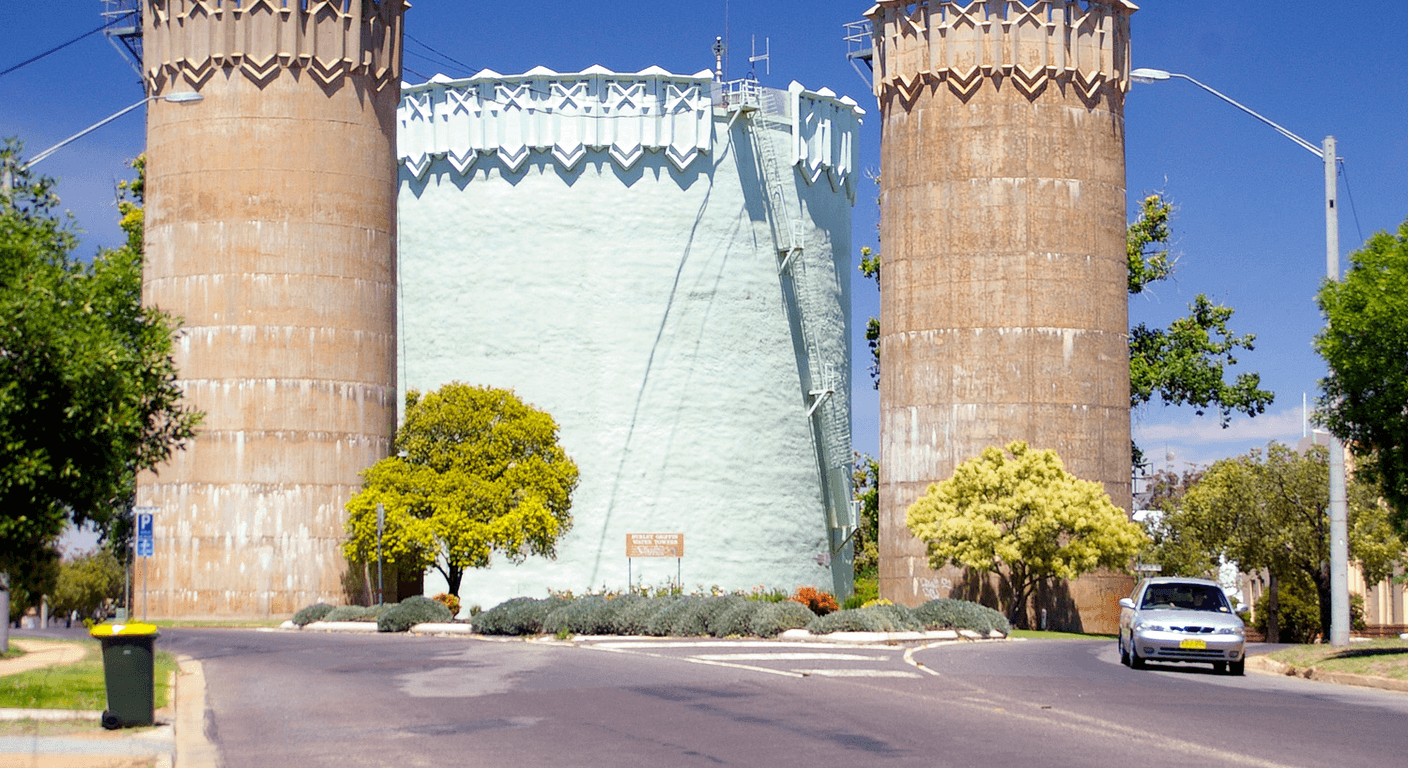
For travellers who enjoy the texture of small regional towns as much as their headline attractions, Temora has it. The grain silos, the flat horizon, the quiet between the aircraft displays — it's a particular kind of Australian experience that feels increasingly rare the closer you stay to the capital cities.
Practical Tips for an Accessible and Comfortable Visit
The museum site is well-suited to visitors who prefer level ground and manageable distances. The hangars open directly onto a flat concrete apron, and the distance from the car park to the main display area is short. Accessible amenities are available on-site — confirm specific facilities with the museum if you have particular requirements, as event-day facilities may differ from standard-day arrangements.
Sensible footwear is worth noting: the apron surface is solid, but outdoor areas can be uneven at the edges. On showcase days the site can get warm, particularly in spring. There's limited shade on the airside apron, so a broad-brimmed hat, sunscreen, and a water bottle are practical companions rather than optional extras. The museum's café or catering options on event days can have queues — arriving with snacks is not over-preparing.
Seniors concessions are available; confirm current rates and any required identification at aviationmuseum.com.au before you travel. Photography is generally welcomed — the flying displays offer some genuinely rewarding opportunities, though autofocus and a bit of patience are the honest prerequisites. If you're travelling as a couple, one person watching while the other photographs tends to work better than both trying to do both at once.
Quick planning guide
| Ideal pace | Slow and unhurried |
|---|---|
| Best months | Spring and autumn, timed to flying showcase days |
| Suggested stay | A day, or overnight for flying weekends |
| Mobility level | Easy - flat concrete apron, level hangars, grandstand seating |
| Cost level | Budget-friendly, with lower admission on non-flying days and seniors concessions |
| Comfort level | Comfortable, though sun protection is needed for outdoor viewing |
| Best for | History enthusiasts, RAAF and aviation buffs, grey nomads and couples on a regional road trip |
| Main planning consideration | No direct public transport - self-drive or fly to Wagga and hire a car, and book accommodation immediately once a flying date is confirmed |
Key takeaways
- Temora Aviation Museum operates airworthy warbirds including a Spitfire, with scheduled flying showcase days several times a year — confirm dates at aviationmuseum.com.au before planning travel.
- The museum is genuinely accessible for older travellers: level hangar floors, flat site, grandstand seating for flying displays, and free parking with space for motorhomes.
- Non-flying-day visits remain worthwhile — the collection is substantial, open-access, and interpreted with real intelligence.
- Temora is under an hour from Wagga Wagga, around 2.5 hours from Canberra, and roughly 4.5 hours from Sydney — no direct public transport, so a hire car or self-drive is the practical approach.
- Accommodation in Temora books out fast for flying weekends; confirm your event date first, then secure a room the same day or consider Cootamundra or Wagga Wagga as a base.
- Seniors concessions apply to entry; verify current pricing and concession details directly with the museum before you book.
Recommended partners and links
Indicative prices only — always confirm with the operator before booking.
Frequently asked questions
How often do the aircraft actually fly at Temora Aviation Museum?
Temora Aviation Museum holds scheduled flying showcase days several times a year, typically across spring and autumn. The exact dates vary by year — check the current schedule at aviationmuseum.com.au and confirm before making travel arrangements, as dates are not fixed annually.
Is Temora Aviation Museum suitable for visitors with mobility limitations?
Yes. The museum is among the more accessible aviation attractions in regional Australia. Hangar floors are level concrete, the distance from parking to the main display areas is short, and grandstand seating is available for flying displays. Accessible amenities are on-site — contact the museum directly to confirm specific facilities for your visit.
Do I need to book tickets in advance for a flying day?
Pre-booking for flying showcase days is strongly recommended, as events can attract significant crowds and Temora's accommodation is limited. Check the museum's website for ticketing arrangements — some events require advance purchase. Standard non-flying-day visits may not require pre-booking, but confirming with the museum first is sensible.
What is the best base for visiting Temora Aviation Museum?
Temora itself has motels, a caravan park, and self-contained accommodation — ideal for a flying weekend if booked early. If Temora is full, Cootamundra (around 40 km north) or Wagga Wagga (around 75 km south) offer broader options. Wagga Wagga also has regional air connections from Sydney and Melbourne for those not driving the full distance.
Is the museum worth visiting if no flying display is scheduled on my travel dates?
Yes. The collection of airworthy warbirds — including a Spitfire, Wirraway, de Havilland Vampire, and others — is displayed in open-access hangars with detailed interpretive material covering individual aircraft histories and the pilots who flew them. Allow two to three hours for a thorough non-flying-day visit.