Lightning Ridge's new Australian Opal Centre, a partially underground national museum, is best visited April to September, avoiding extreme summer heat. Allow two to three nights to explore the underground galleries, fossick at Sheepyard Flat, and join a guided mine tour. Mobility is moderate — ramps inside the museum, but unsealed roads nearby. There are no flights; reaching Lightning Ridge means a full day's drive or coach from Sydney, so confirm the centre's opening status before booking.
What is the Australian Opal Centre?
The Australian Opal Centre is a purpose-built national museum at Lightning Ridge in north-western New South Wales, conceived to tell the full story of Australian opal — its geology, its cultural significance to Aboriginal communities, the history of the mining fields, and its place in international art and jewellery. It is not a tourist shop with a few display cases. The ambition is genuinely museological: collections, conservation, research and education, alongside public experience.
The building itself is part of the story. Designed to be partially sunk into the earth, the structure uses passive cooling — the same principle that has kept Lightning Ridge miners sane in summer for over a century. Underground temperatures remain relatively stable even when the surface bakes above 40°C. The architecture is a direct response to the landscape, which is exactly as it should be.
A word of honest caution: the centre has been developed in stages over a number of years, and construction has experienced delays common to ambitious regional cultural projects. Before you plan travel around a visit, check the Australian Opal Centre's official website or contact them directly to confirm which galleries and programs are currently open. This is a destination worth the effort — just verify the current state of play first.
Getting to Lightning Ridge: the honest picture
Lightning Ridge sits roughly 770 kilometres north-west of Sydney, and there are no commercial flights. The realistic options are driving — a full day's journey via Dubbo or Narrabri — or taking the NSW TrainLink coach service from Sydney Central. The coach takes the better part of a day and involves at least one change; confirm current timetables on the Transport for NSW website before booking, as services to remote regional centres can change.
For travellers based in Victoria, the most practical approach is usually to fly or take the train to Sydney, spend a night, then continue by coach or hire car. It's not a quick trip, and that's part of its appeal. Lightning Ridge rewards the traveller who has decided to go properly, not the one squeezing it into a weekend. Two nights at minimum; three is better.
Hiring a car from Dubbo or Narrabri gives the most flexibility for exploring the surrounding opal fields, fossicking reserves and mine tours — many of which are a few kilometres outside town on unsealed roads. A standard sedan handles them fine in dry conditions. If you're not confident driving on dirt, stick to the guided tours that depart from town.
When should you visit Lightning Ridge?
April through September is the sensible window. Autumn and winter days are clear and warm — often 18°C to 25°C — with cool nights that make the stars extraordinary. Spring can bring wildflowers across the plains if there has been decent rain.
Summer is another matter entirely. December to February temperatures regularly exceed 40°C, occasionally 45°C. The underground design of the Opal Centre means the museum itself remains cool, but getting there, walking between sites and any outdoor fossicking become genuinely uncomfortable and potentially risky for anyone not acclimatised. The locals are hardy; visiting Australians often underestimate the heat. July is peak season — book accommodation early.
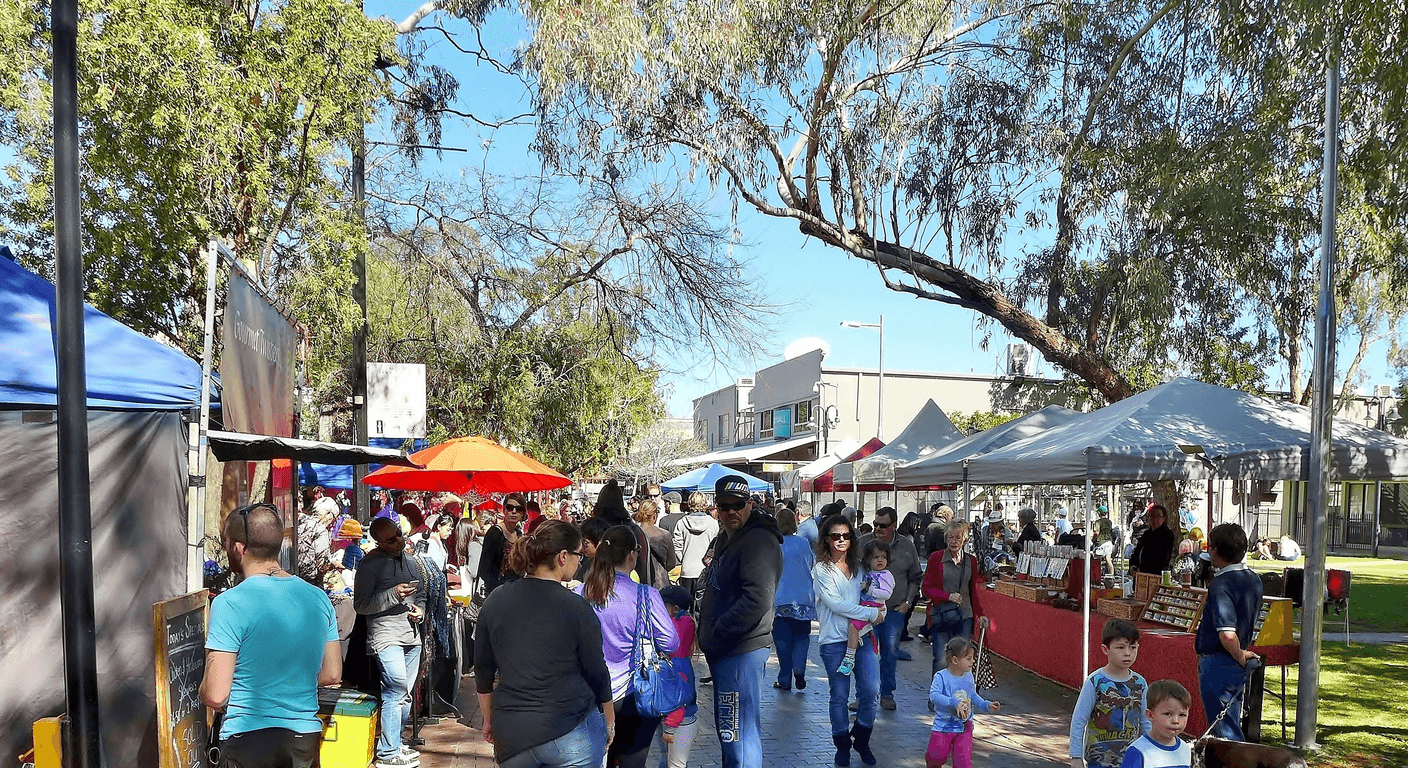
The annual Lightning Ridge Opal & Gem Festival, typically held in late winter or spring, brings additional programming, markets and events. Confirm current dates through the Lightning Ridge Tourism website, as schedules shift year to year.
Inside the museum: what to expect
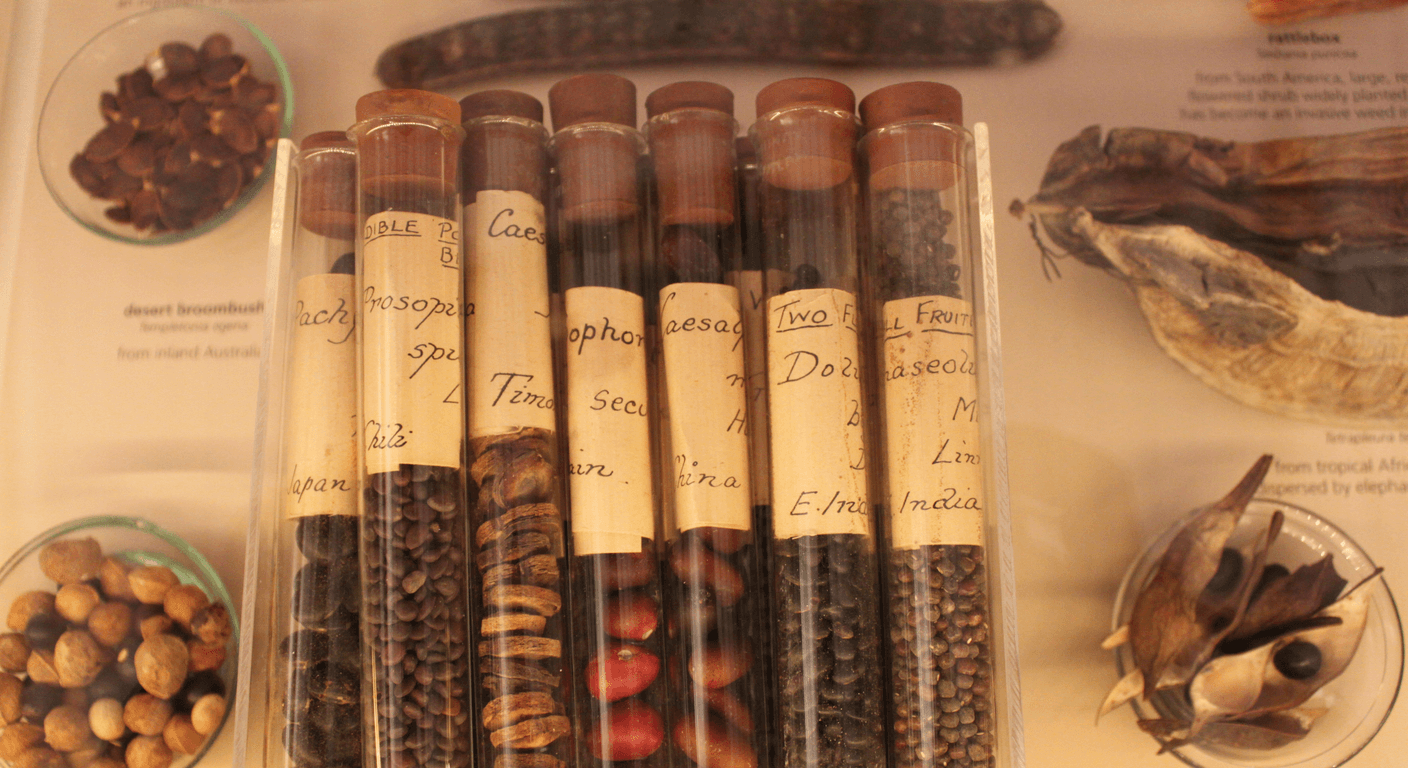
The collections at the Australian Opal Centre include significant scientific specimens, rough and polished opals, historical mining equipment and works by artists who have used opal or been inspired by the fields. The centre has an explicit commitment to the stories of Aboriginal communities for whom this country carries deep cultural meaning — the Yuwaalaraay and Yuwaalayaay peoples are the traditional custodians of the Lightning Ridge area.
The underground galleries are the architectural centrepiece. Descending into them, the temperature drops noticeably and the ambient noise of the surface world recedes. For anyone who has visited the opal shops and mines of Lightning Ridge before, the museum context reframes what you thought you already understood about how these stones form — the silica spheres, the play of light, the millions of years compressed into a piece of jewellery you can hold in your palm.
Accessibility within the museum should be confirmed directly. Ramps and even surfaces are part of the design intent, but as with any building still in staged development, the practical reality of specific areas may vary. Ring ahead if you have particular mobility requirements — the staff are known for being genuinely helpful.
Fossicking and mine tours nearby
Lightning Ridge has a designated public fossicking area at Sheepyard Flat, where visitors can try their luck with a pick and bucket. A NSW Fossicking Licence is required — these are inexpensive and available online through the NSW Department of Primary Industries. Confirm current licensing requirements and site access before you go, as conditions and regulations are subject to change.
Guided mine tours offer the better experience for most visitors. Several local operators take small groups underground into working or historic opal mines, explaining the seams, the tools and the particular geology of the Ridge. It's one thing to see a polished stone in a case; it's another to crouch in a tunnel and have a miner point to the exact clay layer where black opal forms. These tours are not strenuous — most involve a short descent and standing in a cool, lit space — but confirm the physical requirements with the operator if you have any concerns.
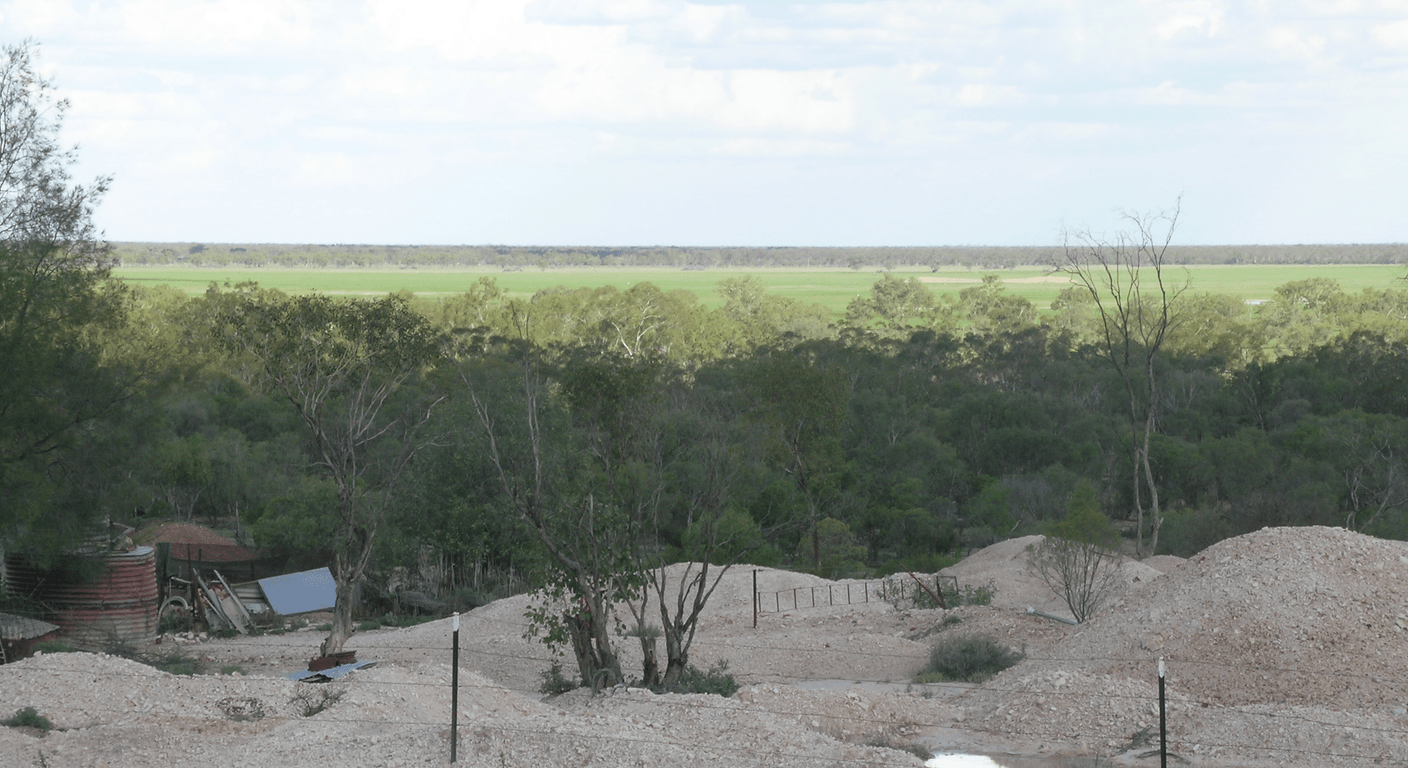
The Four-Mile Opal Field, a short drive from town, is the historic heart of Lightning Ridge mining. You can walk or drive through it and observe active mining operations from designated areas. It has an eerie, industrious beauty — the mullock heaps and equipment spread across red earth under a vast sky. Nothing quite prepares you for the scale of it.
Staying in Lightning Ridge: practical notes
Accommodation options are limited and range from the Wallangulla Motel and Lightning Ridge Outback Resort to caravan parks and a handful of self-contained cottages. The town is not large. Book well ahead for the cooler months, particularly if travelling around school holidays or the gem festival. Indicative motel rates run around $120–$180 per night; confirm current availability and pricing directly.
The town has a supermarket, bakery, cafes and a pub. Dining options are modest — this is outback NSW, not a food destination — but the community has a genuine warmth and character that more polished tourist towns often lack. The artesian bore baths on Morilla Street are a local institution: naturally heated mineral water in an open-air pool, free to use, and genuinely restorative after a day walking the fields. They're open around the clock.
For a solo female traveller, Lightning Ridge feels safe and welcoming. The mining community is accustomed to visitors from all backgrounds, and the town has a long tradition of independent, eccentric residents who tend to take people as they find them. The Italian-Australian community has deep roots in the opal fields — many of the great Lightning Ridge mining families arrived from southern Italy in the mid-twentieth century. For anyone with that heritage, there's an additional layer of connection here that goes beyond the stones.
Practical travel tips for the over-50 visitor
Hydration is not optional in this climate, even in the cooler months. Carry a water bottle everywhere. Sun protection — hat, sunscreen, long sleeves — is equally non-negotiable. The UV index at Lightning Ridge regularly reaches extreme levels. None of this should deter you; it just requires the same sensible preparation you'd apply to any Australian outdoor destination.
Travel insurance is worth reviewing carefully before a trip this remote. The nearest major hospital is in Dubbo, roughly three hours by road. If you have pre-existing conditions, ensure your policy covers emergency evacuation — and check that your insurer is aware of the destination. Comprehensive cover is a straightforward precaution, not a reason to hesitate.
A two-night itinerary works well: arrive in the afternoon, settle in and visit the bore baths. Day two for the Opal Centre and a morning fossicking or on a mine tour. Day three for the Four-Mile and any opal shopping before the return journey. Three nights allows a more relaxed pace and time to simply sit with the landscape, which repays attention.
Quick planning guide
| Ideal pace | Slow-paced, at least two nights |
|---|---|
| Best months | April to September (mild, clear days) |
| Suggested stay | Two to three nights |
| Mobility level | Moderate — ramps inside the museum, but unsealed roads and outdoor fossicking nearby |
| Cost level | Budget-friendly (motels around $120–$180/night) |
| Comfort level | Modest but genuine, with limited dining options |
| Best for | Opal enthusiasts, geology and culture travellers, solo travellers |
| Main planning consideration | No commercial flights and staged museum construction — confirm opening status and transport timetables before travelling |
Key takeaways
- The Australian Opal Centre is a serious national museum — confirm its current opening status and hours directly before booking travel, as the project has experienced staged construction delays.
- The partially underground building uses passive cooling to stay comfortable even when Lightning Ridge surface temperatures exceed 40°C.
- April to September is the practical travel window; summer heat at Lightning Ridge is not to be underestimated.
- There are no commercial flights to Lightning Ridge — allow a full travel day from Sydney by coach, or hire a car from Dubbo.
- A NSW Fossicking Licence is required to try your luck at Sheepyard Flat; guided mine tours offer the richer underground experience for most visitors.
- The Italian-Australian community has shaped Lightning Ridge's opal history since the mid-twentieth century — the town carries that heritage in its character and family names.
Recommended partners and links
Indicative prices only — always confirm with the operator before booking.
Frequently asked questions
Is the Australian Opal Centre open to the public?
The Australian Opal Centre has been operating in stages as construction continues. Public access and opening hours have varied during this period. Always check the centre's official website at australianopalcentre.com or contact them directly before planning your trip, as hours and available galleries are subject to change.
How do you get to Lightning Ridge from Sydney or Melbourne?
There are no commercial flights to Lightning Ridge. From Sydney, the most practical option is a NSW TrainLink coach service, which takes the better part of a day and may involve a change at Dubbo or Narrabri — confirm current timetables at transportnsw.info. Driving from Sydney takes roughly eight to nine hours. From Melbourne, most travellers fly or train to Sydney first, then continue by coach or hire car.
Is Lightning Ridge suitable for travellers with limited mobility?
The Australian Opal Centre has been designed with accessibility in mind, including ramps rather than stairs in key areas. However, as the building is in staged development, the accessibility of specific sections can vary. Contact the centre directly before visiting to confirm what is currently accessible. The town itself is flat and easy to navigate by car.
Do you need a licence to go fossicking at Lightning Ridge?
Yes. A NSW Fossicking Licence is required to fossick at Sheepyard Flat and other designated areas. Licences are available through the NSW Department of Primary Industries and are inexpensive. Confirm current licensing requirements and any site access conditions before your visit, as regulations can change.
What is the best time of year to visit Lightning Ridge?
April through September offers the most comfortable conditions, with warm days typically between 18°C and 25°C and cool, clear nights. Summer months (December to February) regularly see temperatures above 40°C, which makes outdoor activities difficult and potentially hazardous. July is peak visitor season, so book accommodation early.