The Zig Zag Railway at Lithgow runs heritage steam trains on the original 1860s switchback grade, past sandstone viaducts to the remote Clarence station. Spring and autumn are best, and a day trip suffices, easily paired with Lithgow's Small Arms Factory Museum. The seated carriage ride is fully accessible, with assisted boarding and no walking required. Sydney to Lithgow takes about two hours twenty by train, though services run only on selected weekends and holidays.
Why the Zig Zag Still Matters
In the 1860s, the New South Wales government faced a genuine problem: a railway had been built to the edge of the Blue Mountains escarpment, and there was no obvious way down. The solution — a series of ascending and descending zigzag switchbacks, with trains reversing direction at each 'leg' — was not a compromise. It was an act of engineering audacity, and it worked for three decades before a tunnel system replaced it in 1910.
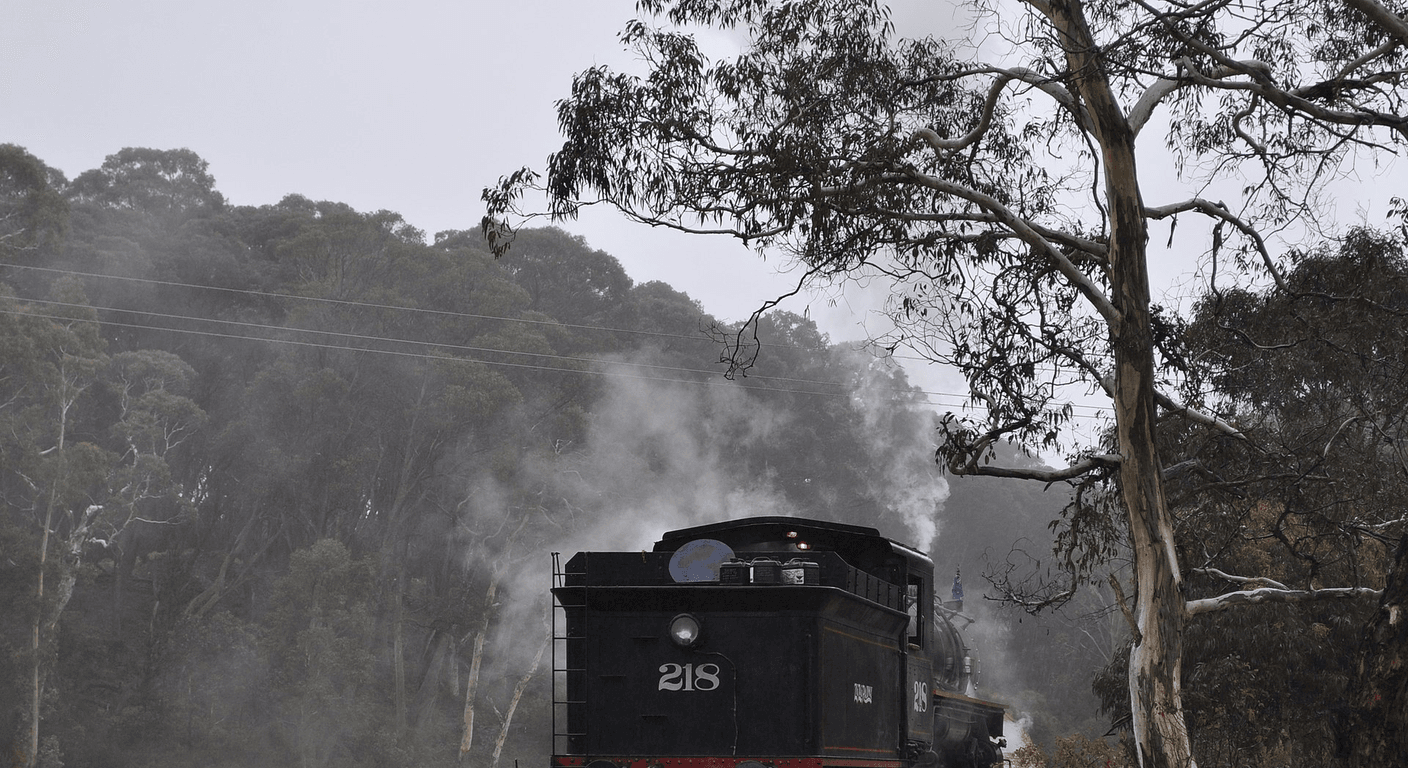
What remains is the original infrastructure, largely intact: sandstone viaducts, stone-lined cuttings, and a bottom station at Clarence that feels genuinely remote despite sitting barely two and a half hours from Sydney. The railway is not a theme-park recreation. It is the actual thing, running actual steam locomotives on the actual grade. That distinction matters, and you feel it the moment the engine begins to work.
After the Black Summer fires of 2019–20 caused significant damage to the line and surrounding bushland, the volunteer-run railway undertook years of painstaking restoration. The fact that services are running again is not a small achievement. It's a quiet triumph of the kind Australia does well and rarely celebrates enough.
Getting There: Sydney, the Mountains, or Both
From Sydney's Central Station, the NSW TrainLink service to Lithgow takes roughly two hours and twenty minutes, passing through Parramatta, Penrith and across the full breadth of the Blue Mountains — which is itself a reasonable journey. Lithgow station is a short taxi or rideshare from the Zig Zag's Bottom Points station at Clarence; confirm current shuttle arrangements with the railway when you book, as these can vary by service day.
Driving from Sydney takes around two hours via the Great Western Highway, with parking available near the station. From Melbourne, the trip is best done as part of a broader Blue Mountains stay rather than a single long drive — Lithgow sits on the western side of the mountains, so a two-night base in Katoomba or Blackheath with a day across to Lithgow makes excellent sense. The drive from Katoomba to Lithgow through the Hartley Valley is particularly fine in autumn.
One practical note for those travelling from Victoria: flying into Sydney, spending a night in the city or the lower mountains, then making your way to Lithgow gives a far more enjoyable day than rushing straight off a plane. The Zig Zag rewards a relaxed approach, and you'll want energy to walk around the Small Arms Factory Museum in the afternoon.
What Happens on the Ride
Services typically depart from the Bottom Points station at Clarence, with the locomotive hauling carriages up the zigzag grade in a series of reverses before returning. The journey is not long in distance — that's rather the point. The grade is steep, the engine works hard, and the sandstone viaducts pass close enough that you can see the individual dressed stone. It's the kind of ride where conversation tends to pause naturally.
The carriages are heritage vehicles: wooden interiors, bench or individual seating depending on the rolling stock in use that day. Bring a layer. Even in October, the air at Clarence — which sits at around 870 metres — carries a genuine chill once the engine stops and the mountain quiet settles in. A scarf is not excessive. Neither is a thermos.
For travellers with limited mobility, this is about as accessible as heritage rail gets. Boarding is assisted and the entire experience is seated. There's no bushwalking component, no scrambling required. The viaducts are viewed from the carriage window, which means the visual reward is available to everyone on the train equally. That's worth saying plainly.
Book Ahead — Services Run on Limited Days
The Zig Zag Railway operates on selected weekends and public holidays, not daily. This is a volunteer-operated heritage railway, not a commercial tourist operation, and its schedule reflects that reality with honesty. The timetable and available dates change seasonally — check the official website at zigzagrailway.com.au well before you plan to travel, and book your tickets directly through the railway.
Concession pricing is generally available for seniors, but the specifics — what ID is accepted, whether interstate concession cards qualify — are worth confirming when you book. Group bookings for special charters are also sometimes possible and worth enquiring about if you're travelling with a club or tour group.
Spring (September to November) and autumn (March to May) are the preferred seasons for this journey. Summer brings heat that can make the carriages uncomfortable and occasionally creates fire risk conditions that affect operations. Winter services do run and have their own austere appeal, but the cold at Clarence in July is not mild. Spring, with the mountain wattles still lingering and the light long in the afternoon, is the gentlest choice.
The Small Arms Factory Museum: An Afternoon Worth Having
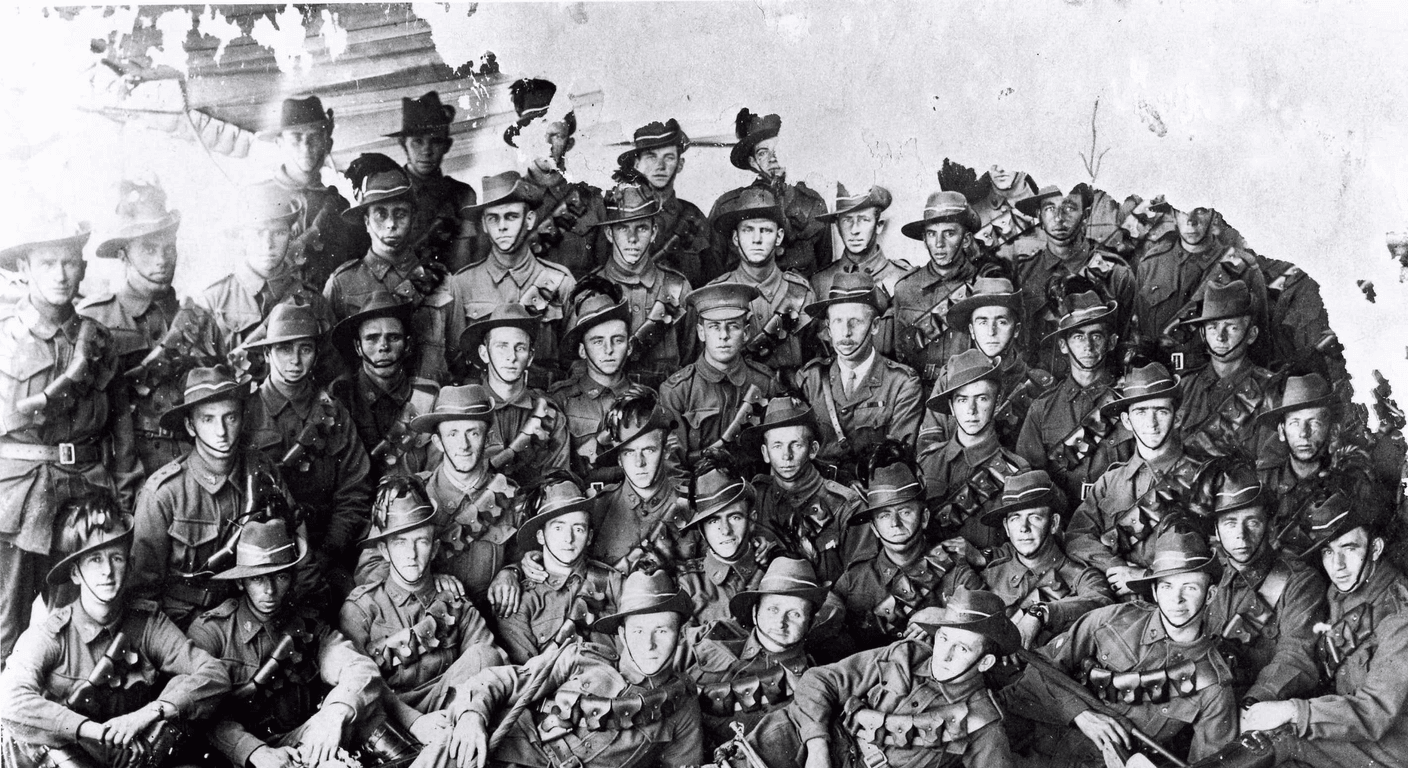
Lithgow's Small Arms Factory Museum is one of those places that rewards visitors who arrive without strong expectations. The factory itself produced the Lee-Enfield rifles and Bren guns used by Australian forces from the First World War through to the mid-twentieth century, and the museum occupies the original 1912 building — a handsome Federation-era industrial structure with high ceilings and good natural light.
The collection covers the social history of the factory workers — many of them women — as much as the weapons themselves. There are oral histories, original machinery, and the kind of considered interpretation that makes you stay longer than planned. For anyone with family connections to the Australian military, or simply an interest in industrial heritage and the social history of manufacturing communities, it's absorbing.
The museum is a short drive or taxi from the Zig Zag's station. Combined with lunch in Lithgow's main street (the town has a handful of solid cafés and one or two good pubs), the Small Arms Factory Museum makes the day feel complete rather than padded. Confirm opening hours directly at smallarmsfactory.com.au before you go, as they can vary.
Practical Comfort: What to Bring and What to Expect
Dress in layers regardless of the season. The Lithgow plateau sits at altitude and the temperature at Clarence can be five degrees cooler than Sydney on the same day. Comfortable walking shoes are fine — you won't need boots unless you plan to explore beyond the station area. A small daypack with water, snacks and a camera is sensible; the sandstone viaducts photograph well in morning light.
There are basic facilities at the Bottom Points station, including a café or kiosk on operating days — confirm what's available when you book. Lithgow town itself has pharmacies, supermarkets and medical facilities, which is worth knowing for travellers managing health conditions or medication schedules.
For those who prefer not to drive, the combination of Sydney Trains to Lithgow and a short rideshare to Clarence is genuinely workable. Rideshare availability in Lithgow is improving but not as reliable as in a capital city — it's worth arranging a local taxi in advance, particularly for the return trip at the end of the day. A quick call to a Lithgow taxi service before you leave Sydney takes two minutes and removes the uncertainty entirely.
Making a Night of It: Where to Stay in Lithgow
Lithgow is not a resort town, and that's part of its appeal. Accommodation runs from comfortable motel-style options on the main road to a handful of self-contained cottages in the surrounding Hartley Valley — which, in autumn, offers some of the most quietly beautiful rural scenery in New South Wales. The valley's European deciduous trees, planted by early settlers, turn gold and amber in April and May.
Staying overnight allows a slower morning before the Zig Zag service departs, time to explore the town's heritage streetscape, and the option of an early return to Sydney or the Blue Mountains the following day without rushing. For travellers coming from Victoria, an overnight stay also removes the pressure of making a last train back — a small thing that makes the whole day feel less like logistics and more like travel.
The Blue Mountains towns of Katoomba, Leura and Blackheath are all within an hour's drive of Lithgow and offer a broader range of accommodation, restaurants and galleries if you'd prefer a more established base. Katoomba in particular has excellent options for travellers who value comfort and accessibility, and the drive across to Lithgow via Bells Line of Road or the Great Western Highway is straightforward.
Quick planning guide
| Ideal pace | Slow and unhurried — the journey itself is the point |
|---|---|
| Best months | Spring (September–November) and autumn (March–May); winter runs but is genuinely cold |
| Suggested stay | Full day trip, extendable to an overnight in Lithgow or the Blue Mountains |
| Mobility level | Easy — fully seated experience with assisted boarding, no walking required |
| Cost level | Concession pricing generally available; confirm eligibility when booking |
| Comfort level | Basic heritage-rail comfort — dress in layers, expect chill at Clarence station |
| Best for | Heritage rail enthusiasts, military and industrial history fans, seniors wanting an accessible day out |
| Main planning consideration | Services run on limited weekends and public holidays only — check the timetable and book ahead |
Key takeaways
- The Zig Zag Railway at Lithgow runs heritage steam services on the original 1860s switchback grade — seated carriages make it one of the most accessible heritage rail experiences in Australia.
- Services operate on limited days; always check the current timetable at zigzagrailway.com.au and book ahead, as dates change seasonally.
- Spring (September to November) and autumn (March to May) are the best seasons — the cold at Clarence is real even in spring, so bring layers.
- Sydney to Lithgow takes around two hours twenty minutes by train, making this a genuine day trip without requiring a car.
- The Small Arms Factory Museum pairs naturally with the Zig Zag for a full day — its social and industrial history is well-presented and genuinely absorbing.
- Concession pricing is generally available; confirm eligibility and accepted ID when booking directly with the railway.
Recommended partners and links
Indicative prices only — always confirm with the operator before booking.
Frequently asked questions
Is the Zig Zag Railway suitable for travellers with limited mobility?
Yes. The Zig Zag Railway is one of the most accessible heritage rail experiences in Australia for older travellers. The entire journey is seated in heritage carriages, boarding is assisted, and there is no requirement to walk any significant distance. Travellers with mobility aids should contact the railway directly before booking to confirm current boarding arrangements.
How do I get to the Zig Zag Railway from Sydney without a car?
Take a NSW TrainLink service from Sydney Central to Lithgow — the journey takes roughly two hours and twenty minutes. From Lithgow station, the Bottom Points station at Clarence is a short taxi or rideshare trip. Arrange a local taxi in advance, as rideshare availability in Lithgow is limited. Confirm any shuttle arrangements with the railway when you book.
What days does the Zig Zag Railway operate?
The Zig Zag Railway runs on selected weekends and public holidays, not daily. It is a volunteer-operated heritage railway and its schedule changes seasonally. Always check the current timetable at zigzagrailway.com.au before making any travel arrangements.
Are senior concession tickets available on the Zig Zag Railway?
Concession pricing is generally offered, but eligibility criteria and accepted concession cards — particularly for interstate visitors — should be confirmed directly with the railway when booking. Do not assume an interstate seniors card will automatically qualify.
What is the best time of year to visit the Zig Zag Railway?
Spring (September to November) and autumn (March to May) offer the most comfortable conditions. The air at Clarence is crisp rather than harsh, the light is good for photography, and the surrounding landscape is at its most appealing. Summer can bring heat and occasionally fire-risk conditions that affect operations; winter services run but the cold at altitude is significant.