London's historic chophouses — Victorian dining rooms serving dry-aged beef, bone marrow and confit potatoes — are best visited April to June or September to October, avoiding peak summer crowds. Allow at least seven to ten nights in London. The Quality Chop House in Farringdon (est. 1869) is the anchor experience. Mobility rating: Moderate — expect narrow doorways, bench seating and stairs to toilets. Fly via Singapore, Dubai or Doha; total travel time from Australian cities runs 22 to 24-plus hours with at least one stop.
Getting to London: the flight reality no one in the brochure mentions
There are no direct flights between any Australian city and London. Full stop. From Melbourne or Sydney you're looking at 22 to 24 hours of total travel time minimum — typically one stop via Singapore (Changi), Dubai (DXB), Doha (Hamad) or Hong Kong. Perth travellers can sometimes do it in a single long hop to Dubai, which sounds efficient until you realise you're sitting in an Airbus for 17 hours before you've even touched Europe. Brisbane passengers face similar arithmetic. The numbers are not in your favour, and pretending otherwise helps nobody.
The single most underrated move for a traveller in his late sixties is building in a stopover night — not just a transit lounge sit — before arriving in London. Singapore is the obvious choice: good hotels near Changi from around $200–$280 AUD a night, walkable food options, and a city that doesn't punish you for going to bed at 8pm. Dubai works too, though the heat in summer is its own adventure. Arriving in London after a proper sleep rather than a red-eye stupor means you can actually enjoy your first evening rather than stare at the ceiling of your hotel room wondering why the clock says 11pm and your body says 4am.
Jet lag runs west-to-east hard for most people. London is nine hours behind Eastern Australian time in summer (AEST), eight hours behind in their winter. The adjustment generally takes three to five days, which is another reason to give yourself a full week in London rather than treating it as a quick stopover. Book your chophouse dinner for night four or five, not night one.
What is a chophouse, and why does it matter?
The chophouse is a specifically British institution — a working-class eating house from the 17th and 18th centuries that evolved to serve city clerks, traders and lawyers a fast, filling meal of meat, bread and ale. By the Victorian era they'd acquired their characteristic look: dark wood panelling, high-backed wooden pews or booths, etched glass, gas lamps replaced by electric bulbs that still somehow feel like gas lamps. The food was never fancy. That was the point.
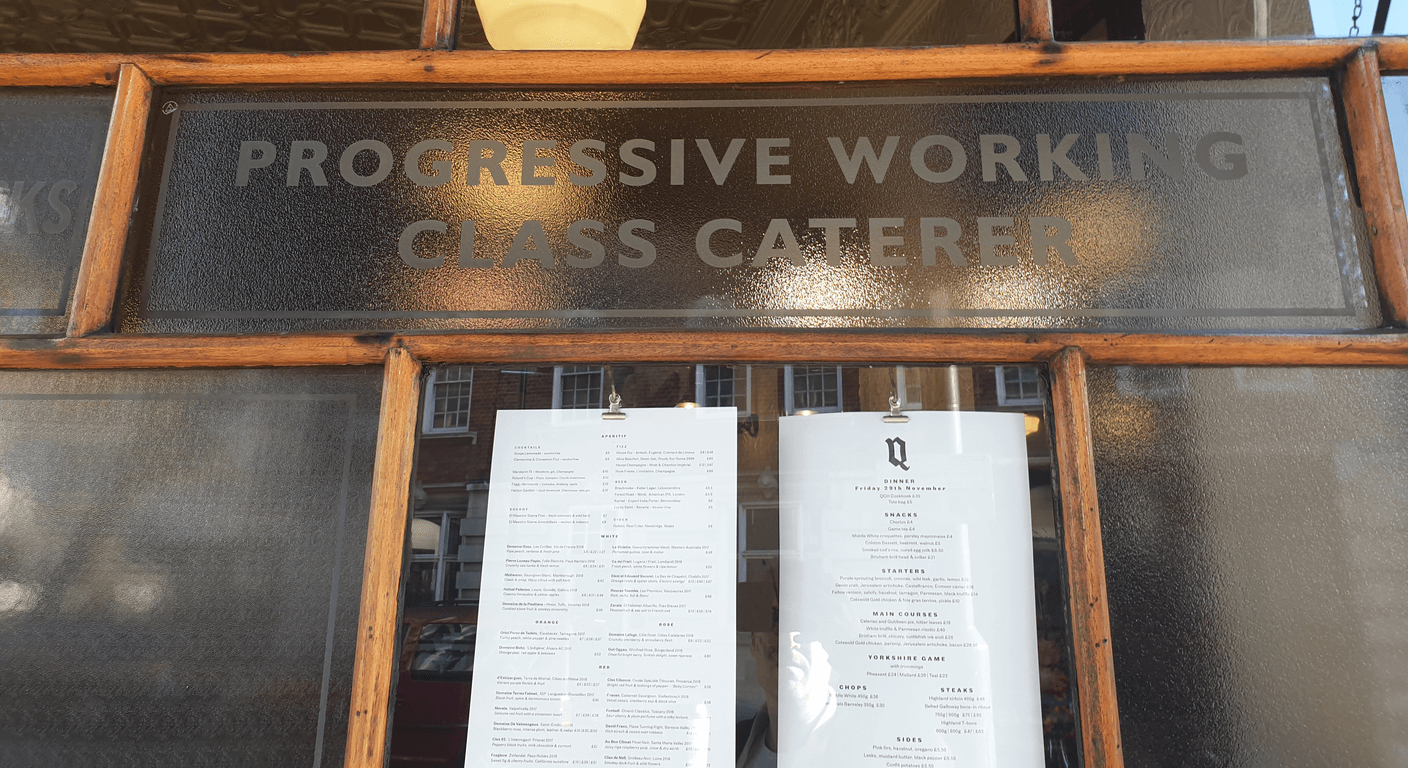
The Quality Chop House on Farringdon Road opened in 1869. The carved inscription above the door still reads 'Progressive Working Class Caterer'. It's been a wine merchant, a caff, and several things in between, but its current incarnation — serious dry-aged beef, bone marrow on toast, confit potatoes cooked in duck fat, a wine list that takes itself seriously — is arguably the most honest version of what a chophouse always wanted to be when it grew up. The room seats perhaps 40 people across its original pew booths and a small bar counter. The walls are exactly as dark as you'd expect.
Other London chophouses worth knowing: Blacklock in the City (charcoal-grilled chops, no-fuss atmosphere, slightly younger crowd but excellent meat), Hawksmoor (multiple locations, more polished, slightly louder), and the Simpson's Tavern in Cornhill — established 1757 and still serving a weekday lunch that feels like a time capsule. Each has its own character. The Quality Chop House is the one that makes you feel you've actually arrived somewhere.
Mobility and access: what the heritage listing doesn't tell you
Victorian and Georgian dining rooms were not designed for ease of movement. They were designed for Victorian and Georgian bodies navigating Victorian and Georgian social codes, none of which included ramp access or wide-aisle seating. The Quality Chop House is honest about this: the original pew booths are narrow and high-backed, which some people find cosy and others find claustrophobic. Sliding in and out if you have hip or knee issues is worth thinking about before you arrive.
Toilets at many historic London dining rooms — and this is a fact you'll want confirmed before you commit — are down a flight of stairs. Sometimes two. Phone the restaurant directly and ask: 'Is there a ground-floor table available, and are the toilets accessible without stairs?' Most good restaurants will be straight with you, and many will try to accommodate. The Quality Chop House can be contacted through their website; it's worth the two-minute call. Don't rely on online booking notes alone.
The neighbourhood itself is kind to walkers. Farringdon is flat relative to much of central London, well-served by the Elizabeth line and the Farringdon tube and rail interchange, and a reasonable walk from Clerkenwell and the City. If your accommodation is in Bloomsbury, Holborn or the City, you're looking at a manageable 15 to 25-minute walk or a very short tube ride. Avoid arriving by taxi if you can — Farringdon Road is narrow and drop-off points are awkward.
The shape of a chophouse evening: what the hours actually look like
Book the earliest available sitting — typically around 5:30pm or 6:00pm at most London restaurants. At The Quality Chop House, evening service usually begins around 5:30pm; confirm the exact opening time when you book, as it varies by season. Arriving at 5:30 means you're seated before the room fills, the kitchen is fresh, and you're not competing with eight other tables for the waiter's attention. By 7:00pm London's popular small restaurants are in full swing and the noise level climbs. Early diners get the better experience.
A realistic evening timeline, indicative only — confirm specifics with the restaurant: arrive 5:30pm, seated by 5:35, drinks and menu by 5:40. Starters (bone marrow, potted shrimp, whatever's on the board) arrive around 6:00. Main course — likely a bone-in ribeye or rump, with confit potatoes and perhaps a dressed bitter leaf salad alongside — arrives around 6:30 to 6:45. If you're having pudding (and the sticky toffee pudding, if it's on, is not optional), that's another 20 minutes. You're walking back out into the evening by 8:00pm, which in summer means you're still walking in daylight. In winter, it's dark and cold and perfect.
The pew seating means you're essentially settled in one spot for the evening — which is actually a feature, not a limitation. There's no awkward chair-shuffling or table-squeezing. Order water alongside whatever you're drinking, pace the meal, and don't feel any pressure to turn the table over. Early sittings at quality London restaurants rarely have the same time pressure as peak-hour covers. If you want a quieter, more solitary experience, the bar counter at The Quality Chop House is a genuinely good option — you can see the room, talk to the staff if you want to, or simply eat in peace.
What to eat, what it costs in Australian dollars, and the honest food note
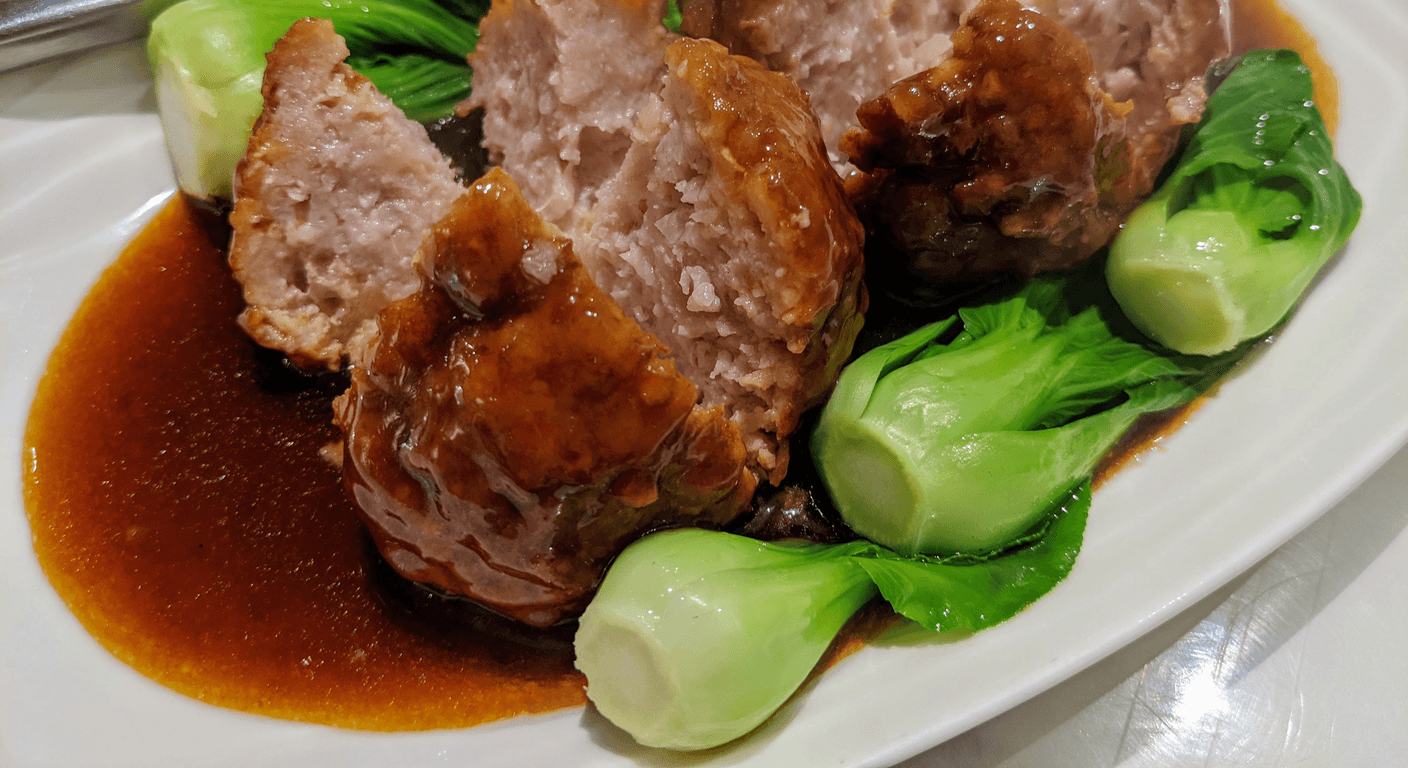
At The Quality Chop House, the dry-aged beef is the reason you're there. The bone-in ribeye — typically aged 45 days or more — is the centrepiece order. Sides are not optional extras; the confit potatoes cooked in duck fat are a dish in their own right. A starter of bone marrow on toast, a shared main and sides, and a modest bottle from the wine list (which leans heavily towards natural and low-intervention producers, so ask for guidance if that's not your usual territory) will run two people somewhere in the range of $180 to $260 AUD at current exchange rates. That's indicative — the pound-to-dollar rate shifts, menu prices change, and you should confirm current pricing directly with the restaurant before you go.
Solo diners won't face anything resembling a single supplement here — restaurants don't work that way. You'll pay per dish, the same as anyone else. Budget roughly half the two-person figure, plus whatever you spend on a glass or two of something good. The bar seat is genuinely recommended for solo travellers: less conspicuous than a table for one, and the staff at places like this tend to be more engaged with counter diners than with tables.
The honest food note: dry-aged beef and duck-fat confit potatoes are rich. That's the point, and also the caution. If you're managing cholesterol, gout, acid reflux or are on a low-fat dietary plan, this is worth thinking about before you order the bone marrow as well as the ribeye as well as the pudding. Ask the kitchen about preparation — any decent restaurant will tell you exactly how a dish is cooked and can often suggest a leaner cut or a lighter side. Hydrate before and during the meal. Walk back to the hotel rather than taking a cab — 20 minutes of Farringdon Road air does more good than you'd think.
Booking, timing and the City of London context
The Quality Chop House is small. Forty seats, roughly, across a room that hasn't expanded since 1869 because it physically cannot. Book at least three to four weeks ahead for a weekend sitting, two weeks for a midweek evening — and further ahead if your visit coincides with the City of London Festival, which typically runs across June and July, or with any major financial-district event that sends the area's restaurants into overdrive. The restaurant's booking system is on their website; they also take phone reservations. If you're planning the trip around the meal, book the restaurant first.
Midweek evenings in autumn — September and October particularly — are the sweet spot. The summer tourist surge has eased, the festival crowds have dispersed, and London's restaurant scene is in its most assured mode: not trying to impress anyone, just doing what it does. April and May are also excellent. December is lovely but frantic, and January is quiet but cold in a way that's either atmospheric or miserable depending on your disposition.
A note on card surcharges: London restaurants vary. Some add a discretionary service charge of 12.5% — that's standard and reasonable. Some add a card processing fee on top of that, which is less standard and mildly irritating. Check the bill before you tap. Cash is less common than it was but still accepted at most traditional dining rooms. The Quality Chop House's current payment policy is best confirmed directly — policies change.
Health, insurance and practical UK considerations for Australian visitors
Australia has no reciprocal healthcare agreement with the United Kingdom that covers the full range of medical treatment. NHS emergency care is generally available to visitors, but anything beyond immediate emergency treatment — specialist consultations, follow-up care, prescription costs — will likely be charged to overseas visitors. Travel insurance with comprehensive medical cover, including cover for pre-existing conditions, is not optional. It is the single most important thing to sort before departure. Check that your policy covers the entire trip duration, includes medical evacuation if required, and that you've declared all relevant pre-existing conditions accurately.
Register with Smartraveller before you go — smartraveller.gov.au — and check the current UK advisory. It's also worth noting that Australian seniors travelling to the UK should carry a complete list of current medications (generic names, not just brand names), relevant medical letters from their GP, and enough prescription medication to cover the trip plus a buffer. UK pharmacies cannot fill Australian prescriptions directly.
One more thing worth knowing: the Senior's Card issued by Victorian state government has no recognition in the UK — don't expect concessions on London transport or attractions on that basis. The Oyster card or a contactless credit or debit card is the right tool for London transport, and the Elizabeth line — which now runs through Farringdon — is one of the most accessible metro lines in the city, with level or near-level boarding at most stations.
Quick planning guide
| Ideal pace | Unhurried — one or two evening dining experiences spaced across the stay, not back-to-back |
|---|---|
| Best months | April–June and September–October (mild weather, fewer tourists, easier bookings) |
| Suggested stay | 7–10 nights minimum in London to allow jet-lag recovery before serious dining |
| Mobility level | Moderate — historic buildings have steps, narrow corridors and bench seating; phone ahead |
| Cost level | Around $180–$260 AUD for two at a quality chophouse (mains, sides, modest wine); confirm current rates |
| Comfort level | High, once seated — these rooms are warm, candlelit and unhurried if you book an early sitting |
| Best for | Food-curious over-50 travellers, Anglo-Celtic heritage travellers, solo male travellers comfortable eating at a bar |
| Main planning consideration | Book the restaurant before you book the flight — these small rooms fill weeks ahead |
Key takeaways
- There are no direct flights from any Australian city to London — build in a stopover night to arrive rested and ready to actually enjoy the meal.
- Book The Quality Chop House three to four weeks ahead minimum; the room seats around 40 people and fills fast, especially during the City of London Festival.
- A bone-in ribeye for two with sides and a modest bottle of wine runs roughly $180–$260 AUD at current exchange rates — confirm pricing directly with the restaurant.
- Historic chophouses have narrow doorways, tight bench seating and stairs to toilets — phone ahead to ask about ground-floor tables and step-free access before you commit.
- Solo travellers pay per dish with no supplement penalty; the bar counter at The Quality Chop House is one of the better solo dining spots in the City.
- Travel insurance with full medical cover and declared pre-existing conditions is essential — Australia has no comprehensive reciprocal healthcare agreement with the UK.
Recommended partners and links
Indicative prices only — always confirm with the operator before booking.
Frequently asked questions
How far in advance should I book The Quality Chop House in Farringdon?
For a weekend evening sitting, book at least three to four weeks ahead. For a midweek evening, two weeks is usually sufficient outside peak periods, but further ahead is always safer. If your visit falls during the City of London Festival (typically June and July), book as early as possible — the area fills quickly. Reservations can be made through the restaurant's website at thequalitychophouse.com or by phone.
Is The Quality Chop House accessible for people with mobility limitations?
The building is a Grade II listed Victorian dining room with original pew-style bench seating, narrow doorways and — in common with many historic London restaurants — stairs to the toilets. It is not fully step-free. Phone the restaurant directly before booking to ask about ground-floor table availability and toilet access. Staff are generally helpful and will try to accommodate reasonable requests. Farringdon itself is a relatively flat neighbourhood and well-connected by the accessible Elizabeth line.
What does a chophouse dinner at The Quality Chop House cost in Australian dollars?
As an indicative guide at mid-2026 exchange rates, a bone-in ribeye for two with sides and a modest bottle of wine is likely to fall in the $180–$260 AUD range. Solo diners pay per dish with no penalty or supplement. A discretionary service charge of 12.5% is standard in London restaurants and is typically added to the bill. Always confirm current menu pricing directly with the restaurant, as pound-to-dollar exchange rates and menu prices change.
Are there any health considerations for a chophouse-style steak dinner?
Dry-aged beef, bone marrow and duck-fat confit potatoes are rich, high-fat dishes. Travellers managing cholesterol, gout, acid reflux or who are on a low-fat dietary plan should factor this in when ordering. Ask the kitchen about preparation — any reputable restaurant will explain exactly how dishes are cooked and can suggest leaner cuts or lighter sides. Staying well-hydrated during the meal and walking back to your accommodation rather than taking a cab is genuinely useful.
Does Australia have a reciprocal health agreement with the UK that covers medical costs?
No comprehensive reciprocal agreement exists between Australia and the United Kingdom that covers the full range of medical treatment for visitors. NHS emergency care is generally available, but specialist consultations, follow-up treatment and prescriptions are typically charged to overseas visitors. Comprehensive travel insurance with medical cover — including declared pre-existing conditions — is essential before travelling to the UK. Check the current Smartraveller advisory at smartraveller.gov.au before departure.
- The Quality Chop House – official website
- Smartraveller – United Kingdom travel advisory (Australian Government)
- Visit London – official London tourism website
- City of London Festival – official programme
- Mark Wiens – The Quality Chop House, London (YouTube)
- Transport for London – Oyster and contactless travel