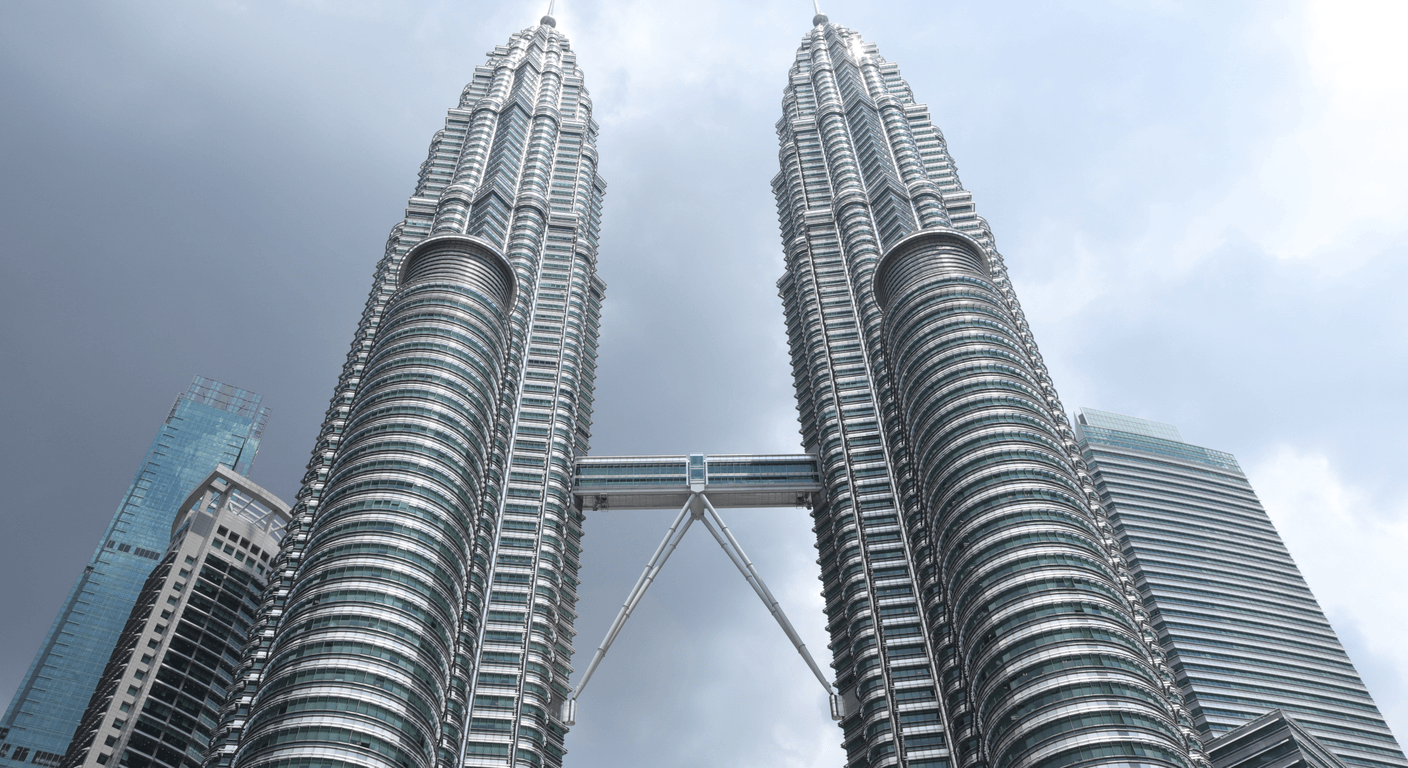
Malaysia suits Australians over 60 who want warm, food-driven travel, and a Kuala Lumpur, Penang and Langkawi loop works well over about two to three weeks. Plan for heat and humidity, pace each day, and expect a Moderate mobility rating. Confirm entry rules, the Malaysia Digital Arrival Card and flights before booking.
Is Malaysia a good destination for Australians over 60?
For many, yes. Malaysia is a comparatively short flight from Australia, English is widely used in tourism, and the food alone justifies the ticket. Smartraveller advises Australians to exercise normal safety precautions in Malaysia overall. Check the page for the current level and date before you book.
It suits curious, unhurried travellers. It is less suited to anyone who struggles badly in heat, cannot manage uneven footpaths, or needs guaranteed step-free access everywhere. Accessibility varies by building and street, and we found no official access information to quote. Ask hotels and tour operators specific questions in writing.
What do you need to sort before you fly?
You must complete a Malaysia Digital Arrival Card (MDAC) before you arrive in Malaysia, according to Smartraveller. Use only the official government channel. We could not confirm the submission site, any fee or how early you can lodge it, so check the Malaysian Immigration Department and Smartraveller on the day you book.
Visa-free entry, permitted stay and passport validity are also not confirmed here. Check them directly with Immigration. Consider a recovery night if your flight arrives early in the morning, because a long flight followed by a hotel check-in at noon is a hard start.
How should you handle the heat and pace the trip?
Kuala Lumpur, Penang and Langkawi are tropical, so expect heat and humidity year-round. Monsoon timing differs between the west coast and the east, so check the Malaysian Meteorological Department before settling dates. We have not quoted temperatures or seasons because none were verified.
Build a rhythm. Sightsee early, eat a long lunch somewhere air-conditioned, rest mid-afternoon, then go out again after sundown. Carry water, wear a hat, and treat shopping malls as free cooling stops. Leave a buffer day between moves so a delay does not wreck a connection.
What does each stop offer?
Kuala Lumpur is the big-city start: towers, markets, museums and efficient public transport. Taxis and ride-hailing apps often beat long walks in the heat. Check each attraction's access details with the venue.
Penang, and George Town in particular, is about street food, heritage shophouses and street art. Footpaths can be narrow and uneven, so a trishaw or ride-hail helps. Langkawi is the rest stop, with beaches and resort pools. A hire car or arranged transfers beat relying on local buses.
How do you get between Kuala Lumpur, Penang and Langkawi?
The usual options are flights, train and ferry. We could not confirm timetables, fares or journey times for the KL to Penang train, domestic flights or the Penang to Langkawi ferry. Check KTMB, the airlines and ferry operators directly, and compare total door-to-door time, not just the headline journey.
For luggage, heat and stairs, a short flight often costs less effort than a ferry with jetty steps. Whichever you pick, book airport or jetty transfers in advance, particularly for arrivals after dark.
What about healthcare, insurance and long stays?
Smartraveller's general advice, repeated across its destination pages, is to make sure your travel insurance covers you. For over-60s, declare every pre-existing condition and read the exclusions, including medical evacuation and any age limits. We found no official Malaysian hospital list and no reciprocal Medicare arrangement to quote, so confirm Medicare's position on the Services Australia site and assume you will pay up front.
Long stays may appeal. Malaysia has long-stay schemes, but we could not verify current names, ages, financial requirements or fees, so go to the Malaysian Immigration Department. Do not rely on forum posts. Trial a month before committing to anything longer.
A solo traveller's perspective and a couple's perspective
A solo traveller's perspective: Malaysia is easy for independent travel, with plenty of social food culture. Solo pricing is the catch on tours and resorts, since single supplements are common. We found no official figure, so ask operators whether they charge one and whether a share-match option exists.
A couple's perspective: sharing a room halves accommodation costs and makes a slower pace easier to agree on. Agree early on who handles bookings and documents, and keep digital and paper copies of passports and insurance. Ask operators whether they offer any senior discounts.
Quick planning guide
| Ideal pace | Slow: one main activity a day, with a rest in the heat of the afternoon. |
|---|---|
| Best months | Varies by coast and monsoon. Check the Malaysian Meteorological Department before choosing dates. |
| Suggested stay | Around two to three weeks for all three places, or a week each if you prefer to unpack once. |
| Mobility level | Moderate. Uneven footpaths, steps and heat are the main hurdles, not distance. |
| Cost level | Indicative only. Confirm current fares and room rates with operators, as none are quoted here. |
| Comfort level | High in the main cities and resorts, with plenty of air-conditioned options. |
| Best for | Couples, solo travellers who like food and culture, and retirees testing a longer winter stay. |
| Main planning consideration | Heat and humidity, plus confirming entry requirements, insurance and between-city transport before you commit. |
Key takeaways
- Malaysia suits unhurried over-60s who want food, culture and a warm-weather change.
- Complete the Malaysia Digital Arrival Card before arriving, as Smartraveller advises.
- Smartraveller advises normal safety precautions overall; check the current level before booking.
- Heat and humidity are the main physical challenge, so schedule rest in the afternoon.
- Confirm visa-free entry, passport validity and long-stay rules with Malaysian Immigration.
- Declare pre-existing conditions to your insurer and check evacuation cover.
Recommended partners and links
Indicative prices only — always confirm with the operator before booking.
Frequently asked questions
Is Malaysia safe for older Australian travellers?
Smartraveller advises Australians to exercise normal safety precautions in Malaysia overall. Check the Smartraveller Malaysia page for the current advice level and date before you book, and subscribe to updates.
Do Australians need to complete anything before arriving in Malaysia?
Yes. You must complete a Malaysia Digital Arrival Card (MDAC) before you arrive, according to Smartraveller. Confirm the official submission site, timing and any cost with Malaysian authorities, and check visa and passport requirements.
Do you need travel insurance for Malaysia over 60?
You should have it. Smartraveller's general advice is to make sure your insurance covers you. Declare pre-existing conditions, check age limits and confirm medical evacuation cover. We found no reciprocal Medicare arrangement; confirm with Services Australia.
How long should you spend in Kuala Lumpur, Penang and Langkawi?
Around two to three weeks suits a slow pace with rest days. A week in each place avoids rushed transfers. Shorter trips work if you drop one stop.
Can you stay in Malaysia long term?
Long-stay schemes exist, but current eligibility, financial requirements and fees were not verified for this guide. Check the Malaysian Immigration Department directly, and consider a trial stay of a month first.
Want the next guide like this?
Choose your state, the subjects you care about, or both. We will let you know when a new guide lands. Email once a week at most, or a quiet phone notification on the day it publishes. No advertising, no sponsored content, and we never pass your details to anyone.