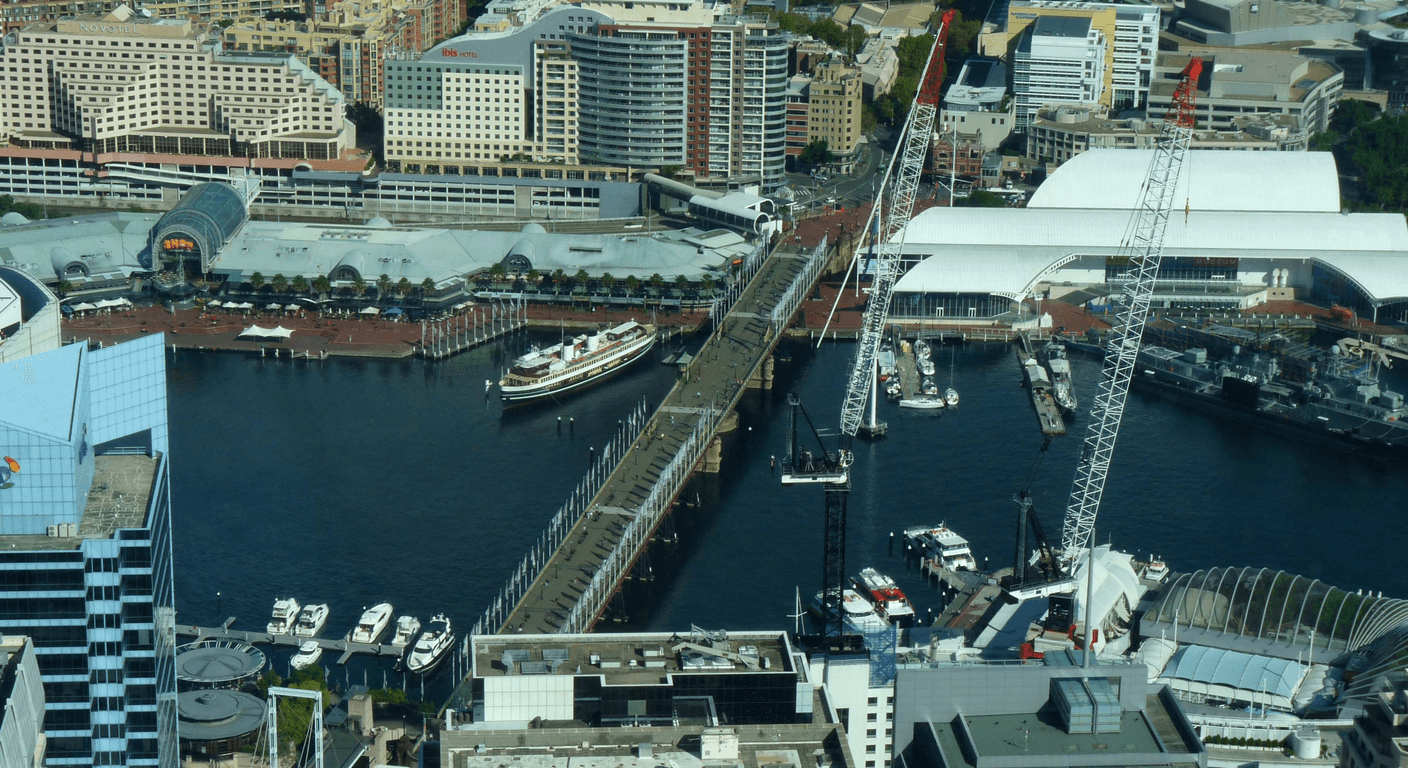
The Australian National Maritime Museum at Darling Harbour, Sydney, suits over-50 visitors well: general entry to the main galleries is free, with paid vessel and submarine tours ranging from roughly $15 to $32 per adult (confirm current pricing at sea.museum). The museum is wheelchair-accessible, has generous seating throughout, and is easily reached by light rail or ferry. Visit September to November or March to May for mild weather. Allow four to five hours. Mobility rating: Easy.
Why the Maritime Museum works so well for a group day out from regional Victoria
Getting a group of women together from regional Victoria for a Sydney day trip involves at least one conversation about whether it's worth the train fare and the fuss. For the Maritime Museum, the answer is yes — and the free general entry is a big part of why. There's no ticket anxiety at the door, no one doing quick mental maths about whether the price justifies the visit. You walk in, pick up a gallery map and go at your own pace.
The museum covers Australian maritime history from pre-colonial seafaring through to the modern navy, with permanent galleries on migration, exploration, trade and the sea's relationship with First Nations Australians. None of it is dusty or dull. The curatorial approach is story-led rather than object-catalogued, which makes it easy to dip in and out rather than feeling obligated to read every panel. That matters when you're travelling with friends who have different interests and different levels of stamina.
For a group arriving from regional Victoria — say, on the XPT from Albury or the coach from Wodonga — the museum's proximity to Central Station via the light rail is a genuine convenience. You can be at the museum within about 25 minutes of stepping off a train at Central. That's a well-organised start to the day, with minimal navigation stress.
Free entry versus paid tours: what's actually included and what costs extra
General entry to the main museum building is free, and it covers more than most visitors expect. The permanent galleries — maritime history, migration stories, the navy, the sea and First Nations connections — are all included at no charge. Temporary exhibitions sometimes carry a small fee; check the museum's website (sea.museum) before you go so there are no surprises at the entrance.
The paid experiences are the historic vessels moored alongside the museum, and the HMAS Ovens submarine. Vessel access passes, which let you board and explore ships including the destroyer HMAS Vampire and the tall ship James Craig, run at roughly $15 to $32 per adult in indicative 2025–26 pricing — but these figures shift, and you should confirm current rates and tour availability directly with the museum. The submarine tour is the one that gets people talking. It's genuinely claustrophobic inside, the hatches are small and the ladders are steep. Honest advice: if you have hip or knee concerns, or if tight enclosed spaces are uncomfortable, the submarine is worth skipping without any guilt. The destroyer and the replica Endeavour are more manageable.
Pre-booking vessel tours is strongly recommended on weekends and during NSW school holidays. The museum's online booking system is straightforward. If your group has a mix of interests — one friend keen on the submarine, another happy to stay in the galleries — that's entirely workable. The museum is designed for exactly that kind of self-directed day.
What does the day actually look like? An honest hour-by-hour account
Assume the group arrives at Darling Harbour around 10:00 after catching the light rail from Central (the Pyrmont Bay stop puts you at the museum precinct in roughly 10 minutes). The museum opens at 9:30, so you're arriving as the morning crowds are still thin. Pick up a gallery map at the entrance — the staff at the front desk are genuinely helpful and will point out which vessel tours have availability that day. If you've pre-booked a vessel tour for 11:00, you have a clean hour to move through the main galleries at a comfortable pace.
The main building has multiple seating areas throughout — benches in the gallery corridors, chairs near the large windows overlooking the harbour, and a rest area near the permanent migration gallery. Toilets are on the ground floor near the entrance and on the upper level; accessible amenities are clearly signed and well-maintained. By 11:00 you're boarding the vessel tour, which typically runs 45 minutes to an hour. If one person in the group opts out of the vessel and stays in the galleries, the cafe on the museum's ground floor is a comfortable place to wait — coffee is around $5 to $6, and the harbour view from the terrace is worth the sit-down.
Lunch fits naturally around 12:30 to 1:30. The museum's own cafe handles a light lunch, but the Darling Harbour promenade has a wider range of options within a five-minute flat walk. By 2:00 to 2:30, a second pass through the galleries or a wander along the waterfront is easy. Most groups find four hours is the right amount — enough to feel immersed, not enough to feel exhausted. The light rail back to Central runs frequently, and the Pyrmont Bay stop is less than 200 metres from the museum entrance on flat ground. A 3:30 departure gets you to Central comfortably for late-afternoon regional train connections.
Getting there: light rail, ferry and the Opal card advantage
The light rail (L1 line, Dulwich Hill to Central) stops at Pyrmont Bay, which is a flat, short walk to the museum entrance. From Central Station, it's roughly three stops and ten minutes. The L2 and L3 lines also serve the broader Darling Harbour area via Convention Centre stop. For a group arriving on interstate rail, this is about as seamless as Sydney public transport gets.
Ferries from Circular Quay to Darling Harbour are an option worth considering, particularly if the group is already in the city's east. The ferry ride itself is a pleasant 15 to 20 minutes across the harbour, and arriving by water at a maritime museum has a certain logic to it. Check current ferry routes and timetables at transportnsw.info, as services and stopping patterns can change.
NSW Seniors Card holders are entitled to concession fares on Opal-card journeys, which reduces the per-trip cost meaningfully. If anyone in the group is a Victorian Seniors Card holder, note that the Victorian card does not automatically apply to NSW public transport concessions — you'll pay the standard adult Opal fare unless you hold a NSW concession card or a Commonwealth Seniors Health Card that qualifies. Confirm current concession eligibility at transportnsw.info before the trip. Opal cards are available at convenience stores and newsagents near Central Station if anyone needs one.
Accessibility, seating and the honest picture on vessel tours
The main museum building is fully accessible by wheelchair and mobility aid. Lifts connect all levels, gallery floors are smooth, and the accessible toilets are well-positioned. The museum's staff are accustomed to assisting visitors with mobility needs, and the entrance is step-free from both the street and the waterfront promenade.
The vessel tours are where accessibility becomes more variable — and the museum is upfront about this on its website. The destroyer HMAS Vampire has narrow corridors and some steep internal stairs, though parts of the deck are accessible. The submarine HMAS Ovens requires climbing through tight hatches and is not suitable for anyone with limited upper-body mobility, claustrophobia, or significant hip or knee issues. The tall ship James Craig involves gangways and uneven deck surfaces. If accessibility is a concern for anyone in the group, call the museum directly before booking vessel tours — the staff can advise which sections of each vessel are accessible and whether a particular tour is realistic.
Inside the main galleries, seating is genuinely good. There are benches throughout, chairs near the larger display areas, and the migration gallery has a comfortable lounge-style seating area where you can watch short documentary films — useful if anyone needs a rest mid-morning without feeling like they're just sitting in a corridor.
Where to eat near Darling Harbour: realistic options for a group lunch
The museum's own ground-floor cafe is the easiest option for a morning coffee or a light snack. It's nothing extraordinary, but the harbour terrace is pleasant and the coffee is decent. For lunch, the promenade along Darling Harbour — particularly the strip between the museum and the IMAX precinct — has a range of sit-down restaurants and casual cafes. Expect to pay roughly $20 to $35 per person for a two-course lunch with a drink at a mid-tier waterfront restaurant, though prices vary. The precinct skews toward tourist pricing, so the cheaper end tends to be the casual cafes and Asian eateries slightly back from the water on Wheat Road and Harbourside.
One practical note: many venues in the Darling Harbour precinct add a card surcharge of 1 to 2 per cent, and some still operate card-only. It's worth having some cash as backup, though most places accept cards without issue. If the group prefers a quieter lunch away from tourist-precinct noise, Chinatown is a ten-minute flat walk east along Hay Street — yum cha at one of the established dim sum restaurants there runs roughly $25 to $35 per person and suits a leisurely midday meal far better than most waterfront options.
For travellers with specific dietary needs, the Darling Harbour precinct has enough variety that vegetarian, gluten-free and halal options are findable without much effort — but it's worth checking individual restaurant menus online before you commit to a venue, especially for a group where one person's dietary requirement can otherwise derail the whole lunch decision.
Solo traveller's perspective and couple's perspective
A solo traveller's perspective: the Maritime Museum is exceptionally comfortable for solo visitors. The free entry removes the awkwardness of paying full price for a solo experience, and the self-directed gallery format means there's no pressure to keep pace with anyone. Solo vessel tours work perfectly well — you join a small guided group. The cafe terrace is a pleasant place to sit alone with a coffee and a view. One thing worth knowing: Sydney's Darling Harbour precinct can feel loud and tourist-heavy on weekends, and a solo traveller who prefers a quieter atmosphere might do better on a Tuesday or Wednesday morning when the precinct is noticeably calmer.
A couple's perspective: for couples, the museum offers an easy balance between shared experience and independent browsing. One partner keen on naval history can spend an hour in the warship gallery while the other explores the migration stories exhibition, and you reconvene for lunch without anyone having felt dragged through something they didn't want to see. The vessel tours are a natural shared activity. For couples staying overnight in Sydney — a good idea if you're travelling from western or northern Victoria and don't want to rush the return — Darling Harbour has accommodation ranging from around $180 to $350 a night for a comfortable hotel room (indicative; confirm with providers). Staying overnight also opens up an evening walk along the waterfront, which is a different and genuinely pleasant experience from the daytime tourist crowds.
Quick planning guide
| Ideal pace | Relaxed — graze the galleries, pick one or two vessel tours, linger over lunch |
|---|---|
| Best months | September to November, March to May (mild Sydney weather, smaller crowds than school holidays) |
| Suggested stay | Day trip from Sydney; overnight in Darling Harbour precinct if travelling from regional Victoria or interstate |
| Mobility level | Easy — flat main galleries, lifts throughout; vessel tours involve stairs and narrow hatches (see notes) |
| Cost level | Low to moderate — free general entry; paid vessel tours around $15–$32 per adult (indicative, confirm with museum) |
| Comfort level | High — air-conditioned galleries, abundant seating, accessible amenities |
| Best for | Friends groups, couples, solo travellers, culturally curious over-50s, history enthusiasts |
| Main planning consideration | Vessel and submarine tours sell out on busy days — check the museum's official site (sea.museum) and pre-book if visiting on weekends or school holidays |
Key takeaways
- General entry to the Australian National Maritime Museum is free — paid vessel and submarine tours are optional extras, roughly $15 to $32 per adult (confirm at sea.museum).
- The museum's main galleries are fully accessible by wheelchair and mobility aid; vessel tours vary significantly in accessibility, so call ahead if this matters for your group.
- The light rail from Central Station reaches Pyrmont Bay stop in about 10 minutes — flat, simple, and the most convenient way to arrive from interstate rail connections.
- NSW Seniors Card holders qualify for concession Opal fares; Victorian Seniors Card holders do not — check concession eligibility at transportnsw.info before travelling.
- The HMAS Ovens submarine tour involves tight hatches and steep ladders — skip it confidently if mobility, claustrophobia or joint issues apply, and spend the time in the galleries instead.
- Four to five hours is the right amount of time for most groups — enough to do the galleries, one vessel tour and a relaxed lunch without anyone feeling rushed or worn out.
Recommended partners and links
Indicative prices only — always confirm with the operator before booking.
Frequently asked questions
Is entry to the Australian National Maritime Museum free?
General entry to the main museum galleries is free. Paid tickets are required for the historic vessel tours and the submarine experience, which run at roughly $15 to $32 per adult in indicative 2025–26 pricing. Confirm current prices and any temporary exhibition fees at sea.museum before your visit.
How accessible is the Maritime Museum for visitors with mobility issues?
The main museum building is fully wheelchair-accessible, with lifts between levels, smooth gallery floors and accessible toilets. The vessel tours — particularly the HMAS Ovens submarine — involve steep ladders, narrow hatches and tight corridors that are not suitable for visitors with significant mobility limitations. Contact the museum directly at sea.museum to ask about specific vessel accessibility before booking.
How do you get to the Maritime Museum by public transport from Central Station?
Take the L1 light rail from Central Station to Pyrmont Bay stop — it's roughly three stops and about 10 minutes. The museum is a short, flat walk from the stop. Ferries from Circular Quay to Darling Harbour are also an option; check current routes and timetables at transportnsw.info.
Do Victorian Seniors Card holders get concession fares on Sydney public transport?
No. The Victorian Seniors Card does not automatically entitle holders to NSW concession fares on Opal card journeys. You'll pay the standard adult Opal fare unless you hold a NSW concession card or a qualifying Commonwealth concession card. Confirm current eligibility at transportnsw.info before your trip.
Should you pre-book vessel tours at the Maritime Museum?
Pre-booking is strongly recommended on weekends and during NSW school holidays, when tours can fill up. On quieter weekday visits, same-day availability is usually fine — but checking the museum's online booking system at sea.museum before you arrive is always worth doing to avoid disappointment.