Millicent, on South Australia's Limestone Coast about 45 minutes from Mount Gambier, suits a full day trip and is most comfortable in spring or autumn for walking and birdwatching. The defining highlight is the National Trust museum's surprisingly serious shell and butterfly collection, paired with the free, flat Lake McIntyre boardwalk and a short guided tour through Tantanoola Caves. Mobility is generally easy, though the caves involve steps and uneven ground. A car is essential, as there's no direct rail service; Mount Gambier can also be reached by air.
Why Millicent Works So Well for a Day Trip
There's a particular satisfaction in arriving somewhere you didn't quite expect to enjoy and finding yourself thoroughly absorbed. Millicent is that kind of town. It's compact, unhurried, and it has built a day's worth of genuinely interesting things to do without any of them feeling like they were assembled for tourists. For a group of women travelling together — especially those who've done the obvious Limestone Coast highlights and want something with a bit more texture — it delivers.
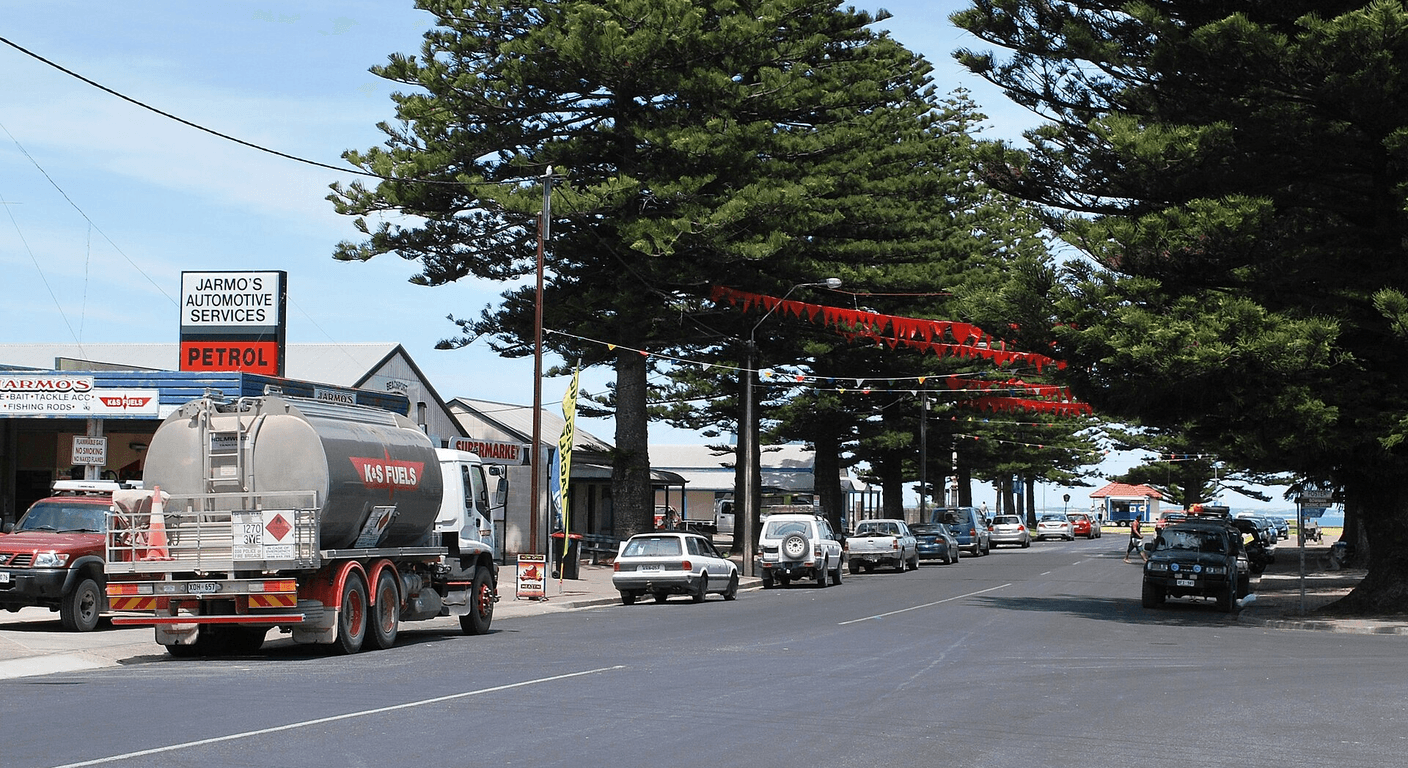
The town sits on the Princes Highway between Adelaide and Mount Gambier, which makes it a natural stop on a longer Limestone Coast drive. From Mount Gambier it's around 45 minutes. From Adelaide, allow roughly four hours by car. There's no direct rail service, so a vehicle is essentially required. That said, if your group is based in Mount Gambier for a few nights, Millicent fits easily into a single day without any early starts or rushed finishes.
What Makes the Millicent Museum Worth the Entry Fee?
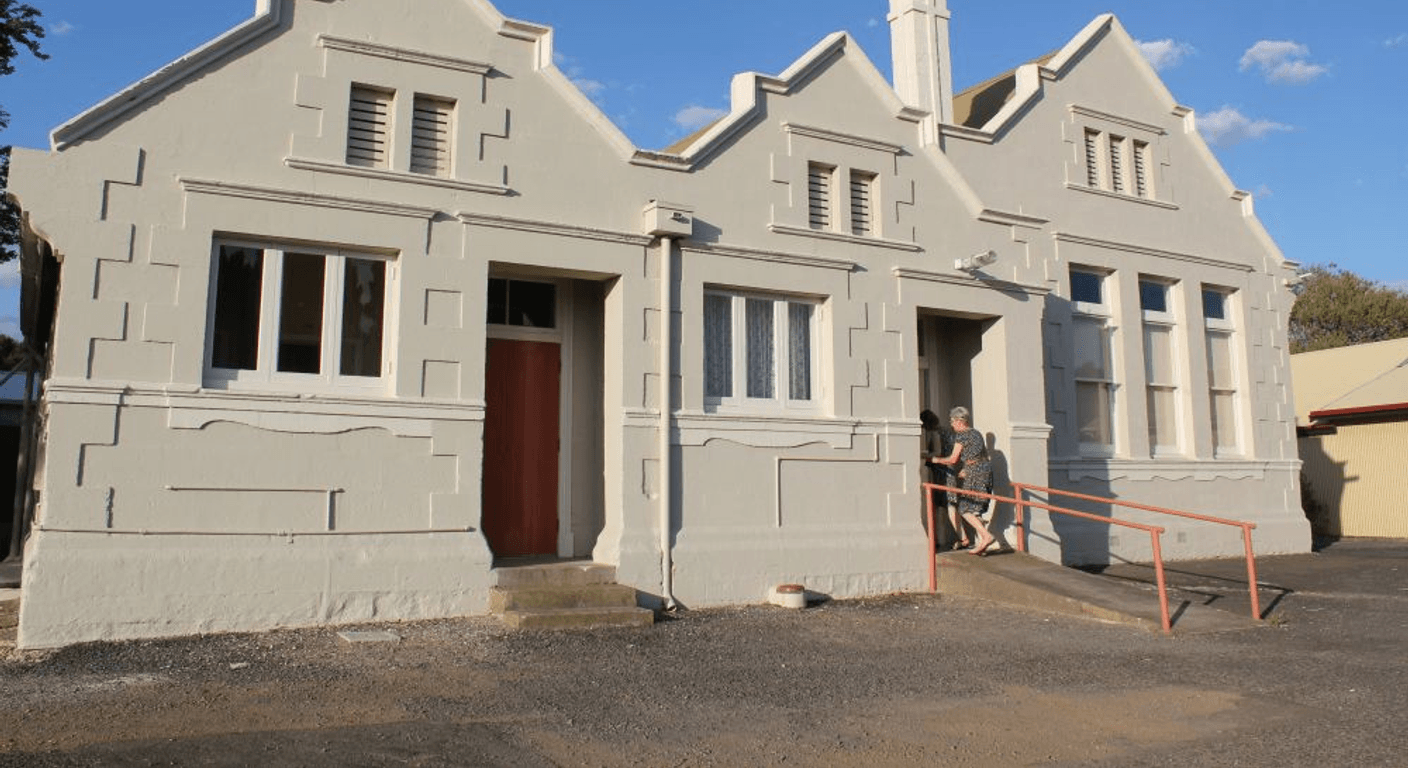
The Millicent Museum is managed by the National Trust of South Australia and occupies a solid, well-maintained building in the town centre. What distinguishes it from the average regional museum is specificity. The shell collection is genuinely substantial — not a few pretty specimens in a glass case, but a collection that reflects decades of serious accumulation. The butterfly and insect displays carry the same quality. These are the kinds of exhibits that make you stop and actually look, rather than drift past.
Beyond natural history, the museum holds pioneer farming and domestic displays that speak honestly to the working lives of Limestone Coast settlers. There's a difference between a museum that tells you people worked hard and one that shows you exactly what that looked like — the tools, the scale, the ingenuity. This leans toward the latter. Entry is indicatively under $30 for adults, but confirm the current price directly with the museum before you go, as regional institution fees do change.
Allow at least two hours here, possibly more if your group is the type to read every label — which, frankly, is the right way to do it. The museum is largely flat and accessible, though it's worth calling ahead if anyone in your group uses a mobility aid, just to confirm current access arrangements within the building.
Lake McIntyre Boardwalk: How Easy Is It, Really?
Lake McIntyre sits on the edge of Millicent and the boardwalk that runs along it is free, flat, and sealed — which means it's genuinely accessible rather than just described as accessible. Black swans are a reliable presence, along with various waterbirds depending on the season. Spring brings the most activity, but even a quiet autumn morning on the lake has its own quality.
The walk is short enough that it doesn't demand anything of you physically, which is exactly the point. It's the kind of place where a group naturally spreads out, some moving slowly with binoculars, others sitting on a bench with a takeaway coffee. There are no entry fees and no bookings required. It's simply there, doing what a good piece of public infrastructure should do. Bring a hat — the boardwalk is open and the Limestone Coast sun doesn't negotiate.
Millicent's town centre is close enough that you can walk between the museum and the lake without needing to move the car, which makes for a natural mid-day rhythm: museum in the morning, a slow lap of the boardwalk after lunch.
Tantanoola Caves: Is It Worth the Short Drive?
About 17 kilometres north of Millicent, Tantanoola Caves Conservation Park contains a small show cave managed by SA Parks. It's not a vast underground system — this is an intimate, guided experience that takes around 45 minutes and covers limestone formations shaped over millennia. The scale is human, which suits the day well. It doesn't overwhelm; it rewards attention.
Tours run at set times, so this is the one element of the day that requires a bit of planning. Check the current tour schedule on the SA Parks website before you leave home, and ideally book ahead rather than assuming a spot will be available. The cave itself involves some steps and sections of uneven ground, so anyone with significant knee or balance concerns should factor that in honestly. It's not prohibitive, but it's not entirely flat either.
Tantanoola also has a small historical footnote: the 'Tantanoola Tiger', a wolf or large dog shot in 1895 and long mythologised as a big cat, is on display at the Tantanoola Hotel nearby. It's a pleasingly dry piece of South Australian folklore and worth a quick stop if the group is curious.
How to Pace the Day Comfortably
A sensible sequence: arrive in Millicent mid-morning, spend two to two-and-a-half hours at the museum, then find lunch in town — the main street has cafés that will do the job without drama. After lunch, walk to Lake McIntyre for a slow hour, then drive out to Tantanoola in the mid-afternoon to catch a tour before late afternoon. You're back in Mount Gambier or settled in Millicent accommodation by early evening.
If the group prefers a slower rhythm, staying overnight in Millicent removes any time pressure entirely. The town has motel and B&B options — check current availability through the Limestone Coast Tourism website or a booking platform. An overnight stay also means the caves can be the first activity of the following morning, when the light and energy are freshest.
For a friends group, the day has a natural conversational quality — the museum gives plenty to discuss over lunch, and the boardwalk provides exactly the kind of unhurried time that good travel friendships run on.
Getting There and Practical Considerations
Millicent is a car destination. The most practical approach from regional Victoria is to drive to Mount Gambier — roughly three hours from Warrnambool, around four and a half from Geelong — and use Mount Gambier as a base. From there, Millicent is an easy 45-minute drive on good roads. Alternatively, fly to Mount Gambier from Melbourne (Rex Airlines operates this route; confirm schedules) and hire a car on arrival.
Travel insurance is worth reviewing before any interstate trip, particularly for those with pre-existing conditions. Standard domestic policies vary considerably in what they cover for medical events away from home. South Australia has good regional hospital services, but it's sensible to know what your policy covers before you leave.
Millicent's climate is Mediterranean-adjacent — warm dry summers, cool wet winters. Spring and autumn are the most comfortable for walking and sightseeing. Summer can be hot and windy; if visiting December to February, start early and plan to be indoors or shaded by midday.
What to Eat and Where to Pause
Millicent's café scene is modest but functional. The main street has a handful of cafés and bakeries suitable for a morning coffee before the museum or a relaxed lunch. Don't arrive expecting a destination dining experience — this is regional South Australia, and the pleasure is in the simplicity. A good pie, decent coffee, a table in the sun. That's entirely achievable.
For a slightly more considered meal, Mount Gambier — with its broader restaurant options — is the natural bookend to the day. The Limestone Coast is also wine country, so if the group is inclined, a bottle of local Coonawarra or Mount Benson red with dinner back in Mount Gambier rounds out the day rather well.
Quick planning guide
| Ideal pace | Slow and unhurried, with a natural morning-afternoon rhythm |
|---|---|
| Best months | Spring (September–November) and autumn (March–May) |
| Suggested stay | A full day, or overnight in Millicent for a slower pace |
| Mobility level | Easy for the museum and boardwalk; caves involve steps and uneven ground |
| Cost level | Budget-friendly (museum entry indicatively under $30) |
| Comfort level | Casual and relaxed, modest regional cafés rather than fine dining |
| Best for | Curious travellers and friends groups who enjoy museums and gentle nature walks |
| Main planning consideration | A car is essential, and cave tour times should be checked and booked ahead |
Key takeaways
- Millicent Museum holds one of regional South Australia's most distinctive shell and butterfly collections, with entry indicatively under $30 — confirm current price before visiting.
- The Lake McIntyre boardwalk is free, flat, sealed, and genuinely accessible — a low-effort highlight with reliable black swan sightings.
- Tantanoola Caves runs guided tours at set times; check the SA Parks website and book ahead to avoid missing the session.
- Millicent sits about 45 minutes from Mount Gambier, making it a natural day trip on a Limestone Coast drive — a car is essential.
- Spring (September to November) and autumn (March to May) offer the most comfortable conditions for walking and birdwatching.
- The museum, boardwalk and caves together make a full, varied day that layers cultural curiosity with easy, unhurried outdoor time.
Recommended partners and links
Indicative prices only — always confirm with the operator before booking.
Frequently asked questions
How much does it cost to enter the Millicent Museum?
Entry to the Millicent National Trust Museum is indicatively under $30 for adults, but fees can change. Confirm the current price directly with the museum or via the National Trust of South Australia website before your visit.
Is the Lake McIntyre boardwalk suitable for people with limited mobility?
Yes. The Lake McIntyre boardwalk in Millicent is flat, sealed, and free to access, making it one of the most genuinely accessible short walks on the Limestone Coast. No entry fee and no bookings required.
Do I need to book Tantanoola Caves in advance?
Tantanoola Caves tours run at set times managed by SA Parks, and availability can be limited. It's strongly advisable to check the current tour schedule on the SA Parks website and book ahead rather than arriving and hoping for a spot.
How far is Millicent from Mount Gambier?
Millicent is approximately 45 minutes by car from Mount Gambier, travelling west along the Princes Highway. There is no direct public transport connection, so a car or organised tour is necessary.
What is the best time of year to visit Millicent for a day trip?
Spring (September to November) and autumn (March to May) are the most comfortable seasons for a Millicent day trip. The weather is mild, the birdlife at Lake McIntyre is active, and summer heat — which can be significant in inland South Australia — is not a factor.