Penola, on the edge of South Australia's Coonawarra wine region, centres on the Mary MacKillop Penola Centre — site of the schoolroom where Australia's first saint began teaching in 1866 — and the free, fifteen-minute Petticoat Lane heritage walk. Spring and autumn suit the flat, easy-walking streets best, and three hours covers the town comfortably. It's roughly four hours' drive from Adelaide or five from Melbourne, with no direct public transport, so a private car is essential.
Why Penola Deserves More Than a Glance Through the Windscreen
Penola sits at the northern edge of Coonawarra, and that proximity is both its fortune and its problem. Visitors tend to slow down just long enough to note the town name on the sign, then accelerate toward the next cellar door. Which means the town — genuinely one of the more historically layered small settlements in South Australia — is often overlooked by exactly the sort of traveller who'd appreciate it most.
For a couple with a bit of history between them and a preference for something that doesn't require a booking months in advance, Penola is a quiet revelation. The streets are flat. The main sites sit within easy walking distance of each other. And the story the town has to tell — of a young schoolteacher who went on to become Australia's only canonised saint — is one that resonates well beyond any particular religious affiliation.
Think of it this way: you've probably driven past Penola a dozen times on the way to somewhere else. This is the day trip that fixes that.
The Mary MacKillop Penola Centre: What's Here and Why It Matters
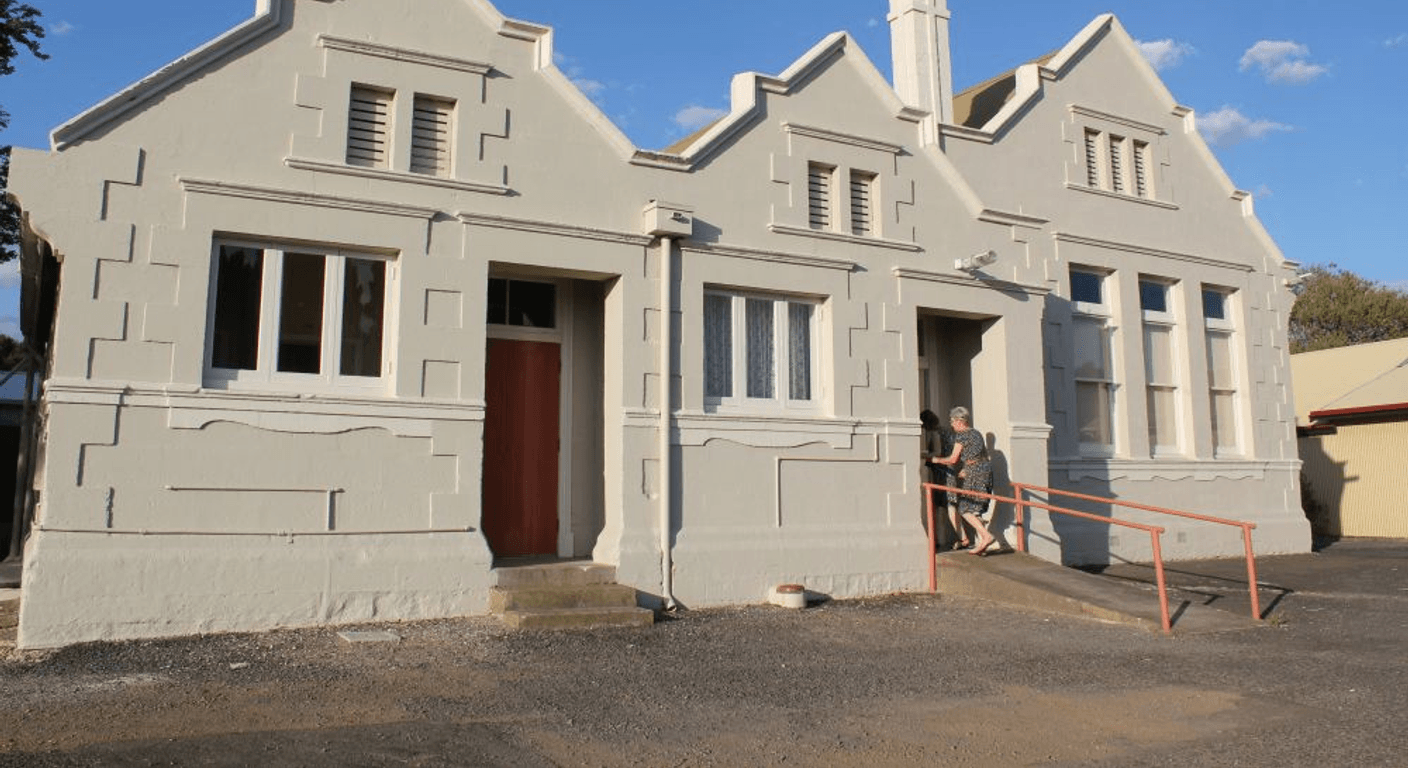
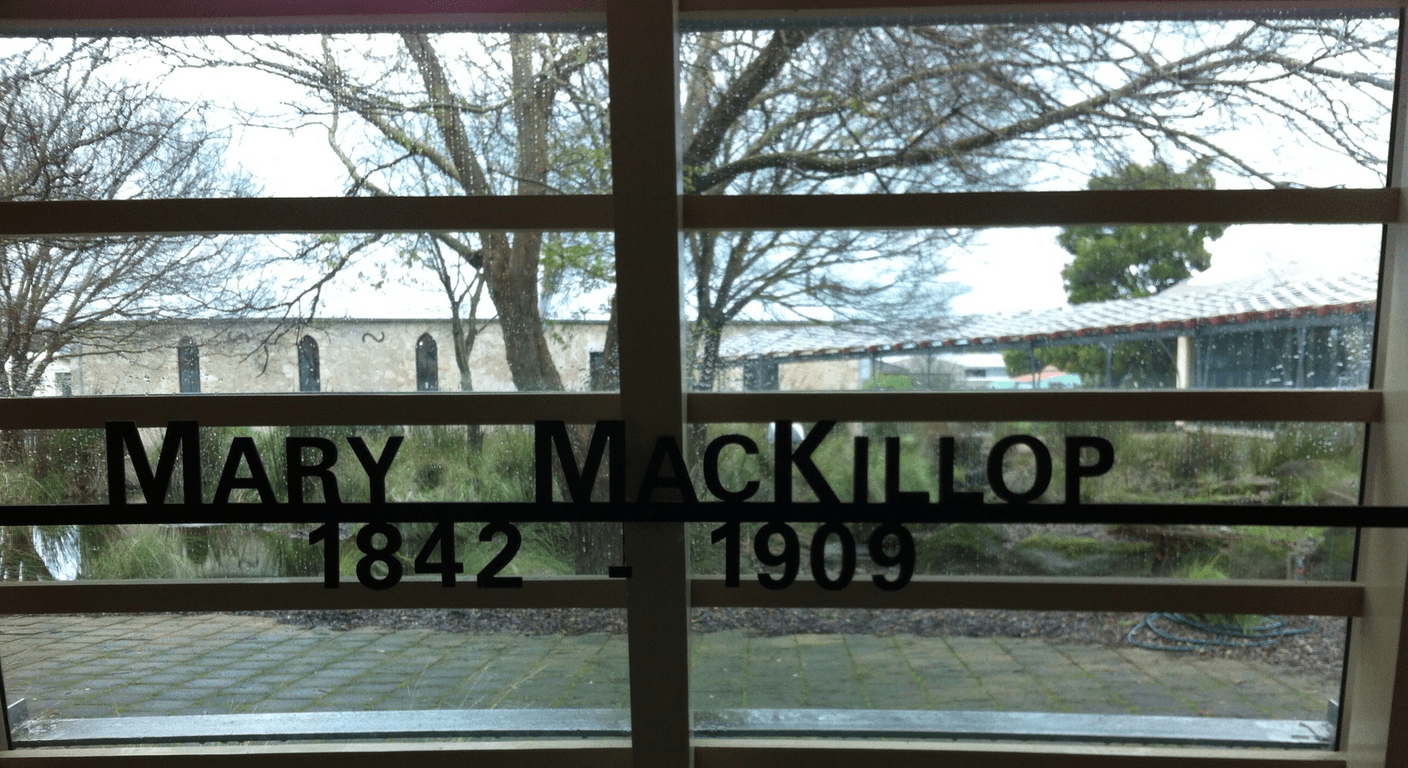
The Mary MacKillop Penola Centre stands on the site where, in 1866, a 24-year-old Mary MacKillop opened a modest schoolroom in a converted stable. That schoolroom — and the story of what grew from it — is the heart of the visit. MacKillop went on to co-found the Sisters of St Joseph of the Sacred Heart, was excommunicated, reinstated, and in 2010 became the first Australian to be canonised by the Catholic Church. The centre tells that story with care and without hagiographic excess.
The interpretive displays are well produced and accessible. There's enough context for visitors who arrive knowing little beyond the name, and enough depth for those who've followed the canonisation story over the years. The reconstructed schoolroom is a genuinely affecting space — small, plain, and unexpectedly moving. Allow around 45 minutes to an hour inside.
Entry is priced modestly — confirm the current fee directly with the centre before visiting, as it may have been updated. Even at full price, it's well under $30 per person, which makes it one of the better-value heritage experiences in regional South Australia. The centre has accessible facilities, and the layout suits those who prefer to take their time.
Petticoat Lane: The Free Walk That Completes the Picture
A short walk from the centre sits Petticoat Lane — officially a stretch of Roper Street — lined with a row of restored colonial cottages that date to the 1860s and 1870s. The lane is free to walk past, and the National Trust of South Australia has documented the heritage precinct well. You're not going inside the cottages; you're reading the streetscape as a kind of open-air museum.
The name itself has a pleasingly prosaic origin: it was simply where the local seamstresses and domestic workers lived. No glamour, no mythology. Just a row of small limestone dwellings that somehow survived while everything around them changed. On a clear autumn morning, with the light sitting low and golden on those stone facades, it's a quietly beautiful fifteen minutes.
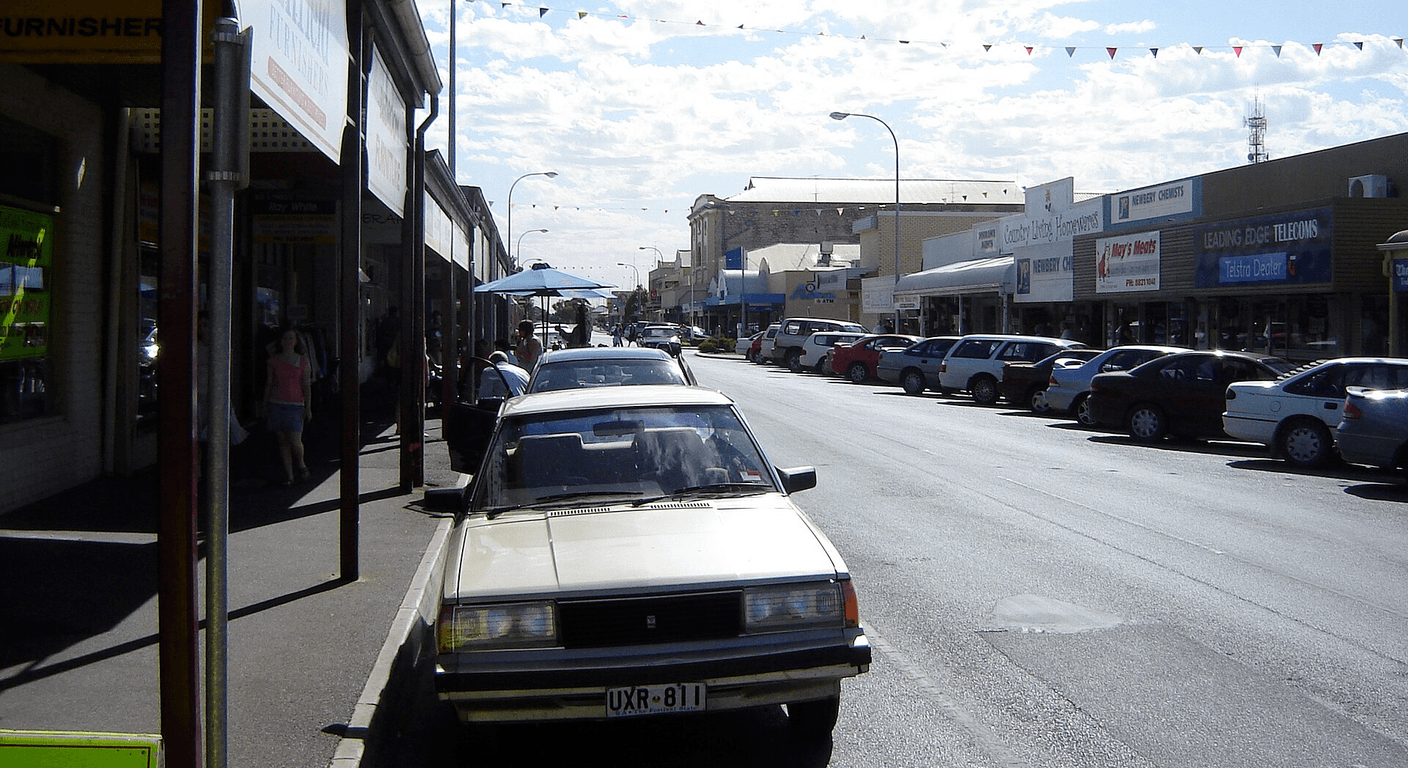
The lane connects naturally with a broader stroll through Penola's town centre. The main street has a couple of cafés suited to a mid-morning coffee and a rest, and the overall scale of the town means you're never far from the car if you need it.
Getting There: The Drive from Adelaide and Melbourne
From Adelaide, Penola is roughly four hours by car — around 375 kilometres south-east via the South Eastern Freeway and the Dukes Highway. It's a straightforward drive with good rest stop options at Keith and Bordertown. For a couple driving from the city, leaving by 8am puts you in Penola before midday with time for the centre, lunch and Petticoat Lane before a 3pm departure.
From Melbourne, the distance stretches to around five hours via the Princes Highway through Geelong and Warrnambool, or slightly longer via Hamilton. Either way, it's a substantial drive — and one that suggests an overnight stop in Penola or nearby Naracoorte rather than a same-day return. Naracoorte, about 35 kilometres north, has comfortable motel accommodation and its own World Heritage fossil caves site if you want to extend the trip.
There is no direct public transport to Penola. The nearest regional centre with coach connections is Mount Gambier, roughly 45 kilometres to the south. From Mount Gambier, you'd need a hire car or taxi to reach Penola — feasible, but a car-based itinerary is by far the more practical approach for this destination.
Pacing the Day: A Practical Order of Events
Start at the Mary MacKillop Penola Centre when it opens. Morning light is better for photographs, and you'll have the interpretive spaces largely to yourself before any tour groups arrive. Spend 45 minutes to an hour there — don't rush the schoolroom.
From the centre, Petticoat Lane is a short, flat walk. Take it slowly. Read the heritage signage. Then head to one of the town's cafés for a late breakfast or early lunch before considering whether the afternoon warrants a drive out to one or two Coonawarra cellar doors — many are within ten minutes of Penola's main street. If wine isn't the priority, the drive back through the Limestone Coast landscape is its own reward.
The entire Penola-centred portion of the day — centre, lane, café — can be done comfortably in three hours. Nothing is rushed. Nothing requires booking ahead. For travellers who've spent years navigating crowded tourist sites, that unhurried quality is worth something in itself.
Practical Comfort: What to Know Before You Go
Penola's streets are flat and sealed, making it genuinely easy for those who find uneven ground or hills a concern. The Mary MacKillop Penola Centre is accessible; confirm specific accessibility requirements directly with the centre before visiting. Public toilets are available in the town centre.
Summer (December–February) in this part of South Australia can be very warm — occasionally over 35°C — so spring and autumn are the more comfortable choices for a walking visit. Winter is mild by southern Australian standards, though the Limestone Coast can have cool, overcast days. Layers are sensible year-round.
Fuel up in Penola if you're continuing to Mount Gambier or returning to Adelaide. Mobile coverage is reasonable in town but can be patchy on the surrounding roads — download any maps before leaving the city. And if you're travelling as a couple with one partner who finds long drives tiring, the four-hour Adelaide route is the more manageable option.
Beyond Penola: Making a Weekend of the Limestone Coast
If one day feels like too short a reason for a four-hour drive, the Limestone Coast rewards a two-night stay. Naracoorte Caves National Park — a World Heritage site with genuinely impressive fossil chambers — is 35 kilometres north and easily combined with a Penola day. Mount Gambier, to the south, has the Blue Lake and a well-developed regional food scene.
Accommodation in Penola itself is limited but decent — a handful of B&Bs and self-contained cottages suit couples well. Naracoorte and Mount Gambier offer more choice, including accessible motel rooms. Book ahead in spring and during school holidays when the region is busier than it appears.
The Coonawarra cellar doors are, of course, still there. A visit to one or two — Wynns Coonawarra Estate and Balnaves of Coonawarra are among the most established — pairs well with the cultural morning in Penola. The point of this guide, though, is that the wine trail is optional. Penola has earned a visit entirely on its own terms.
Quick planning guide
| Ideal pace | Slow and unhurried, no bookings required |
|---|---|
| Best months | Spring and autumn for cooler walking weather |
| Suggested stay | About three hours, or a two-night stay to include Naracoorte and Mount Gambier |
| Mobility level | Easy — flat, sealed streets and short walking distances |
| Cost level | Budget-friendly, under $30 for the main paid attraction |
| Comfort level | Comfortable, with accessible facilities and cafés nearby |
| Best for | Couples interested in history who prefer manageable, low-effort itineraries |
| Main planning consideration | No direct public transport, so a private or hire car is essential for the drive from Adelaide or Melbourne |
Key takeaways
- The Mary MacKillop Penola Centre marks where Australia's first saint opened her first school in 1866 — entry is modest, confirm current pricing directly with the centre.
- Petticoat Lane's row of restored colonial cottages is free to walk past and takes around fifteen minutes at a comfortable pace.
- Penola's flat, compact streets make it one of the easier heritage towns in regional South Australia for travellers who prefer manageable distances.
- The town is roughly four hours from Adelaide by car and around five from Melbourne — an overnight stop in Penola or Naracoorte avoids a very long return drive.
- There is no direct public transport to Penola; a hire car or private vehicle is the practical choice for this destination.
- Spring and autumn offer the most comfortable temperatures for walking the town; summer can reach over 35°C in this part of South Australia.
Recommended partners and links
Indicative prices only — always confirm with the operator before booking.
Frequently asked questions
How much does it cost to visit the Mary MacKillop Penola Centre?
Entry to the Mary MacKillop Penola Centre is priced modestly — generally well under $30 per person — but fees can change. Confirm the current price directly with the centre via mackilloppenola.org.au before visiting.
Is Petticoat Lane in Penola free to visit?
Yes. Petticoat Lane — a heritage-listed row of colonial cottages on Roper Street in Penola — is free to walk past. It's an outdoor streetscape, not an indoor attraction, and is accessible at any time during daylight hours.
How long does a visit to Penola take?
The Mary MacKillop Penola Centre takes around 45 minutes to one hour. Adding Petticoat Lane and a café stop, the full Penola experience fits comfortably into a half-day — roughly three hours in town.
Can you do Penola as a day trip from Adelaide?
Yes, though it's a substantial day. Penola is around four hours from Adelaide by car — roughly 375 kilometres via the Dukes Highway. Leaving Adelaide by 8am allows a comfortable morning in Penola and a late-afternoon return. An overnight stop in Penola or Naracoorte is a more relaxed alternative.
Is Penola suitable for travellers with mobility considerations?
Penola is well suited to travellers who prefer flat, manageable distances. The town centre is compact and the streets are sealed and level. The Mary MacKillop Penola Centre has accessible facilities; confirm specific requirements with the centre before visiting.