Moonta, on South Australia's Yorke Peninsula, is best visited April to October, avoiding summer heat that makes its heritage precinct uncomfortable. A half-day to full day suits most travellers, centred on the Moonta Mines heritage precinct, museum and Cornish pasty lunch. Mobility is moderate — outdoor mine ruins have uneven, unpaved paths, though the museum itself is accessible. There's no public transport from Adelaide; a hire car for the two-hour drive is essential.
Why Moonta Deserves More Than a Passing Glance
There's a particular pleasure in arriving somewhere that hasn't been polished for tourism. Moonta hasn't. It's a genuine country town of around 2,500 people, with a main street that still functions as a main street — hardware store, bakery, pub — and a heritage precinct that tells its story without theatrical embellishment. The copper was discovered here in 1861, and within a decade Moonta Mine was the richest copper mine in Australia. The Cornish miners who worked it brought their food, their faith, their music and their stubborn independence. Much of that is still legible in the built fabric of the town.
For a solo traveller, Moonta has a comfortable scale. You can walk the town centre in twenty minutes, spend a good two to three hours at the mines precinct, and still have time for a proper sit-down lunch. It's the kind of place where a stranger at the bakery counter is likely to get a recommendation, unsolicited and accurate. That's not a small thing.
Getting There: The Drive from Adelaide
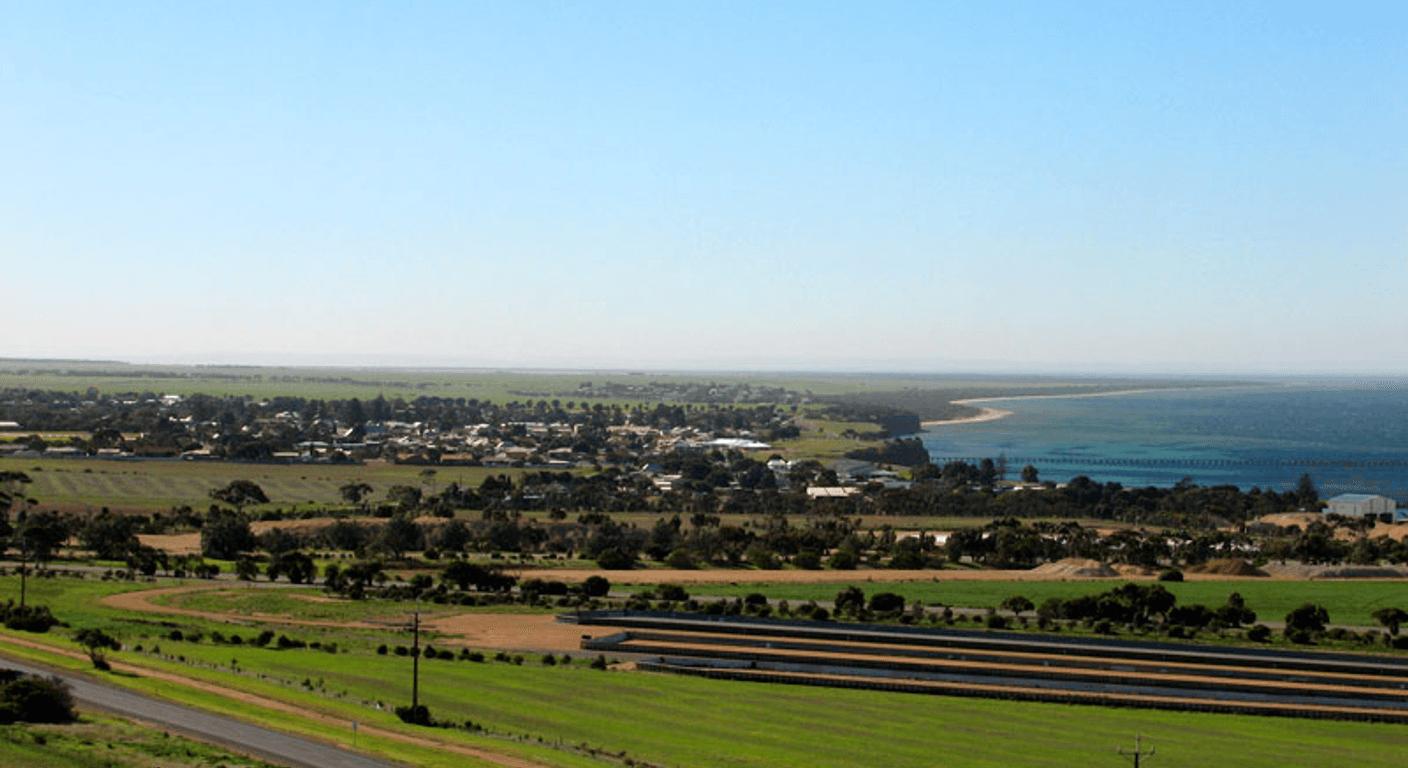
Moonta is roughly 160 kilometres north of Adelaide, following the Augusta Highway and then cutting west across the peninsula. The drive takes around two hours in easy conditions, passing through Clare Valley country before the landscape opens into the flat, salt-scrubby terrain of the Yorke Peninsula. It's a comfortable drive — largely flat, good road surfaces — and there are sensible stops along the way if you prefer not to push through.
Be clear-eyed about one thing: there is no practical public transport option from Adelaide to Moonta for a day trip. A hire car or your own vehicle is the realistic choice. If you're based in Adelaide for a longer stay, car hire from the CBD is straightforward; confirm availability and rates with your preferred operator. Some travellers combine Moonta with Kadina and Wallaroo into a loose Copper Triangle loop — all three towns are within twenty minutes of each other.
The Moonta Mines Heritage Precinct: What's Actually There
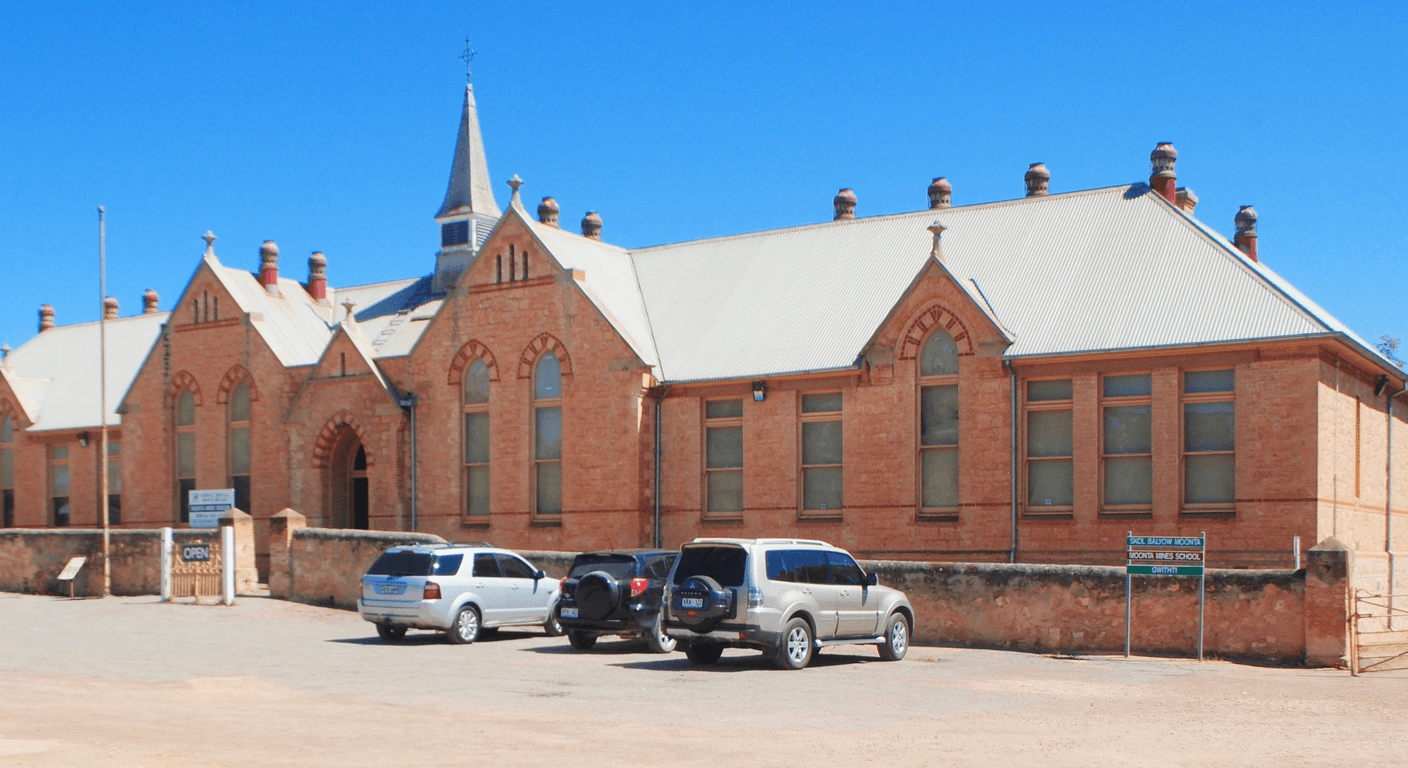
The heart of the visit is the Moonta Mines heritage area, managed in part by the National Trust of South Australia. The centrepiece is the Moonta Mines Museum, housed in the old mine school — a handsome stone building dating from 1878 that is, in itself, worth a look. Inside, the collection covers the geology of the copper lodes, the working conditions underground, and the social world the Cornish community built above ground: their chapels, their feast days, their pasties. The interpretation is well-considered and doesn't talk down to adults.
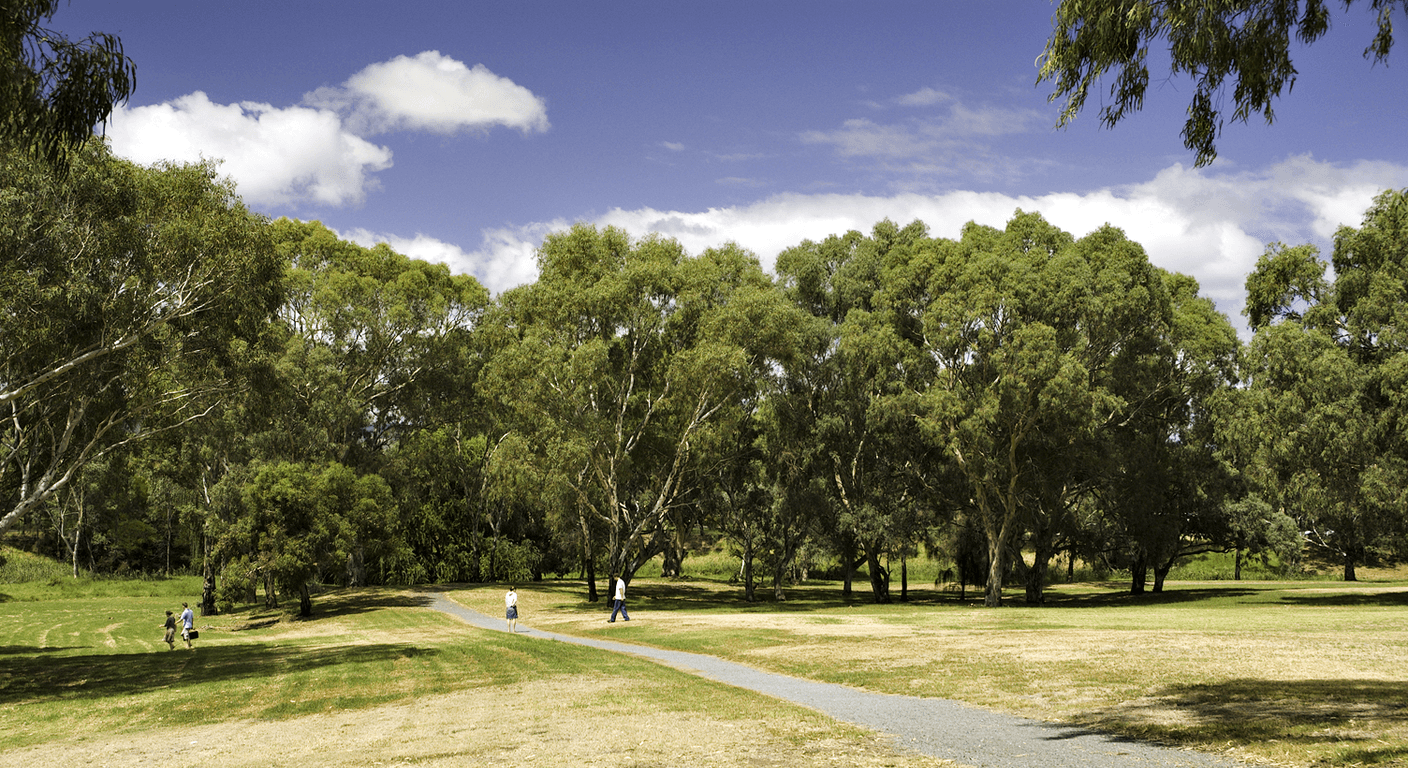
Spread across the wider precinct are the ruins of the engine houses, the mine manager's house, and various stone structures that give a physical sense of industrial scale. Some paths are unpaved and slightly uneven — sensible footwear is worth the thought. A mobility scooter or walking frame would find parts of the outdoor area challenging, though the museum itself is accessible. Always worth calling ahead if mobility is a specific concern.
Entry fees are indicatively modest — around $10–$15 for the museum, confirm current pricing directly with Moonta Mines or the National Trust SA before you go. The precinct is the kind of place that absorbs an unhurried two hours without any effort.
The Tourist Railway: Confirm Before You Go
The Moonta Mines Tourist Railway is a narrow-gauge loop that runs through the old mining landscape, giving you a seated, shaded way to take in the scale of the diggings. It's a genuine heritage railway — a diesel-hauled train on original mine infrastructure — not a theme-park ride. The views across the ruins and the scrub have a melancholy, open quality that suits the story.
The railway operates on set days and not every day of the week, so confirming the timetable before you build your visit around it is essential. Check directly via the Moonta Mines website (moontamines.com.au) or phone ahead. Fares are indicatively under $20; confirm current prices at the same time. Missing the train because you didn't check is the kind of minor disaster that a five-minute phone call prevents.
The Cornish Pasty: A Cultural Obligation
The Cornish pasty arrived in Moonta with the miners and has never left. A proper pasty — dense, crimped, filled with beef and vegetables — was designed to be carried underground and eaten with dirty hands, the thick crust acting as a handle to be discarded. Moonta's bakers have been making them for well over a century and, while the underground hand-washing problem has been solved, the recipe hasn't changed much.
Several bakeries in Moonta and the surrounding Copper Triangle towns produce pasties worth seeking out. Ask locally for current recommendations — bakery form varies and the best one in town is the kind of thing locals have strong opinions about. A pasty and a coffee makes a perfectly calibrated lunch for around $10–$15, indicative, and leaves you in no danger of being hungry for the drive home. This is not a meal to rush.
Extending the Day: Kadina, Wallaroo and the Copper Triangle
If the drive from Adelaide justifies a longer day or an overnight stay, the Copper Triangle rewards it. Kadina, the largest of the three towns, has the Kadina Heritage Museum — another solid local collection covering the region's mining and pastoral history. Wallaroo, on the coast, has a working grain port and a calmer waterfront than the name might suggest. The three towns are close enough that you can move between them without any sense of rushing.
The biennial Kernewek Lowender Cornish Festival transforms the Copper Triangle every two years — Cornish music, food, dance and a genuine community spirit that is worth timing a visit around if the dates align. The festival was held in May 2025; confirm whether 2027 dates have been announced via kerneweklowender.com.au. Outside festival time, the towns are quieter but no less interesting — arguably more so, if you prefer a place to yourself.
An overnight stay in Moonta or Wallaroo adds a different quality to the visit. Waking up in a small Yorke Peninsula town, walking to a bakery before the day-trippers arrive — it's a different experience from a fly-in, fly-out day trip. Accommodation options are modest but comfortable; confirm availability and rates directly with local providers or via South Australian tourism booking platforms.
Practical Considerations for the Over-50 Traveller
The Yorke Peninsula climate is best between April and October. Summer (December to February) brings heat that makes outdoor heritage exploration less enjoyable and, for some travellers, genuinely uncomfortable. Spring and autumn are the sweet spots — mild temperatures, good light, and the peninsula's wildflowers in season from August.
The outdoor sections of the Moonta Mines precinct involve some uneven ground and open sun exposure. A hat, sunscreen and comfortable walking shoes are not optional. The museum itself offers shade and seating. If you have specific mobility requirements, contact the National Trust SA or Moonta Mines directly before visiting — they can advise on what's accessible and what's not, which is more useful than a general rating.
Travel insurance that covers pre-existing conditions is worth reviewing before any trip, even a domestic day trip by car. For a solo traveller, ensuring someone knows your itinerary is a straightforward precaution. The drive back to Adelaide in the late afternoon can involve sun glare on certain road sections heading south and east — polarised sunglasses are a practical investment.
Quick planning guide
| Ideal pace | Slow-paced and unhurried |
|---|---|
| Best months | April to October; avoid summer heat |
| Suggested stay | Half a day to a full day, with overnight optional |
| Mobility level | Moderate — uneven, unpaved paths in the outdoor precinct, though the museum is accessible |
| Cost level | Budget-friendly, generally under $30 for entry and lunch |
| Comfort level | Comfortable with sensible footwear, hat and sunscreen |
| Best for | Solo travellers and those who prefer genuine heritage over polished tourism |
| Main planning consideration | No public transport to Moonta — a car is essential, and the tourist railway timetable should be confirmed in advance |
Key takeaways
- Moonta is roughly two hours by road from Adelaide — a hire car or your own vehicle is the only practical way to get there.
- The Moonta Mines Tourist Railway runs on set days only; always confirm the timetable before visiting.
- Museum entry and railway fares are indicatively under $20 each — confirm current prices directly with Moonta Mines or National Trust SA.
- April to October is the most comfortable time to visit; summer heat makes outdoor heritage walking less pleasant.
- A Cornish pasty from a local bakery is the defining culinary experience of a Moonta visit — ask locally for current recommendations.
- The Copper Triangle (Moonta, Kadina, Wallaroo) can be combined into a single day or extended to an overnight stay with little extra planning.
Recommended partners and links
Indicative prices only — always confirm with the operator before booking.
Frequently asked questions
How far is Moonta from Adelaide and how long does it take to drive?
Moonta is approximately 160 kilometres north of Adelaide via the Augusta Highway, and the drive takes around two hours in normal conditions. There is no practical public transport option for a day trip — a car is required.
What is the Moonta Mines Tourist Railway and when does it run?
The Moonta Mines Tourist Railway is a narrow-gauge heritage railway that loops through the old copper mining landscape. It operates on set days, not daily, so you must confirm the current timetable directly with Moonta Mines (moontamines.com.au) before planning your visit. Fares are indicatively under $20; confirm current prices when you check the timetable.
Is the Moonta Mines heritage precinct accessible for travellers with mobility concerns?
The Moonta Mines Museum is accessible, but the outdoor sections of the precinct include unpaved paths and uneven ground that may challenge some mobility aids. Contact National Trust SA or Moonta Mines directly before visiting for current accessibility detail — they can advise on specific requirements.
What is a Cornish pasty and why is it associated with Moonta?
A Cornish pasty is a baked pastry filled with beef, potato and vegetables, crimped along one edge. It was the traditional working lunch of Cornish tin and copper miners, who brought the recipe to Moonta when they emigrated in the 1860s. Several bakeries in Moonta and the wider Copper Triangle continue to make them to traditional recipes.
What is the best time of year to visit Moonta?
April to October offers the most comfortable conditions for visiting Moonta, with mild temperatures suited to outdoor heritage exploration. Summer months (December to February) can bring significant heat that makes walking the open-air mining precinct uncomfortable.