Moonta, on South Australia's Yorke Peninsula, is about two hours north of Adelaide via the Copper Coast Highway, with limited coach options for those without a car. Autumn and spring suit it best, and three to four unhurried hours are enough, or a full day combined with Kadina and Wallaroo. The defining highlight is the Moonta Mines heritage precinct, with its stone engine houses, tourist railway and Cornish pasties. The mostly flat walking track keeps mobility demands low.
Why Moonta Resonates Well Beyond Its Size
There's a particular satisfaction in arriving somewhere and finding it exactly as substantial as promised — no inflation required. Moonta is that kind of town. The stone buildings along the main street were laid by Cornish hands in the 1860s and 70s, built to last by people who had no intention of going home. They stayed, they married, they kept their dialect and their food, and their descendants are still here. That continuity is tangible in a way that museum reconstructions rarely manage.
For a traveller who appreciates the layered story of migration to Australia — and many Greek Australians, who carry their own version of that story, feel an instinctive kinship with communities that preserved culture under pressure — Moonta offers something genuine. The Cornish didn't assimilate quietly. They held festivals, formed brass bands, and baked pasties with a distinctive crimp that marked whose lunch was whose down in the dark of a mine shaft. Some things don't need to be explained; they just need to be tasted.
The town is also, practically speaking, very manageable. The scale is human, the pace is unhurried, and nothing requires you to rush. That's not a small thing when you're planning a day that should feel like pleasure rather than effort.
Getting There from Adelaide — What the Drive Actually Involves
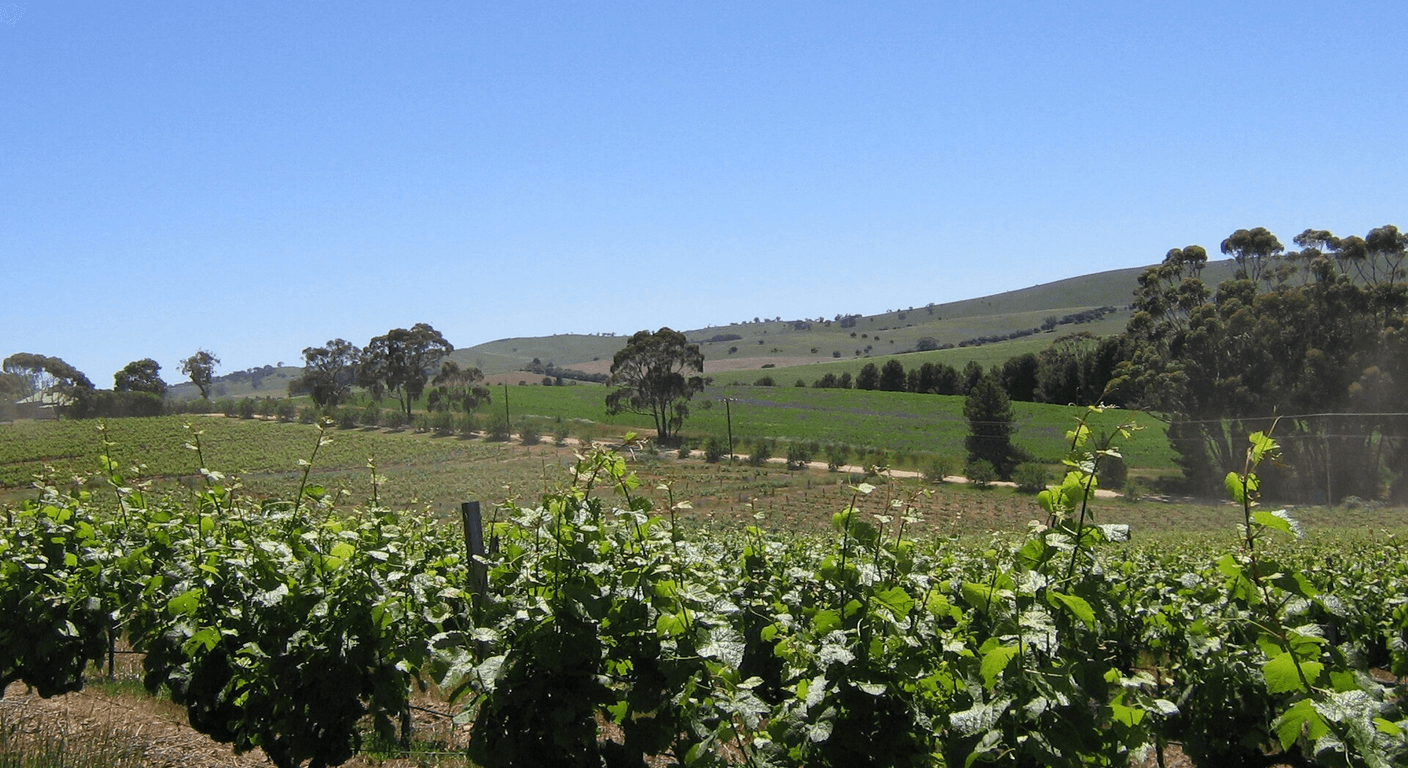
Moonta is around 160 kilometres north of Adelaide — roughly two hours by car via the Copper Coast Highway, depending on conditions and how many times you pull over for a look at the grain country opening up around Port Wakefield. The drive is straightforward: largely flat, well-signed, and not particularly demanding. For a couple sharing the wheel, it's a pleasant run.
Public transport is possible but requires planning. A coach service connects Adelaide to Kadina, the largest of the three Copper Triangle towns, and Moonta is about 14 kilometres from there. Taxis and rideshare options in the region are limited, so anyone without a car should confirm local connections carefully before committing. For most visitors from Melbourne, flying into Adelaide the day before and hiring a car the next morning is the cleanest approach — it avoids the fatigue of a very long day and gives you the flexibility to linger.
If you're combining Moonta with Kadina and Wallaroo — the other two points of the Copper Triangle — allow a full day for the loop rather than trying to compress it. Each town has its own character, and Moonta deserves at least three or four unhurried hours.
The Moonta Mines Precinct: Walking the Old Ground
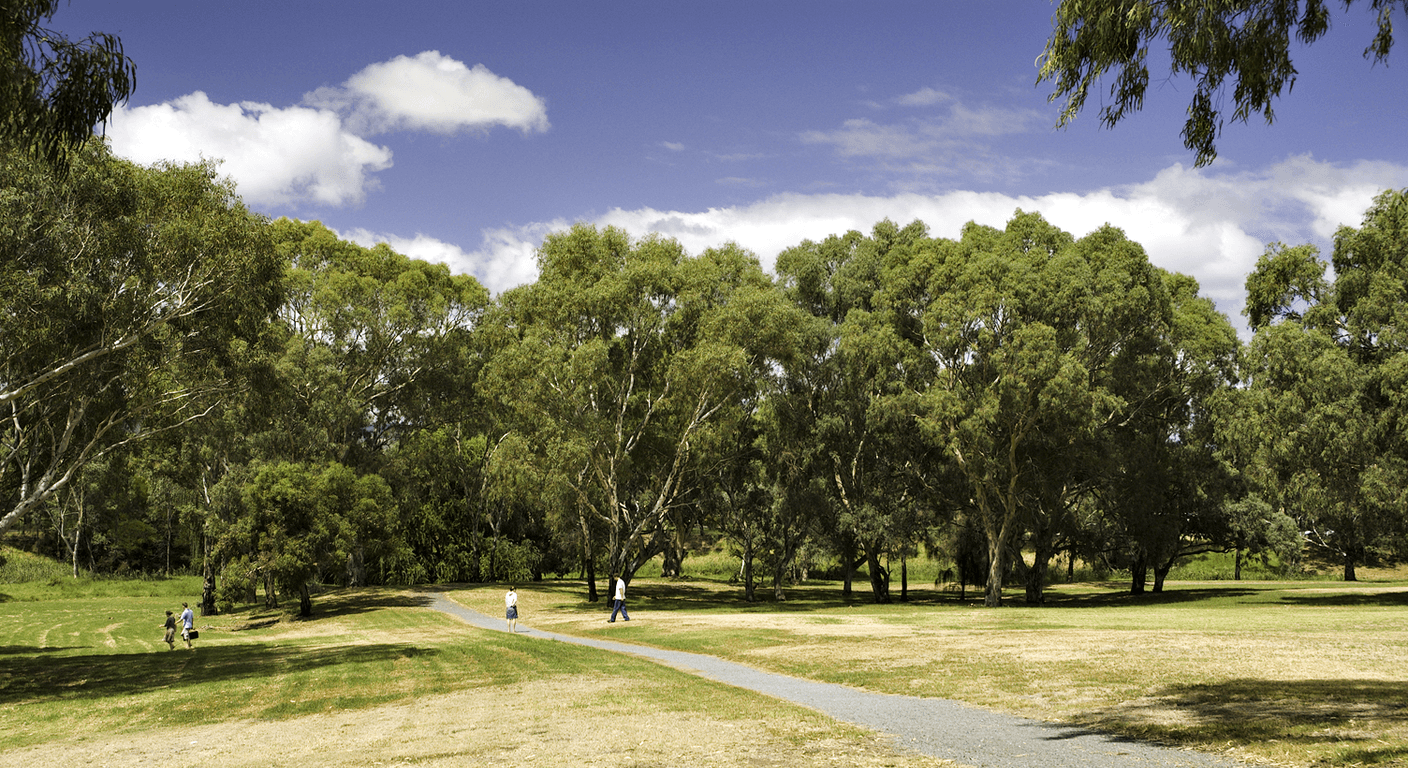
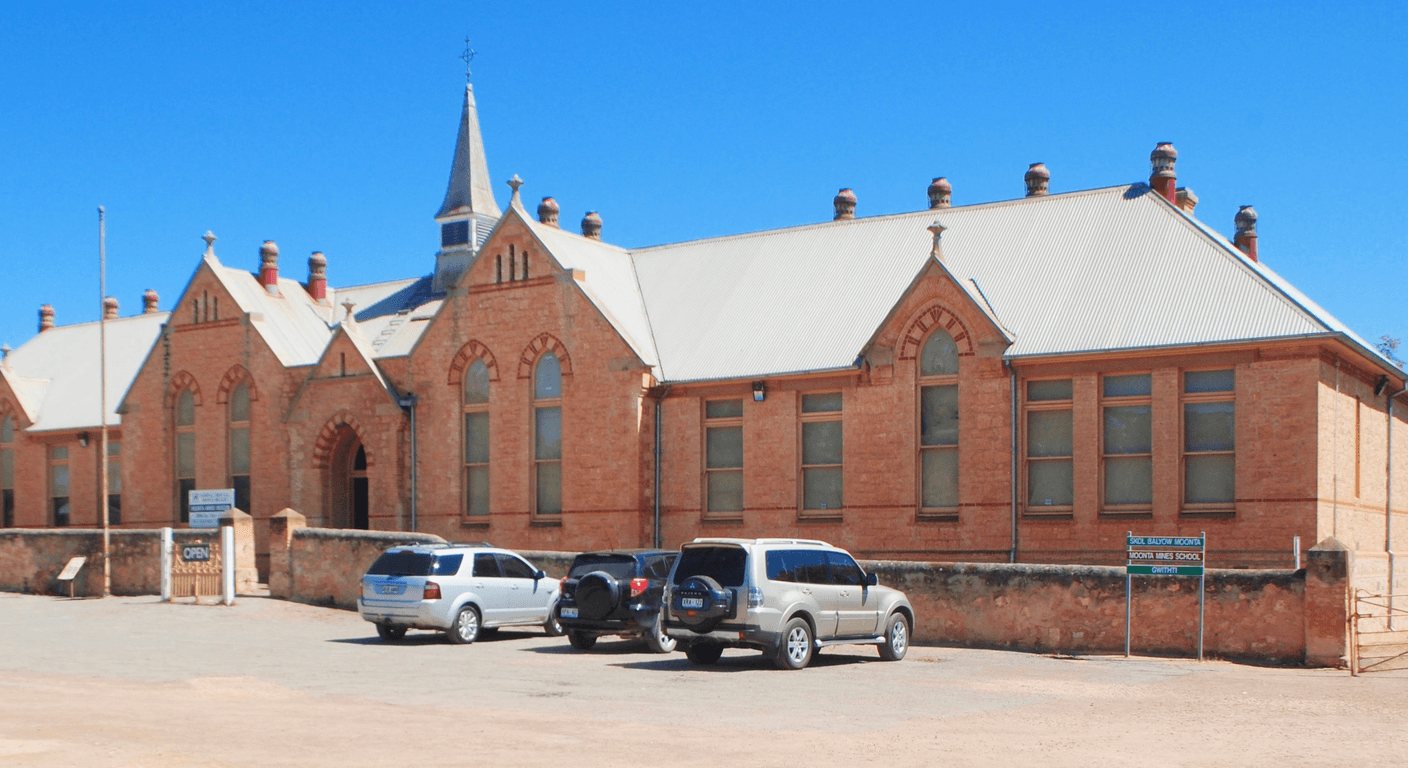
The Moonta Mines heritage precinct is the heart of the visit. The site preserves engine houses, a miners' village, the old school, and the precinct's centrepiece — a landscape of low stone ruins and chimney stacks that speak quietly of an industry that once employed thousands. The main walking track through the site is mostly flat, which matters. Good footwear is still sensible — the ground is uneven in places — but this is not a trail that demands fitness. It rewards curiosity.
The Moonta Mines Tourist Railway runs through the precinct on selected days, pulling heritage carriages past the old workings. It's a short ride, but the commentary adds context that the landscape alone can't always provide. Fares are generally under $30 per adult — indicative only, and you should confirm the current timetable and pricing directly with the operators at moontamines.com.au before building your day around it. Not every weekend, not every week. Check first.
The Moonta Mines site also includes a museum in the old school building, which houses a well-organised collection of mining equipment, photographs, and personal effects from the Cornish community. It's the kind of local museum that punches above its weight — specific, well-labelled, and not trying to be anything it isn't.
The Pasty Question — and Why It Matters
The Cornish pasty deserves a proper introduction, not a footnote. Originally a working miner's meal — a complete lunch folded into a pastry case, with meat and vegetables at one end and sometimes jam or fruit at the other — the pasty was designed to be eaten with dirty hands. The thick crimped edge was the handle; you discarded it underground. In Moonta, that tradition never entirely faded, and the town's bakeries take it seriously.
The pasties sold in Moonta today are short-crust, generously filled, and best eaten warm. They're not identical to what you'd find in Cornwall — a century and a half of Australian ingredients and local adaptation has done its work — but they're honest food with a direct lineage. For a mid-morning snack or an early lunch before walking the mine site, they're exactly right.
Several bakeries in town sell them; the Moonta Visitor Information Centre on George Street can point you to current options. Eating one in the shade of a stone building that a Cornish miner put up in 1872 is not a complicated pleasure, but it's a real one.
Kernewek Lowender: If Your Timing Aligns
Every odd-numbered year, the Copper Triangle towns host Kernewek Lowender — Cornish for 'Cornish happiness' — a festival celebrating the region's Cornish heritage with music, pasty competitions, wrestling, and re-enactments. It typically runs in May and draws visitors from across Australia and, increasingly, from Cornwall itself. Confirm the next dates and program through the official festival channels, as the schedule shifts.
Visiting during the festival adds a layer of life to the heritage sites that's genuinely engaging, but it also means busier roads and accommodation that books up early. For a couple who prefers quiet, an off-festival visit has its own merits — you'll have the mine precinct largely to yourselves, the bakeries will be unhurried, and the town reveals itself more slowly.
Practical Comfort: Where to Pause, Rest and Eat
Moonta is a small town, and its café and restaurant options reflect that. The bakeries are the reliable anchor — open early, central, and exactly suited to a morning stop before walking. For a sit-down lunch, options are modest; it's worth checking current openings through the Yorke Peninsula visitor website before you go, as small-town hospitality businesses can change hours seasonally.
If the day stretches pleasantly and you find yourself reluctant to leave, Moonta Bay — about three kilometres from the town centre — offers a quiet beach, a caravan park, and a handful of accommodation options. Staying overnight removes all time pressure and turns a day trip into something more generous. Kadina, 14 kilometres away, has a wider range of motel and hotel accommodation if you prefer a larger centre.
Shade and seating at the mine precinct are available but not lavish. On a warm day, carrying water is simply sensible. The South Australian sun in summer is not forgiving, which is one reason the shoulder seasons — autumn and spring — suit this destination so well. March through May in particular: the light is long, the heat has stepped back, and the stone buildings glow.
What to Know Before You Go
The heritage train is the one element that requires advance confirmation. Everything else — the walking track, the museum, the bakeries, the town itself — is available on any given day. But if the train ride is something you want, check the current timetable at moontamines.com.au well before your visit. Running days vary and are not always aligned with public holidays or weekends.
Travel insurance is worth mentioning for visitors flying from Melbourne or Sydney — not because Moonta presents any particular risk, but because a day trip to a regional South Australian town sits within a broader travel plan that should be properly covered. Pre-existing conditions are standard for travellers in this age group; choosing a policy that addresses them without excessive exclusions is worth the extra attention.
Finally: Moonta is not a destination that performs for you. It doesn't have a visitor experience designed to impress in the first five minutes. It opens up gradually, through the detail of a stone wall, a mine chimney against the sky, a pasty eaten in the quiet. For travellers who've seen enough of the world to value that quality, it's exactly the right register.
Quick planning guide
| Ideal pace | Slow-paced and unhurried |
|---|---|
| Best months | March–May and September–November (autumn and spring shoulder seasons) |
| Suggested stay | 3–4 hours minimum; a full day if combined with Kadina and Wallaroo; overnight at Moonta Bay for a more relaxed pace |
| Mobility level | Easy — the main walking track is mostly flat, though good footwear is sensible for uneven ground |
| Cost level | Budget-friendly (heritage train fares generally under $30 per adult) |
| Comfort level | Modest — small-town bakeries and cafés, with limited shade at the mine precinct on hot days |
| Best for | Travellers over 50 who value heritage and history over spectacle, especially those with an interest in migration stories |
| Main planning consideration | The heritage tourist railway runs on selected days only — confirm the current timetable at moontamines.com.au before building the day around it |
Key takeaways
- Moonta is roughly two hours north of Adelaide and easily managed as a day trip by car from the city.
- The Moonta Mines walking track is mostly flat, making it accessible for travellers who prefer an easy pace.
- The heritage tourist train runs on selected days only — confirm the current timetable at moontamines.com.au before visiting.
- Cornish pasties sold in Moonta's bakeries are a direct, living legacy of the 19th-century Cornish mining community.
- Autumn (March to May) and spring (September to November) are the most comfortable seasons for a visit.
- Combining Moonta with Kadina and Wallaroo in a Copper Triangle loop makes for a full and rewarding day.
Recommended partners and links
Indicative prices only — always confirm with the operator before booking.
Frequently asked questions
How far is Moonta from Adelaide and how do you get there?
Moonta is approximately 160 kilometres north of Adelaide, around a two-hour drive via the Copper Coast Highway. A car is the most practical option; public coach services connect Adelaide to nearby Kadina, but onward transport to Moonta from there is limited, so confirm local connections before travelling without a car.
When does the Moonta Mines Tourist Railway run?
The heritage tourist train runs on selected days — not every day or every weekend. Always check the current timetable directly with the operators at moontamines.com.au before making it part of your plans. Fares are generally under $30 per adult, but confirm current pricing when you check the schedule.
Is the Moonta Mines site suitable for travellers with limited mobility?
The main walking track through the Moonta Mines heritage precinct is mostly flat and is generally manageable for travellers who prefer an easy pace. Sensible footwear is recommended as some ground surfaces are uneven. The heritage train provides a seated way to experience the site without extended walking.
What are Cornish pasties and why are they associated with Moonta?
A Cornish pasty is a short-crust pastry filled with meat and vegetables, originally designed as a portable meal for Cornish miners. Thousands of Cornish miners settled in Moonta from the 1860s onward, bringing the tradition with them. Local bakeries have maintained it ever since, making the pasty the defining food of the town.
What is the best time of year to visit Moonta?
March to May and September to November are the most comfortable months, when temperatures are moderate and the light is good. Summer heat on the Yorke Peninsula can be intense, and the mine precinct offers limited shade, so visiting in the shoulder seasons is the practical choice.