Mount Lofty Botanic Garden, about 45 minutes from Adelaide's CBD, is free to enter year-round and best visited from late March to mid-May, when Japanese maples, oaks and liquidambars turn deep red and gold. A half-day suits most visitors, with spring's rhododendron gullies a second highlight. Mobility is moderate — gravel paths are firm, but terrain drops steeply from the upper gate, so entering via the lower gate is easier. Driving is the practical way to arrive.
What makes Mount Lofty Botanic Garden worth a day trip?
Mount Lofty Botanic Garden covers around 97 hectares on the eastern slopes below the Mount Lofty Summit, in the Piccadilly Valley area of the Adelaide Hills. It is managed by the Botanic Gardens of South Australia and has been developing its cool-climate collection since the 1970s. Unlike the more formal Adelaide Botanic Garden in the city, this one feels wilder and more immersive — a landscape that rewards slow walking and unhurried looking.
The garden's reputation rests on two seasons. Autumn — roughly late March through to mid-May — brings the foliage display that most visitors come for: Japanese maples, pin oaks, liquidambars and other deciduous trees shifting through gold, orange and deep crimson. Spring (September to November) is rhododendron season, when the gullies fill with colour. But there is a case for visiting in winter too, when the garden is almost empty, mist sits in the valley, and the structure of the plantings becomes visible in a different way.
For a group of friends travelling together, it offers something that organised tourist attractions sometimes do not: room to spread out, to sit quietly, to take your time without feeling hurried. There is no entry fee, no timed tickets, and no particular performance required of you. You arrive, you walk, you find a bench if you need one, and you leave when you are ready.
How do you get there from regional Victoria or Adelaide?
Driving is the practical choice for most visitors, and the garden sits about 45 minutes from the Adelaide CBD via the South Eastern Freeway and then Piccadilly Road or Lampert Road. From regional Victoria, the most common approach is to drive or take the train to Adelaide and then hire a car or join a small-group day tour from the city. The Overland train (Great Southern Rail) connects Melbourne to Adelaide, though it runs only twice weekly — check current timetables and book well ahead.
For those based in Adelaide, the garden is accessible by public transport with some effort. Adelaide Metro bus services run to the Hills area, but the walk from any bus stop to the garden gates is not short, and the terrain is hilly. If public transport is your preference, confirm the current route options with Adelaide Metro before you go, as services in the Hills are less frequent than in the city. A hire car, a taxi, or a rideshare arranged in advance is more reliable.
If you are travelling as a group of three or four, splitting the cost of a hire car from Adelaide for the day is economical and gives you flexibility over timing — important when you want to linger through a morning and still get back to the city for a late lunch somewhere in Hahndorf or Stirling.
What is the terrain honestly like — and where should you enter?
This is where honest guidance matters. Mount Lofty Botanic Garden drops steeply downhill from its upper car park and entrance into the main valley. If you enter from the upper gate (off Lampert Road), you will walk downhill first, which means a significant uphill return. For anyone with knee concerns, limited stamina on inclines, or mobility aids, this is worth knowing before you arrive rather than discovering mid-visit.
The practical solution is to enter at the lower gate instead, which gives you access to the valley floor and the main garden areas without the steep initial descent. You can then walk at a more level grade through much of the garden's best planting. Alternatively, some visitors drive down to the lower car park, walk the garden from that end, and simply retrace their steps on the flat rather than attempting the full circuit. The paths themselves are well-maintained gravel — firm and manageable in dry weather, but worth wearing sturdy shoes with grip, particularly in autumn when fallen leaves can be slippery.
Another option for a group is to arrange a drop-off at the upper gate, walk down through the garden at your own pace, and have someone collect the group at the lower car park at an agreed time. This works well when one person in the group is happy to drive and not walk, or when anyone in the group finds the downhill gradient easier than the return climb. The garden staff are generally helpful if you phone ahead to ask about current accessibility conditions — contact details are on the Botanic Gardens of South Australia website.
What will you actually see during autumn?
The autumn display at Mount Lofty Botanic Garden is not a single event with a fixed date — it builds gradually from late March and tends to peak somewhere in April, with colour lingering into early May depending on the season. The timing varies year to year with temperature and rainfall, so if you are travelling specifically for the foliage, it is worth checking the garden's social media or contacting the Botanic Gardens of South Australia closer to your travel date for a sense of where the season is at.
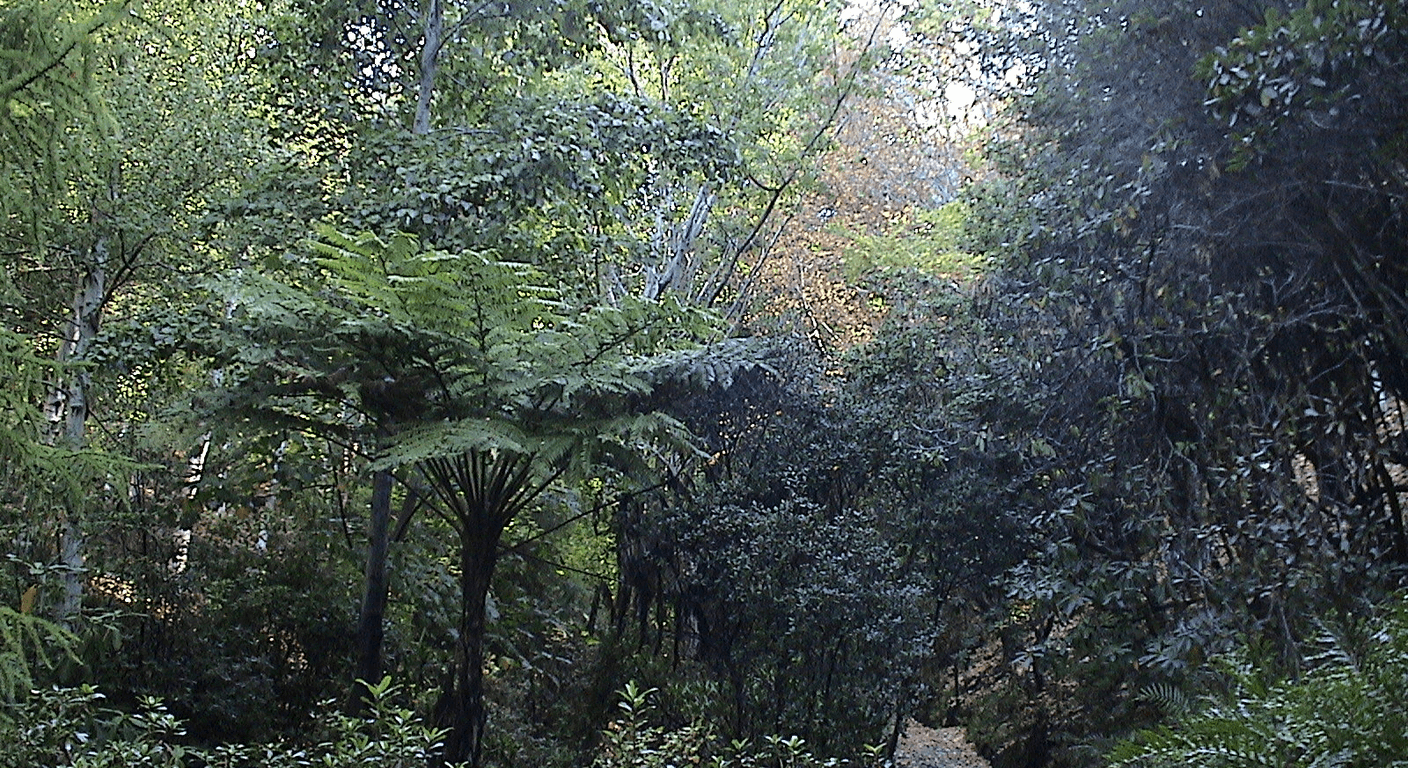
The most photographed section is the main valley floor, where the liquidambars and maples line the paths in dense plantings. The colours can be genuinely vivid — deep burgundy, warm orange, clear yellow — and the effect in morning light, with mist still in the gully, is one of those experiences that stays with you. The rhododendron gullies, which are the centrepiece of the spring display, are quieter in autumn but still pleasant to walk through for their structure and shade.
Beyond the foliage, the garden holds a significant collection of cool-climate trees and shrubs from the northern hemisphere and from similar climates in South America and the Himalayas. For anyone with a genuine interest in plants — and many travellers in this age group do have that interest, often developed over decades of gardening — there is real depth here beyond the visual spectacle. Labels are generally good. Bring reading glasses.
Where do you eat, and what else is nearby?
There is no cafe inside the garden itself, so bring your own morning tea if you want to sit and eat among the trees. There are picnic tables and benches in several spots. A thermos and something to eat from a Hahndorf bakery or a Hills deli picked up on the way in is a pleasurable approach, and it means you are not dependent on timing your visit around a cafe schedule.
The nearby township of Stirling (about 10 minutes by car) has a good range of cafes and restaurants suited to a relaxed lunch. Hahndorf, the well-known German-heritage town, is about 20 minutes further down the Hills and offers plenty of lunch options, though it can be busy on weekends. Both are worth building into the day if you have the energy. Crafers, closer to the freeway, has smaller options that tend to be quieter.
The Mount Lofty Summit lookout is a short drive from the garden and offers views over Adelaide and the coast on clear days — the car park and viewing platform are accessible, though the walking tracks around the summit vary in difficulty. The Cleland Wildlife Park is also nearby, and for a group that includes anyone who has not spent time with Australian wildlife up close, it is a worthwhile addition to the day.
What practical details should you sort before you go?
The garden is open every day of the year except Christmas Day. Opening hours vary seasonally — check the Botanic Gardens of South Australia website for current hours before you visit, as they are longer in summer and shorter in winter. Entry is free at all times. There are toilets at the upper car park area. The lower car park also has facilities, though it is worth confirming current amenity availability on the official site.
Weather in the Adelaide Hills can be noticeably cooler than in the city, particularly in autumn and winter. A layer or a light jacket is sensible even on days that seem warm in Adelaide. The Hills can also receive rain when the city is dry, so a small packable rain jacket takes up little room and earns its keep. Footwear with a firm sole and reasonable grip is more important here than on flat urban walking.
Mobile phone coverage can be patchy in some parts of the Hills, so if you are relying on navigation, download an offline map before you leave. If you are driving from Victoria and this is part of a longer road trip, the South Australian border crossing and fuel stops along the Dukes Highway are worth planning — the distances between towns on that route are longer than on Victorian roads, and fuel prices in remote areas can be higher than in regional centres.
Is this the right trip for your group?
Mount Lofty Botanic Garden suits travellers who are comfortable with a half-day of gentle walking on gravel paths, who value quiet over spectacle, and who enjoy landscapes that have been shaped by thoughtful planting over decades rather than engineered for tourism. It is not the right day out if someone in the group needs fully flat, sealed surfaces throughout — the terrain is too varied for that. But for most people in reasonable health who take their time, it is a very manageable and genuinely rewarding visit.
For a group of women travelling together from regional Victoria, it fits well as part of a longer Adelaide Hills itinerary — perhaps two or three days based in Stirling or Hahndorf, with the garden as one anchor of the trip alongside a winery or two in the Piccadilly Valley and some time in Hahndorf's heritage streetscape. The Hills reward slow travel, and that pace suits this age group well.
The fact that it is free matters too — not because the cost of a garden ticket is prohibitive, but because free entry removes the pressure to feel like you are getting your money's worth. You can spend two hours or five, wander back to a favourite spot, sit for a while longer than planned, and leave when it feels right. That kind of freedom is one of the genuine pleasures of travel when you are not on a fixed tour schedule.
Quick planning guide
| Ideal pace | Slow and unhurried, with time to sit and linger |
|---|---|
| Best months | Late March to mid-May for autumn colour; September to November for rhododendrons |
| Suggested stay | Half a day (two to five hours) |
| Mobility level | Moderate — firm gravel paths, but steep grades between the upper gate and valley floor |
| Cost level | Free entry year-round |
| Comfort level | Good — benches, picnic tables and toilets at both car park areas |
| Best for | Groups over 50 who want a peaceful garden walk without crowds or timed tickets |
| Main planning consideration | Enter via the lower gate to avoid the steep uphill return, and arrive by car since public transport options in the Hills are limited |
Key takeaways
- Mount Lofty Botanic Garden is free to enter every day except Christmas Day, with no booking required.
- The garden drops steeply downhill from the upper gate — entering at the lower gate or arranging a downhill walk with a car pick-up is a practical solution for those with knee or mobility concerns.
- Autumn colour (late March to mid-May) and spring rhododendrons (September to November) are the two headline seasons, but the garden is worth visiting year-round.
- Paths are good gravel — firm in dry weather but requiring sturdy shoes with grip, particularly when autumn leaves are on the ground.
- There is no cafe inside the garden, so bring your own morning tea; Stirling and Hahndorf are both within 20 minutes by car for lunch.
- Driving is the most practical way to reach the garden from Adelaide or regional Victoria; public transport to the Hills is limited and involves some walking on hilly terrain.
Recommended partners and links
Indicative prices only — always confirm with the operator before booking.
Frequently asked questions
Is Mount Lofty Botanic Garden free to enter?
Yes. Mount Lofty Botanic Garden is free to enter on every day of the year except Christmas Day. No ticket or booking is required. Opening hours vary by season, so confirm current hours on the Botanic Gardens of South Australia website before you visit.
When is the best time to see autumn colour at Mount Lofty Botanic Garden?
Autumn colour at Mount Lofty Botanic Garden generally builds from late March and peaks somewhere in April, with colour lingering into early May. The exact timing varies year to year with weather conditions. Check the Botanic Gardens of South Australia website or their social media closer to your travel date for current season updates.
Is the garden accessible for older visitors or those with limited mobility?
The garden's paths are well-maintained gravel, which is manageable for most older visitors in reasonable health. However, the terrain drops steeply from the upper gate into the valley. Entering at the lower gate avoids the steepest descent, and the valley floor is more level. Anyone who needs fully flat, sealed surfaces throughout may find the terrain challenging. It is worth phoning the garden ahead of your visit to ask about current accessibility conditions.
How do you get to Mount Lofty Botanic Garden from Adelaide without a car?
Public transport to the garden is limited. Adelaide Metro bus services run to the Hills area, but stops are not close to the garden gates and the surrounding roads are hilly. Confirm current route options with Adelaide Metro before travelling. For most visitors, a hire car, taxi, or pre-arranged rideshare from Adelaide is more reliable. Small-group day tours from Adelaide sometimes include the Hills area — check with Adelaide Hills tourism operators.
Is there a cafe or food at Mount Lofty Botanic Garden?
There is no cafe inside the garden. There are picnic tables and benches where you can eat your own food. The nearest towns for cafes and restaurants are Stirling (about 10 minutes by car) and Hahndorf (about 20 minutes), both of which have good options for lunch.