Mount Victoria, the highest town on the Blue Mountains railway line, is best visited in spring or autumn, when mild weather suits its quiet, unhurried streets. A four-to-five-hour visit is ideal, reached by direct train from Sydney Central (roughly two and a half hours) with no car required. The flat, compact village centre is easy walking for any traveller, and its defining highlight is the pairing of the 1849 Toll Keeper's Cottage with the old railway refreshment rooms museum.
What makes Mount Victoria different from the rest of the Blue Mountains?
Most visitors to the Blue Mountains stop at Katoomba or Leura — and for good reason. But Mount Victoria, another 30 kilometres west and 1,090 metres above sea level, occupies a different register entirely. There are no tour coaches idling in the main street. The sandstone buildings along Station Street look much as they did a century ago. On a weekday morning, the loudest thing might be the wind coming off the ridge.
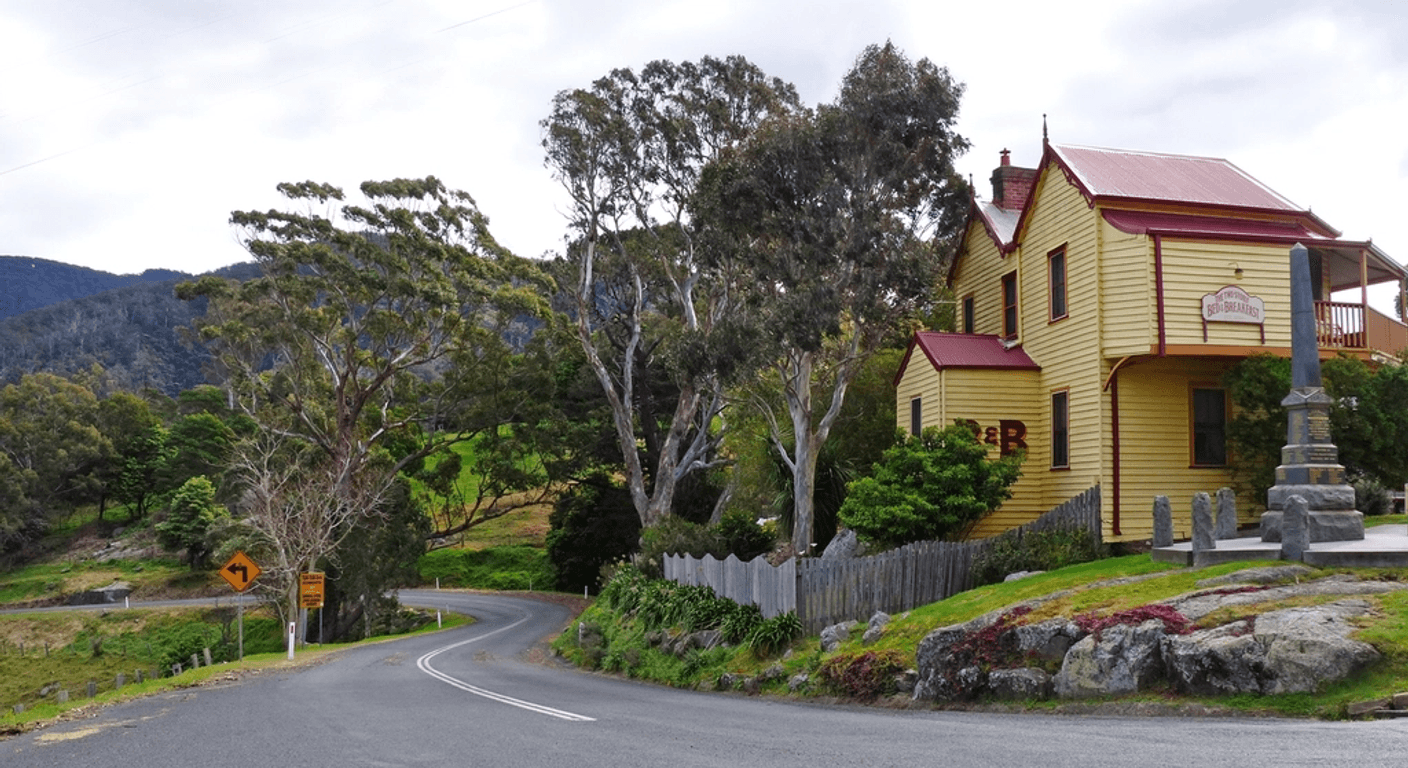
The town sits at the top of the Victoria Pass, which for much of the 19th century was the only viable route across the mountains for travellers heading west. That history is embedded in the streetscape — in the old post office, the Victoria and Albert Guesthouse, the Imperial Hotel — and in the two heritage sites that give the village its particular character for history-minded visitors.
For a solo traveller who wants to move at her own pace without being swept along by a crowd, Mount Victoria earns its quiet reputation. The village centre is genuinely flat, the distances between points of interest are walkable, and the train drops you almost at the door.
Getting there by train: the car-free case for Mount Victoria
The Blue Mountains Line runs directly from Sydney Central to Mount Victoria, with most services also stopping at Strathfield, Parramatta and Penrith. The journey takes roughly two and a half hours, depending on the service. Trains are run by Sydney Trains, and you'll use an Opal card or purchase a single ticket — fares are indicative at around $8–$15 return, but confirm current pricing with Transport for NSW before you travel.
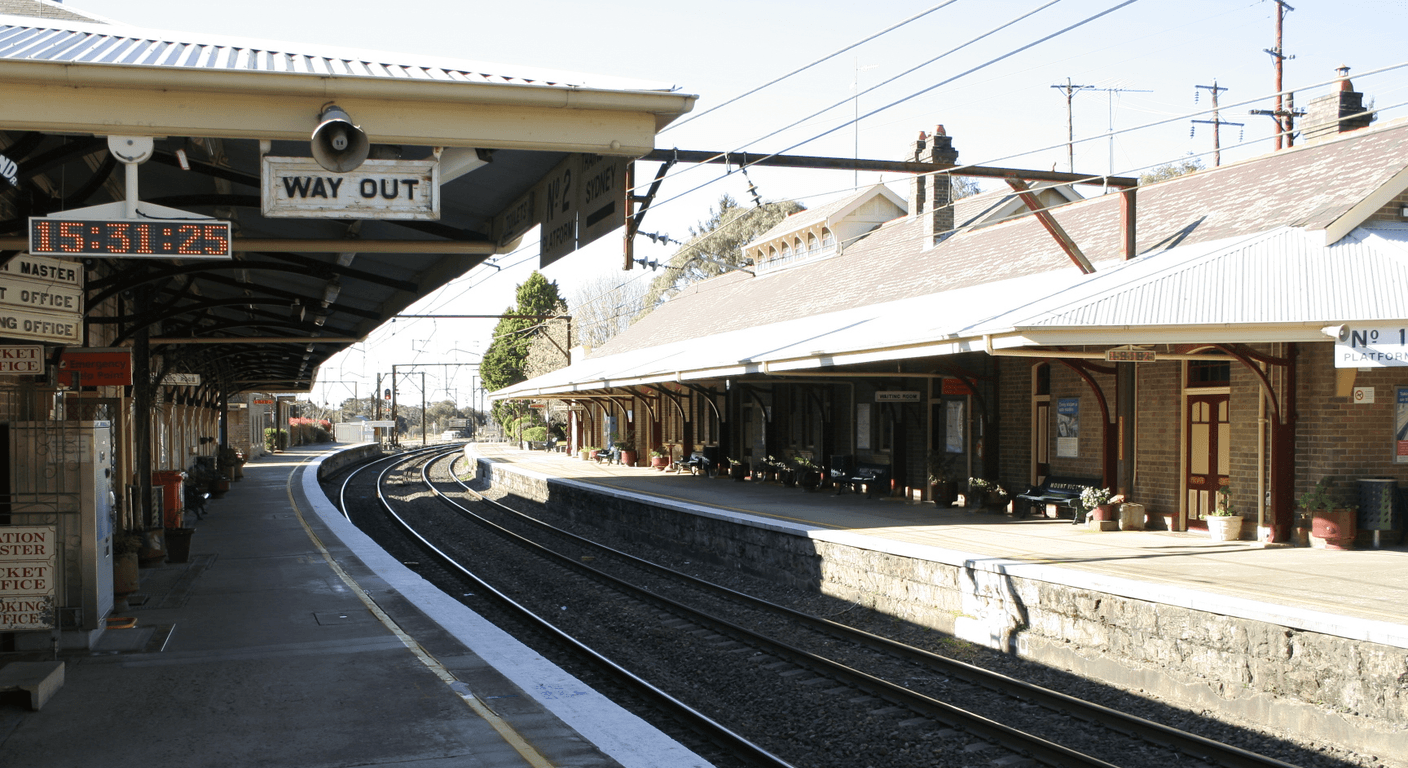
Mount Victoria station is a small, staffed heritage station. The platform is accessible, and the short walk into the village centre is flat and easy. There's no need to hire a car, navigate a mountain road, or find a car park — a genuine pleasure on a day when the idea is to arrive without fuss and simply look around.
Services run throughout the day, though they thin out in the evening. Check the current timetable at transportnsw.info and pick a mid-morning arrival that gives you four to five hours before the return journey. That's the right amount of time for Mount Victoria — enough to see everything unhurried, and not so long that you're searching for things to fill the afternoon.
The historical museum and the old refreshment rooms
The Mount Victoria & Hartley Historical Society runs a small museum housed in the old railway station refreshment rooms — a space that once served travellers on the western line with tea and sandwiches, and now holds local photographs, documents and objects that tell the story of the region from first contact to the 20th century. It's the kind of museum where you can ask a volunteer a question and receive a proper answer.
Opening hours are weekend-only, and the museum may close for private functions or during periods when volunteers are unavailable. This is not a criticism — it's simply the reality of a community-run institution, and it's worth treating seriously. Check the society's website at mvhhs.org.au or phone ahead before making the museum the centrepiece of your visit. Arriving to a locked door on a rainy Saturday is avoidable.
Entry is free or low-cost. The building itself — part of the original station complex — is worth a look even if the museum is closed. Heritage-listed and largely intact, it gives a clear sense of how important this stop was during the railway's 19th-century heyday.
The 1849 Toll Keeper's Cottage: what to know before you walk over
A short walk from the station — less than ten minutes on flat ground — stands the Toll Keeper's Cottage, built in 1849 to collect tolls from travellers using the Victoria Pass road. It's one of the oldest surviving toll houses in New South Wales and sits in a position that still feels like a frontier: open sky, the escarpment dropping away to the west.
The cottage is managed by the National Trust of Australia (NSW) and opens on weekends, again with hours subject to volunteer availability. Confirm current access via nationaltrust.org.au before building your day around it. The site itself is unfenced and the exterior is visible at any time — the stonework alone is worth the short walk.
There's a certain pleasure in standing at a building that was already 30 years old when the railway arrived. The two sites together — the refreshment rooms and the toll cottage — sketch out two different eras of mountain travel: the horse road era and the steam era. For anyone with an interest in Australian colonial infrastructure, that's a quietly compelling combination.
Walking the village: what the flat centre offers
Station Street and the immediate surrounds can be walked comfortably in an hour, less if the wind is up. The main street is sealed and level — no cobblestones, no steep kerbs. The heritage buildings are mostly on one strip, which makes orientation simple. There are benches along the way.
The Victoria and Albert Guesthouse has been a landmark since the 1880s and is still operating — worth a look at the facade even if you're not staying. The Imperial Hotel is the most obvious option for a meal or a drink, though hours and kitchen availability should be confirmed before you rely on it. Mount Victoria's dining options are limited, and that's just the truth of a small village at the top of a range. Bringing your own lunch — something you've picked up in Katoomba or packed from home — is not a concession; it's sensible planning.
The village's small scale means it suits the kind of traveller who is happy to sit on a bench and watch the street, to read a plaque carefully rather than photograph it and move on. There's a particular kind of confidence in slow travel that a place like Mount Victoria rewards.
What the seasons actually feel like up here
Spring and autumn are the most comfortable times to visit. October and November bring mild temperatures, wildflowers along the ridge edges, and enough visitors to ensure cafés are open without the town feeling crowded. March and April offer golden light, cooler air and the satisfying quiet of a summer crowd that has gone home.
Winter is genuinely cold — not alpine-cold, but cold enough that frost on the platform is common and a morning temperature below five degrees is unremarkable. Some travellers find this appealing: the stone buildings, the empty street, the wood fire in the pub. If you go in winter, dress seriously. A light jacket that works in Sydney will not be enough at Mount Victoria at 9am.
Summer can be warm and occasionally hot on the plateau, though temperatures are always cooler than Sydney. Bushfire risk in the surrounding national park is real in late summer — check the NSW Rural Fire Service at rfs.nsw.gov.au for current alerts if you're visiting between December and March.
Practical notes for the solo traveller heading west
Mount Victoria is a comfortable destination for a solo woman travelling by train. The station is staffed at key times, the village is small enough that you're never truly alone, and the overall atmosphere is unhurried and local. That said, mobile coverage can be patchy in parts of the mountains — download timetables and maps before you board at Central.
There are no ATMs in Mount Victoria. Sort out cash before you leave Katoomba or Blackheath if you think you might need it. The Imperial Hotel and any café that's open will likely take cards, but it's worth not assuming.
If the day trip appeals but you'd like a slower version of it, Blackheath — one stop east on the train — has more accommodation options, better-established cafés and the excellent Blue Mountains Heritage Centre at Govetts Leap. You could stay overnight in Blackheath and take the short train ride to Mount Victoria the following morning, returning to Sydney refreshed rather than rushed. That combination suits a two-day itinerary very well.
Quick planning guide
| Ideal pace | Slow and unhurried |
|---|---|
| Best months | October–November and March–April (spring and autumn) |
| Suggested stay | 4–5 hours as a day trip, or overnight nearby in Blackheath for a two-day version |
| Mobility level | Easy — flat, sealed village centre, walkable in about an hour |
| Cost level | Budget-friendly — free or low-cost sites, train fares around $8–$15 return |
| Comfort level | Basic — limited dining, no ATMs, and patchy mobile coverage |
| Best for | Solo travellers and history-minded visitors wanting a quiet, car-free day out |
| Main planning consideration | Museum and Toll Keeper's Cottage keep weekend-only, volunteer-dependent hours — confirm access before you go |
Key takeaways
- Mount Victoria is the highest town on the Blue Mountains railway line and one of the best-preserved 19th-century village streetscapes in NSW.
- Direct trains from Sydney Central run throughout the day on the Blue Mountains Line — no car required, and the station is a short, flat walk from the village centre.
- The historical society museum and the 1849 Toll Keeper's Cottage both keep weekend-only hours — confirm access before you travel.
- The village centre is flat, compact and genuinely easy to walk; it suits a solo traveller who wants to move at her own pace.
- Winter mornings at Mount Victoria are seriously cold — dress accordingly, and treat it as part of the character rather than a drawback.
- There are no ATMs in the village, dining options are limited, and mobile coverage can be patchy — a little preparation goes a long way.
Recommended partners and links
Indicative prices only — always confirm with the operator before booking.
Frequently asked questions
How do you get to Mount Victoria from Sydney by train?
Take a Blue Mountains Line train from Sydney Central Station to Mount Victoria. The journey takes roughly two and a half hours. Services run throughout the day; check the current timetable at transportnsw.info. You'll need an Opal card or can purchase a ticket. The platform is accessible and the walk into the village is flat.
When is the Mount Victoria historical museum open?
The Mount Victoria & Hartley Historical Society museum, housed in the old railway station refreshment rooms, opens on weekends only. Hours may vary and the museum can close for private functions. Always confirm current opening times via mvhhs.org.au or by phoning ahead before making it the main focus of your visit.
Is Mount Victoria suitable for travellers with limited mobility?
Yes. The village centre is flat and walkable on sealed paths, the distances between the main heritage sites are short, and the railway station is accessible. It rates as an Easy mobility destination. The Toll Keeper's Cottage exterior can be viewed without entering the building.
What is the best time of year to visit Mount Victoria?
Spring (October–November) and autumn (March–April) offer the most comfortable temperatures and reliable café opening hours. Winter is cold — often below five degrees in the morning — but atmospheric and quiet. Summer is warm and pleasant on the plateau, though bushfire risk in surrounding areas should be checked at rfs.nsw.gov.au between December and March.
Are there places to eat in Mount Victoria?
Options are limited. The Imperial Hotel is the most consistent choice for a meal or drink, but confirm kitchen hours before relying on it. Bringing your own lunch — collected in Katoomba or packed from home — is a practical and common approach for day-trippers.