The Canberra District wine region, centred on Murrumbateman about 30 minutes north of Canberra via the Barton Highway, is best visited in late spring or early autumn, when cool-climate rieslings and peppery shiraz can be tasted at unhurried, family-run cellar doors. A comfortable day covers two cellar doors plus a long lunch. Accessibility varies by property, so mobility is moderate, and since there's no public transport, a guided tour or driving companion is essential.
Why the Canberra District suits older travellers so well
The Canberra District wine region sits mostly in New South Wales, spread across the tablelands north and west of the capital at altitudes between 500 and 860 metres. That elevation gives the grapes a long, cool growing season and, more practically for visitors, means the summers here are noticeably more comfortable than the heat that can make a January winery visit in some other regions a trial rather than a pleasure.
What makes the region particularly suited to travellers in their 60s and 70s is its scale and unhurried character. Murrumbateman village is the informal hub, and within a 15-kilometre radius you will find a dozen or so cellar doors, most of them family-run operations where the person pouring the wine is often the person who made it. There is no conveyor belt of tour buses, no ticketed tasting experience designed to move groups through in 20 minutes. You are more likely to end up in a genuine conversation about the vintage than in a queue.
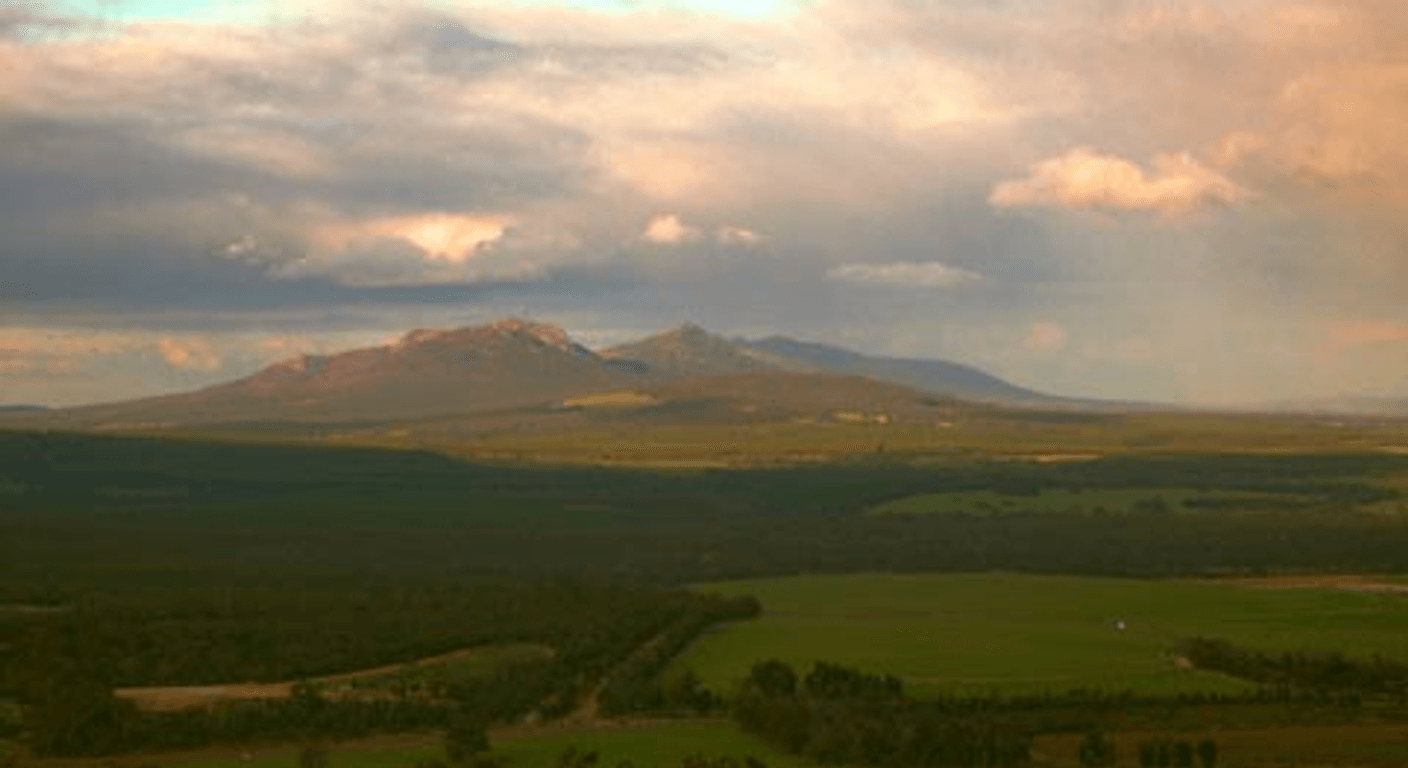
For a solo traveller — particularly one who knows her way around a glass of wine and enjoys talking to producers about what they do — this is the kind of region where an afternoon can stretch very pleasantly. The distances between cellar doors are short, the roads are quiet, and the paddock views across the tablelands have a spare, honest quality that is quite different from the manicured prettiness of some more tourist-heavy wine regions.
What wines to expect: riesling, shiraz, and why they matter here
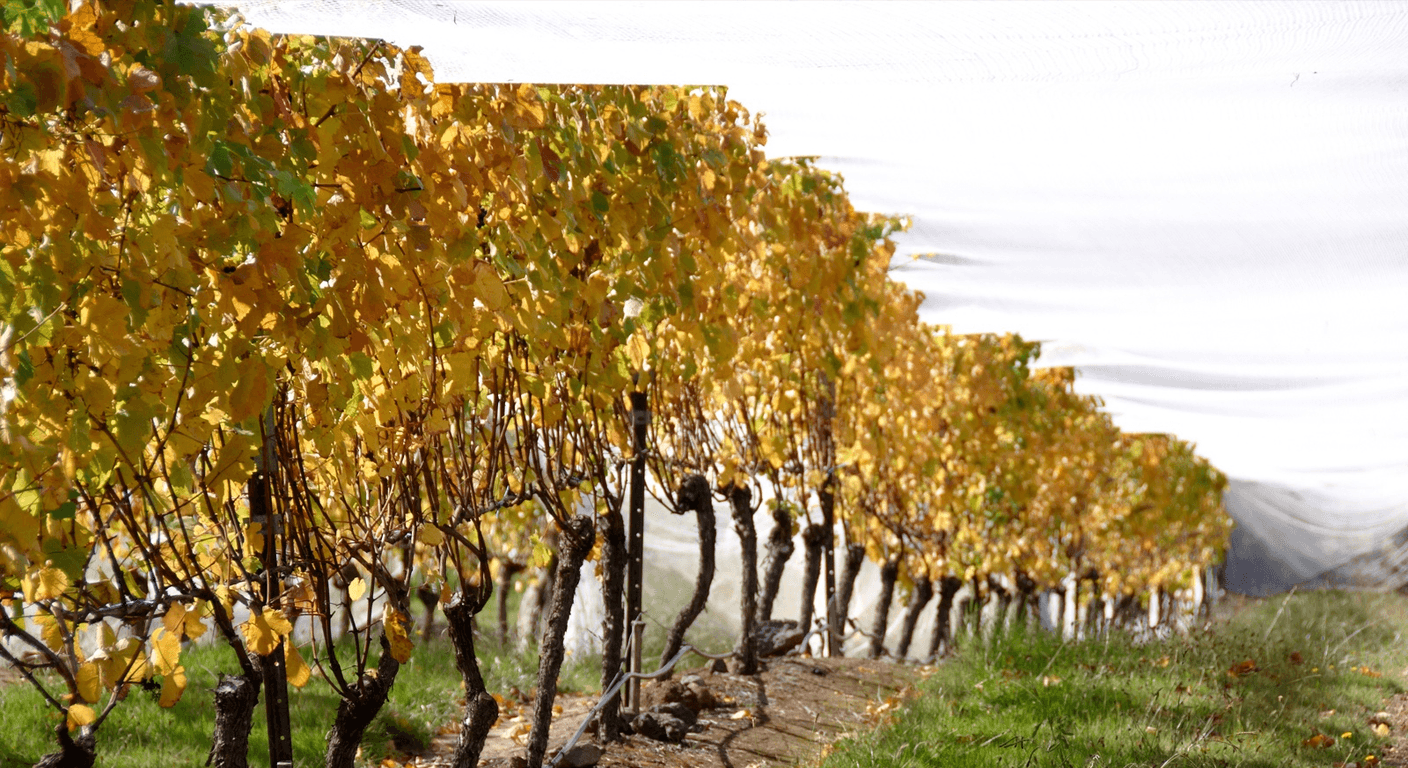
The Canberra District has built its reputation on two varieties above all others: riesling and shiraz. The cool nights and warm days of the growing season produce rieslings with genuine acidity and a citrus-mineral character that age remarkably well — if you appreciate Italian whites for their structure and restraint, these rieslings will feel familiar and satisfying rather than austere. Many cellar doors will have older vintages available for tasting or purchase, which is a real advantage over regions where the focus is always on the newest release.
The shiraz from this region is a different animal from the full-bodied, jammy styles found in warmer Australian regions. At these altitudes, shiraz retains a peppery, savoury quality — often compared to northern Rhône expressions — with a freshness that makes it easy to drink at the table rather than just to admire. Producers such as Clonakilla have done much to put this style on the national and international map, and a tasting at their cellar door in Murrumbateman is one of the genuine highlights of any visit to the region.
Beyond riesling and shiraz, you will find well-made viognier, pinot gris, and tempranillo at various cellar doors. The overall standard of winemaking is high relative to the region's size, and prices at the cellar door tend to be honest rather than inflated by prestige. A bottle of well-regarded regional shiraz or riesling will often cost around $30–$50 at the cellar door — indicative only, and worth confirming directly with each producer.
Murrumbateman's cellar doors: which ones are worth your time
Clonakilla is the name most wine-literate visitors will already know. The cellar door is open on weekends and some weekdays — always confirm current hours directly with the winery at clonakilla.com.au before visiting. Tastings are structured but not rushed, and the staff are knowledgeable without being intimidating. The Shiraz Viognier is the flagship wine and worth tasting even if you do not intend to buy; it gives you a clear reference point for understanding what the region does at its best.
Brindabella Hills, a short drive from Murrumbateman, is a reliable choice for a longer visit. The cellar door has a pleasant deck with views over the property, and the riesling range is consistently well-regarded. Check brindabellahills.com.au for current opening hours and any weekend events. A number of other smaller producers — including Helm Wines and Shaw Wines — operate cellar doors in the area, and the Canberra District Wine Industry Association's website at canberrawines.com.au maintains an up-to-date listing with opening days and contact details, which is the most practical first stop when planning your itinerary.
It is worth being honest about one practical point: not all cellar doors are open every day of the week, and some smaller producers operate by appointment only. A little planning — two or three phone calls or website checks before you travel — will save the frustration of arriving at a closed gate. This is not a region where you can simply turn up and assume everything will be open; it is a region where a small amount of preparation is rewarded with a very relaxed and personal experience.
Long-lunch options: eating well in and around Murrumbateman
Several Canberra District cellar doors have developed genuine food offerings to accompany their wines, and a long Saturday or Sunday lunch at one of these is one of the most pleasurable ways to spend a day in the region. Shaw Wines operates a well-regarded restaurant on-site — Mr Barton Restaurant — where the menu focuses on regional produce and pairs thoughtfully with the winery's range. Bookings are advisable, particularly on weekends. Check shawwines.com.au for current menus and reservation arrangements.
For a more informal option, a number of cellar doors offer grazing boards or cheese and charcuterie platters alongside tastings. These tend to run at around $20–$35 per person (indicative; confirm with each operator), and they serve the practical purpose of slowing the pace of the afternoon in a very agreeable way. If you are travelling solo, a grazing board at the cellar door bar is often a better option than a full restaurant lunch — it is easier to manage as a single diner, and it keeps you in conversation with the staff and other visitors.
Murrumbateman village itself has a small general store and bakery that locals use, and the town of Yass, about 20 minutes north, has a broader range of cafes and restaurants if you want to end the day with dinner before heading back to Canberra. Yass is also worth a short walk for its heritage streetscape and the Yass River, which is an easy, flat stroll suitable for most mobility levels.
Getting there from Canberra: transport, driving, and tour options
The most practical way to reach Murrumbateman from Canberra is by car, and the drive via the Barton Highway takes around 30 to 35 minutes from the city centre in normal traffic. The roads are sealed and well-maintained, and the route is straightforward. However, if you are planning to taste seriously across more than one or two cellar doors, driving yourself creates an obvious problem. This is a region where organised transport or a designated non-drinking driver is not a luxury — it is a necessity.
A number of Canberra-based tour operators offer small-group and private day tours of the Canberra District wine region. These typically include transport from central Canberra, visits to two or three cellar doors, and a lunch stop, with the whole day running around $150–$250 per person (indicative; confirm with operators, as prices vary considerably by inclusions). For a solo traveller, joining a small-group tour can also be a good way to meet other wine-interested visitors without the logistical complexity of hiring a private driver. Search the Tourism Australia and Visit Canberra sites for licensed tour operators, or ask your accommodation for recommendations.
There is no direct public transport from Canberra to Murrumbateman. Rideshare services operate in the ACT but coverage in the surrounding NSW tablelands is patchy and not reliable for a day of winery visits. A taxi or rideshare to the region and back is possible but can be expensive; confirm current rates and availability before relying on this option. The most comfortable and cost-effective solution for most over-50 travellers is either a guided tour or travelling with a companion who is happy to drive.
Accessibility and pacing: what to know before you go
Accessibility across the Canberra District cellar doors is variable, and it is honest to say that some of the smaller, older properties have not been purpose-built with mobility in mind. Gravel paths, steps at entrances, and uneven ground between car parks and cellar door buildings are common. If you use a walking aid or have mobility limitations, it is worth calling ahead to any cellar door you plan to visit and asking directly about step-free access, parking proximity, and seating arrangements. Most family operations are genuinely happy to accommodate visitors who give them a little notice.
Pacing is something to think about carefully in this region, particularly if you are travelling solo. Two cellar door visits with a long lunch in between is a comfortable day for most travellers in their 60s and 70s — it allows time for genuine conversation and tasting without the fatigue that comes from trying to cover too much ground. Three visits is possible if they are geographically close together and you are not rushing, but four or more in a single day tends to result in a blur rather than a memory.
The Canberra tablelands can be cold, particularly from April through to September. Even on a clear winter's day, temperatures can drop sharply in the afternoon, and cellar doors with outdoor seating areas may not be comfortable after 3pm. Layering is sensible, and it is worth keeping a warm jacket in the car regardless of how mild the morning feels. Conversely, summer days can be warm but rarely oppressive at this altitude, and the region is genuinely pleasant for a late-spring or early-autumn visit.
Staying longer: Canberra as a base for the wine region
Canberra makes an excellent base for exploring the wine region across more than one day, and the city itself offers a great deal for travellers who appreciate food, culture, and history. The National Gallery of Australia at nga.gov.au houses one of the finest art collections in the country, with free general admission, and the National Museum of Australia at nma.gov.au is consistently well-rated for its accessible and thoughtful exhibitions. Both are worth half a day each and are easy to reach from central accommodation.
Accommodation in Canberra ranges from well-appointed hotels near the Parliamentary Triangle to quieter options in suburbs such as Barton, Kingston, and Braddon — the latter two being walkable to good cafes and restaurants. For a solo traveller, a central location in Braddon or Kingston offers the combination of easy walkability and access to Canberra's genuinely good dining scene, which has grown considerably in quality over the past decade and reflects the city's multicultural population in its range of cuisines.
If you want to extend the wine-touring itinerary, the villages of Hall (north of Canberra, just inside the ACT border) and Bungendore (east of the city, about 30 minutes) each have their own small cluster of producers, galleries, and antique shops. Bungendore in particular has a relaxed, slightly arty character and a main street that is easy to walk. Neither destination requires more than a half-day, and both sit comfortably alongside a Murrumbateman visit as part of a three-day regional itinerary.
Quick planning guide
| Ideal pace | Slow-paced — two cellar doors plus a long lunch per day |
|---|---|
| Best months | Late spring to early autumn; cooler and colder April–September |
| Suggested stay | A day trip from Canberra, or 2–3 days combined with nearby Hall and Bungendore |
| Mobility level | Moderate — some gravel paths, steps and uneven ground; call ahead for step-free access |
| Cost level | Mid-range — cellar door bottles around $30–$50, grazing boards $20–$35, guided day tours $150–$250 |
| Comfort level | Relaxed and unhurried, with genuine cellar door conversation rather than crowds |
| Best for | Wine-interested travellers, including solo visitors, who prefer a slower pace and personal service |
| Main planning consideration | Confirm cellar door opening hours in advance and arrange a guided tour or non-drinking driver, as there is no reliable public transport |
Key takeaways
- The Canberra District's cool-climate rieslings and peppery shiraz are among Australia's most distinctive wines, yet the region sees a fraction of the visitor numbers of better-known wine regions.
- Murrumbateman village is the hub of the wine region, roughly 30 minutes north of central Canberra via the Barton Highway.
- Most cellar doors in the region are family-run and open on weekends; opening hours vary significantly, so checking ahead by phone or website before visiting is essential.
- If you plan to taste seriously across more than one cellar door, a guided tour or a non-drinking companion driver is the only sensible option — there is no reliable public transport to the region.
- Two cellar door visits with a long lunch in between is the right pace for a comfortable and memorable day for most travellers in their 60s and 70s.
- Accessibility varies considerably between properties; travellers with mobility limitations should call ahead to confirm step-free access, parking proximity, and seating before making the trip.
Recommended partners and links
Indicative prices only — always confirm with the operator before booking.
Frequently asked questions
How far is Murrumbateman from central Canberra?
Murrumbateman is approximately 30 to 35 minutes north of central Canberra by car via the Barton Highway. The drive is straightforward on sealed roads. There is no direct public transport connection from Canberra to the village.
What wines is the Canberra District known for?
The Canberra District is best known for cool-climate riesling and shiraz. The rieslings are structured and age-worthy, with citrus and mineral character. The shiraz is savoury and peppery rather than full-bodied and jammy, a style often compared to northern Rhône expressions in France.
Are there cellar door lunch options in Murrumbateman?
Yes. Several Canberra District cellar doors offer food, ranging from grazing boards and cheese platters to full restaurant lunches. Shaw Wines operates an on-site restaurant, Mr Barton Restaurant, and bookings are advisable on weekends. Check individual winery websites for current menus and hours, as offerings change seasonally.
Is the Canberra District wine region accessible for older travellers with mobility limitations?
Accessibility varies between properties. Some older cellar doors have gravel paths, steps, and uneven ground. Travellers who use a walking aid or have mobility concerns should call ahead to each cellar door they plan to visit, ask specifically about step-free access and parking proximity, and give operators a chance to make arrangements in advance.
How much does a cellar door tasting cost in the Canberra District?
Tasting fees at Canberra District cellar doors are generally modest, running from around $10 to $20 per person at many properties, though fees vary and some are waived with a purchase. These are indicative figures only — confirm current costs directly with each winery before visiting, as pricing changes.
- Canberra District Wine Industry Association — cellar door listings and regional map
- Clonakilla Wines — cellar door and tasting information
- Brindabella Hills Winery — cellar door and events
- Visit Canberra — wine region and touring information
- National Gallery of Australia — visitor information
- National Museum of Australia — visitor information