Brisbane's Newstead House and Teneriffe woolstores walk is best tackled in a half-day, ideally September to November when jacaranda blossoms peak along the riverbank. The flat, partly shaded kilometre linking the colony's oldest residence to the converted wool warehouses is rated Easy for mobility, with a CityCat ferry, via Queensland's 50-cent flat fare, providing the simplest, most scenic access from South Bank or the CBD.
Why this walk earns a place in any Brisbane itinerary
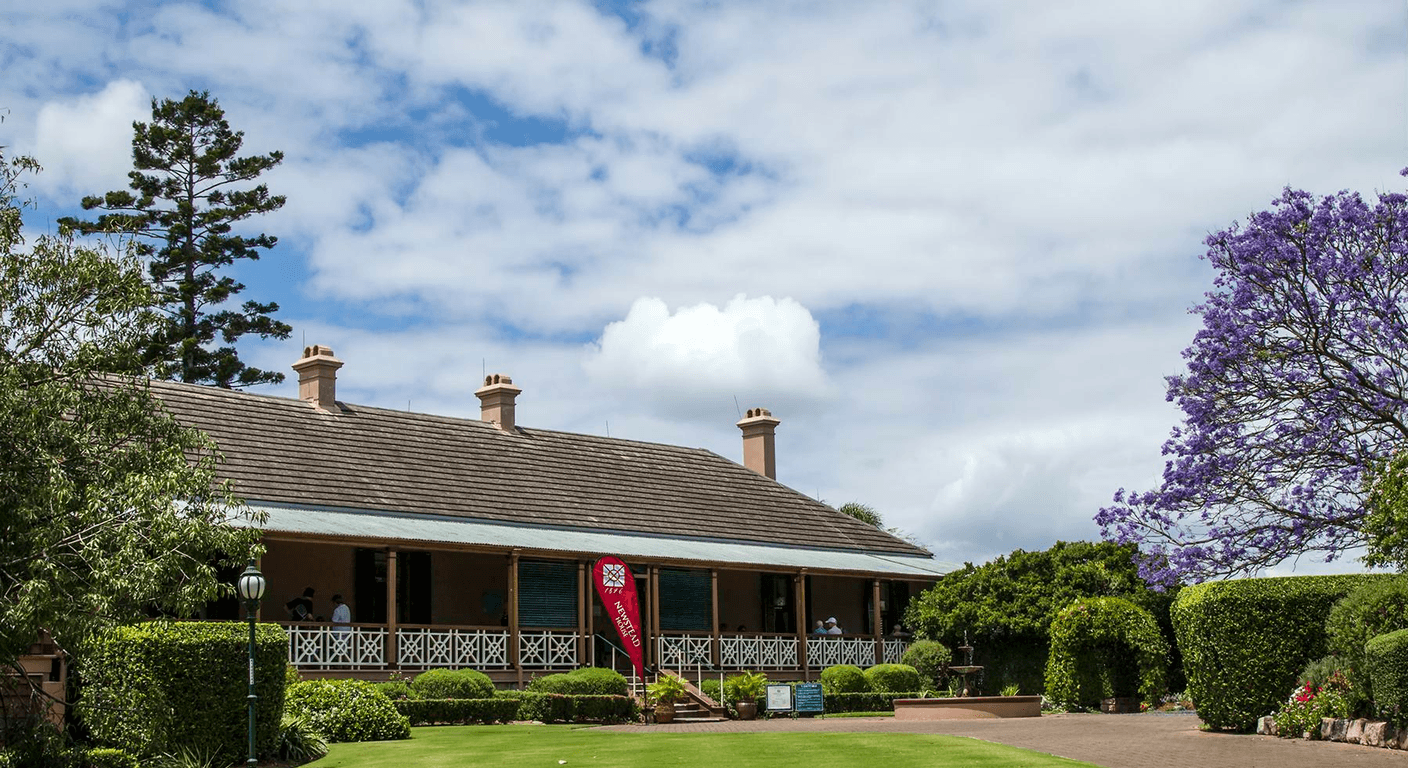
Brisbane has a habit of demolishing its past and calling it progress. Which is precisely why Newstead House matters. Built in 1846 and sitting on a low riverside knoll at the end of Breakfast Creek Road, it is the oldest surviving residence in the city — and after a careful, well-funded restoration, it's in better shape than it's been in decades. For travellers who find meaning in places that have actually stood the test of time, this is the real thing.
Pair the house with the short riverside walk downstream to Teneriffe, and you have a morning that moves between two very different eras of Queensland prosperity — the pastoral gentility of the colonial squattocracy and the raw industrial muscle of the late nineteenth-century wool trade. The path between them is flat, the river is always present, and there are good places to sit down when you want to.
This is not a strenuous outing. It's a thoughtful one. The kind of walk that gives you something to talk about over lunch.
Newstead House: what to expect inside and on the verandah
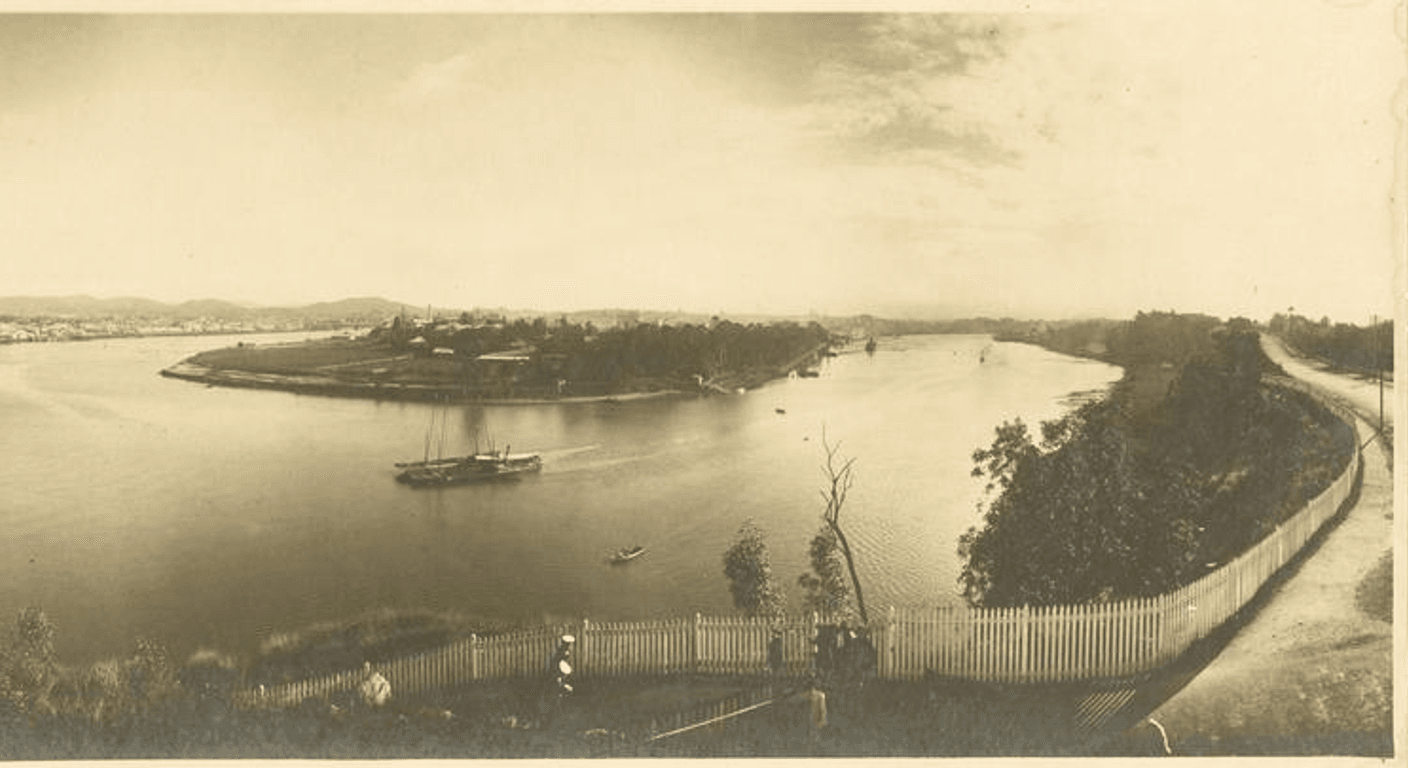
The house is a handsome timber and brick colonial structure, its wide verandahs designed to catch river breezes long before air conditioning was a consideration. Those verandahs are still the best seat in Brisbane on a mild spring morning — the Brisbane River bends below, container ships move slowly upstream, and the city skyline sits at a polite distance. It's the kind of view that makes you understand why someone chose this exact spot in 1846.
Inside, the period rooms have been furnished to reflect the house's Victorian-era peak, when it served as the residence of successive Queensland governors and prominent pastoral families. The detail is considered rather than overwhelming — you're not drowning in cabinets of curiosities. Look for the formal parlour, the domestic service areas that tell a more complicated social story, and the archival photographs that show how dramatically the surrounding landscape has changed.
Opening days and entry prices have shifted with the restoration schedule, so confirm both directly with Newstead House before building your day around a visit. The official website is the most reliable source. Some guided tours are available on specific days and tend to add genuine depth — worth checking the calendar when you book.
The riverside path to Teneriffe: reading the woolstores
From Newstead House, the path downstream follows the riverbank south-west toward Teneriffe — roughly a kilometre of flat, paved walking with the river on your right. It's not a wilderness walk. It's an urban one, and better for it. The woolstores announce themselves gradually: enormous red-brick warehouses, some six storeys tall, that once held bales of merino fleece waiting for export to Bradford and Antwerp. At their peak in the early twentieth century, Brisbane was one of the great wool-handling ports of the southern hemisphere.
Today the woolstores are apartments, offices, and ground-floor hospitality — but the bones remain emphatically intact. The architects who converted them were, unusually, restrained. Exposed brick, heavy timber beams, and iron columns have been kept rather than plastered over. Walking through the ground-floor arcades of the Teneriffe woolstores, you get a genuine sense of the scale of the original operation. The ceilings alone are worth a moment of stillness.
Vernon Terrace, which runs along the ridge above the woolstores, has a cluster of cafes and small restaurants that suit a mid-morning coffee stop. The crowd here is local and unpretentious — this is a working neighbourhood that's gentrified without entirely losing its character, which is a rarer outcome than it sounds.
Gasworks Plaza: the industrial past as lunch destination
A short walk from the woolstores precinct, Gasworks Plaza occupies the site of Brisbane's former gasworks — the infrastructure that once lit the city's streets. The conversion is more commercial than the woolstores, but the heritage bones are visible in the brick chimney stack and the repurposed industrial structures that frame the dining precinct. It works well as a lunch stop, with a range of restaurants covering most preferences and price points.
For travellers who find that a good meal is part of the cultural experience — and at seventy, most seasoned travellers have arrived at this position — Gasworks offers enough variety to keep everyone at the table happy. Indicative lunch costs run roughly $25–$45 per person depending on the venue; confirm current menus and hours directly, as tenancies in dining precincts change. The plaza also has seating areas and shade, which matters on a Brisbane spring day when the temperature can climb faster than expected by noon.
Jacaranda season: timing the walk for late spring colour
Brisbane's jacaranda season runs roughly from late October into November, and it transforms this particular walk in ways that are worth planning around. The trees along the riverbank and through the Teneriffe streets drop purple-blue blossoms onto footpaths and the water's surface simultaneously, and the effect is — quietly spectacular is the honest description. Not every year is equal; rainfall and temperature affect the intensity of the bloom. But a good jacaranda year along this stretch of river is the kind of thing you remember.
September and October offer the advantage of milder temperatures before the humidity builds toward December. The walk is manageable year-round for those who start early and carry water, but for travellers who find Brisbane's summer heat genuinely uncomfortable — and it is genuinely uncomfortable — the September-to-November window is the sensible choice. Avoid the January–February peak: the combination of heat and humidity is not a Brisbane marketing myth.
Getting there: CityCat, the 50-cent bus, and practical logistics
Queensland's public transport network has become one of the more pleasant surprises for visitors. The 50-cent flat fare — covering buses, trains, and ferries within the South East Queensland network — was introduced as a cost-of-living measure and remains in place as of mid-2025; confirm current fare policy with TransLink before travel, as these things do change. For this walk, the practical result is that a CityCat ferry from South Bank or the CBD to Newstead costs almost nothing and takes roughly twenty to thirty minutes on the water, which is its own small pleasure.
The Newstead CityCat terminal is close to Newstead House — a short, flat walk from the wharf. At the Teneriffe end, the Teneriffe CityCat stop sits directly beside the woolstores precinct. You can walk one direction and ferry back, or walk the full distance and take the ferry from Teneriffe. Buses on the 300 series connect the area to the CBD if the ferry isn't running to your schedule — check the TransLink journey planner at translink.com.au for current timetables.
Parking is available near Newstead House, but navigating inner Brisbane by car adds stress that the ferry removes entirely. For travellers based in the CBD or South Bank, the water approach is simply the better experience. If mobility is a consideration, confirm the accessibility of the Newstead House site directly before visiting — the knoll and some interior areas involve steps, and conditions may have changed post-restoration.
Making a fuller day: what else sits nearby
The Newstead and Teneriffe precinct connects naturally to a broader inner-Brisbane day. The Powerhouse — Brisbane Powerhouse, the arts centre at New Farm — is a short riverside walk further downstream and regularly hosts theatre, music, and visual arts programming that suits culturally curious travellers. Check the Brisbane Powerhouse website for current season listings; the programming quality has been consistently high and the riverside setting is excellent.
New Farm Park, adjacent to the Powerhouse, has one of Brisbane's most celebrated jacaranda groves and a well-maintained rose garden that peaks in October and November. It's an easy addition at the end of the woolstores walk for those with time and comfortable shoes. The park has ample seating, public amenities, and shade — the details that matter when you're making decisions about how long to stay on your feet.
For travellers spending two or three nights in Brisbane, this walk pairs well with a morning at the Queensland Museum or the Gallery of Modern Art (GOMA) on the South Bank Cultural Precinct — both within easy CityCat reach and both free to enter for the permanent collections. Brisbane rewards the traveller who takes it at a considered pace rather than trying to cover too much.
Quick planning guide
| Ideal pace | Slow-paced, unhurried morning walk with sit-down stops |
|---|---|
| Best months | September to November, with late October–November best for jacaranda colour |
| Suggested stay | A morning or half-day; extends to a full day with Gasworks and New Farm Park |
| Mobility level | Easy — flat, paved riverside path, though the Newstead House knoll and interior involve some steps |
| Cost level | Budget-friendly transport (50-cent CityCat fare) with mid-range lunch options around $25–$45 per person |
| Comfort level | Comfortable — partly shaded path, seating along the way, though summer humidity makes September–November preferable |
| Best for | History-minded travellers, food-and-culture lovers, and those wanting an easy, scenic walk with heritage depth |
| Main planning consideration | Confirm Newstead House opening days and entry prices, and check current TransLink fares, before building the day around them |
Key takeaways
- Newstead House is Brisbane's oldest surviving residence and has recently reopened after a significant restoration — confirm opening days and entry prices before visiting.
- The flat riverside walk from Newstead House to Teneriffe's converted woolstores is fully manageable for Easy-mobility travellers and takes roughly 20–30 minutes at a relaxed pace.
- Queensland's 50-cent public transport fare makes the CityCat ferry from the CBD to Newstead one of the most affordable and enjoyable ways to begin the walk — confirm current fare policy with TransLink.
- Late October to November is the optimum window: jacaranda colour peaks along the riverbank and temperatures are mild before Brisbane's summer humidity arrives.
- The Teneriffe woolstores retain their original red-brick scale and heavy timber interiors, offering a genuine sense of the wool trade's industrial weight without a museum admission fee.
- Gasworks Plaza and Vernon Terrace provide reliable cafe and restaurant stops that allow the walk to be extended into a full, unhurried day.
Recommended partners and links
Indicative prices only — always confirm with the operator before booking.
Frequently asked questions
Is Newstead House open to visitors and what does entry cost?
Newstead House has reopened following a major restoration. Opening days and entry prices should be confirmed directly with Newstead House before your visit, as hours have changed during the restoration period. The official website is newsteadhouse.com.au.
How long is the walk from Newstead House to the Teneriffe woolstores?
The riverside path from Newstead House to the Teneriffe woolstores precinct is roughly one kilometre and takes around 20–30 minutes at a relaxed pace. The path is largely flat and paved, making it suitable for Easy-mobility travellers. Allow extra time for stops along the way.
Can seniors use the CityCat ferry to reach Newstead House cheaply?
Yes. Under Queensland's 50-cent flat fare scheme, the CityCat ferry from South Bank or the CBD to the Newstead ferry terminal costs around 50 cents per journey. Confirm the current fare policy with TransLink at translink.com.au before travel, as fares can change.
When is the best time of year to do this walk?
September to November is the recommended window. Temperatures are mild, and Brisbane's jacaranda trees are in bloom along the riverbank and through Teneriffe streets from late October into November. Avoid January and February, when heat and humidity make outdoor walking genuinely uncomfortable.
Is this walk accessible for travellers with limited mobility?
The riverside path between Newstead House and Teneriffe is flat and paved and suits Easy-mobility travellers well. Newstead House itself has some steps and elevated areas; confirm current accessibility arrangements directly with the house before your visit, as conditions may have changed after the restoration.