Northampton, a heritage mining town about 50 kilometres north of Geraldton on the North West Coastal Highway, is best visited April to October when Mid West temperatures stay mild. A half-day suits most travellers, built around Chiverton House Museum and a flat, compact walking loop past colonial churches and an old convict hiring depot. Mobility is Easy, but there's no public transport — a hire car or private vehicle is essential for the roughly 50-minute drive from Geraldton.
Why Northampton Rewards the Detour
There's a particular pleasure in arriving somewhere that hasn't tried too hard to sell itself. Northampton is like that. The main street — Hampton Road — runs straight and unhurried through town, flanked by stone buildings that have been standing since the 1860s and 1870s. Nobody has painted them in heritage colours or installed interpretive bollards every three metres. They're simply there, solid and matter-of-fact, the way old mining towns tend to be.
What makes Northampton unusual in the Western Australian context is its age. Lead was discovered in the region in 1848, making the Northampton field one of the earliest mining operations in the colony. The town that grew around it drew convict labour, free settlers, and a remarkable number of Cornish miners who brought their skills — and their Methodism — halfway around the world. You can still read that layered history in the streetscape without needing a guide.
For a group travelling together, it's an easy conversation-starter of a place. Everyone notices something different: one person is drawn to the church architecture, another to the old store fronts, a third to the sheer improbability of a functioning heritage town sitting this quietly beside a major highway. Half a day is the right amount of time — long enough to absorb it, short enough to leave wanting to know more.
Getting There from Geraldton: What to Expect on the Drive
Northampton is approximately 50 kilometres north of Geraldton along the North West Coastal Highway — a straightforward, mostly flat drive of around 50 minutes in normal conditions. The road is well-sealed and the route is direct; there are no tricky turns or unsealed sections involved. Petrol up in Geraldton before you leave, as fuel options en route are limited.
There is no public transport connection between Geraldton and Northampton, so a hire car or a private vehicle is essential. Geraldton has car hire options through the major national operators — confirm availability and book ahead, particularly in school holiday periods. For a group of friends, splitting a hire car makes the cost very reasonable.
The drive north is pleasant rather than dramatic — open pastoral land, glimpses of the Moresby Range, and the occasional roadhouse. Allow time to pull over if something catches your eye; the pace of the region rewards it. Park easily on Hampton Road in the town centre — there's no metered parking and space is rarely an issue.
Chiverton House Museum: The Heart of the Heritage Precinct
Chiverton House is the centrepiece of any visit to Northampton. The building itself dates to 1884 and served as a private residence before becoming the town's principal heritage museum. Inside, the collection spans the full arc of Northampton's history: the early mining era, convict and colonial domestic life, agricultural settlement, and the Cornish community that shaped so much of the town's character.
Entry involves a modest ticketed fee — indicatively well under $20 per person, though you should confirm current pricing directly with the Shire of Northampton before visiting. More importantly, confirm opening days and hours. The museum operates on limited hours that can vary by season and day of the week, and midweek visits in particular may require advance checking. Arriving to find it closed is an easily avoided disappointment.
The museum is housed across a manageable footprint and is suitable for those who prefer not to cover large distances on foot. Display areas are indoors and sheltered, which matters in summer when temperatures in the Mid West can be significant. The volunteer staff — when present — tend to be genuinely knowledgeable and generous with local history. It's worth budgeting an hour here rather than rushing through.
The Convict Hiring Depot and Colonial Churches: A Walking Loop
Northampton's convict history is less well known than its mining past, but it's woven into the same streets. The old convict hiring depot — where convict labourers were assigned to local employers under the ticket-of-leave system — is among the surviving colonial structures in the town centre. It's a sobering reminder that much of what looks picturesque now was built on a very particular kind of coercion.
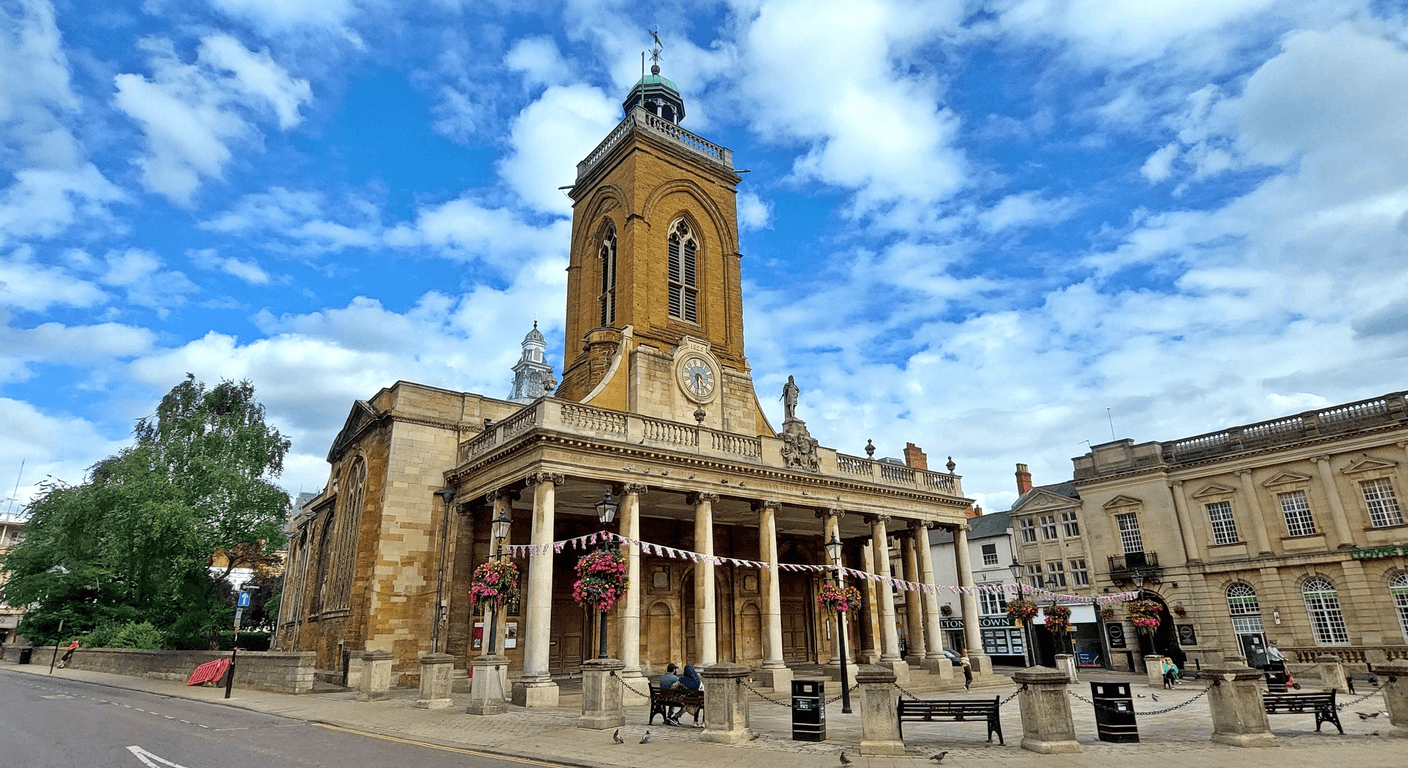
The churches along and near Hampton Road represent the other side of that history: the faith communities that gave the town its social structure. St Mary's Catholic Church (1936, though on a site with much earlier origins) and the Anglican Christ Church are among the most photographed, but the old Wesleyan chapel speaks most directly to the Cornish Methodist heritage that defined so much of the early community. Each building is different in character and worth pausing at rather than simply photographing from the car.
The walking loop through the town centre is flat, sealed underfoot, and comfortably managed in an hour to an hour and a half at a relaxed pace. Sensible footwear is adequate — there's no rough terrain involved. Shade can be limited on the main street in warmer months, so a hat and water bottle are practical rather than optional. The loop is genuinely accessible for those with mild mobility considerations.
When to Go and What the Weather Actually Does
April through October is the window that makes the most sense for visiting Northampton. Winters in the Mid West are mild and dry — days often reach the mid-teens to low twenties Celsius, which is ideal walking weather. Spring (September–October) brings wildflowers to the surrounding region, and the light is particularly good for photography of the stone buildings.
Summer — November through March — is a different matter. Northampton sits in a semi-arid zone and summer temperatures regularly exceed 35°C, occasionally climbing higher. That's not impossible to manage with early starts and indoor stops, but it's not the most comfortable context for a heritage walk. If you're travelling in a grey nomad convoy heading north in winter, Northampton slots neatly into the itinerary on the way up the coast.
Rainfall is low year-round, so the risk of a washed-out day trip is minimal. Wind can pick up in spring, particularly in the afternoons — plan to be back in the car by early afternoon if you're sensitive to it.
Eating, Resting and Making a Day of It
Northampton is a small town, and visitor services reflect that honestly. There are limited café and dining options in the town centre itself — a small number of local establishments that may or may not be open depending on the day of the week. The practical approach is to bring a picnic from Geraldton: good bakeries and delis in the regional city can set you up well. There are shaded spots near the town centre suitable for a quiet lunch.
If you'd prefer to eat out, the Northampton Hotel on Hampton Road has historically served meals, but hours and menus change — confirm directly before banking on it. Geraldton, with its full range of cafés and restaurants along the foreshore and marine terrace precinct, makes the more reliable option for a proper lunch either before you head north or after you return.
For a group that wants to stretch the day, the surrounding district has its own quiet pleasures. Horrocks Beach, about 23 kilometres west of Northampton via a sealed road, is a small coastal settlement worth the detour in the right season — calm, uncrowded, and very much off the tourist radar. It adds perhaps 45 minutes to an hour to the day and is an easy extension for those who want more than just the town centre.
Practical Notes for the Over-50 Traveller
The flat terrain and compact scale of Northampton's town centre make it one of the more accessible heritage experiences in regional Western Australia. There are no significant hills, no lengthy distances between key sites, and the pace is entirely self-directed. Those travelling with companions who have mild mobility considerations will find the main loop manageable without specialist equipment.
Public toilets are available in the town centre — confirm the current location with the Shire of Northampton's website or visitor information in Geraldton. The Geraldton Visitor Centre (on Cathedral Avenue) is a useful first stop before heading north; staff there can confirm current museum opening hours and flag anything that's changed recently.
Travel insurance is worth reviewing if you're combining this with a longer WA road trip — particularly for those managing pre-existing conditions, as regional medical facilities are more limited than in metropolitan areas. Geraldton Base Hospital provides the nearest significant medical services. Carry any regular medications and keep them accessible in the car, not packed in luggage.
Quick planning guide
| Ideal pace | Slow-paced and self-directed |
|---|---|
| Best months | April to October (mild, dry conditions) |
| Suggested stay | Half a day |
| Mobility level | Easy - flat, compact town centre with no significant hills |
| Cost level | Budget-friendly - museum entry well under $20 |
| Comfort level | Comfortable, with indoor shelter at the museum; limited shade on the main street |
| Best for | Heritage and history enthusiasts, and grey nomads passing through on the coastal route |
| Main planning consideration | No public transport - a hire or private car is essential, and museum opening hours should be confirmed in advance |
Key takeaways
- Northampton is approximately 50 kilometres north of Geraldton — a straightforward 50-minute drive on a sealed highway with no public transport alternative.
- Chiverton House Museum anchors the visit, but opening hours can be limited midweek — always confirm before you go.
- The town centre walking loop is flat, compact and Easy for mobility, covering colonial churches, a convict hiring depot and intact 19th-century streetscapes.
- April to October is the practical visiting window; summer temperatures in the Mid West regularly exceed 35°C.
- Total spend for most visitors stays well under $20, covering museum entry and a modest snack — bring a picnic from Geraldton for the best lunch options.
- A side detour to Horrocks Beach, 23 kilometres west on a sealed road, extends the day with a quiet, uncrowded coastal stop.
Recommended partners and links
Indicative prices only — always confirm with the operator before booking.
Frequently asked questions
How far is Northampton from Geraldton and how long does the drive take?
Northampton is approximately 50 kilometres north of Geraldton via the North West Coastal Highway — a drive of around 50 minutes on a well-sealed, straightforward road. There is no public transport between the two towns, so a hire car or private vehicle is required.
What are the opening hours for Chiverton House Museum in Northampton?
Chiverton House Museum operates on limited hours that can vary by season and day of the week, with midweek openings particularly subject to change. Always confirm current hours directly with the Shire of Northampton (northampton.wa.gov.au) or the Geraldton Visitor Centre before making the drive.
Is Northampton suitable for travellers with mobility considerations?
Yes. The Northampton town centre is flat, compact and walkable on sealed footpaths. The heritage loop covering the museum, convict hiring depot and colonial churches can be completed at a relaxed pace in one to one and a half hours without rough terrain or significant distances. It rates Easy for mobility.
What is the best time of year to visit Northampton WA?
April through October offers the most comfortable visiting conditions, with mild temperatures and low rainfall. Summer months (November to March) bring regular heat above 35°C, which makes extended outdoor walking less enjoyable. Spring also brings regional wildflowers to the surrounding Mid West landscape.
Are there cafés or restaurants in Northampton for a day trip lunch?
Visitor dining options in Northampton are limited and hours vary. The most reliable approach is to bring a picnic prepared in Geraldton, where bakeries and cafés along the foreshore and marine terrace are well-stocked. The Northampton Hotel has historically offered meals — confirm current hours directly before relying on it.