Orange, about 260km west of Sydney on the NSW Central Tablelands, is best visited in autumn (April–May) when deciduous trees turn gold and cool air suits walking. A one- to two-night stay suits most over-50 travellers, allowing time for cellar doors, farmers markets and Summer Street dining. The town centre is flat and walkable, though wineries outside town vary in accessibility. Sydney travellers can reach it by NSW TrainLink XPT in about three hours.
Why Orange suits over-50 travellers looking for something a little different
Orange sits roughly 260 kilometres west of Sydney on the Central Tablelands, and that elevation — around 860 metres — does something genuinely useful: it keeps summers mild and turns autumn into a proper season, with deciduous trees along the main streets going gold and copper in April and May. For travellers who grew up appreciating a real change of season, that alone can feel like a small reward.
The town centre is compact and largely flat, which matters when you are planning a day or two on your feet. Summer Street is the main dining and shopping corridor, and most of the cafes, restaurants and providores worth visiting sit within comfortable walking distance of each other. There is no need to hire a car to enjoy the town itself, though you will want one — or a local tour — to reach the cellar doors scattered across the surrounding hills.
For a Greek Australian traveller who appreciates good food, good wine and a place that takes both seriously, Orange punches well above what you might expect from a regional NSW town of around 40,000 people. The food culture here has real depth: local cheesemakers, orchardists, a strong farmers market, and a dining scene that draws chefs who want access to serious produce.
Getting there from Victoria or Sydney: car, train, or fly?
From Sydney, the most comfortable independent option for older travellers is the NSW TrainLink XPT service, which runs from Central Station to Orange Station in roughly three hours. The train is a practical choice — you sit, watch the landscape shift from suburbs to open country, and arrive rested rather than road-weary. Seats are comfortable, there is a buffet car, and the station at Orange sits close enough to the town centre that a short taxi or rideshare covers the gap. Confirm current timetables and fares at nswtrainlink.info, and ask about seniors concession rates when booking.
Driving from Sydney takes around three hours via the Great Western Highway (or the M7 and M32 to pick up the highway west of Penrith). The route climbs through the Blue Mountains, which is pleasant in clear weather. From Melbourne, the drive is around nine hours — a long day — so most Victorian travellers will either fly into Sydney first and connect by train, or fly direct to Orange Airport, which has regular services from Sydney operated by Regional Express (Rex). Check rex.com.au for current schedules and fares.
If you are driving to the cellar doors outside town, the roads are generally sealed and in reasonable condition, but some winery driveways involve gentle gravel sections. Passengers with mobility aids or those who prefer not to navigate unfamiliar rural roads may find it easier to join a small-group wine tour departing from Orange — the visitor information centre can point you toward current operators.
Cool-climate cellar doors: what to expect and where to go
The Orange wine region is officially designated GI Orange, and the cool climate produces varieties that struggle in warmer parts of Australia — Chardonnay with real tension, Cabernet Franc with savoury character, Riesling that holds its acidity, and Pinot Noir that occasionally surprises people who expect it only from the Yarra Valley or Tasmania. The wine is not always cheap, but the quality justifies the price at the better producers.
Bloodwood Estate is one of the oldest wineries in the region and offers a relaxed, unhurried tasting experience — the kind of place where you can sit and talk through the wines without feeling rushed. Philip Shaw Wines, closer to the town, has a modern tasting room and a strong range across several labels. Printhie Wines in the Molong Creek area is another well-regarded stop. All three have cellar doors open most days, but hours vary by season, so confirm before you go — the Orange City Council visitor site and individual winery websites are the right places to check.
Pacing matters here. Trying to visit four or five cellar doors in a single day is tiring and, frankly, wasteful — you stop tasting properly after a while. Two cellar doors in a morning, a good lunch in town, and a slow afternoon suits most over-50 travellers better and leaves you with a clearer memory of what you actually drank. Many cellar doors are accessible for people with limited mobility, but the terrain varies; call ahead if this matters to you.
The dining strip: eating well in Orange
Summer Street and the streets immediately off it hold most of Orange's serious dining options. Lolli Redini has been a consistent name in the town's food conversation for years, with a kitchen that takes local produce seriously. Byng Street Cafe and Charred are among the spots locals recommend for different moods — one more relaxed and cafe-style, the other centred on wood-fired cooking. The restaurant landscape does shift, so checking current reviews on a platform like TripAdvisor or calling ahead is worthwhile before making a special trip.
For a Greek Australian palate, the emphasis on quality olive oil, seasonal vegetables, and honest cooking techniques will feel familiar and comfortable. Orange's produce culture runs deep — the region grows cherries, apples, pears, stone fruit, and vegetables that end up on plates in Sydney restaurants. Eating here, you often get those same ingredients closer to where they were grown, which makes a difference.
The Orange Farmers Market runs on the second and fourth Saturday of each month at Orange City Council Car Park, and it is worth timing a visit around it if you can. Local cheeses, smallgoods, preserves, fresh produce and baked goods are all well represented. Arrive before 10am for the best selection. Confirm current market days and times at orange.nsw.gov.au before you travel.
Orange FOOD Week: is it worth planning your trip around it?
FOOD Week is Orange's signature food and wine festival, typically held over ten days in autumn — historically in October, though the dates have shifted across different years. The program includes long-table dinners, winery lunches, cooking demonstrations, produce tours and special restaurant menus. For a couple who enjoys food culture, it is one of the more genuine regional food events in Australia, without the corporate gloss that can take over larger festivals.
The honest caveat is that popular events within FOOD Week — particularly the long-table dinners and winery lunches — do book out. If you are planning your trip specifically around the festival, check foodweek.com.au as soon as the program is released and move quickly on the events that interest you. Ticket prices vary considerably depending on the event: a casual tasting might cost from around $30 per person, while a multi-course winery lunch could run to $150 or more per person. These are indicative figures only; confirm current pricing on the official site.
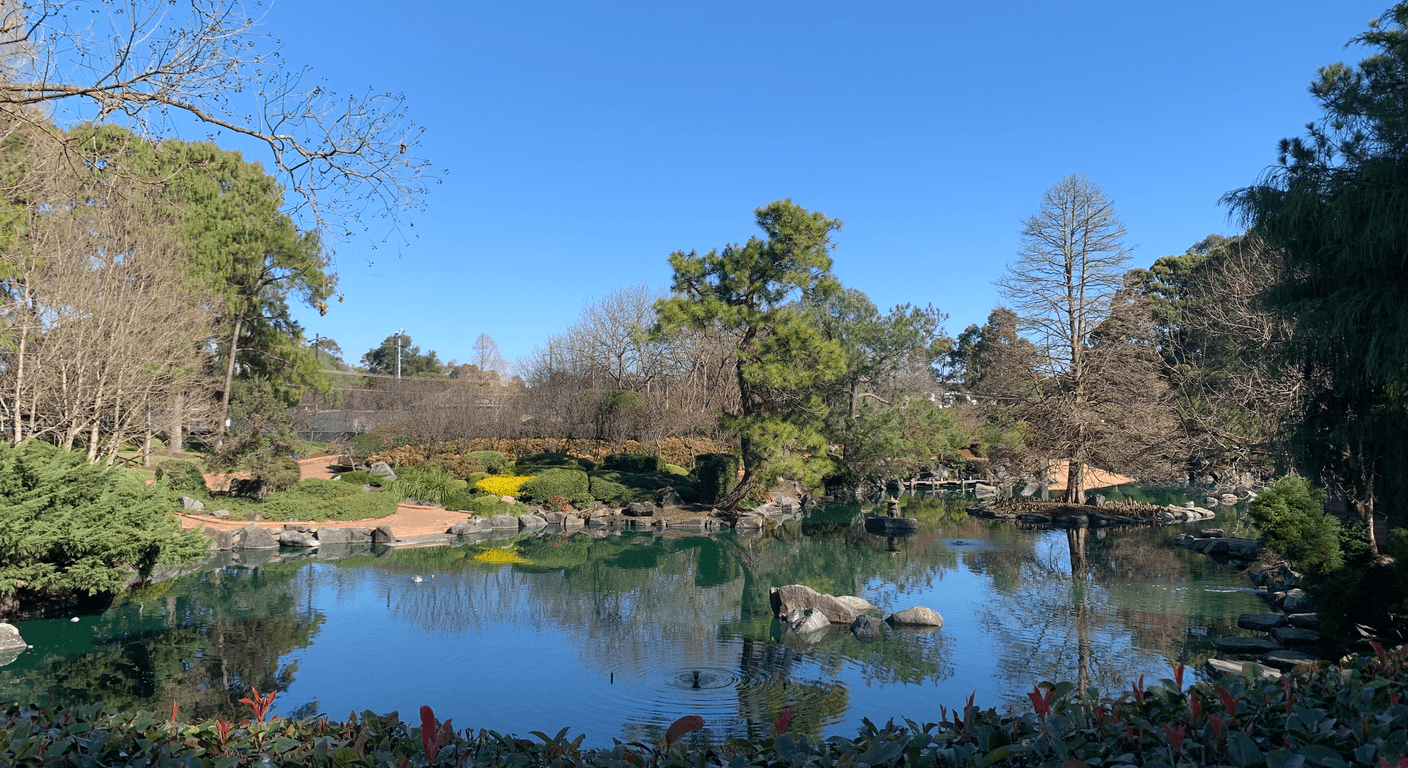
Even outside FOOD Week, autumn is the best season to visit Orange. The deciduous trees planted along the streets and in the parks — European species that were established during the town's colonial-era development — turn properly in April and May. It is a quieter version of the seasonal colour you might associate with Japan or Europe, but it is real and it is lovely, and the cooler air makes walking around town genuinely pleasant.
Accessibility and pacing: honest notes for over-50 travellers
The town centre of Orange is largely flat and walkable, which is one of its genuine practical advantages for older travellers. Summer Street has footpaths in good condition, and most of the main cafes and restaurants have step-free or near-step-free entry. That said, some of the older buildings along side streets have a step at the entrance, so it is worth checking with specific venues if you use a walking aid or wheelchair.
At the cellar doors outside town, accessibility varies more significantly. Some have purpose-built tasting rooms that are fully accessible; others involve gravel paths, steps, or sloping terrain. The most straightforward approach is to call or email ahead — winery staff are generally happy to advise, and some will make specific arrangements if given notice.
A one-night stay is more comfortable than a rushed day trip for most over-50 travellers, particularly those coming from Victoria via Sydney. Orange has a reasonable range of accommodation from motel-style to boutique guesthouses; the visitor information site at orange.nsw.gov.au lists current options. Staying overnight also lets you have a proper dinner at one of the better restaurants without watching the clock for a return journey.
Practical planning: what to confirm before you go
Cellar door hours change seasonally and some producers close on certain weekdays, particularly in the quieter winter months. Always check directly with the winery or via the Orange visitor information site before building your itinerary around a specific cellar door. The same applies to restaurant bookings — weekend tables at the better-regarded spots can fill up, especially during FOOD Week and the autumn leaf season.
If travelling by XPT train, book ahead through nswtrainlink.info and confirm whether a seniors concession card from Victoria is recognised for interstate NSW TrainLink services — the rules around interstate concession recognition do change, and it is worth a direct check at the time of booking. The train journey itself is comfortable and unhurried, and the dining car adds a pleasant old-fashioned quality to the trip.
Budget roughly for petrol or transport, two cellar door tastings (indicatively from around $10–$20 per person per venue for a standard tasting flight, sometimes waived with a purchase — confirm with each winery), lunch and dinner, and accommodation if staying overnight. A comfortable two-day trip for a couple is achievable without being extravagant, though costs depend heavily on your choices at the table and the cellar door.
Quick planning guide
| Ideal pace | Slow-paced — two cellar doors a day with a relaxed lunch, rather than rushing multiple wineries |
|---|---|
| Best months | April–May, for the autumn leaf colour and cool-climate wine season |
| Suggested stay | One to two nights rather than a single rushed day trip |
| Mobility level | Easy in the flat, walkable town centre; more variable at cellar doors, where terrain and steps differ by winery |
| Cost level | Mid-range, rising to premium for better wines and multi-course FOOD Week events |
| Comfort level | Comfortable — flat central streets, step-free dining options, and an unhurried train journey from Sydney |
| Best for | Over-50 food and wine travellers who prefer a slower pace and a good appetite over a packed itinerary |
| Main planning consideration | Confirm cellar door hours and restaurant bookings ahead, especially during FOOD Week and autumn colour season when tables and events book out |
Key takeaways
- Orange sits at around 860 metres elevation, producing cool-climate wines — including Chardonnay, Cabernet Franc and Riesling — that are distinct from warmer Australian regions.
- The town centre is compact and largely flat, making it one of the more walkable regional NSW towns for older travellers.
- The NSW TrainLink XPT from Sydney Central to Orange takes roughly three hours and is a comfortable alternative to driving for over-50 travellers.
- Orange FOOD Week runs across around ten days in autumn — dates shift year to year, so check foodweek.com.au for the current program and book popular events early.
- Autumn is the best season to visit: deciduous street trees turn gold and copper in April and May, and the cooler air makes walking around town comfortable.
- Accessibility at cellar doors outside town varies; call ahead if you use a walking aid or have mobility considerations, as terrain and facilities differ significantly between properties.
Recommended partners and links
Indicative prices only — always confirm with the operator before booking.
Frequently asked questions
How far is Orange NSW from Sydney and how long does it take to get there?
Orange is roughly 260 kilometres west of Sydney. By car via the Great Western Highway, the drive takes around three hours. By NSW TrainLink XPT train from Central Station, the journey is also approximately three hours. Confirm current train timetables at nswtrainlink.info.
When is Orange FOOD Week and how do you get tickets?
Orange FOOD Week is typically held over ten days in autumn, but exact dates shift from year to year. Check the current program and ticket availability at foodweek.com.au. Popular events such as long-table dinners and winery lunches can book out, so checking the site as soon as the program is released is advisable.
What wine varieties is Orange known for?
Orange's cool-climate elevation produces wines with good natural acidity, particularly Chardonnay, Cabernet Franc, Riesling and Pinot Noir. The GI Orange designation covers the wine-growing area around the town. Individual cellar doors each have their own strengths; check winery websites for current release lists.
Is Orange a good destination for travellers with mobility considerations?
The town centre is largely flat and suits travellers with moderate mobility reasonably well. Cellar doors outside town vary — some are fully accessible, others have gravel paths or steps. It is worth contacting specific wineries in advance if you use a walking aid or wheelchair, as most are willing to advise on what to expect.
Can you do Orange as a day trip or is an overnight stay better?
A day trip from Sydney is possible but leaves limited time to visit cellar doors and eat well without feeling rushed. An overnight stay suits most over-50 travellers better — it allows a proper dinner at one of the town's better restaurants and a more relaxed pace across two half-days. Check current accommodation options at orange.nsw.gov.au.