A return road trip to Lightning Ridge from Melbourne or Sydney typically costs $2,500 to $3,500 for two people, covering roughly 900 kilometres each way plus fuel, accommodation and food. Written for older Australians considering outback NSW travel, this guide covers road conditions, patchy mobile coverage, medical access and insurance needs for Lightning Ridge and White Cliffs. Confirm current road conditions at roads.transport.nsw.gov.au before departing.
Why These Two Towns Deserve the Honest Conversation
Lightning Ridge and White Cliffs are not difficult destinations in the way that, say, Cape York or the Kimberley are difficult. The roads are sealed. There are motels, caravan parks, a hospital in Lightning Ridge, and people who have been welcoming strangers into their strange, sun-baked world for generations. But they are genuinely remote — and that remoteness carries real costs that travel writing tends to gloss over in favour of the romance of the red dirt.
This piece is written for the traveller who has already felt the pull of opal country — the photographs of underground homes, the eccentric miners, the particular quiet of a landscape that doesn't care about your schedule — and is now trying to work out whether it's actually sensible to go. The answer is yes, with planning. But the planning matters more than most guides admit.
There's a particular kind of condescension that older travellers encounter constantly: the assumption that because a place is remote or requires effort, it should be gently steered away from. That framing is wrong. What's needed instead is better information — honest, specific and respectful of the intelligence of a person who has, in all likelihood, navigated harder things than a long drive through western New South Wales.
What Does It Actually Cost to Get There?
From Melbourne, Lightning Ridge is roughly 900 kilometres. From Sydney, it's around 770 kilometres. Neither figure is the whole story. The drive from Melbourne via Dubbo — the most logical route — takes a minimum of ten hours of wheel time, which no responsible traveller should attempt in a single day. Factor in two driving days each way, at least one overnight stop, and the real distance becomes a four-day commitment before you've spent a single hour in the town itself.
Fuel is where the budget surprises begin. Petrol prices in remote NSW can run 30 to 50 cents per litre above metropolitan prices — sometimes more, and sometimes without warning. A return trip from Melbourne in a mid-sized SUV, assuming around 10 litres per 100 kilometres, will consume roughly 180 litres of fuel. At indicative remote prices of around $2.20 to $2.50 per litre (confirm current pricing at the bowser — it fluctuates), that's somewhere between $400 and $450 in fuel alone, before you've reached Lightning Ridge. Add the leg to White Cliffs, another 330 kilometres north-west of Broken Hill, and the fuel bill climbs again.
Accommodation along the route — Dubbo, Nyngan, Bourke — ranges from around $100 to $180 per night for a decent motel room for two, indicatively. Lightning Ridge itself has motel and caravan park options; the Wallangulla Motel and the Lightning Ridge Outback Resort are established choices, though prices and availability should be confirmed directly. White Cliffs has fewer beds — the Underground Motel is the standout and deservedly popular, so book well ahead for the cooler months. None of this is expensive by city standards. But the cumulative cost of a week in opal country — fuel, accommodation, food (where the only supermarket option may be a small IGA), and incidentals — can reach $2,500 to $3,500 for a couple. That's not a complaint. It's just the number people should have before they leave.
The Roads: What 'Sealed' Actually Means Out Here
Both Lightning Ridge and White Cliffs are reached on sealed roads, which matters enormously. A standard passenger car or caravan combination can make the journey without the need for a four-wheel drive. That said, 'sealed' in outback NSW can mean anything from a smooth two-lane highway to a narrow bitumen strip with crumbling edges, significant corrugations at the margins, and the occasional stretch where cattle have wandered onto the road and have absolutely no intention of moving.
The Castlereagh Highway from Gilgandra to Lightning Ridge is the main artery and is generally in reasonable condition. The road from Broken Hill to White Cliffs — the Barrier Highway and then north via Wilcannia — is longer and more variable. Always check current road conditions through Transport for NSW (roads.transport.nsw.gov.au) before departing. Road conditions can change quickly after rain, and a flooded causeway is a very different problem when you're 400 kilometres from help.
For travellers towing a caravan, the key consideration is not the distance but the narrowness of some sections and the limited overtaking opportunities. Allow more time than the mapping app suggests. The apps do not account for road trains, slow farm vehicles, or the very reasonable desire to stop and look at something extraordinary in the middle of nowhere. Those stops are not delays. They're the point.
Mobile Coverage, Medical Access and the Stuff Nobody Mentions
Mobile coverage along the route to both towns is patchy — and in some stretches between Bourke and Lightning Ridge, or between Wilcannia and White Cliffs, genuinely absent. This is not a minor inconvenience if something goes wrong. It means that downloading offline maps before you leave is not optional. It means that telling someone your itinerary and expected arrival times is not overcautious. And it means that a personal locator beacon (PLB) — which can be rented from many outdoor equipment retailers — is a sensible addition to the kit, particularly for solo travellers.
Lightning Ridge has a hospital: the Lightning Ridge Multi-Purpose Service, part of the Western NSW Local Health District. It provides emergency care and some inpatient services, but it is not a major hospital. White Cliffs has no hospital; the nearest significant medical facility is Broken Hill, around 300 kilometres away. Travellers managing ongoing health conditions — cardiac, respiratory, diabetic — should discuss the trip with their GP before departure, carry adequate medication supplies, and understand what their travel insurance actually covers in a remote medical evacuation scenario.
Travel insurance for travellers over 60 with pre-existing conditions is not a formality — it's a financial necessity. Policies vary enormously in what they cover in remote locations. Read the product disclosure statement carefully, declare everything, and consider a policy that specifically covers emergency medical evacuation. The cost of a helicopter retrieval from outback NSW, without insurance, is not a figure most people can absorb. Cover-More, Allianz, and several specialist insurers offer policies for older Australians; compare carefully and confirm current terms directly with the provider.
What You Actually Get When You Arrive
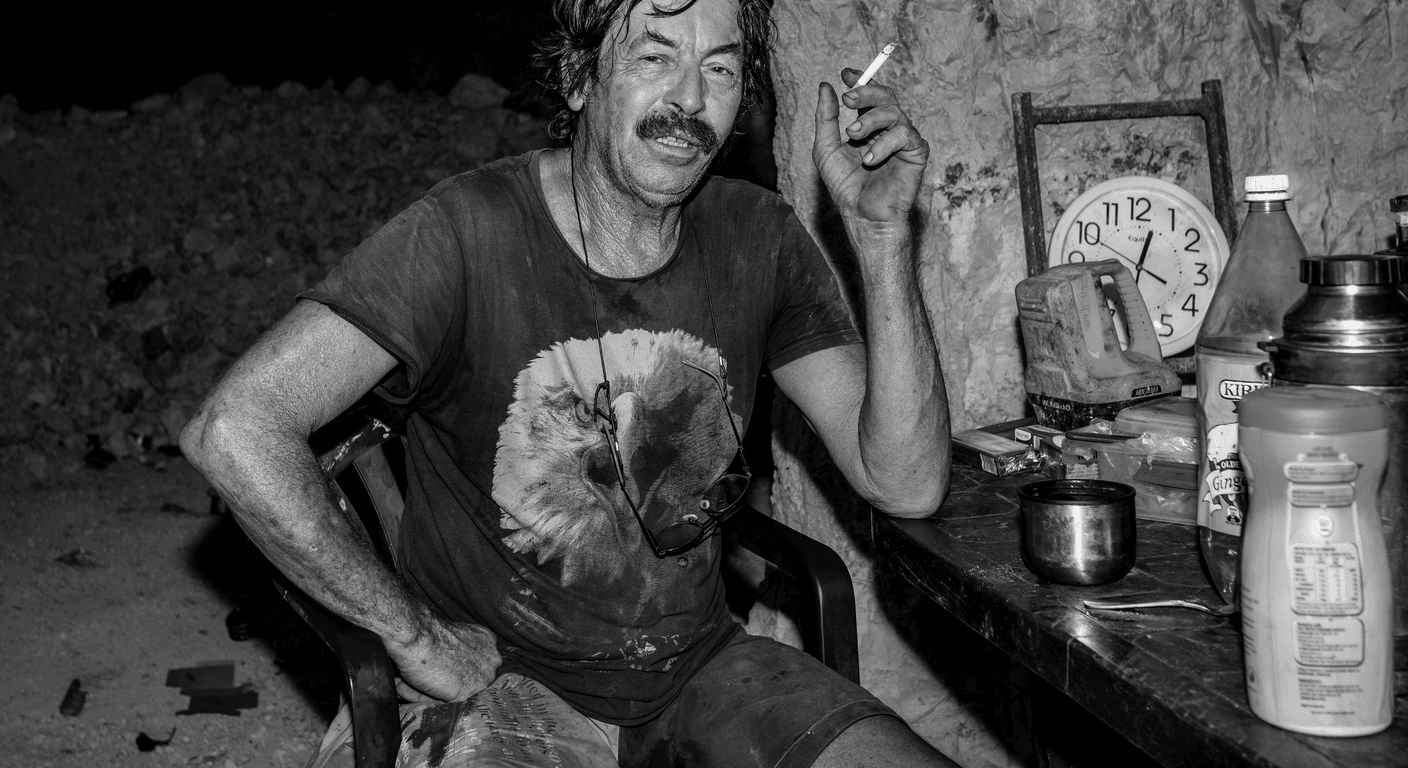
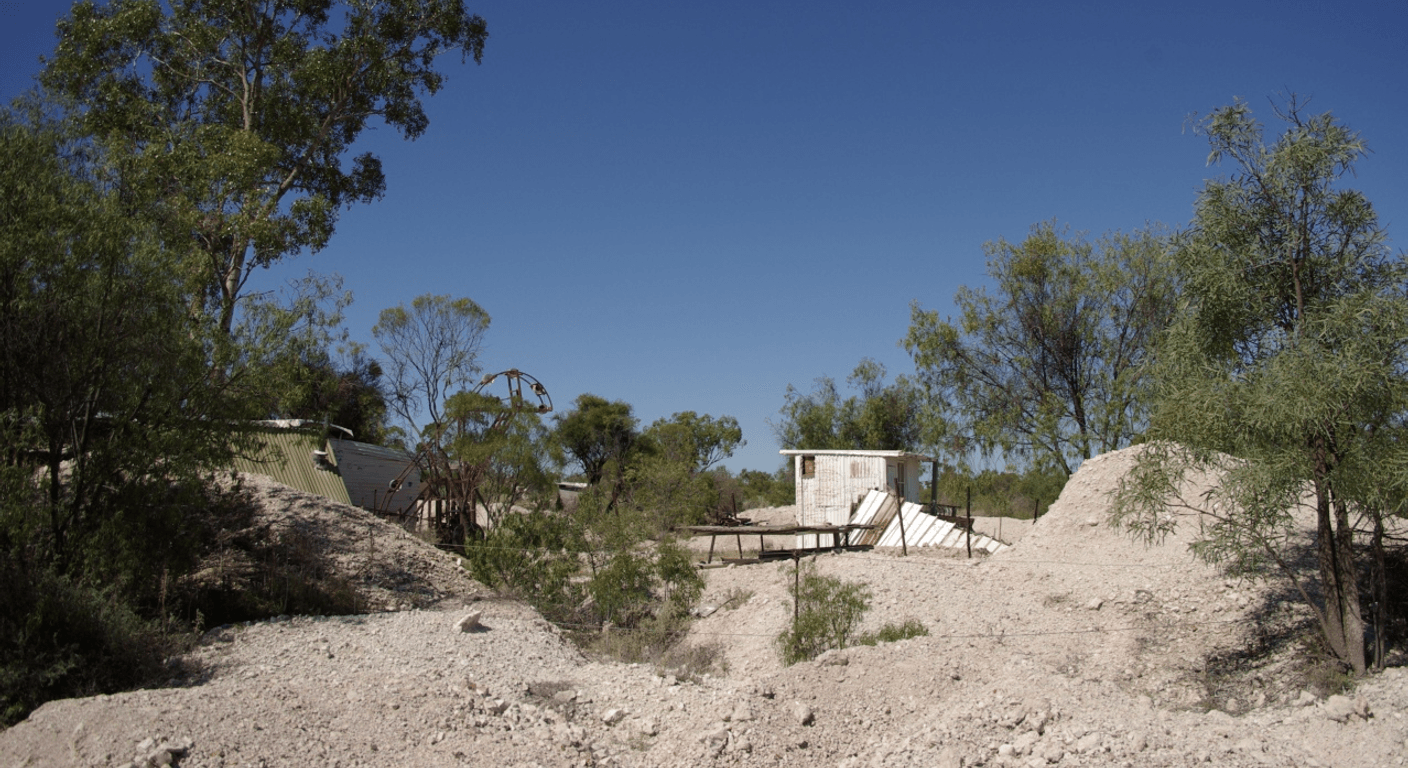
Lightning Ridge rewards patience in a way that few Australian towns do. The opal fields are not a theme park. The miners are actual miners — some of them doing it for a living, some for the obsession of it, and a few who have been there so long they've become part of the landscape. The Miners' Association runs walks and fossicking experiences that give genuine insight without the performance of a scripted tour. The hot artesian bore baths on Pandora Street are free, communal, and one of the more quietly extraordinary experiences available in regional Australia. Go at dusk.
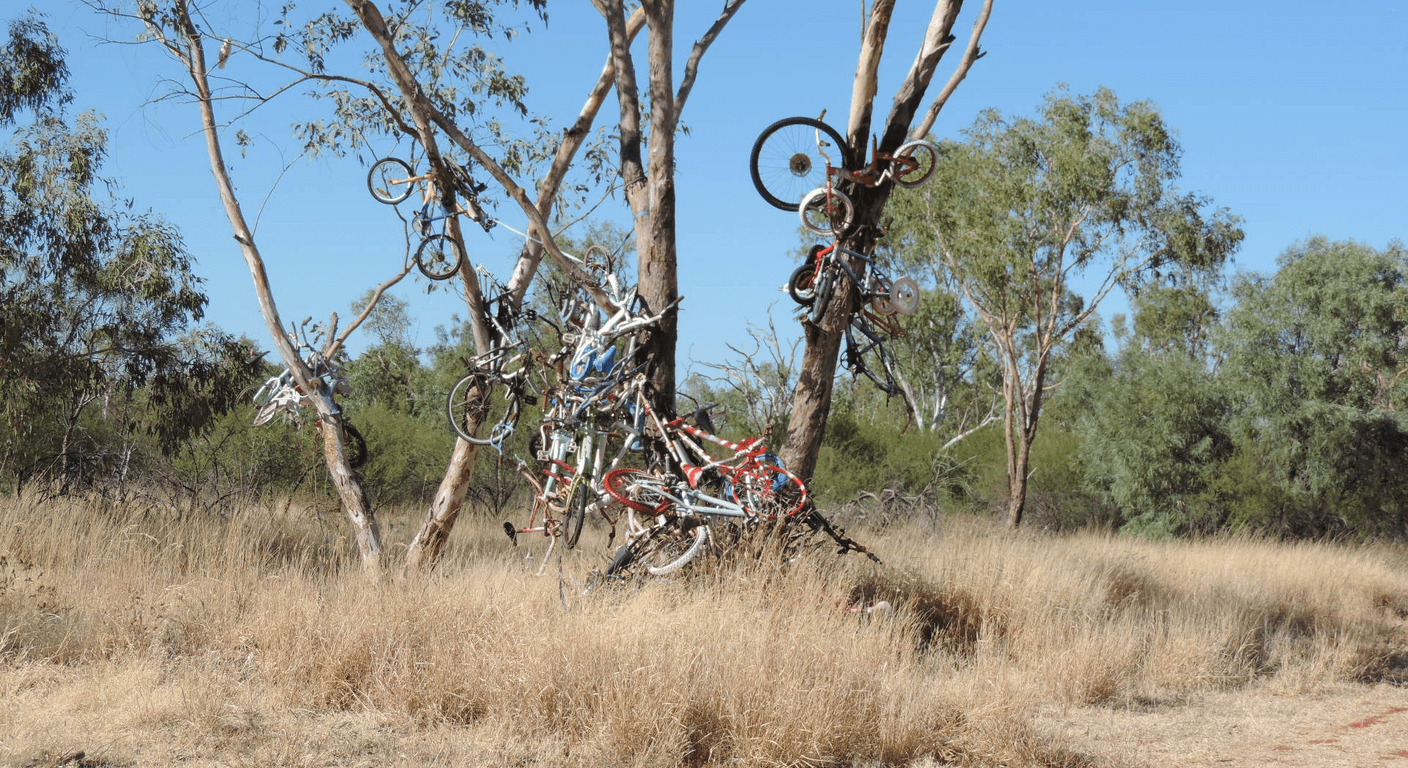
The town's eccentricity is real. The sculptures made from opal mullock (the waste rock from mining) scattered around town — including a crocodile, a Ned Kelly, and a turtle — were made by a local artist named Ron Canlin and are genuinely worth seeking out. The Chambers of the Black Hand, underground galleries carved into the sandstone, are unlike anything else in the country. They're not polished. That's the whole point.
White Cliffs is smaller, quieter, and in some ways more affecting. The underground homes — dug into the earth to escape the heat — are available to tour, and staying at the Underground Motel gives a sense of what that life actually feels like. The town is honest about what it is: a place that grew up around opal, nearly disappeared when the opal ran out, and is still deciding what comes next. There is something in that story that resonates with travellers at a certain stage of life. The country doesn't dress it up. Neither should the guide.
The Case for Going — and Going Well
The argument against going usually sounds like concern but often functions as condescension. Remote travel is not inherently unsuitable for older travellers. It requires different preparation — more of it, more specific — but the rewards are proportionally different too. A week in opal country offers something genuinely rare: a part of Australia that has not been smoothed into palatability for visitors, where the landscape is enormous and indifferent and the people have chosen to be exactly where they are.
The argument for going is simply this: the planning infrastructure for this kind of trip — better regional fuel price information, clearer mobile coverage maps, honest accommodation guides that note accessibility features — should be more readily available than it currently is. The gap between what travellers need to know and what the official tourism material tells them is where trips go wrong. Filling that gap is an act of respect, not caution.
A couple who prepares properly — who drives in stages, carries extra water, has a PLB, has spoken to their GP, has insurance that actually covers them, and has booked the Underground Motel three months out — will have one of the more memorable trips of their travelling life. That's not a promise. It's a reasonable expectation, based on what opal country is. The honest cost of getting there is worth paying. The dishonest cost would be not going because nobody gave you the full picture.
Practical Planning: The Checklist That Matters
Before leaving, download offline maps for the entire route — Google Maps and Maps.me both allow this. File a travel plan with a trusted contact: your route, overnight stops, and expected arrival dates. Check road conditions at roads.transport.nsw.gov.au the day before each driving leg. Carry at least 20 litres of extra water per person, a basic first aid kit, jumper cables, and a spare tyre in good condition. If you're towing, know your caravan's weight and your vehicle's towing capacity — not approximately, exactly.
Fuel up at every opportunity in western NSW. Do not assume the next town has a servo open on a Sunday afternoon. Apps like MotorMouth and GasBuddy give indicative regional fuel prices, though coverage in very remote areas is limited. The NRMA's outback travel guides (available at nrma.com.au) are a useful starting point, particularly for members who can access additional roadside assistance coverage.
For travellers with mobility considerations, note that mine site tours and fossicking areas involve uneven ground — gravel, loose rock, and some slopes. The artesian baths and most town facilities are accessible at ground level. The Chambers of the Black Hand involve stairs and low passages; confirm current access details directly with the operator before visiting. White Cliffs' underground motel rooms are reached via steps; ask about ground-level options when booking. Neither town will win awards for accessibility infrastructure, but both are navigable with some forethought and honest communication about your needs.
Quick planning guide
| Who it's for | Older travellers planning a self-drive trip to the remote opal-mining towns of Lightning Ridge and White Cliffs in outback NSW. |
|---|---|
| How to start | Plan a staged drive with at least one overnight stop each way (Melbourne to Lightning Ridge is a four-day round trip minimum), and book accommodation, especially White Cliffs' Underground Motel, well ahead. |
| Typical cost | Around $2,500 to $3,500 for a couple for a week, including roughly $400–$450 in fuel from Melbourne, $100–$180 per night for motels, food, and incidentals. |
| Time required | At least four days for a Melbourne return drive alone (two driving days each way with an overnight stop), before allowing time in the towns themselves. |
| Where to get help | Transport for NSW (roads.transport.nsw.gov.au) for road conditions, NRMA outback travel guides, a GP for pre-existing health conditions, and insurers such as Cover-More or Allianz for remote medical evacuation cover. |
| Key documents needed | A filed travel plan with a trusted contact, a travel insurance policy with the PDS read carefully and conditions declared, and confirmed vehicle/caravan towing capacity details. |
| Main planning consideration | Patchy to absent mobile coverage on route and limited medical access (no hospital in White Cliffs; Broken Hill is 300km away) mean offline maps, a personal locator beacon, and evacuation-inclusive insurance are essential. |
| Renewal or review | Not applicable as an ongoing entitlement, but road conditions, fuel prices and accommodation availability should be reconfirmed directly before and during travel. |
Key takeaways
- A return road trip to Lightning Ridge from Melbourne or Sydney realistically costs $2,500–$3,500 for two, including fuel, accommodation and food — confirm current fuel prices before budgeting.
- Both towns are on sealed roads accessible to standard vehicles and caravans, but mobile coverage is unreliable; offline maps and a personal locator beacon are essential, not optional.
- Lightning Ridge has a hospital; White Cliffs does not — the nearest major medical facility from White Cliffs is Broken Hill, roughly 300 kilometres away.
- Travel insurance that covers remote medical evacuation is non-negotiable for older travellers with pre-existing conditions; read the PDS carefully and declare everything.
- The Underground Motel at White Cliffs books out months ahead during the April–October season — secure accommodation before finalising any other plans.
- The best argument for going to opal country is not the scenery or the opals — it's that genuine remoteness, approached with proper preparation, is one of the most rewarding experiences Australian travel offers.
Recommended partners and links
Indicative prices only — always confirm with the operator before booking.
Frequently asked questions
Can you drive to Lightning Ridge without a four-wheel drive?
Yes. Lightning Ridge is reached via the sealed Castlereagh Highway, and a standard passenger car or caravan combination is suitable. A four-wheel drive is not required for the main route from Sydney or Dubbo. Road conditions can change after rain, so check Transport for NSW's road condition reports at roads.transport.nsw.gov.au before each driving day.
Is there public transport to Lightning Ridge or White Cliffs?
There is no direct public transport to either Lightning Ridge or White Cliffs. NSW TrainLink operates coach services to Dubbo, and from Dubbo to Lightning Ridge there is a limited regional coach service — confirm current schedules and availability with NSW TrainLink at transportnsw.info. White Cliffs has no regular public transport link. A private vehicle or organised tour is the practical way to reach both towns.
What is the best time of year to visit Lightning Ridge and White Cliffs?
April to October offers the most comfortable conditions, with daytime temperatures typically between 15°C and 28°C. Summer months — December through February — can see temperatures exceed 45°C, which poses genuine health risks and makes outdoor exploration impractical. The Easter and school holiday periods in April and September are popular; book accommodation early for those windows.
How do I handle the lack of mobile coverage on the drive?
Download offline maps for the entire route before leaving — Google Maps allows offline areas to be saved in advance. Carry a personal locator beacon (PLB), which operates via satellite and does not require mobile coverage. Leave a detailed travel plan — route, overnight stops, expected arrival times — with a trusted contact at home who knows to raise the alarm if you don't check in. Telstra has the broadest regional coverage in outback NSW; confirm your carrier's coverage map before travelling.
Are there concessions or discounts available at Lightning Ridge attractions for older travellers?
Some Lightning Ridge attractions offer concession pricing for pensioner card or seniors card holders — the Miners' Association tours and some fossicking operations among them. Always ask about concessions directly; they are not always advertised. White Cliffs' Underground Motel does not consistently publish concession rates online, so enquire when booking. The artesian bore baths in Lightning Ridge are free to all visitors.
- Lightning Ridge Visitor Information — Visit Lightning Ridge
- Outback NSW — Visit NSW
- NSW Road & Traffic Conditions — Transport for NSW
- NSW TrainLink Regional Coaches (Dubbo services)
- Western NSW Local Health District — Lightning Ridge Multi-Purpose Service
- NRMA Outback Travel Guide
- NSW National Parks & Wildlife Service — Outback NSW