Eleven metres underground at Lightning Ridge, NSW, the Chambers of the Black Hand holds more than 900 sandstone sculptures carved by a working opal miner over decades. Best visited April to September as an anchor for a two-to-three-night stay, the mine sits at a steady 22°C year-round despite surface heat topping 40°C. Mobility is rated Moderate, with uneven rock underfoot unsuitable for wheelchairs or frames. Access is remote — around 900km by road from Melbourne, or a connecting flight via Dubbo or Broken Hill.
What exactly is the Chambers of the Black Hand?
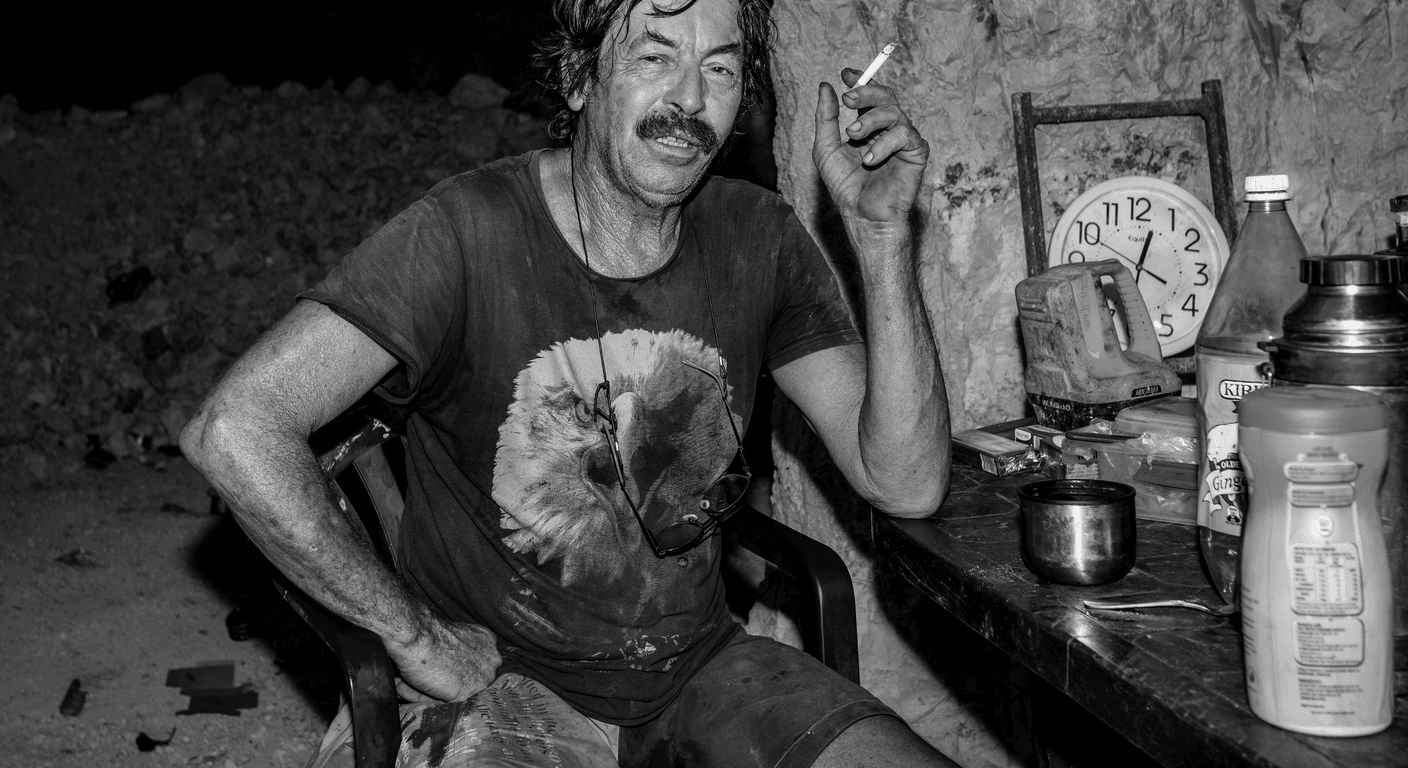
The name alone earns a second glance. The Chambers of the Black Hand is a disused opal mine on the outskirts of Lightning Ridge, in far north-west New South Wales, where a working miner — rather than retiring to the surface when the seams ran thin — picked up a different kind of tool and started carving. Over decades, he sculpted more than 900 figures, faces, animals and scenes directly into the sandstone walls of the tunnels, eleven metres below ground.
It is, depending on your frame of reference, folk art, outsider art, or simply one person's extraordinary private project that eventually became public. The sculptures range from rough-hewn faces peering from the rock to detailed scenes of Australian life, mythology and personal history. Nothing is behind glass. The stone is close enough to touch, and the guide — unhurried, knowledgeable — gives the work proper context rather than a rehearsed spiel.
Lightning Ridge is already famous for its black opals, the most valuable opals on earth. But the Chambers adds something the opal fields alone can't: a quiet, genuine encounter with one person's creative obsession, played out in the dark over a lifetime. That's a different kind of richness entirely.
Why the underground temperature matters more than you might think
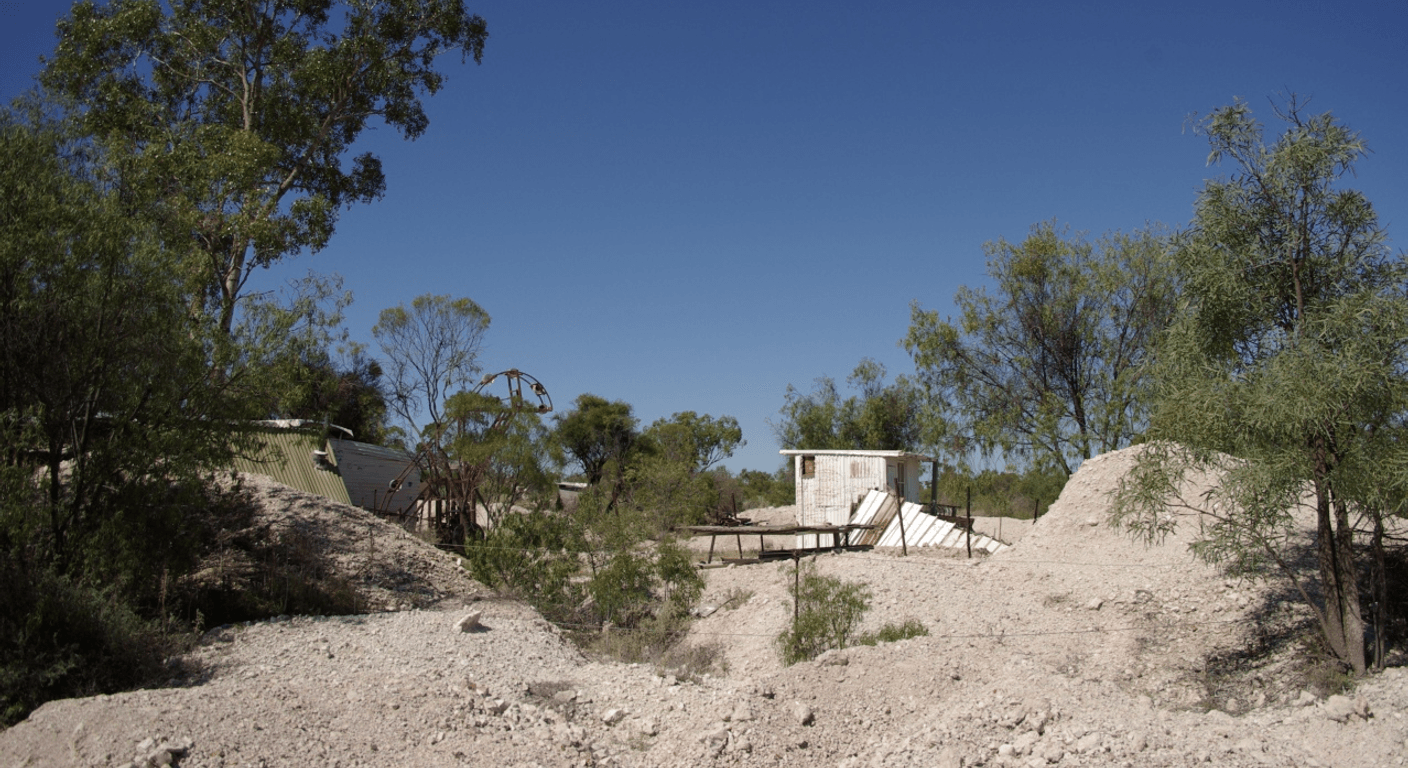
Lightning Ridge sits in outback New South Wales, and in summer the surface temperature regularly climbs above 40°C. Even in the shoulder months, midday above ground is not where you want to be. Eleven metres underground, the mine holds a steady temperature of around 22°C year-round — cool, still air that feels almost medicinal after the walk in from a dusty car park.
This is not a trivial detail for a traveller in his late sixties. The underground environment means the tour itself is genuinely comfortable regardless of what the day is doing above. You can take your time with the sculptures, listen carefully to the guide, and not feel the familiar outback pressure to retreat to air-conditioning before you've properly looked at anything.
Dress for the contrast, though. A light layer in a bag is sensible — the mine can feel cool if you've been sweating on arrival, and the tour runs for a solid stretch. Closed, flat-soled shoes are essential rather than optional.
What are the terrain and mobility realities underground?
This is rated Moderate, and that rating deserves honest unpacking. The tunnels were carved by miners, not heritage architects. The floor is uneven rock — compressed gravel, rough-cut sandstone, occasional low lips between chambers. There are no handrails along every wall. Some passages are narrower than a city corridor, and the lighting, while adequate, is atmospheric rather than clinical.
A traveller with good balance and reasonable confidence on uneven ground will manage comfortably. The pace is dictated by the guide, who is not rushing anyone. If you use a walking stick on rough terrain, bring it — there's enough to lean against when needed. If you rely on a walking frame or wheelchair, this tour is not accessible in its current form, and it's worth calling ahead to discuss options rather than arriving and being disappointed.
The descent into the mine is via a ramp or steps depending on the entry point — again, confirm specifics when booking. The effort is well within the range of an active traveller who'd walk a kilometre on a city footpath without a second thought.
When should you visit, and how do you book?
April through September is the window most experienced Lightning Ridge visitors recommend, and for good reason. The outback heat above ground is manageable, the roads are in better condition, and the town itself has more life — other travellers, open cafes, the weekly markets. The mine itself doesn't change with the seasons, but everything around your visit does.
Tours are guided and run on a schedule rather than on demand. Booking ahead is strongly advised in the April-to-September peak, when grey nomads and touring couples fill the town's limited accommodation and the popular experiences fill up faster than the caravan parks. A phone call or online booking made a week or two in advance is enough most of the time — but don't assume you can walk in on a Saturday morning in July without checking.
Confirm current tour times, pricing and availability directly with the Chambers of the Black Hand before you travel. Indicative pricing has been around $25–$35 per adult in recent years, but outback operators review their rates, and the figure you find online may not be current. The Lightning Ridge Visitor Information Centre can also assist with bookings and local logistics.
Getting to Lightning Ridge from Victoria
Lightning Ridge is genuinely remote. From Melbourne, the most direct road route runs north through Shepparton and Narrandera, then west via Walgett — roughly 900 kilometres, best broken across two days with a night in Dubbo or Narrandera. The roads are sealed for most of the journey, and the drive through central New South Wales has its own quiet appeal, particularly in the cooler months when the wheat country is green.
Flying is possible but requires a connection. Sydney to Lightning Ridge operates via Regional Express (Rex) through Dubbo or Broken Hill — confirm current schedules, as regional air routes change. Many solo travellers and grey nomads find the drive preferable: it gives flexibility, lets you carry gear, and turns the journey into part of the experience rather than a transit ordeal.
Fuel up before leaving Walgett — it's the last reliable stop before Lightning Ridge, around 70 kilometres out. Mobile coverage along the route is patchy. Download offline maps, carry extra water, and let someone know your itinerary. These are standard outback courtesies, not cause for alarm.
What else is worth your time in Lightning Ridge?
The Chambers of the Black Hand works best as an anchor for a two-to-three-night stay, not a day trip. Lightning Ridge rewards slow attention. The Artesian Bore Baths — free, open 24 hours, and genuinely restorative — are a few kilometres from town and sit at around 40°C naturally. After a day of dusty roads or underground exploration, they are exactly what they sound like.
The opal fields themselves are worth a morning. You can fossick for opal chips on designated public fossicking areas — no licence required for hand tools — and the experience of understanding what the miners are actually after gives the Chambers sculptures a different kind of weight afterwards. The Lightning Ridge Opal and Gem Centre provides context on the stone's geology and value, and the town's Thursday markets are an unhurried way to meet locals.
For a solo traveller, Lightning Ridge has an appealingly unselfconscious character. It's a working mining town, not a tourism product. The people you meet at the pub or the baths are often miners, artists, or long-term itinerants who chose the place deliberately. That makes for more interesting conversation than most tourist towns manage.
What should you know before you go?
Accommodation in Lightning Ridge is limited. There are motels, caravan parks and a small number of self-contained options — book well ahead for the April-to-September season. The town has a supermarket and several cafes, but dining options are modest by city standards. Self-catering suits a solo traveller well here.
Travel insurance is worth reviewing before any remote outback trip. Medical facilities in Lightning Ridge are limited; Dubbo Base Hospital is the nearest major facility, around three hours by road. Pre-existing conditions should be declared honestly to your insurer, and it's worth knowing the location of the nearest Royal Flying Doctor Service base — Dubbo and Broken Hill both have RFDS operations. None of this is reason to stay home; it's reason to be organised.
A final practical note: the Chambers of the Black Hand is not a large commercial operation. It's a small, independent experience run by people with a genuine connection to the work. Treat it accordingly — arrive on time, follow the guide's instructions underground, and don't touch the sculptures without being invited to. The place has survived this long because people have respected it.
Quick planning guide
| Ideal pace | Slow and unhurried, guide-led underground |
|---|---|
| Best months | April to September |
| Suggested stay | Two to three nights in Lightning Ridge |
| Mobility level | Moderate — uneven rock floor, not wheelchair or frame accessible |
| Cost level | Budget-friendly (indicatively $25–$35 per adult) |
| Comfort level | Naturally cool underground (around 22°C) regardless of surface heat |
| Best for | Solo travellers who prefer substance over spectacle, and grey nomads touring the outback |
| Main planning consideration | Remote location — book tours and accommodation ahead, and plan the long drive or connecting flight carefully |
Key takeaways
- The Chambers of the Black Hand contains more than 900 sandstone sculptures carved by a working opal miner eleven metres underground at Lightning Ridge, NSW.
- The mine holds a constant temperature of around 22°C — genuine relief from outback surface heat, which regularly exceeds 40°C in summer.
- Mobility rating is Moderate: uneven mining-era rock underfoot requires steady footing and flat, closed shoes; not suitable for wheelchairs or walking frames.
- April to September is the recommended window — book guided tours ahead in this peak season, as availability tightens and Lightning Ridge accommodation fills quickly.
- Tour pricing has been indicatively around $25–$35 per adult; confirm current rates directly with the operator before visiting.
- Lightning Ridge is around 900 kilometres from Melbourne by road — best broken across two days — with limited mobile coverage and fuel stops; standard outback preparation applies.
Recommended partners and links
Indicative prices only — always confirm with the operator before booking.
Frequently asked questions
What is the Chambers of the Black Hand at Lightning Ridge?
The Chambers of the Black Hand is a disused opal mine at Lightning Ridge, New South Wales, where a working miner carved more than 900 sculptures into the sandstone tunnel walls over decades. It operates as Lightning Ridge's only fully guided underground opal mine tour, running eleven metres below the surface.
Is the Chambers of the Black Hand suitable for older travellers with mobility concerns?
The tour is rated Moderate for mobility. The underground tunnels have uneven, mining-era rock floors and some narrow passages. Travellers with good balance and confidence on rough ground manage comfortably; flat, closed shoes are essential. The experience is not currently accessible for wheelchair users or those relying on walking frames — call ahead to discuss your specific needs.
What temperature is it inside the Chambers of the Black Hand?
The mine maintains a constant temperature of around 22°C year-round, regardless of surface conditions. In summer, when Lightning Ridge can reach above 40°C above ground, the underground environment is a significant and practical relief.
When is the best time to visit Lightning Ridge and book the Chambers tour?
April to September is the most comfortable and popular period, with manageable surface temperatures and better road conditions. Book guided tours and accommodation in advance for this season, as Lightning Ridge has limited capacity and grey nomad traffic increases significantly in the cooler months.
How do you get to Lightning Ridge from Melbourne or Sydney?
From Melbourne, the drive is roughly 900 kilometres, best split across two days with a stop in Dubbo or Narrandera. From Sydney, the drive is around 750 kilometres via Dubbo. Flying requires a connection through Dubbo or Broken Hill via Regional Express (Rex) — confirm current schedules before booking, as regional routes change. Fuel up in Walgett, the last reliable stop around 70 kilometres from Lightning Ridge.