The Perth Mint, operating continuously since 1899, is best visited between April and October when Perth's heat eases, with two to three hours enough to see a gold-pour demonstration, the nugget collection and gift shop. The gold pour — molten metal cast into a bar you can hold — is the defining highlight. The exhibition sits on a single accessible level, rating Easy for mobility, and is reached free via the Yellow CAT bus from Perth's CBD, with no car or parking required.
Why the Perth Mint deserves more than a passing mention
There's a particular satisfaction in visiting a place that has been doing the same thing — well — for over 125 years. The Perth Mint opened in 1899 as a branch of the British Royal Mint, established to process the extraordinary volumes of gold coming out of the Kalgoorlie goldfields. It is the oldest operating mint in Australia. That's not a marketing line; it's simply what the building is.
The original limestone structure on Hay Street in East Perth has been retained, and it sets a tone that modern attractions rarely manage. You're not walking through a reconstruction. The furnaces, the vaults, the worn stone floors — they carry the weight of genuine use. For a traveller who appreciates the difference between heritage and theme park, this distinction matters.
Solo female travellers, in particular, tend to find the Mint a comfortable and absorbing half-day. The crowds are manageable, the layout is logical, and the staff are knowledgeable without being performative. There's none of the low-grade anxiety that can accompany larger, louder venues.
What actually happens at a gold-pour demonstration?
The gold-pour is the centrepiece, and it earns that status. A trained mint worker heats gold to around 1,064 degrees Celsius — the point at which it becomes a flowing, almost unreal liquid — then pours it into a mould in front of the assembled audience. The result, once cooled, is a solid gold bar. You can hold it. At current gold prices, what you're briefly cradling is worth a considerable sum, which adds a layer of mild absurdity that Australians tend to appreciate.
Pours run on a fixed schedule throughout the day, not continuously. This is the single most important piece of planning advice: check session times on the Perth Mint website before you arrive, and build your visit around them. Arriving mid-morning and timing your entry to catch an early pour, then moving through the exhibits afterward, is a sensible approach. The pours attract a crowd, so arriving a few minutes early secures a comfortable viewing position — especially relevant if standing for extended periods is tiring.
The demonstration itself takes around 20 to 30 minutes. It's theatrical without being forced, informative without becoming a lecture. The guide explains the process in plain terms, and there's usually time for questions. For anyone with Italian-Australian heritage and a family memory of artisanal craftsmanship — goldsmiths, jewellers, metalworkers — there's something quietly resonant about watching a skilled person work with molten metal.
The exhibits: gold nuggets, coins, and the weight of history
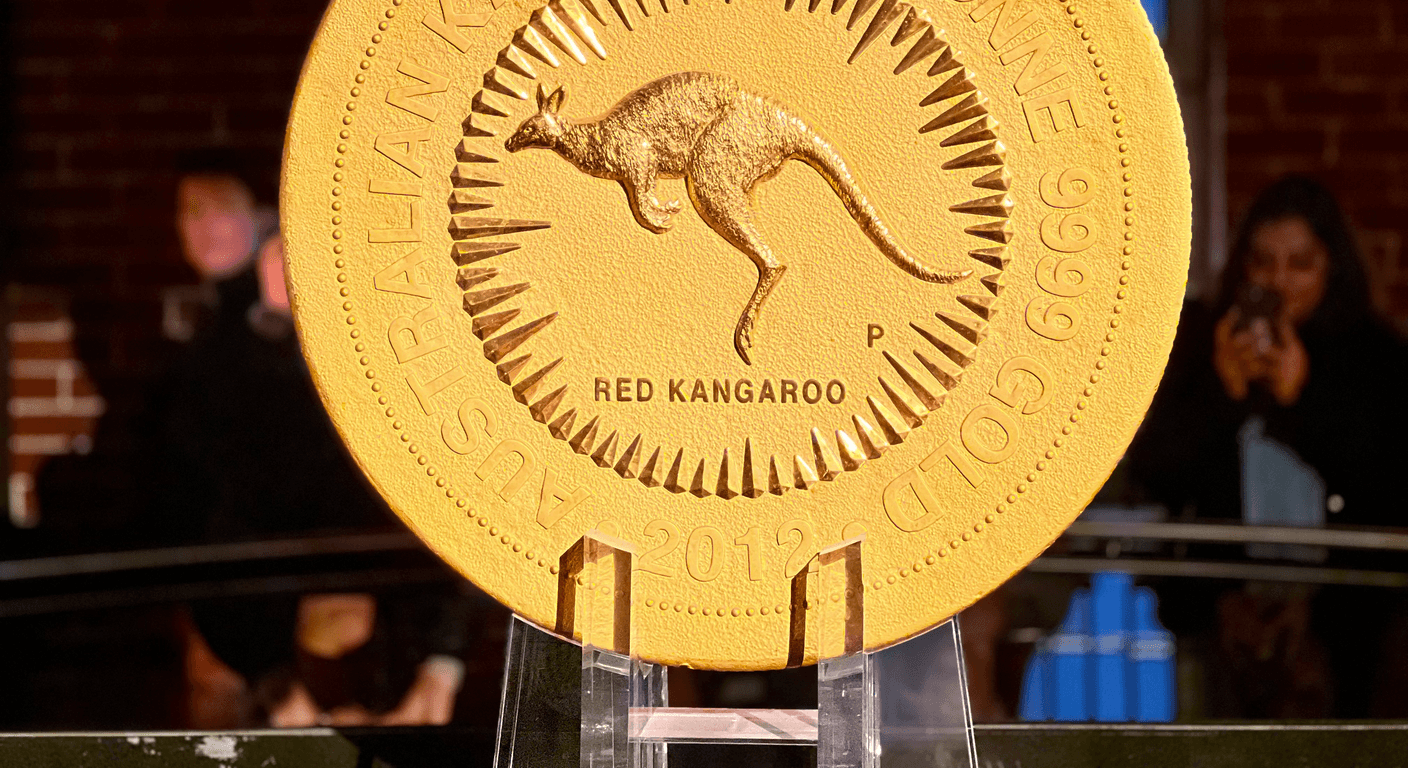
Beyond the pour, the Mint's permanent collection is arranged across a single, accessible level — a practical detail that makes a genuine difference for travellers who prefer not to negotiate stairs or long corridors. The gold nugget collection is the standout. Some pieces are of remarkable size and natural form, and reading their provenance — the station names, the prospectors, the dates — connects you directly to the Western Australian goldfields in a way that a photograph simply cannot.
The coin and bullion displays trace Australian monetary history with more depth than you might expect. There are exhibits on the mechanics of minting, the role of the assay office, and the Mint's continuing commercial operations — it still produces Australian coins and bullion products today. The gift shop carries genuinely interesting items, including small gold pieces and commemorative coins, though naturally the pricing reflects what they're made of.
The exhibition spaces are well-lit and the text panels are readable without requiring you to lean in uncomfortably — a small thing that frequent museum-goers will notice and appreciate. Seating is available throughout. Air conditioning is reliable, which matters considerably if you're visiting outside the cooler months.
Getting there without a car — the CAT bus is the right answer
The CAT (Central Area Transit) bus network is Perth's free inner-city bus system, and it makes the Mint straightforwardly accessible from the city centre without the frustration of parking or the cost of a taxi. The Yellow CAT route stops near the Mint on Hay Street; journey time from the CBD is short, and services run frequently during business hours. Confirm current stop locations and timetables via Transperth (transperth.wa.gov.au) before travel, as routes can be adjusted.
For visitors staying in Perth CBD hotels — which is the sensible base for a cultural visit — the CAT is the practical default. It's also a pleasant way to see a slice of East Perth, a neighbourhood that has evolved considerably over the past two decades and rewards a short wander before or after the Mint visit. A few cafes and the nearby Claisebrook Cove area offer good options for a relaxed lunch.
Those flying into Perth from Melbourne or Sydney will find the airport well-connected to the CBD via the Transperth airport rail link. Perth is a roughly four-hour direct flight from Melbourne and around five from Sydney. If you're arriving from the east and the time difference (two to three hours behind Eastern time, depending on daylight saving) disrupts sleep, a quiet first evening is sensible before a morning Mint visit.
Timing your visit: when Perth works best for this kind of day
Perth summers are genuinely hot — January and February regularly exceed 35 degrees, and the walk from a bus stop to an entry door can be uncomfortable enough to take the pleasure out of a cultural outing. April through October is the window that suits most travellers over 50. May, June and July bring cooler, sometimes overcast days that are ideal for interior attractions; September and October offer mild warmth and the famous Perth wildflower season as a bonus.
The Mint itself is air-conditioned throughout, so the weather outside is less of a concern once you're inside. The issue is more the transit between accommodation and venue — something to factor in rather than dismiss. A morning start, before the day heats up, is always the sensible approach in Perth regardless of season.
The Mint is closed on certain public holidays; confirm opening days and gold-pour session times directly via perthmint.com before finalising plans. Weekdays tend to be quieter than weekends, which can make the experience more relaxed for solo travellers who prefer not to compete for space near the demonstrations.
Practical details: entry, costs and what to expect on arrival
Concession entry to the Perth Mint is indicatively around $15 to $25 AUD — confirm current pricing directly with the Mint, as rates are subject to change and concession eligibility may require a valid card (pension card, seniors card or similar). The concession rate is a genuine benefit and worth requesting at the counter if it's not automatically applied. Booking online in advance is an option and can be useful for confirming your preferred pour session time.
The entry process is straightforward. The building's foyer is accessible, there are no significant physical barriers to the main exhibition level, and staff are on hand throughout. Security screening applies given the nature of what's on display — bags may be checked. Lockers are available for larger items. The gift shop is accessible without paying entry, though the main exhibits and pour demonstrations require a ticket.
Allow two to three hours for a comfortable visit that includes a gold pour, a proper look at the nugget collection, and time to browse the shop without rushing. Those who like to read every panel carefully — a perfectly reasonable approach — may want to allow a little more.
Combining the Mint with a broader Perth cultural day
The Perth Mint sits comfortably within a broader cultural day built around East Perth and the CBD. The Art Gallery of Western Australia (artgallery.wa.gov.au) and the Western Australian Museum — Boola Bardip (museum.wa.gov.au) are both free entry and a short ride away on the CAT network. Combining two or three of these in a single day is achievable without overextending, provided you pace the afternoon and include a proper lunch break.
For solo travellers who find a full day of structured sightseeing tiring, the Mint works equally well as a standalone half-day, leaving the afternoon free for a slower wander through Northbridge or a coffee along the Perth waterfront. Perth has a pleasantly unhurried quality for a capital city — it doesn't demand to be consumed at pace.
Travellers with an interest in gold-rush history may find that the Mint whets an appetite for the broader story — one that extends west to Kalgoorlie, about six hours by road or a short flight east. The Western Australian Goldfields are a separate journey, but the Mint provides an excellent prologue.
Quick planning guide
| Ideal pace | Slow-paced, relaxed half-day |
|---|---|
| Best months | April to October (cooler, comfortable weather) |
| Suggested stay | 2-3 hours |
| Mobility level | Easy — single accessible level, seating throughout, no stairs |
| Cost level | Budget-friendly (concession entry indicatively $15-25 AUD) |
| Comfort level | Air-conditioned throughout with reliable seating and readable displays |
| Best for | Solo travellers, history and heritage lovers, those wanting culture without exertion |
| Main planning consideration | Check gold-pour session times at perthmint.com and time your entry around them |
Key takeaways
- The Perth Mint has operated continuously since 1899, making it the oldest working mint in Australia — the building and the craft are genuinely historic.
- Gold-pour demonstrations run on a fixed daily schedule; check session times at perthmint.com before you arrive and plan your entry around them.
- The entire exhibition is on a single accessible level — compact, well-lit, and comfortable for travellers who prefer a relaxed pace.
- The Yellow CAT bus stops near the Mint on Hay Street and is free — no parking stress, no taxi cost, and a pleasant short ride from the CBD.
- Concession entry is indicatively $15–$25 AUD; bring a seniors or pension card and confirm current pricing directly with the Mint.
- April to October is the most comfortable window for a Perth visit; summer heat is real and worth planning around even for indoor attractions.
Recommended partners and links
Indicative prices only — always confirm with the operator before booking.
Frequently asked questions
How long does a visit to the Perth Mint take?
Most visitors comfortably cover the gold-pour demonstration and the main exhibits in two to three hours. Those who read exhibits thoroughly or spend time in the gift shop may want a little longer. It's a half-day activity rather than a full day.
Is the Perth Mint accessible for people with limited mobility?
Yes. The main exhibits and gold-pour demonstration area are on a single level with no significant stairs, and the flooring is even throughout. Seating is available in the demonstration area and across the exhibits. The entry and foyer are accessible. Confirm any specific requirements directly with the Mint via perthmint.com.
Do I need to book in advance for a gold-pour session?
Booking online is possible and allows you to select a specific pour session time, which is useful for planning. Walk-ins are generally accommodated, but arriving early for your chosen session is advisable — pour demonstrations attract a crowd and the best viewing positions go quickly.
Is there a seniors or concession discount at the Perth Mint?
Yes, concession pricing applies. Entry is indicatively around $15–$25 AUD at concession rates, though pricing is subject to change. Bring a valid concession card (seniors card, pension card or similar) and confirm current rates directly with the Mint before your visit.
What is the best way to get to the Perth Mint without a car?
The free Yellow CAT bus stops near the Mint on Hay Street in East Perth, running regularly from the Perth CBD. Transperth (transperth.wa.gov.au) has current route maps and timetables. It's the most practical option for visitors staying in city hotels and removes any parking difficulty entirely.