South Perth's ferry-and-zoo day trip suits over-50 travellers best in autumn or spring, when the weather is mild rather than summer-hot. Allow three to four unhurried hours at Perth Zoo, reached by a ten-to-twelve-minute Transperth ferry from Elizabeth Quay and an 800-metre flat walk from Mends Street Jetty. Paths are sealed with ample shade and seating, mobility is easy, and the day finishes with coffee on the foreshore before the return crossing.
Why this day trip suits over-50 travellers so well
There is a particular pleasure in arriving somewhere by water. The Transperth ferry from Elizabeth Quay to Mends Street Jetty takes roughly ten to twelve minutes, crosses a stretch of the Swan River that frames the Perth CBD skyline behind you, and deposits you within an easy flat walk of Perth Zoo's main entrance. No hire car, no parking anxiety, no circling unfamiliar streets — just a ticket, a short crossing, and a manageable stroll on the other side.
For travellers in their sixties and seventies, especially those travelling solo, that simplicity is not a small thing. The whole day can be planned without a single moment of logistical stress. The ferry runs regularly throughout the day, the zoo offers concession pricing, and the paths inside are sealed and well maintained. If you need to sit and rest, seating is genuinely plentiful rather than an afterthought.
This is a day that rewards slow movement. Perth Zoo is not a place to rush. The gardens between enclosures are quietly beautiful, the shade is substantial, and the animal presentations are well-timed so you can build a loose schedule around them rather than marching to a tight agenda.
Getting to Elizabeth Quay and boarding the ferry
Elizabeth Quay is Perth's central waterfront hub, easily reached by train on the Mandurah or Fremantle lines (alight at Elizabeth Quay Station), by bus, or on foot from the Perth CBD. The precinct is flat and well-signposted. The ferry terminal sits at the eastern end of the quay — follow signs to the Transperth ferry or ask at the information boards near the main plaza.
You board using a Transperth SmartRider card or a paper ticket purchased from the terminal. A SmartRider is worth picking up at any major Transperth station if you are spending more than a day or two in Perth — the concession SmartRider (available to eligible seniors) brings fares down considerably. Check the Transperth website at transperth.wa.gov.au for current fare structures and concession eligibility before you travel.
The ferry runs at intervals throughout the day, generally every 30 minutes during peak times, with some variation on weekends. Confirm the current timetable on the Transperth website or app before heading out, as services can adjust seasonally. The crossing itself is a gentle introduction to South Perth — the city behind you, the zoo suburb ahead, river birds on the water.
The walk from Mends Street Jetty to Perth Zoo
From Mends Street Jetty it is a flat, straightforward walk of roughly 800 metres to Perth Zoo's main entrance on Labouchere Road. The route takes you up Mends Street through a small strip of cafes and shops — useful to note for the return leg — and then along a quiet residential street to the zoo gate. The footpath is level and in good condition. There are no significant hills.
For travellers with mobility aids or those who find 800 metres a long stretch, it is worth noting that the walk is entirely on flat footpath with kerb cuts at crossings. If the return walk feels like too much at the end of the day, taxis and rideshare pick-ups are straightforward in South Perth. That said, most visitors find the walk back along Mends Street an easy, pleasant way to wind down the day.
Perth's sun is a genuine consideration, particularly from late morning onwards. A broad-brimmed hat, sunscreen, and a water bottle are practical essentials rather than optional extras. The walk itself offers some tree cover but not consistent shade, so timing your arrival on the earlier ferry — around 9 to 9.30am — means you are walking before the heat builds.
Inside Perth Zoo: what to expect for pace and accessibility
Perth Zoo covers around 17 hectares and is laid out in themed precincts — Australian Bushwalk, African Savannah, Asian Rainforest, and others. All main paths are sealed, and the terrain is gently undulating rather than hilly. There are rest areas and benches throughout, positioned thoughtfully rather than only at major attractions. Accessible toilets are available at multiple points around the grounds.
A realistic, comfortable pace for a senior traveller who wants to see the zoo properly without rushing is around three to four hours. That is enough time to walk the main loop, catch one or two keeper talks or presentations (the zoo publishes a daily schedule at the entrance), and find a quiet bench in the Australian section where the native animals tend to be more active in the morning. The African Savannah precinct involves a slightly longer walk but remains sealed and manageable.
Concession entry is available for seniors and eligible cardholders. As an indicative figure, full adult entry has been in the range of $34–$36 in recent years, with concession rates lower — but these figures should be confirmed directly with the zoo at perthzoo.wa.gov.au before your visit, as pricing is reviewed periodically. Entry can be purchased online in advance or at the gate. The zoo is not usually overcrowded on weekday mornings, which is the more comfortable time to visit.
Highlights worth taking your time over
The Australian Bushwalk precinct is particularly rewarding for visitors from Victoria or other eastern states who may not often see species like numbats, quokkas, and western grey kangaroos up close. The nocturnal house, where lighting is adjusted to show animals active during their natural night hours, is a calm and genuinely interesting exhibit — worth allowing twenty minutes and letting your eyes adjust.
The African Savannah section houses giraffes, zebras, and meerkats, and the viewing areas are set up so you can watch from a seated position rather than standing at a rail. The orangutan and sun bear exhibits in the Asian Rainforest precinct are thoughtfully designed and tend to have good sightlines. Keeper talks happen at various points through the day — picking up the daily schedule sheet at the entrance lets you build a loose plan around one or two of these without committing to a rigid itinerary.
Perth Zoo also has a genuine reputation for conservation work, particularly around Australian fauna. The interpretive signage is well-written and not condescending — it gives context that makes the visit more meaningful rather than just a walk past enclosures. For a traveller who appreciates that kind of depth, the zoo rewards curiosity.
Finishing the day on the South Perth foreshore
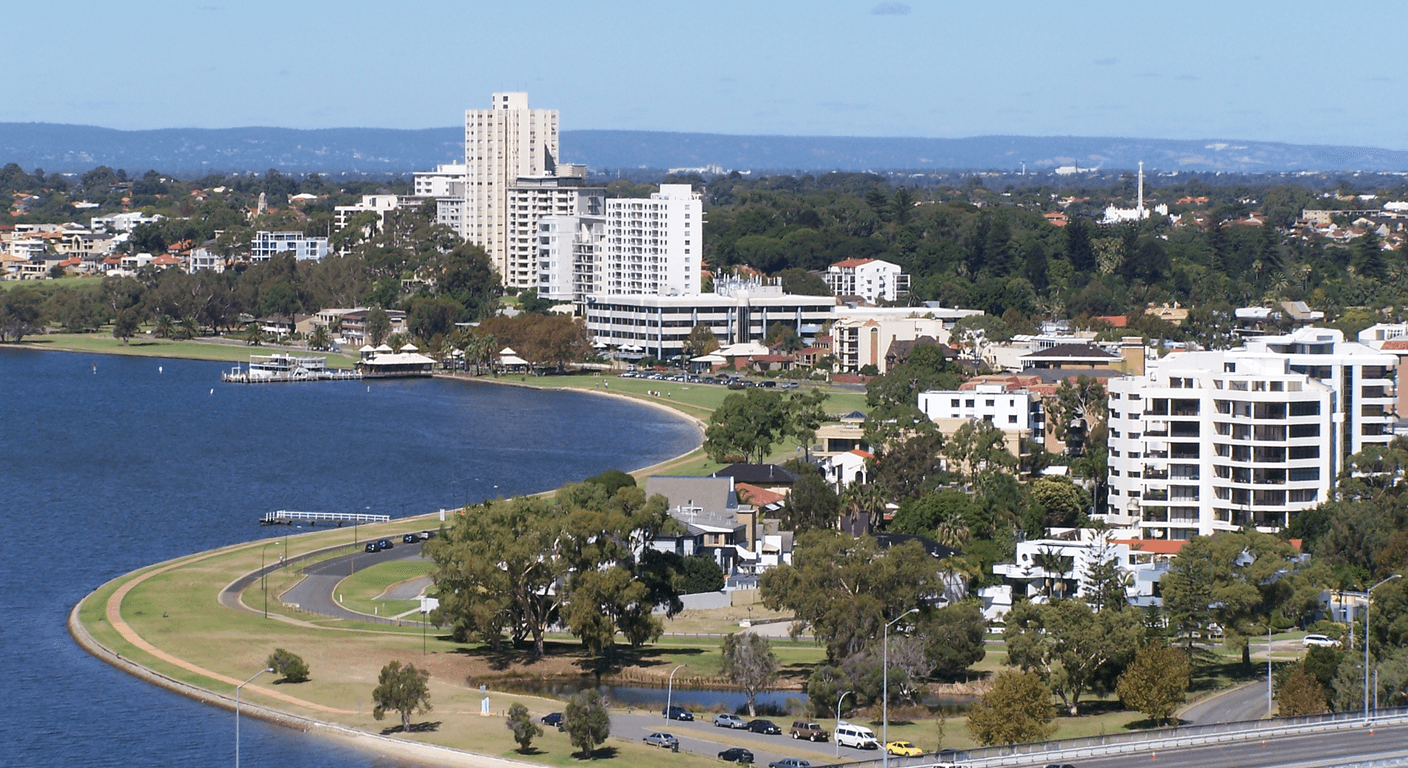
After leaving the zoo, the walk back down Mends Street to the foreshore is the natural way to end the day. The South Perth foreshore stretches along the Swan River with views directly across to the CBD, and the light in the afternoon — particularly in autumn and spring — is the kind Perth is quietly famous for. There are benches along the foreshore path, patches of lawn, and a relaxed atmosphere that sits well after a few hours of walking.
Mends Street itself has a handful of cafes that are well-suited to a slower afternoon stop — flat whites, a light lunch, or a cold drink before the return ferry. The strip is not large but it is genuine and local rather than tourist-facing, which suits a traveller who prefers a neighbourhood feel. Confirm opening hours before you go, as some smaller cafes have variable weekday hours.
The ferry back to Elizabeth Quay leaves from Mends Street Jetty, which you will have passed on the way in. Check the return timetable before you sit down for coffee so you are not cutting it close. From Elizabeth Quay, connections back into the Perth CBD or to your accommodation are straightforward by train or bus via the Transperth network.
Practical notes for planning this day trip from Victoria
Perth is a direct flight from Melbourne — typically around three and a half to four hours depending on the route and airline. For a trip built around days like this one, three to five nights gives comfortable time without the fatigue of a very short visit. South Perth accommodation is quieter and more residential than the CBD, which some travellers prefer; the ferry means the CBD is always close without needing to stay in it.
Western Australia's weather is generally dry and warm, but Perth summers (December to February) are genuinely hot, and the zoo in that heat requires careful management of timing and hydration. Autumn (March to May) and spring (September to November) are widely considered the most comfortable seasons for this kind of day. Winter (June to August) is mild and pleasant in Perth terms, though some days are overcast.
Travel insurance that covers medical needs is worth reviewing before any interstate trip, particularly for solo travellers. The zoo, ferry, and foreshore walk are low-risk physically, but having appropriate cover in place is straightforward good sense. Check what your existing policy includes before adding additional cover.
Quick planning guide
| Ideal pace | Slow and unhurried, built around ferry times and keeper talks |
|---|---|
| Best months | Autumn (March–May) and spring (September–November) |
| Suggested stay | A half-day to full day out; 3–4 hours at the zoo itself |
| Mobility level | Easy — sealed, flat paths with regular seating and no significant hills |
| Cost level | Budget-friendly, especially with concession SmartRider and zoo pricing |
| Comfort level | High — generous shade, plentiful benches, accessible toilets |
| Best for | Solo or couple travellers over 50 who prefer public transport to driving |
| Main planning consideration | Timing the ferry and walk for the early morning to avoid Perth's late-morning heat |
Key takeaways
- The Transperth ferry from Elizabeth Quay to Mends Street Jetty takes around ten to twelve minutes and costs a few dollars with a concession SmartRider — confirm current fares at transperth.wa.gov.au.
- Perth Zoo's main paths are sealed and flat with regular seating and shade, making it one of the more accessible major zoos in Australia for older travellers.
- Concession entry to Perth Zoo is available for eligible seniors; confirm current pricing directly at perthzoo.wa.gov.au before your visit.
- Arriving on an early ferry — around 9 to 9.30am — puts you at the zoo before the heat builds and gives three to four comfortable hours before a foreshore lunch.
- The walk from Mends Street Jetty to the zoo entrance is roughly 800 metres on flat, well-maintained footpath with no significant hills.
- The South Perth foreshore and Mends Street cafe strip make a natural, unhurried finish to the day before the return ferry crossing to Elizabeth Quay.
Recommended partners and links
Indicative prices only — always confirm with the operator before booking.
Frequently asked questions
How do you get from Elizabeth Quay to Perth Zoo by ferry?
Board the Transperth ferry at Elizabeth Quay ferry terminal and ride it to Mends Street Jetty in South Perth — roughly ten to twelve minutes. From the jetty, walk approximately 800 metres along flat footpath up Mends Street and along Labouchere Road to reach Perth Zoo's main entrance. No car is needed. Check current timetables at transperth.wa.gov.au.
Does Perth Zoo offer a seniors or concession discount?
Yes, Perth Zoo offers concession pricing for eligible seniors. As an indicative figure, full adult entry has been around $34–$36 in recent years, with concession entry lower. Pricing is reviewed periodically, so confirm the current rate directly at perthzoo.wa.gov.au before your visit.
Is Perth Zoo accessible for older travellers or those with mobility aids?
Perth Zoo's main paths are sealed throughout, the terrain is gently undulating rather than hilly, and seating is available regularly around the grounds. Accessible toilets are provided at multiple points. Travellers using walking frames or wheelchairs should find the main circuit manageable, though confirming specific access needs with the zoo directly at perthzoo.wa.gov.au is recommended.
How long should you allow for a visit to Perth Zoo?
A comfortable, unhurried visit for a senior traveller covers the main precincts in around three to four hours. That allows time for the Australian Bushwalk, African Savannah, and Asian Rainforest sections, plus one or two keeper talks if you plan around the daily schedule available at the entrance.
What is the best time of year to do this day trip in Perth?
Autumn (March to May) and spring (September to November) are generally the most comfortable seasons for this outing in Perth — mild temperatures, low humidity, and good light on the foreshore. Perth summers can be very hot, which makes the zoo physically demanding; if visiting in summer, arrive on the earliest ferry and plan to finish by midday.