Peterborough, in South Australia's Mid North about three hours from Adelaide by hire car, is home to Steamtown Heritage Rail Centre — the site where three incompatible rail gauges once converged. April to October offers the most comfortable conditions, and two to three hours suits a thorough visit, though it's best combined with a longer Mid North loop. The yard's uneven gravel surfaces call for solid closed-toe shoes, making it a moderate-mobility outing. There's no public transport from Adelaide, so self-driving or a tour is essential.
Why Peterborough matters — and why most people don't know it
Australia's railway gauge problem is one of those historical absurdities that sounds made up. When the colonies built their rail networks in the nineteenth century, they couldn't agree on a standard gauge. New South Wales went one way, Victoria another, South Australia another again. The result was a patchwork of incompatible lines that persisted, expensively, for well over a century. Peterborough — then called Petersburg, until anti-German sentiment during the First World War prompted a hasty rename — happened to sit at the junction of three of those gauges. Broad, standard and narrow all met here.
At its peak, that made Peterborough a genuine rail hub. Goods and passengers had to be physically transferred between trains of different gauges, which meant infrastructure, workers, a roundhouse for servicing locomotives, and a town built around all of it. When the gauges were eventually standardised and traffic shifted, the town contracted. What it left behind, though, was Steamtown — and Steamtown is worth the drive.
What is Steamtown Heritage Rail Centre, exactly?
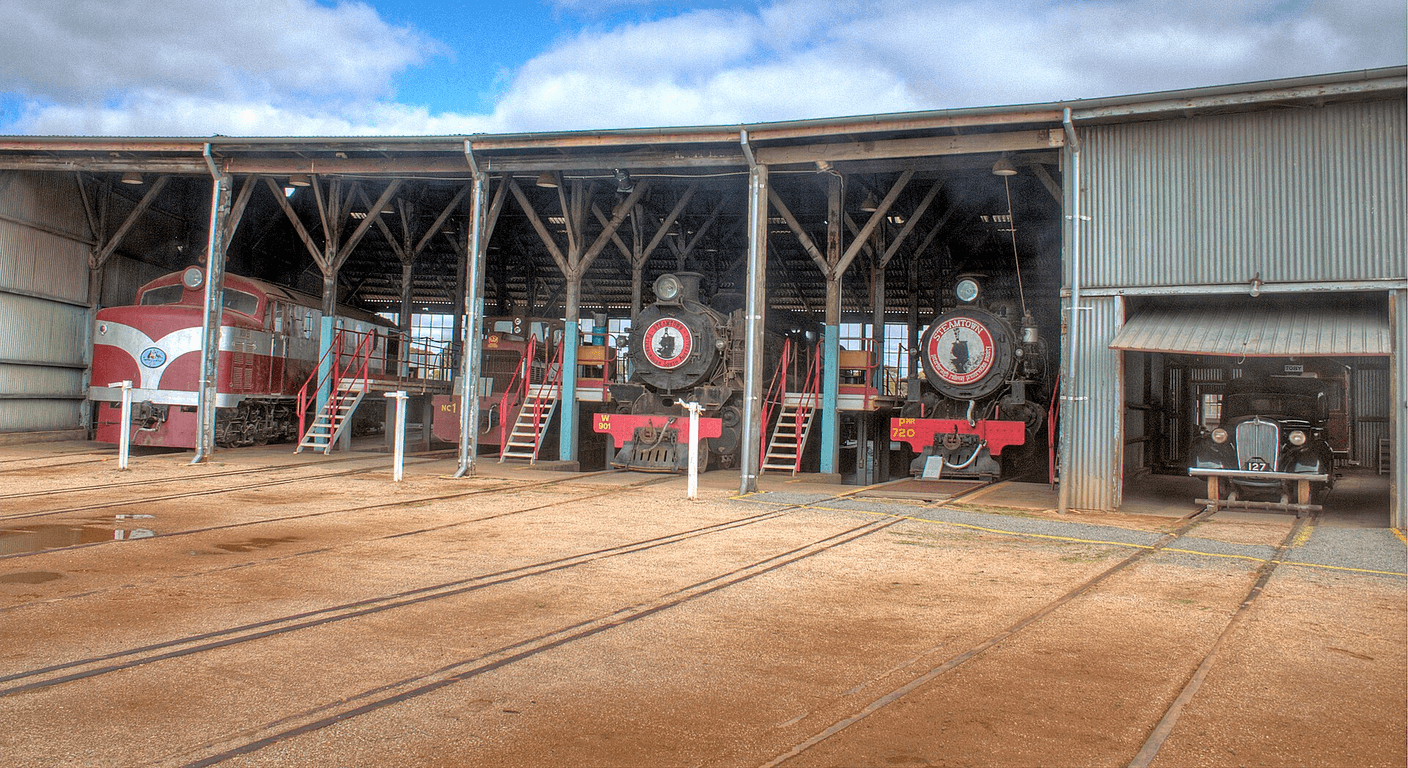
Steamtown is not a theme park and not a static display behind glass. It's a working heritage railway museum occupying the original Peterborough locomotive depot, with a collection of steam and diesel locomotives, carriages and rail infrastructure spread across an open yard and inside a partly restored roundhouse. The roundhouse itself — a curved engine shed built around a central turntable — is the structural heart of the place and one of the few surviving examples in Australia. Whether the roundhouse tour is running on a given day depends on volunteer availability and maintenance schedules, so it's worth ringing ahead or checking the Steamtown website before you make the drive.
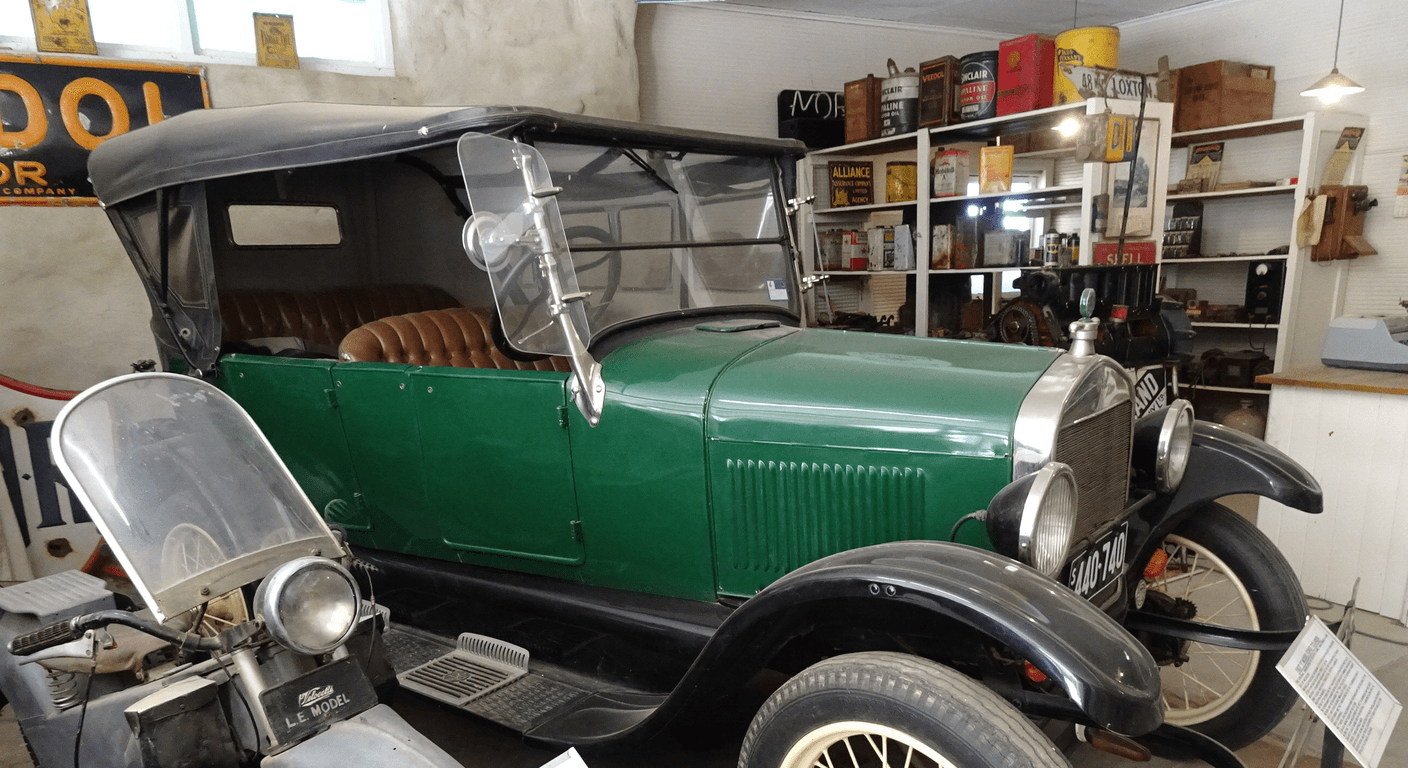
The collection is genuinely varied. There are narrow-gauge Garratt locomotives that once worked the Broken Hill line, broad-gauge engines, and rolling stock that spans several decades of Australian rail history. Volunteers, many of them retired railwaymen or long-standing enthusiasts, do much of the interpretation work — and that's often where the best detail comes from. Ask questions. These are people who know which locomotive pulled which train on which route, and they tend to enjoy saying so.
Getting there from Victoria — and from Adelaide
For a Victorian traveller based in Melbourne, Peterborough is a logical stop on a longer South Australian road trip rather than a standalone destination. The most natural approach is to fly into Adelaide, collect a hire car from Adelaide Airport, and build a Mid North itinerary that might include Clare Valley, the Flinders Ranges and Quorn before looping back. Peterborough slots in naturally on that circuit. The drive from Adelaide to Peterborough is around 260 kilometres via the Barrier Highway through Burra — allow three hours, more if you stop in Burra, which has its own considerable copper-mining history.
There is no practical public transport option. No regular bus or train service connects Adelaide to Peterborough for a day trip. A hire car is the straightforward solution; some Adelaide-based tour operators include Peterborough on Flinders Ranges itineraries, so it's worth checking with the South Australian Tourism Commission if self-driving isn't appealing. Grey nomads travelling by caravan will find a powered site or two in Peterborough itself — basic but adequate as a base for a night.
What to expect on the day — pacing, comfort and footwear
Steamtown rewards a slow pace. The indoor displays and main building are accessible on reasonably firm surfaces, but the locomotive yard uses compacted gravel and, in some areas, the ground between tracks is uneven. This isn't a reason to avoid it — it's an outdoor heritage site, not a shopping centre — but solid, closed-toe shoes are genuinely important. Joggers or walking shoes with good grip are fine. Dress for the weather: there's limited shade in the yard, and Peterborough's Mid North summers are genuinely hot. April through October is the sensible window.
A thorough visit, including the yard, any indoor displays, a roundhouse tour if available, and a proper conversation with the volunteers, takes around two to three hours. Entry is indicatively priced under $30 for adults — confirm current admission costs directly with Steamtown before visiting, as pricing can change and concession rates may apply. There's no on-site cafe of note, so bring water and consider having lunch in Peterborough's small main street before or after your visit.
The town itself — a short, honest assessment
Peterborough is a small country town that has seen better economic times. It's tidy and friendly, with a pub, a bakery, a handful of historic buildings and the kind of quietness that some travellers find restful and others find confronting. The Hotel Peterborough and a few other accommodation options serve overnight visitors adequately. It is not a destination for fine dining or a dense itinerary — but as a stop on a longer road trip, it earns its place.
The town's heritage streetscape gives some context to Steamtown's story. The railway built this place, and you can still read that in the scale of the old station precinct, the width of the streets designed for rail traffic, and the remnant infrastructure scattered around the town. Walking the main street after Steamtown adds maybe thirty minutes and a little extra understanding.
Combining Peterborough with a broader Mid North itinerary
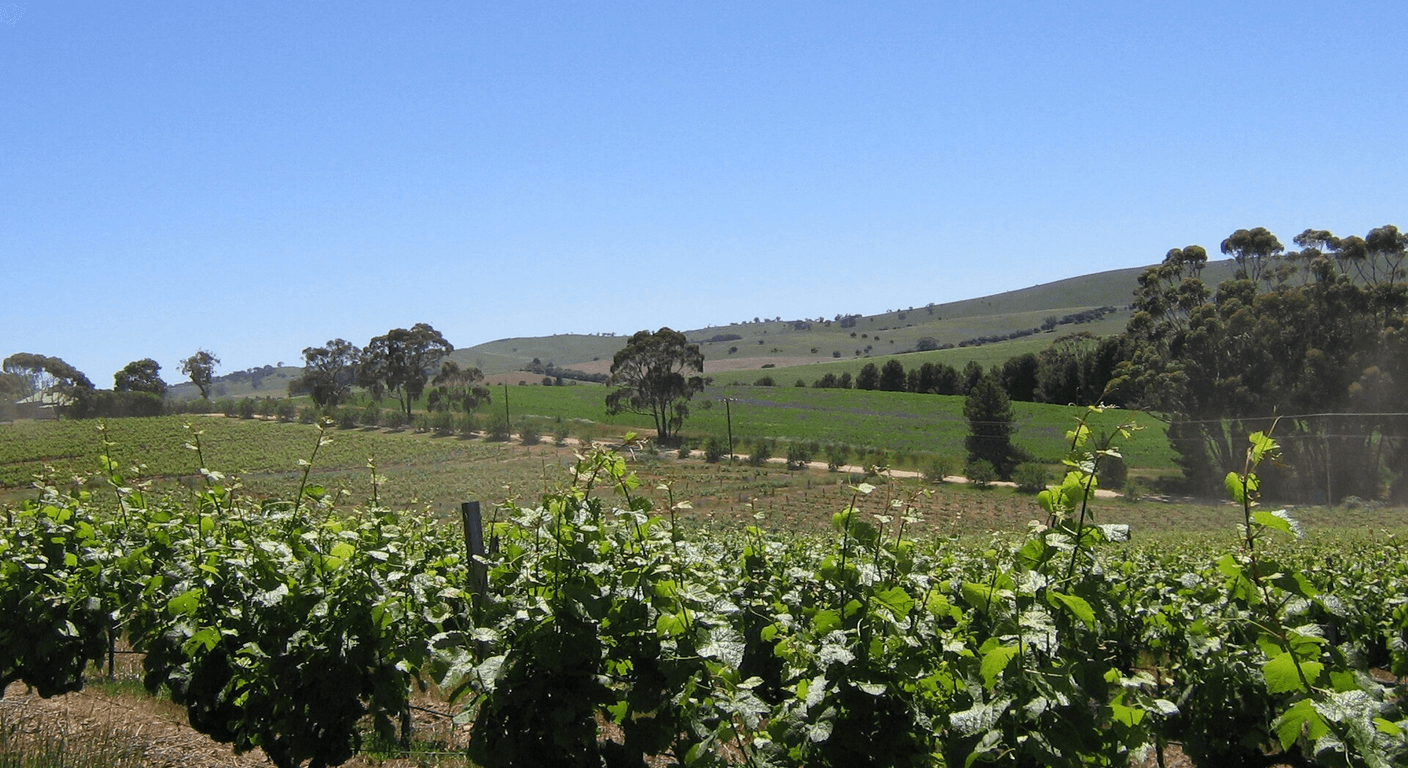
The most satisfying way to visit Peterborough is as part of a four-to-seven-day loop from Adelaide. Clare Valley makes an excellent first stop — the Riesling Trail is flat, sealed and ideal for a morning's cycling or walking, and the cellar doors are well set up for leisurely tastings. From Clare, head north through Burra (the Bon Accord Mine complex is worth an hour of anyone's time), then on to Peterborough. From there, the Flinders Ranges are less than two hours north, with Quorn and Hawker as comfortable bases for Wilpena Pound day trips.
For a solo traveller, this loop has the advantage of being entirely self-contained by car, with enough variation — wine country, copper history, railway heritage, outback landscape — to keep the days interesting without demanding athletic effort. Accommodation in this region books up during school holidays and long weekends, so some forward planning in peak season (July–August) is sensible.
Practical considerations for Victorian travellers heading to SA
Flying Adelaide–Melbourne return is straightforward, with multiple daily services on Qantas, Jetstar and Virgin from both Melbourne Airport and Avalon. Fares vary considerably depending on booking lead time; check airline websites for current pricing. Travel insurance is worth reviewing carefully if you have any pre-existing conditions — a standard policy may not cover everything, so read the product disclosure statement rather than assuming.
South Australia operates on the same time zone as Victoria for most of the year, which removes one variable. Driving in regional SA is generally low-stress compared to busy Victorian routes, but fuel stops in the Mid North can be further apart than you'd expect — fill up in Burra or Clare before heading north to Peterborough. The Barrier Highway is sealed all the way but has stretches of single-lane bridges and road trains on the northern sections; take it steadily and the drive is genuinely pleasant.
Quick planning guide
| Ideal pace | Slow-paced, unhurried |
|---|---|
| Best months | April to October |
| Suggested stay | 2-3 hours at Steamtown; 4-7 days if combined with a Mid North loop |
| Mobility level | Moderate — firm surfaces indoors, uneven compacted gravel in the yard |
| Cost level | Budget-friendly (entry under $30) |
| Comfort level | Basic but adequate — limited shade, no notable on-site cafe |
| Best for | Road trippers, rail heritage enthusiasts, grey nomads and solo self-drivers |
| Main planning consideration | No public transport from Adelaide — a hire car is essential, and it's worth confirming roundhouse tour availability before the drive |
Key takeaways
- Peterborough is the only place in Australia where three different railway gauges — broad, standard and narrow — once converged, a fact preserved in physical form at Steamtown Heritage Rail Centre.
- Entry to Steamtown is indicatively priced under $30 for adults; confirm current pricing and roundhouse tour availability directly with Steamtown before visiting.
- The locomotive yard has uneven compacted gravel surfaces — solid, closed-toe shoes are practical and important, not optional.
- There is no direct public transport from Adelaide to Peterborough; a hire car or organised tour is the only realistic option for a day trip.
- April to October offers the most comfortable visiting conditions; the Mid North summers are genuinely hot and shade in the yard is limited.
- Peterborough works best as part of a broader Mid North road trip loop taking in Clare Valley, Burra and the Flinders Ranges — a four-to-seven-day itinerary suits the distances well.
Recommended partners and links
Indicative prices only — always confirm with the operator before booking.
Frequently asked questions
How much does it cost to enter Steamtown Peterborough?
Entry to Steamtown Heritage Rail Centre is indicatively priced under $30 for adults, with concession rates likely available. Pricing can change, so confirm current admission costs directly with Steamtown at steamtown.com.au before making the trip.
Is the roundhouse tour at Steamtown available to visitors?
The roundhouse tour operates subject to volunteer availability and maintenance schedules, so it is not guaranteed on every visiting day. Ring Steamtown ahead of your visit or check their website to confirm whether the tour is running on your planned date.
Can you get to Peterborough from Adelaide by public transport?
No direct public transport connects Adelaide to Peterborough. A hire car is the most practical option for a day trip; some Adelaide-based tour operators include Peterborough on Flinders Ranges itineraries. Check with the South Australian Tourism Commission at southaustralia.com for current guided tour options.
Is Steamtown suitable for travellers with mobility considerations?
Steamtown is rated Moderate for mobility. The main building and some indoor displays are on firmer surfaces, but the locomotive yard uses compacted gravel and has uneven ground between tracks. Solid, closed-toe shoes are essential. Anyone with significant walking difficulties should contact Steamtown directly to discuss accessibility before visiting.
What is the best time of year to visit Peterborough and Steamtown?
April through October offers the most comfortable conditions. Peterborough's Mid North location means summers can be very hot, and shade in the open locomotive yard is limited. Winter days (June–August) are mild and clear, making them well suited to outdoor exploration, though nights in the region can be cold.