Loxton Historical Village, on the Murray River in South Australia's Riverland, is best visited April to October to avoid extreme summer heat. Allow two to three hours to walk through its 30-plus relocated pioneer buildings, or a full day combined with the free Bookpurnong Lookout. The site is flat and fully walkable at your own pace — easy mobility overall, though a few heritage doorways limit wheelchair access. There's no public transport from Adelaide, so a hire car or own vehicle is essential.
What Is Loxton Historical Village?
Loxton Historical Village is an open-air museum on the outskirts of Loxton, a quiet Riverland town on the Murray River in South Australia's east. Over several decades, local volunteers and the district council relocated more than 30 original buildings from across the region — a blacksmith's shop, a post office, a school, a church, a bank, settlers' cottages — and reassembled them on a single flat site to form a coherent, walkable township from the early 1900s. It's the kind of place where the effort involved in building it is part of the story.
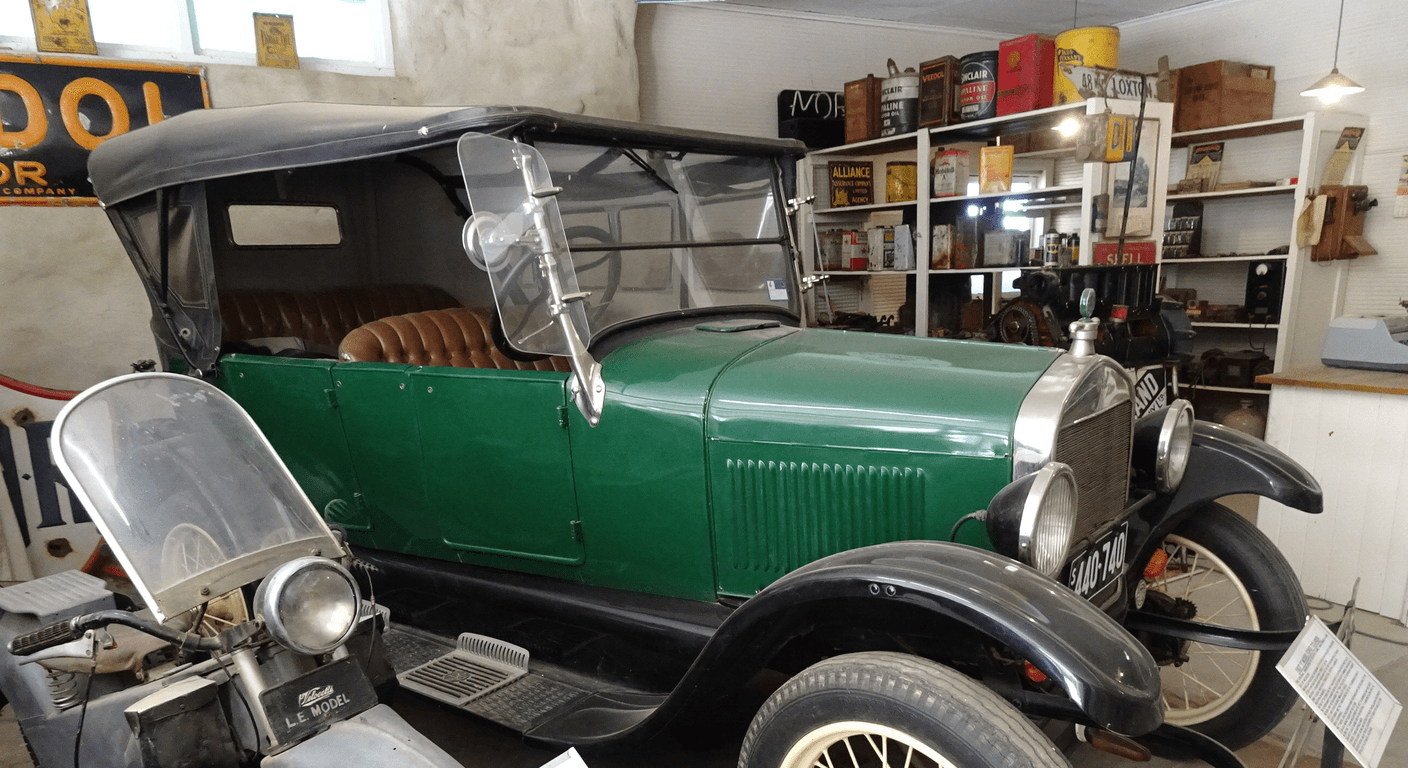
Unlike many heritage museums where you peer through glass at objects, here you walk inside the buildings. Furniture, tools, domestic items and signage have been sourced to match the period and the function of each structure. The result feels less like a display and more like a town that was simply left behind — which, in a sense, it was. For a traveller who has spent decades watching Australia's rural heritage disappear into paddocks and skip bins, Loxton is quietly satisfying.
The village sits beside the Murray floodplain, and the grounds are genuinely flat. There are no steep paths, no long staircases, no cobblestones. A broad-brimmed hat and a water bottle will matter more than comfortable shoes, particularly between November and March when the Riverland sun is unambiguous.
Getting There from Victoria — What's the Drive Actually Like?
Loxton is not on the way to anywhere else, which is part of its appeal. From Melbourne, the most direct route runs via the Western Ring Road, the Western Highway to Horsham, then north-west through Nhill and Pinnaroo into South Australia, arriving at Loxton after roughly five to five-and-a-half hours of driving. It's a long day from Melbourne, so the sensible move is to break the journey — Horsham or Bordertown are reasonable overnight stops heading west.
From Adelaide, the drive is around three hours via the Sturt Highway through Mannum and Blanchetown, or slightly longer on the more scenic route through the Clare Valley and Burra. Either way, it's a manageable day's drive from Adelaide, which is why most visitors based in that city do the trip as an overnight rather than a same-day return.
There is no regular public transport between Adelaide and Loxton suitable for day-trippers. A hire car — or your own vehicle — is the only practical option. If you're a Victorian travelling without a car, flying into Adelaide and hiring there is the most straightforward approach. Adelaide Airport is well-served from Melbourne by multiple carriers; confirm current schedules and pricing before booking.
Bookpurnong Lookout — Worth the Short Detour
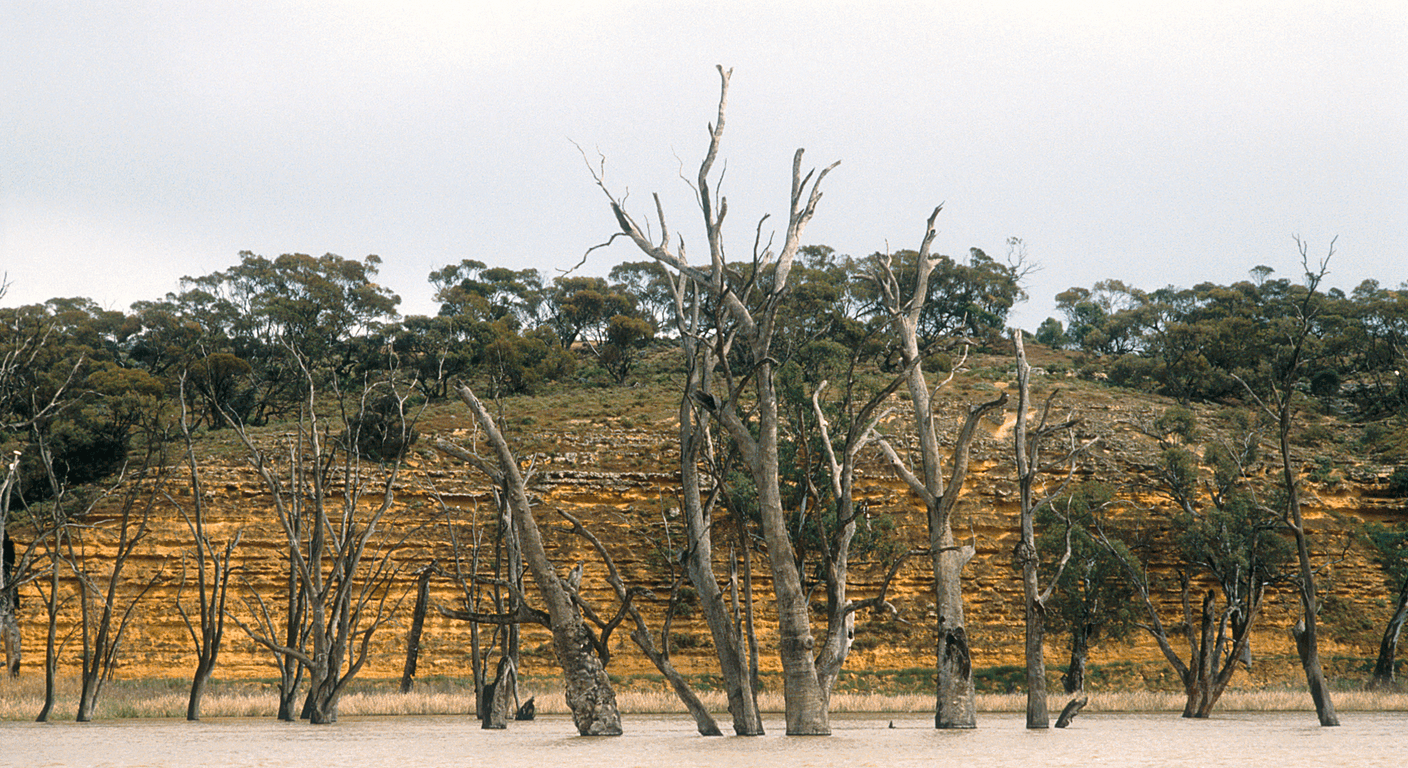
A kilometre or two above the town, Bookpurnong Lookout sits on the cliffs above the Murray and delivers one of the better river views in the Riverland — wide bends, red gum forest, and the flat agricultural country stretching beyond. It costs nothing and takes perhaps twenty minutes to visit. The path from the car park to the viewing platform is short and paved.
The lookout is best in the late afternoon when the light comes from the west and the Murray's surface takes on some colour. If you're staying overnight in Loxton, it's worth timing a visit around sunset. For a solo traveller with a decent phone camera, it's a genuinely rewarding stop — the kind of view that puts the whole landscape in context after a morning spent inside a recreated 1905 post office.
The lookout is signposted from the main road through Loxton. Confirm the access road conditions with the Loxton Visitor Information Centre if you're travelling in a large motorhome, as the road narrows near the top.
How Long Do You Need at the Village?
A thorough walk through all the open buildings takes most people between two and three hours at a relaxed pace. There's no audio guide pressure, no timed entry, no crowd to navigate around on a weekday. You set the pace. Some buildings reward a slow look — the machinery shed, in particular, contains items that take a moment to identify, which is half the point.
If you're the kind of traveller who reads every interpretive panel, budget three hours. If you prefer to absorb atmosphere and move on when something doesn't hold your attention, two hours is comfortable. Either way, the village is best done in the morning before the afternoon heat arrives in the warmer months.
Combining the village with the Bookpurnong Lookout and a late lunch in town fills a full day without feeling rushed. Loxton township has a handful of cafes and a pub with meals — nothing elaborate, but decent enough for a regional centre of this size.
Staying Overnight in Loxton
Loxton has a reasonable spread of accommodation for its size — a motel, a caravan park with cabin options, and some self-contained rentals through platforms like Stayz. The Loxton Hotel on the main street is a working country pub with accommodation above, the kind of place that has been serving travellers since the town was built. Confirm current availability and pricing directly with operators or through the Loxton Visitor Information Centre.
For grey nomads travelling in their own rig, the Loxton Riverfront Caravan Park is positioned directly on the Murray with powered sites and a pool. It books out during school holidays and long weekends, so plan ahead in those periods — though midweek stays in the shoulder season are generally easy to secure without much advance planning.
If you'd prefer a more comfortable base with a broader dining scene, Renmark is about 45 minutes east along the Sturt Highway and offers a slightly larger range of accommodation. But staying in Loxton itself keeps things simpler and gives you the unhurried feel that suits the village's pace.
Practical Advice — Comfort, Heat and What to Bring
The Riverland's summers are not to be underestimated. Loxton regularly records days above 40°C between December and February, and the village's open grounds offer limited shade between buildings. April to October is the sensible window for this kind of outdoor walking — spring and autumn are particularly good, with mild temperatures and minimal crowds.
Wear a broad-brimmed hat, bring at least a litre of water per person, and apply sunscreen before you arrive rather than after. The village gift shop may sell some items, but it's not a pharmacy. There's a supermarket in Loxton township for restocking supplies before or after your visit.
Most of the village paths are flat compacted earth or gravel. Standard walking shoes or comfortable sneakers are fine; there's no need for hiking boots. If you use a walking stick or a lightweight folding chair for rest stops, bring it — the site is well suited to a measured pace with occasional pauses. Wheelchair access to some individual buildings may be limited by heritage-period doorways and steps; contact the village directly to confirm which buildings are fully accessible before you visit.
Extending the Trip — Riverland Wine and the Murray
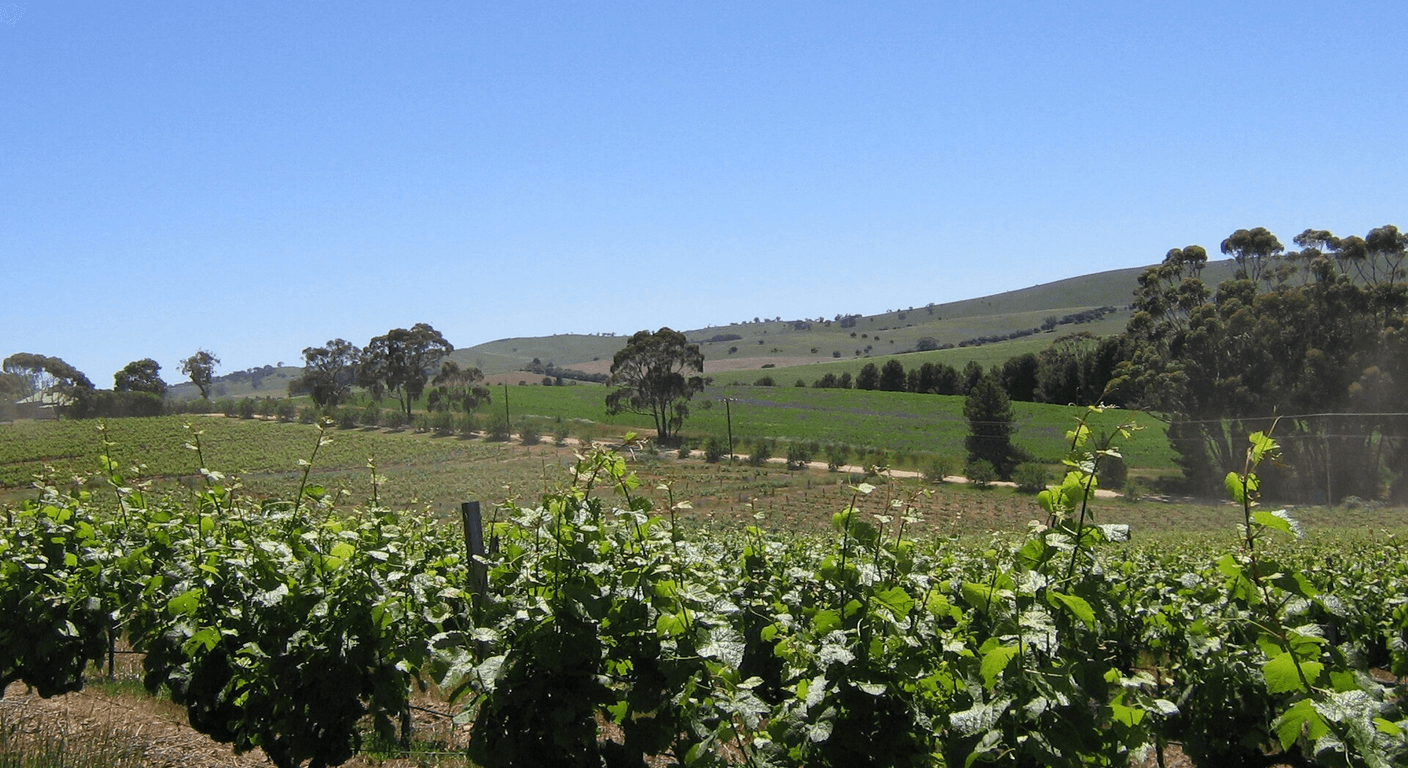
Loxton sits in the heart of the Riverland wine region, which produces a significant proportion of Australia's wine grapes and has a growing number of cellar doors worth visiting. Angove Family Winemakers in Renmark and Banrock Station near Kingston-on-Murray (which also has a wetlands walk) are two well-established options with proper tasting facilities. Neither is a long drive from Loxton.
The Murray River itself is accessible for houseboats from several Riverland towns. A two- or three-night self-drive houseboat from Renmark or Berri is a genuinely different way to experience the river at a pace that suits most travellers over 50. Operators in the region can advise on vessel sizes, pricing and what's required to skipper one — no licence is needed on inland waterways in South Australia, though confirm current regulations before booking.
For a longer circuit from Melbourne, consider driving up through the Riverland, spending two nights around Loxton and Renmark, then returning via the Barossa Valley and Adelaide before flying home. It's a loop that covers distinct Australian landscapes without repeating itself — and it makes the Loxton Historical Village feel like the centrepiece it deserves to be, rather than a rushed afternoon stop.
Quick planning guide
| Ideal pace | Relaxed, self-guided walk-through |
|---|---|
| Best months | April to October (spring and autumn most comfortable) |
| Suggested stay | 2-3 hours at the village; a full day with Bookpurnong Lookout and lunch, or an overnight in Loxton |
| Mobility level | Easy – flat, compacted-earth paths; some heritage buildings have limited wheelchair access |
| Cost level | Budget-friendly – entry typically under $30 |
| Comfort level | Casual and unhurried, but limited shade so sun protection matters |
| Best for | Travellers over 50 who enjoy hands-on history at their own pace, without tour groups |
| Main planning consideration | No public transport to Loxton – a hire car or own vehicle is required |
Key takeaways
- Loxton Historical Village has more than 30 original pioneer buildings you can walk through, making it one of the most hands-on heritage experiences on the Murray.
- Entry is typically under $30 — confirm current pricing with the village directly before visiting.
- The site is flat and fully walkable at your own pace, with no timed entry or tour groups required.
- April to October is the most comfortable window; summer temperatures in the Riverland regularly exceed 40°C.
- The free Bookpurnong Lookout above town adds a wide Murray River panorama and takes less than half an hour to visit.
- There is no practical public transport from Adelaide to Loxton — a hire car or your own vehicle is essential.
Recommended partners and links
Indicative prices only — always confirm with the operator before booking.
Frequently asked questions
How much does entry to Loxton Historical Village cost?
Adult entry to Loxton Historical Village is typically under $30, though pricing can change. Confirm the current admission fee directly with the village via their official website at loxtonhistoricalvillage.com.au before your visit.
Is Loxton Historical Village suitable for travellers with limited mobility?
The village grounds are flat and the paths are compacted gravel or earth, making it accessible for most travellers who can walk comfortably on uneven surfaces. Some individual heritage buildings have period-era doorways and steps that may restrict full wheelchair access. Contact the village directly before visiting to confirm which buildings are fully accessible.
Can you visit Loxton Historical Village as a day trip from Adelaide?
Loxton is roughly three hours from Adelaide by car, so a day trip is possible but makes for a long day. Most visitors choose to stay overnight in Loxton or nearby Renmark to allow time for the village, the Bookpurnong Lookout, and a relaxed exploration of the area.
What is the best time of year to visit Loxton?
April to October is the most comfortable period, with mild temperatures suited to outdoor walking. Summer — December to February — brings extreme heat, with temperatures regularly exceeding 40°C in the Riverland. Spring and autumn offer the best combination of weather and quieter visitor numbers.
Is there public transport from Adelaide to Loxton?
There is no regular public transport service between Adelaide and Loxton suitable for day-trippers or tourists. A hire car or your own vehicle is the only practical way to get there. Travellers flying into Adelaide from Melbourne or other cities can hire a car at Adelaide Airport for the three-hour drive east.