Ponant suits fit, curious Australians over 60 who want small-ship expedition cruising in the Kimberley or Antarctica, but you need to be steady on your feet for zodiac landings. Kimberley voyages run in the dry season, Antarctica in the southern summer. Itinerary lengths vary, so check each voyage. Mobility is Moderate to Active. Confirm dates, fares and rules on Ponant's official site.
Is Ponant a good fit for Australians over 60?
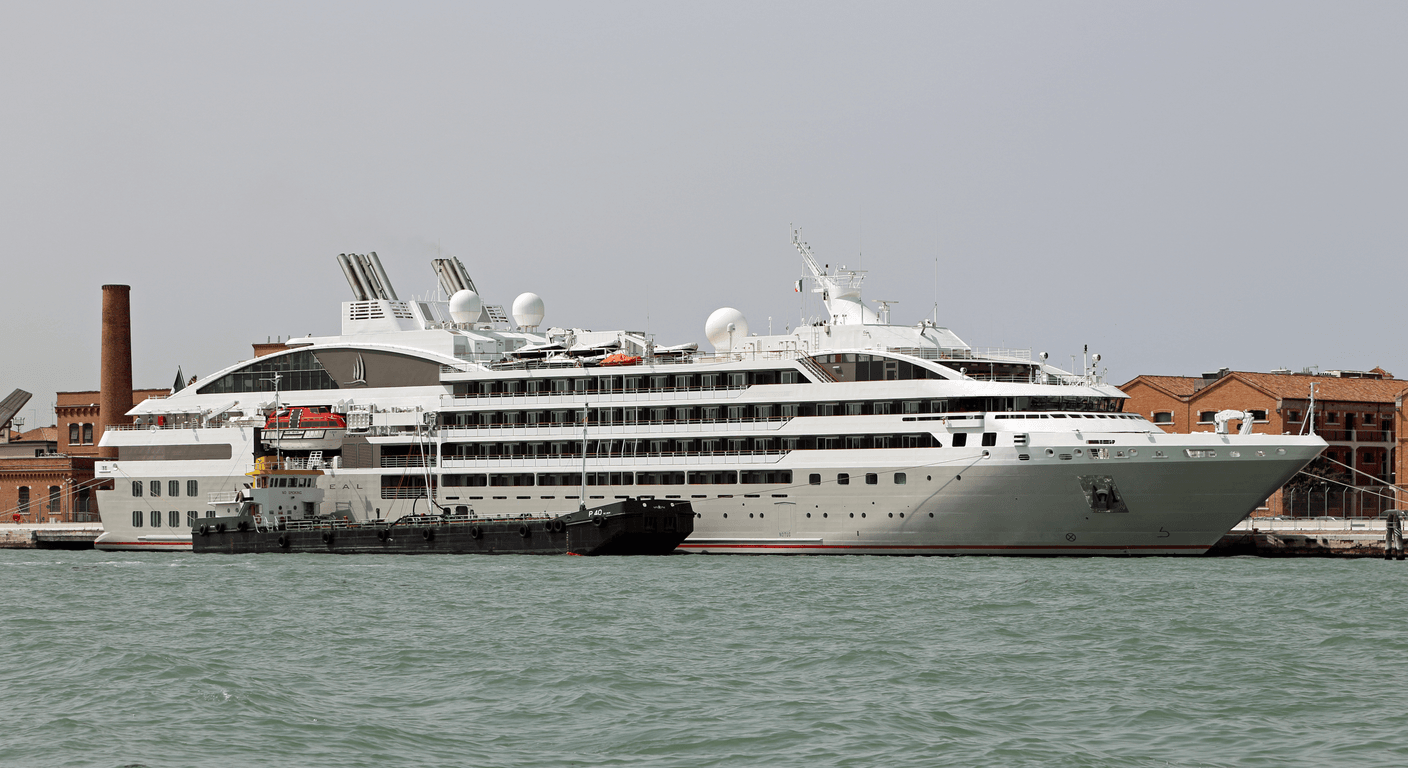
For the right traveller, yes. Ponant is a French line that runs small expedition ships, and the appeal is access: remote coastline, wildlife and landings that big ships can't manage. The trade-off is that you do real physical things, in real weather.
It suits couples and solo travellers who are fit, steady and happy to be flexible. It suits them less if you rely on a walker, struggle with stairs, or need a firm schedule. Most days are shaped by wind, tide and wildlife, not a printed timetable.
A practical test: can you step down into a small rubber boat with a crew member's help, sit for an hour and climb out onto a wet beach? If that sounds doubtful, speak to Ponant before booking.
What are the Kimberley and Antarctic seasons?
The Kimberley coast of Western Australia is cruised in the dry season, broadly the cooler months from around May to September. Days are warm, seas are generally kinder and the waterfalls and gorges are accessible. Confirm the exact season, ports and itinerary lengths on Ponant's official site, because those details weren't verified for this guide.
Antarctica works the other way round. The southern summer, roughly November to March, is when expedition ships go south, usually from Ushuaia in Argentina. That means a long flight from Melbourne or Sydney, often with a stopover, and a recovery night before you board. Check departure ports and voyage lengths with Ponant.
The Drake Passage crossing can be rough or surprisingly calm. If you're prone to seasickness, talk to your doctor about options well before departure.
How do zodiac landings work, and what do they ask of your body?
Zodiacs are inflatable boats that carry small groups from the ship to shore or along the coast. You usually board from a platform at the side of the ship, with crew steadying you. Landings can be wet, meaning you step into shallow water in waterproof boots.
The physical demands are balance, leg strength, and the ability to move calmly in swell. You don't need to be an athlete. You do need to be honest about knee, hip and balance issues. Walking on uneven shingle, snow or rock is common once ashore.
Ponant's stated physical requirements and mobility rules weren't confirmed for this guide. Ask the company in writing what it expects of guests, what help crew provide, and whether you can opt out of a landing. Keep the answer with your booking papers.
What does a landing day look like?
Expedition days follow a rough shape, not a fixed timetable. Expect a morning briefing, a landing or zodiac cruise in the morning, lunch back aboard, then a second outing in the afternoon. Times shift with weather, so treat any clock time as indicative and rely on the daily programme the expedition team issues.
Between outings, the gap between scheduled time and useful time can be large. Kitting up in waterproofs, queuing at the platform and waiting for the zodiac group to fill can take a good chunk of an hour before you've set foot ashore. Build in rest.
Skipping is allowed on many expedition cruises, and it's a smart choice, not a failure. If you sit out a landing, you can stay aboard to watch wildlife from deck, use the observation areas or simply rest. Confirm Ponant's opt-out approach and where the nearest toilets are on the ship before you rely on it.
What does it cost, and what about solo travellers?
Expedition cruising is a premium product. Check current AUD fares, what's included (drinks, excursions, gratuities, flights) and what isn't, directly on Ponant's Australian site. Those inclusions weren't confirmed for this guide, so don't assume a fare covers return flights or travel insurance.
On solo pricing, the honest position is this: most expedition lines charge a single supplement, and it can be steep. Ponant's own single supplement and any solo-traveller arrangements weren't verified here. Ask directly whether there's a supplement, how large it is, and whether a share-match option exists. Compare the total solo fare with half a twin fare so you see the real penalty.
Victorian readers should also check whether a Seniors Card or an agent's seniors offer applies. Don't assume a discount exists, and confirm any concession in writing.
What about insurance, health and accessibility?
Insurance is not optional on a remote voyage. Look for a policy that covers medical evacuation, cancellation and the exact activities you'll do, and declare every pre-existing condition. Ponant's own insurance requirements weren't confirmed, so ask what it requires. The Smartraveller site has current advice on travel insurance and destination warnings.
Medical help is limited far from port. Ask Ponant what medical provision is on board, and how evacuation works from Antarctica or the remote Kimberley, because it can take a long time. Talk to your GP before booking, carry medications in original packaging with a spare supply, and ask Ponant about any medical-fitness forms or age rules.
On accessibility, expedition ships aren't designed like big resort ships. Corridors, doors, platforms and zodiac boarding all matter. Ask Ponant for its accessibility policy and cabin details in writing before you pay a deposit.
A couple's perspective and a solo traveller's perspective
A couple's perspective: a twin cabin is the standard pricing basis, so fares are usually quoted per person on that footing. The bigger question is whether you're evenly matched physically. If one partner is keen on every landing and the other prefers the deck, that works well on a ship where opting out is normal. Talk it through before booking.
A solo traveller's perspective: the cost is the single supplement, and the benefit is easy company on a small ship, where guests mix at dinner and on landings. Ask about solo cabins and any share-match programme. Make sure someone at home has your itinerary, insurance details and medical information.
Quick planning guide
| Ideal pace | Slow and flexible. Treat landings as optional where Ponant allows it, confirm its policy, and rest between outings. |
|---|---|
| Best months | Kimberley: the dry season, roughly May to September. Antarctica: the southern summer, roughly November to March. Confirm sailing dates with Ponant. |
| Suggested stay | Itinerary lengths vary by voyage and weren't verified for this guide. Check each one on Ponant's site, and plan a recovery night either side of any long-haul flight. |
| Mobility level | Moderate to Active. Zodiac boarding needs balance, some agility and the ability to step over a gap in swell. |
| Cost level | Premium. Check current AUD fares, inclusions and any single supplement on Ponant's Australian site. |
| Comfort level | High onboard comfort, but expedition conditions mean variable weather, swell and wet landings. |
| Best for | Active couples and capable solo travellers who value wildlife, remote coastline and small-group landings over big-ship entertainment. |
| Main planning consideration | Fitness and medical readiness for zodiac landings, plus travel insurance that covers remote medical evacuation. |
Key takeaways
- Ponant runs small expedition ships, which means zodiac landings and a real level of physical readiness.
- The Kimberley is a dry-season destination, and Antarctica is a southern-summer destination.
- Opting out of a landing is a sensible choice, but confirm Ponant's approach before you book.
- Ask in writing about the single supplement and any share-match option for solo travellers.
- Check that travel insurance covers medical evacuation and declares every pre-existing condition.
- Confirm all fares, dates, ships and inclusions on Ponant's official Australian site.
Recommended partners and links
Indicative prices only — always confirm with the operator before booking.
Frequently asked questions
Is Ponant suitable for Australians over 60?
Ponant suits fit, adaptable Australians over 60 who can manage zodiac boarding and uneven ground ashore. It is less suitable for anyone relying on a walker or wheelchair. Confirm Ponant's stated fitness and accessibility rules before booking.
When is the best time for a Kimberley cruise?
Kimberley cruises generally run in the dry season, roughly May to September. Check which season is currently on sale. Confirm exact dates, ports and itinerary lengths on Ponant's official site.
When do Antarctic cruises run?
Antarctic expedition cruises run in the southern summer, roughly November to March, often departing from Ushuaia. Check Ponant's current season dates and voyage lengths on its official site, and plan a stopover from Australia.
Do I have to go on every zodiac landing?
Many expedition cruises let guests skip landings and stay aboard. Ponant's opt-out policy wasn't verified for this guide, so ask the company directly and keep the reply with your booking.
Does Ponant charge a single supplement?
Many expedition lines charge a single supplement, but Ponant's figure and any solo arrangements weren't verified here. Ask Ponant's Australian office for the supplement, any share-match option and the total solo fare, then compare it with half a twin fare.
Want the next guide like this?
Choose your state, the subjects you care about, or both. We will let you know when a new guide lands. Email once a week at most, or a quiet phone notification on the day it publishes. No advertising, no sponsored content, and we never pass your details to anyone.