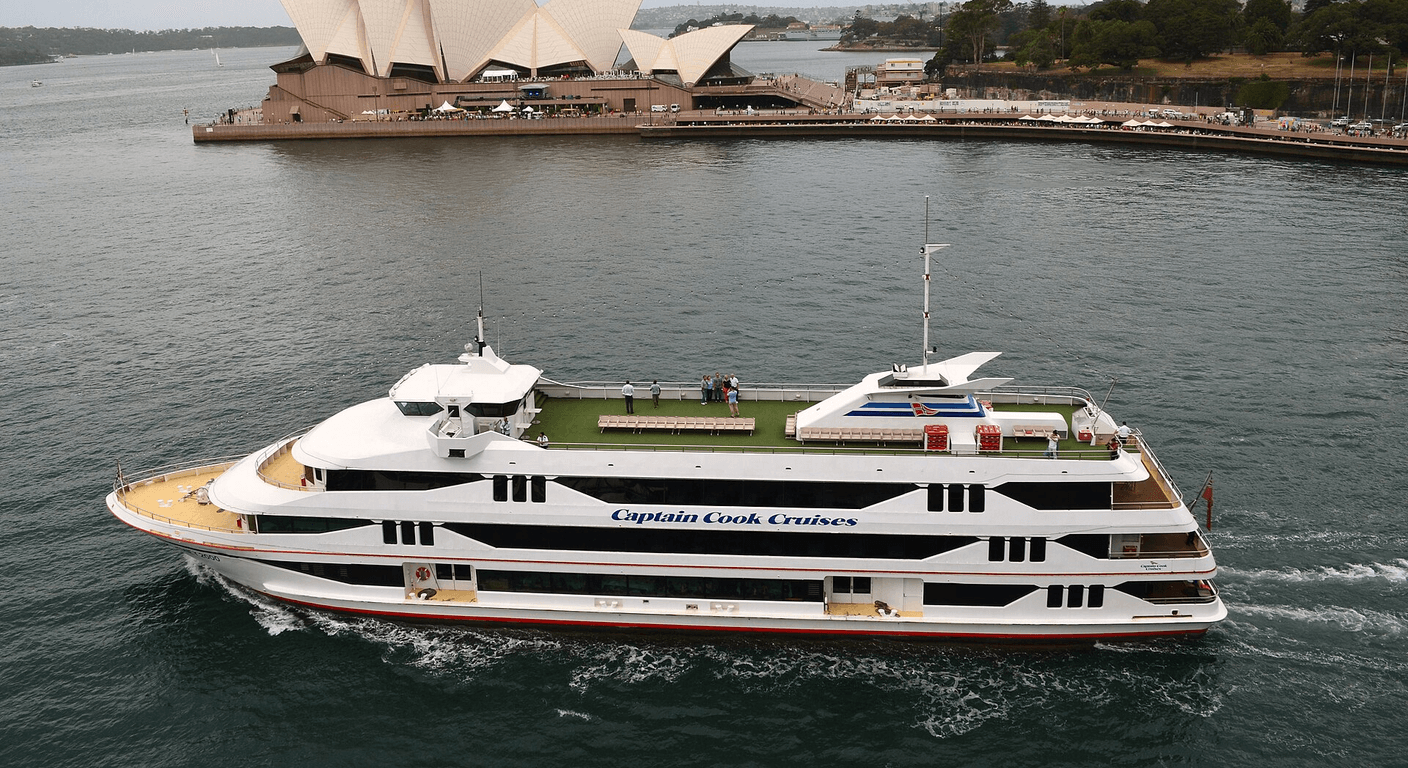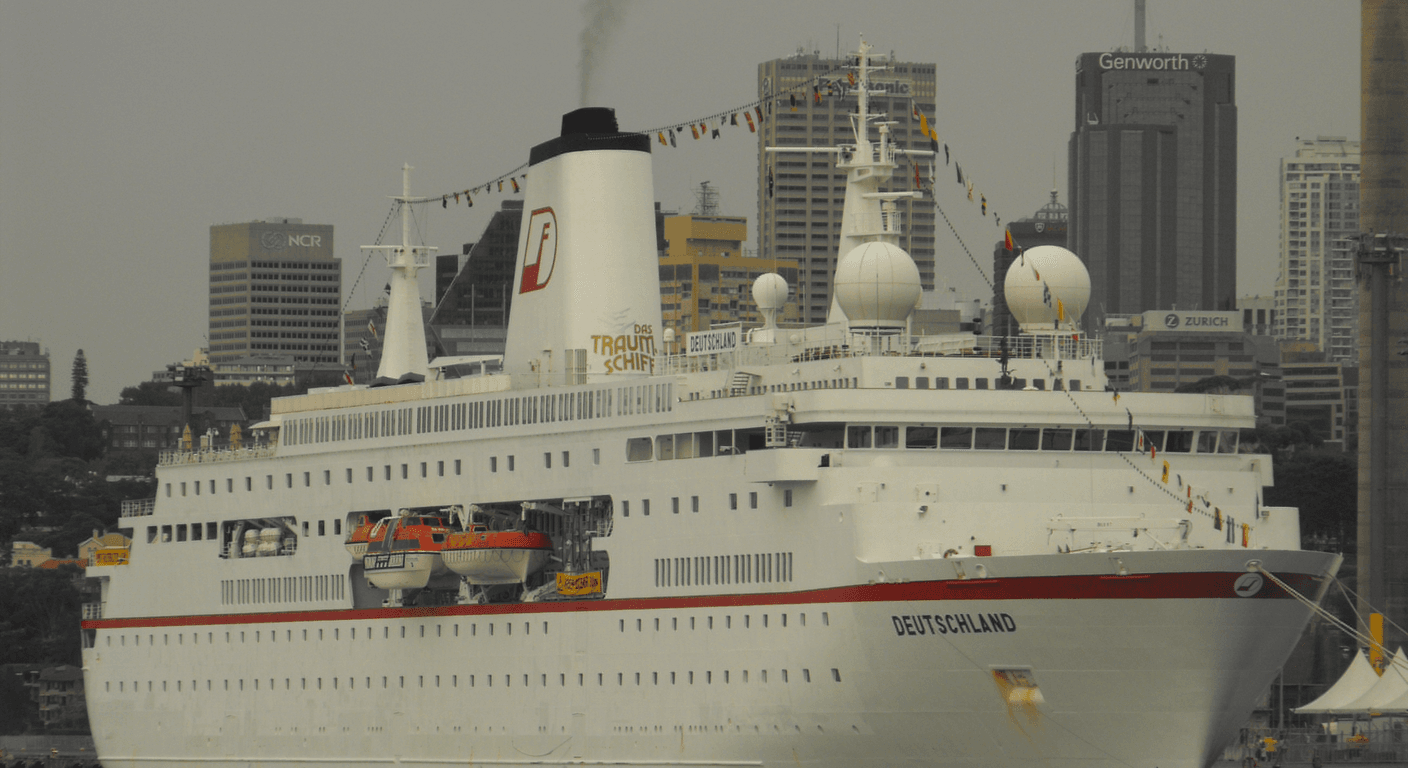
Cruises departing directly from Sydney, Melbourne, Brisbane or Fremantle spare over-50s the long-haul flight, letting them board rested with simpler travel insurance. Ideal length ranges from a seven-to-ten-night South Pacific taster to an 18-night New Zealand circuit, best timed October–March for calmer seas and cultural stops. Mobility needs vary: most ocean-liner routes are easy and berth-side, while Kimberley expedition sailings require Zodiac landings and reasonable fitness. No international flight is needed to embark.
Why Cruising From an Australian Port Makes Sense After 50
The single biggest advantage of a homeport cruise is the one that rarely appears in brochures: you board without a flight hangover. For travellers managing joint replacements, cardiac conditions or simply the reality of a body that no longer bounces back from a 14-hour red-eye, that matters enormously. You arrive at Sydney's Overseas Passenger Terminal, or Melbourne's Station Pier, or Brisbane's Portside, by train or taxi — and you're already on holiday.
There's also the question of travel insurance. Pre-existing conditions are a fact of life for most over-50s, and Australian-departure cruises simplify the insurance picture considerably compared with a complex multi-leg international itinerary. Policies vary, so always read the fine print and declare everything — but the baseline risk profile is lower when you never leave Australian airspace to board.
Cruising also solves the packing problem. One cabin, one suitcase, multiple destinations. For anyone who has hauled luggage across a European train network, that alone is worth the fare. The trade-off is that you're sharing your floating hotel with hundreds or thousands of other guests — something worth thinking about honestly before booking.
South Pacific Short Breaks: The Easy Entry Point
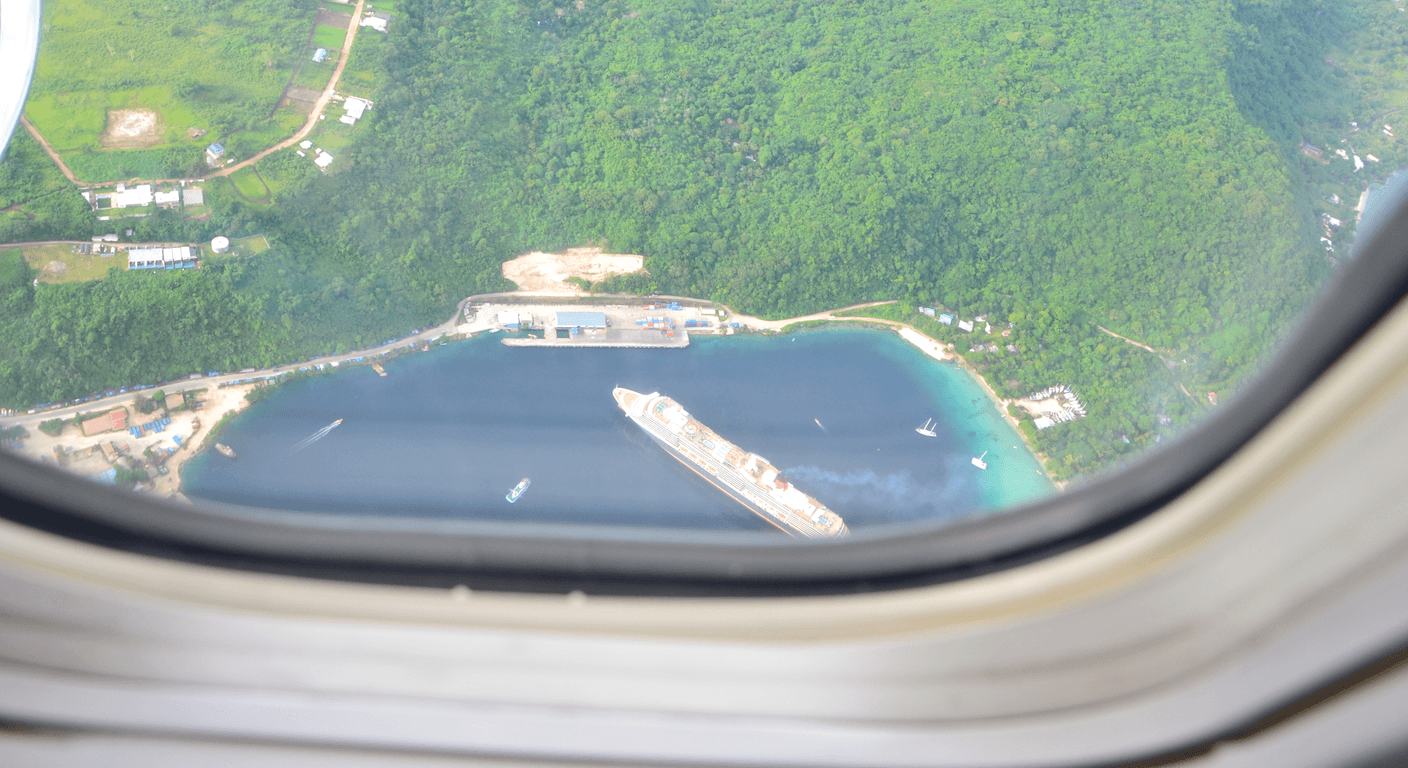
A seven-to-ten-night South Pacific sailing — typically Sydney or Brisbane to New Caledonia, Vanuatu and back — is the most accessible introduction to cruising for over-50s who aren't yet sure how they'll take to life aboard. The ships are large, the seas are generally calm north of Sydney in summer, and the ports (Noumea, Port Vila, Lifou, Mare) offer genuine cultural interest without demanding much physical exertion.
These sailings suit couples who want to test the format without a large financial commitment. Indicative fares on mainstream ocean liners start at roughly $150–$250 per person per night for an interior cabin, though balcony cabins — genuinely worth it for the light and the privacy — typically run $100–$200 more per person per night. Confirm all current pricing directly with the operator.
The honest caveat: tendering. Many South Pacific islands don't have deep-water berths, so you'll transfer from ship to shore on a small tender boat. This requires stepping down into a moving vessel — manageable for most, but worth flagging to the cruise line if mobility or balance is a concern. Some operators can arrange priority or assisted tendering; ask specifically before you book, not when you're already at anchor.
New Zealand Circuits: The Scenic Sweet Spot
A New Zealand circuit — typically 14 to 18 nights, departing Sydney or Melbourne, calling at Fiordland (Milford or Doubtful Sound by scenic cruising), Dunedin, Christchurch (Port Lyttelton), Wellington and Auckland — is consistently one of the most popular itineraries among Australian over-50s, and for good reason. The scenery is extraordinary without requiring any effort. You sit on the deck as the ship moves through Milford Sound at dawn. That's it. That's the whole plan.
New Zealand also suits travellers with a cultural appetite. Dunedin's Victorian architecture and whisky distilleries, Wellington's Te Papa Tongarewa, Christchurch's ongoing post-earthquake reinvention — there's genuine substance in every port. Most calls are alongside berths rather than tender operations, which makes accessibility considerably easier.
Timing matters. October through March is the New Zealand summer, which aligns with Australian school holidays — meaning ships fill faster and fares climb. April and November are worth considering for lighter crowds and more moderate pricing, though Fiordland weather in autumn can be unsettled. That said, a Milford Sound passage in low cloud and rain has its own drama. Confirm seasonal schedules with your chosen operator well in advance.
The Kimberley: Expedition Cruising for Active Travellers
The Kimberley is in a different category entirely. Small-ship expedition cruising along the Western Australian coast — roughly Broome to Darwin or vice versa, with departures from around March or April through September — is not passive travel. You're in Zodiacs before breakfast, landing on remote beaches, watching the horizontal falls from a low-altitude flight included in some itineraries, and spending evenings with onboard naturalists and Indigenous cultural guides. The ships carry between 50 and 120 passengers. The experience is genuinely immersive.
Coral Expeditions is the most established Australian-owned operator in this space and departs from Broome. Several international expedition lines also offer Kimberley seasons. Indicative pricing typically starts at around $1,000 per person per night all-inclusive — expensive, but that figure generally covers all excursions, guides, flights between Broome and Darwin, and alcohol. Confirm exactly what's included before comparing quotes.
Mobility is the critical filter here. Zodiac landings require stepping in and out of inflatable boats onto uneven terrain. If you have significant knee, hip or balance concerns, this route may be frustrating rather than fulfilling — and good operators will tell you that honestly during the booking conversation. If you're active and ambulatory, it's one of the most remarkable ways to see a part of Australia most Australians never reach.
Queensland Coast and the Great Barrier Reef: Close to Home, High in Reward
A Queensland coastal cruise — Brisbane or Sydney northward to Cairns, with calls at the Whitsundays, Townsville and port visits to reef pontoons — suits travellers who want warm weather, Australian familiarity and genuine natural spectacle without any international complexity. No passport required. No currency exchange. The Great Barrier Reef Marine Park Authority regulates access, so reef visits are managed and generally not the free-for-all they can feel on day-tour operators.
These itineraries tend to be shorter — seven to twelve nights — and are well suited to a first cruise or a gentle return to travel after a health event. The ships that run them are typically mid-to-large ocean liners rather than expedition vessels, so cabins are comfortable and medical facilities are present (though never a substitute for travel insurance). Sea conditions in the Coral Sea are generally calm, particularly May through October.
One practical note: Cairns as a turnaround port means some passengers fly home rather than returning south by sea. If you're flying back to Melbourne or Adelaide, allow a full day's buffer — Cairns airport can be congested on turnaround days when multiple ships are in port simultaneously.
World Voyage Segments: The Long Game
Full world cruises — typically 100-plus nights — depart from Southampton or New York and pass through Australian ports (usually Sydney, Melbourne or Fremantle) as part of their circumnavigation. Joining or leaving at an Australian segment is called 'sector booking', and it's how many over-50s experience a world-cruise style itinerary without the full year commitment or the price tag that comes with it.
Cunard's Queen Mary 2 and Queen Anne are the most visible names in this space, and both position themselves at the premium end of the market — formal nights, white-glove service, a library that would embarrass most hotels. A sector from Sydney to Fremantle, or Sydney to Singapore, might run 10–20 nights and offers a taste of that grand-voyage atmosphere. Indicative pricing varies enormously by cabin category and departure date; Cunard's Australian site is the reliable starting point for current fares.
The practical reality of segment booking is that you're joining a ship mid-voyage. Some passengers will have been aboard for weeks and will have established social groups. Most over-50s find this an easy social environment — the average age aboard a world voyage is not young — but it's worth knowing. Also confirm port taxes and embarkation fees, which are sometimes quoted separately from the base fare on sector bookings.
Solo Travellers and the Single-Supplement Problem
The single supplement — typically 50–100 per cent of the per-person twin-share fare charged to solo travellers occupying a double cabin alone — is one of the genuine frustrations of cruise travel. It exists because cruise lines price on double occupancy, and a single traveller takes a cabin that could otherwise hold two paying guests. It's logical from the operator's perspective and still annoying.
The good news is that several lines have responded to growing solo demand. Some ships now include purpose-built single-occupancy cabins at no supplement — smaller, but designed for one. Others run periodic 'solo promotions' where the supplement is waived or reduced on specific sailings. Norwegian Cruise Line has been active in this space internationally; among Australian-market operators, it's worth asking specifically about solo inventory when you inquire, rather than assuming the brochure rate applies.
Solo over-50s should also know that shipboard social life is generally easy to navigate. Organised dining arrangements (shared tables at set seatings, or flexible open-seating dining), enrichment lectures, cooking demonstrations and port talks all create natural conversation. Many solo travellers report that a cruise is one of the least lonely ways to travel alone — the structure does the social work for you.
Quick planning guide
| Ideal pace | Relaxed, ship-based travel with optional shore excursions |
|---|---|
| Best months | October–March for New Zealand's calmer seas; May–September for the Kimberley; South Pacific sailings run comfortably year-round |
| Suggested stay | 7–18 nights depending on itinerary, up to 20 for world voyage segments |
| Mobility level | Easy on alongside-berth ocean liners; Active on Kimberley expedition ships with Zodiac landings; tendering required on some South Pacific stops |
| Cost level | Budget-friendly for South Pacific interior cabins, rising to premium for Kimberley expedition and Cunard world-voyage segments |
| Comfort level | Comfortable, with onboard medical facilities on mainstream ocean liners |
| Best for | Over-50s wanting to avoid long-haul flights and simplify travel insurance |
| Main planning consideration | Matching personal mobility and budget to the right itinerary type, and confirming tendering, Zodiac, or single-supplement arrangements before booking |
Key takeaways
- Homeport cruises from Sydney, Melbourne, Brisbane or Fremantle eliminate the long-haul flight and simplify travel insurance for over-50s with pre-existing conditions.
- South Pacific short breaks (7–10 nights) are the lowest-cost, lowest-commitment entry point, with indicative fares from around $150 per person per night on mainstream ships.
- New Zealand circuits offer the best balance of scenic spectacle and cultural substance, with most ports accessible via alongside berths rather than tenders.
- Kimberley expedition cruising suits active, ambulatory travellers — Zodiac landings are a genuine mobility requirement, not a formality.
- World voyage sector bookings allow over-50s to join or leave a circumnavigation at an Australian port, capturing the grand-voyage atmosphere in 10–20 night increments.
- Solo travellers should ask operators directly about single-occupancy cabins or supplement waivers — availability exists but is rarely advertised prominently.
Recommended partners and links
Indicative prices only — always confirm with the operator before booking.
Frequently asked questions
Which Australian ports do cruises depart from?
The main Australian homeports for cruises are Sydney (Overseas Passenger Terminal at Circular Quay and the White Bay Cruise Terminal), Melbourne (Station Pier, Port Melbourne), Brisbane (Portside Wharf, Hamilton), and Fremantle (Fremantle Passenger Terminal). Some itineraries also depart from or turnaround in Cairns, Darwin and Adelaide. Confirm your specific ship's terminal when booking, as port assignments can change.
Do I need a passport for a cruise departing from Australia?
For cruises calling at international ports — New Caledonia, Vanuatu, New Zealand, Papua New Guinea — yes, a valid Australian passport is required. Purely domestic coastal cruises (for example, Brisbane to Cairns with no international ports) do not require a passport, but confirm this with your operator before sailing as itineraries and port inclusions can change.
What is the single supplement on Australian cruises, and can it be avoided?
The single supplement is an additional charge — typically 50 to 100 per cent of the twin-share per-person fare — applied when a solo traveller occupies a double cabin alone. It can sometimes be avoided by booking a purpose-built single-occupancy cabin (available on some ships), by taking advantage of reduced-supplement promotions on select sailings, or by joining a cabin-share programme where the line matches solo travellers. Ask the operator specifically about solo options rather than assuming they'll be offered upfront.
Is the Kimberley cruise suitable for over-50s with limited mobility?
The Kimberley expedition cruise requires active mobility. Shore excursions involve Zodiac inflatable boat transfers, stepping onto uneven terrain, and sometimes walking on slippery rock surfaces. Travellers with significant knee, hip, balance or cardiovascular limitations may find the experience frustrating or inaccessible. Reputable operators such as Coral Expeditions will discuss your specific mobility situation during the booking process — it's worth having that conversation honestly before committing.
What is the best time of year to cruise from Australia?
The best time depends on the route. South Pacific and New Zealand cruises run October through April, aligning with the Southern Hemisphere summer; shoulder months of October–November and March–April offer lighter crowds. The Kimberley expedition season runs from around March or April through September, tracking the northern dry season — Coral Expeditions, for instance, has 2026 departures from March. Queensland coastal cruises operate year-round but are most comfortable May through October, avoiding the tropical wet season. Confirm seasonal schedules with your chosen operator.
- Princess Cruises — Australia and New Zealand sailings
- Coral Expeditions — Kimberley and Australian coastal expeditions
- Cunard — World Voyage and Australian sector bookings
- Carnival Cruise Line Australia
- Tourism Australia — Cruise Australia information
- Great Barrier Reef Marine Park Authority — Visitor information
- Port Authority of New South Wales — Overseas Passenger Terminal