Port Victoria, on Yorke Peninsula's sheltered west coast, is best visited April to October, when temperatures are mild and the foreshore is uncrowded. A half-day to full-day visit is enough, built around the free foreshore maritime museum recalling the town's era as one of the world's last commercial tall-ship grain ports. Mobility is easy, with a flat path and a handrailed jetty. It's a self-drive destination only, about two and a half hours from Adelaide on fully sealed roads, with no public transport available.
Why Port Victoria Still Matters
There is a particular kind of satisfaction in standing at a place that once carried enormous weight in the world and now carries almost none — and knowing the difference. Port Victoria was, in the late nineteenth and early twentieth centuries, one of the last ports on earth where the great sailing grain ships — the windjammers — loaded cargo commercially. Finnish, German and British vessels anchored in the Spencer Gulf while horse-drawn wagons brought wheat down to the jetty. The scale of that operation, run from a settlement smaller than most Victorian country towns, is genuinely arresting once you understand it.
The foreshore display doesn't oversell it. Interpretive panels and preserved artefacts set out the chronology plainly and let the history do the work. For anyone with an interest in maritime trade, colonial agriculture or simply the mechanics of how the world moved goods before containerisation, this is an absorbing hour or two. For a travelling companion who's less drawn to history, the jetty and the view across the gulf provide an entirely different kind of reward.
What the Foreshore Precinct Actually Offers
The maritime museum and foreshore precinct are the centrepiece, and entry is free. The display traces Port Victoria's role in the international grain trade, the ships that called here, and the working life of the town during its peak. There are photographs, ship models and equipment that ground the story in physical reality rather than abstraction. The pacing suits a relaxed visit — nothing demands a rush.
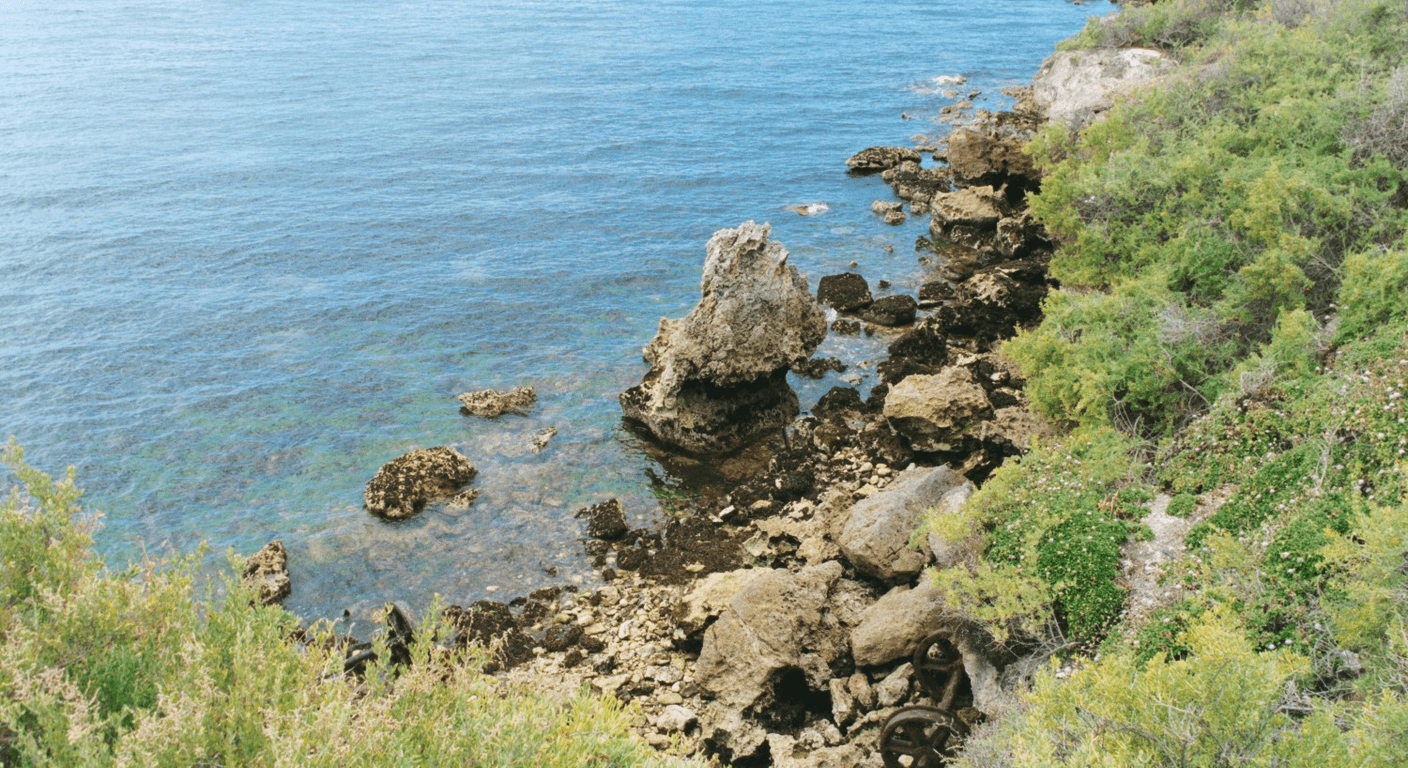
The jetty extends well out over the Spencer Gulf and is popular with local anglers at most times of year. Walking its length gives a clear sense of how the ships once anchored and how goods were transferred, and the view back to shore frames the small town against the low scrub and wide sky in a way that feels genuinely South Australian. The water is calm on most days, the gulf being sheltered enough that even a moderate breeze rarely disturbs the surface much.
Accessibility along the foreshore is good — the path is flat and the ground is firm. The jetty itself has handrails. Neither requires any particular fitness level, which makes Port Victoria an easy inclusion for travellers who want a meaningful stop without physical exertion.
Getting There: The Practical Reality
Port Victoria is around two and a half hours from Adelaide by car, travelling via the Yorke Peninsula's main arterial roads. The roads are sealed the entire way, which matters on a peninsula where some destinations require gravel navigation. The route through Kadina and Maitland is well signposted and straightforward, and the drive itself passes through the agricultural heartland of the peninsula — flat, golden in summer, green in winter, with grain silos punctuating the horizon at regular intervals.
There is no public transport to Port Victoria. This is a self-drive destination, full stop. For travellers who no longer drive or who prefer not to on unfamiliar roads, the realistic option is to join a guided day tour from Adelaide — confirm availability with South Australian Tourism Commission or local operators before planning around this option, as scheduled tours to this specific location are not always running.
Fuel up in Maitland or Kadina before heading west. The drive from Maitland to Port Victoria is roughly 45 minutes and passes through open farmland with few services. It's not remote in any concerning sense, but it rewards a little preparation.
Food, Supplies and the Art of Bringing Your Own
Port Victoria is a very small town. Dining options within the town itself are limited and cannot be relied upon for a day visit — opening hours shift with the seasons, and what's available one year may not be the next. The honest advice is to treat this as a picnic destination and prepare accordingly. Pack a proper lunch, a thermos, and more water than you think you'll need, particularly in the warmer months.
Maitland, about 45 minutes east, has a supermarket and bakery and makes a logical provisioning stop on the way in. Moonta, slightly further north, has a broader range of cafes and is worth considering for a relaxed lunch either before or after visiting Port Victoria. Combining Port Victoria with Moonta's own heritage precinct — the Moonta Mines, a significant Cornish mining site — makes for a well-rounded day on the peninsula without backtracking unnecessarily.
For travellers who enjoy a packed lunch by the water, the Port Victoria foreshore is genuinely pleasant. Shade is limited in the middle of the day during summer, so an early or late visit is sensible then. In autumn and spring, the light on the gulf in the afternoon is particularly soft.
How to Shape a Day Trip Around Port Victoria
The most satisfying structure for a day trip is to base overnight in Kadina, Moonta or Wallaroo — the three towns that form the 'Copper Triangle' — and head west to Port Victoria as the day's main excursion. Arrive mid-morning, spend an hour or two at the foreshore precinct, walk the jetty, eat your picnic lunch on the foreshore, and return via Maitland for a coffee or a browse before heading back.
If you're travelling through the peninsula over several days rather than day-tripping from Adelaide, Port Victoria pairs well with the clifftop views at Innes National Park to the south (note that Innes involves rougher terrain and more walking) or the heritage streetscapes of Maitland. The west coast of Yorke Peninsula has a different character to the east — quieter, less developed, with the Spencer Gulf rather than Gulf St Vincent on the horizon.
Grey nomads travelling with a caravan will find a small caravan park in Port Victoria. Facilities are basic; confirm current availability and amenities before planning around it. For those in caravans or motorhomes, the foreshore area allows for a longer and more leisurely stay than a day trip visitor might manage.
Seasonal Considerations and When to Go
April through October is the comfortable window for most over-50 travellers. South Australian summers on the Yorke Peninsula can be fierce — temperatures above 38 degrees are not unusual in January and February, and the exposed foreshore and jetty offer little shelter. The peninsula is a popular holiday destination for South Australian families over the Christmas period, so if you prefer quiet, that's another reason to visit outside summer.
Autumn is particularly good. The light is warm, the crowds are gone, the gulf is calm, and the surrounding farmland is often still green from winter rain into early May. Spring brings wildflowers across the peninsula and pleasant walking temperatures. Winter is mild by the standards of southern Victoria — daytime temperatures in the low to mid teens are common — and the foreshore is almost always uncrowded.
Rain is possible at any time but rarely sustained for long on the peninsula. A light waterproof layer is worth packing regardless of season, particularly for the exposed jetty.
A Note on Travelling This Part of South Australia
Yorke Peninsula rewards travellers who are willing to move slowly and notice things. It isn't a destination that performs for visitors — it simply exists, agricultural and coastal and quietly proud of a history that most of the country has largely forgotten. Port Victoria is the concentrated expression of that quality. The free foreshore display is thoughtfully done, the setting is genuinely lovely, and the absence of commercial noise is, for many travellers, the whole point.
For anyone travelling from Victoria or interstate, the Yorke Peninsula works well as part of a broader South Australian self-drive itinerary that might include the Barossa Valley, Clare Valley or the Flinders Ranges. It's not a destination that demands a dedicated long-haul trip on its own — but within a week or ten days exploring South Australia by car, a day on the west coast of Yorke Peninsula, anchored by Port Victoria, earns its place easily.
Quick planning guide
| Ideal pace | Slow-paced, relaxed half-day stop |
|---|---|
| Best months | April to October |
| Suggested stay | A few hours to a full day |
| Mobility level | Easy — flat foreshore path and handrailed jetty |
| Cost level | Budget-friendly (foreshore museum is free) |
| Comfort level | Basic — limited shade and no reliable food options in town |
| Best for | History enthusiasts, grey nomads and self-drive travellers wanting a quiet coastal stop |
| Main planning consideration | Self-drive only via sealed roads (~2.5 hours from Adelaide); no public transport and limited guided tour availability |
Key takeaways
- Port Victoria's foreshore maritime precinct is free to enter and tells the story of one of the world's last commercial tall-ship grain ports.
- The drive from Adelaide takes around two and a half hours on fully sealed roads; there is no public transport to Port Victoria.
- Food options in Port Victoria itself are very limited — bring a packed lunch and fill up on supplies in Maitland or Kadina on the way.
- The flat foreshore path and handrailed jetty make this an Easy mobility destination suitable for most over-50 travellers.
- April to October offers the most comfortable conditions; summer visits are best made early in the morning to avoid extreme heat on the exposed foreshore.
- Port Victoria pairs naturally with Moonta's Cornish mining heritage for a well-rounded day on the Yorke Peninsula.
Recommended partners and links
Indicative prices only — always confirm with the operator before booking.
Frequently asked questions
Is Port Victoria worth visiting for a day trip?
Yes, particularly for travellers interested in maritime history or those seeking a quiet, unhurried stop on Yorke Peninsula's west coast. The free foreshore display is genuinely informative, the jetty walk is pleasant, and the setting on the Spencer Gulf is calm and distinctive. It works best combined with another stop such as Moonta to make the most of the drive from Adelaide.
How far is Port Victoria from Adelaide?
Port Victoria is approximately two and a half hours by car from Adelaide on fully sealed roads. The route typically goes via Kadina and Maitland on Yorke Peninsula. There is no public transport option; a private vehicle or tour arrangement is required.
Is Port Victoria accessible for travellers with limited mobility?
Port Victoria rates as Easy for mobility. The foreshore path is flat and firm, and the jetty has handrails. Neither the maritime display area nor the jetty walk requires significant physical effort. The main consideration is that parking and access to the foreshore are straightforward from the sealed road.
Where can you eat near Port Victoria?
Port Victoria itself has very limited and unreliable food options. The practical approach is to bring a packed lunch and eat on the foreshore. Maitland, around 45 minutes east, has a supermarket and bakery; Moonta, slightly further north, offers a broader range of cafes. Confirm what's open before relying on any specific venue, as hours vary by season.
What is the best time of year to visit Port Victoria on Yorke Peninsula?
April through October is the most comfortable window. Summers on the Yorke Peninsula can be very hot, with temperatures sometimes exceeding 38 degrees, and the exposed foreshore offers little shade. Autumn and spring are ideal for mild temperatures and uncrowded conditions. Winter is generally mild with daytime temperatures in the low to mid teens.