Five regional botanic gardens — one per state, including Ballarat, Mount Lofty, Mount Tomah, Araluen and Emu Valley — offer a quieter alternative to the capital-city gardens. Spring (September–November) and autumn (March–May) bring the best flowering and foliage, though each garden has year-round appeal. Most suit a half-day to full-day visit and rate Easy to Moderate for mobility, with sealed paths and ample seating. Access is mostly by car or tour, with Ballarat reachable by V/Line train and Burnie by air or the Spirit of Tasmania ferry.
Why Regional Gardens Deserve Your Attention
Australia's capital-city botanic gardens are rightly celebrated, but they can also be crowded, surrounded by traffic, and shaped more by civic ambition than by the particular character of their landscape. The regional gardens on this list are different. They've been built by communities who actually live in that climate — cool and misty, wildflower-dry, or rhododendron-damp — and that shows in every planting decision.
For travellers in their 50s, 60s and 70s, these gardens offer something the major attractions often don't: space to breathe, room to sit without feeling rushed, and a pace that suits a long morning rather than a quick tick. They're also, in most cases, free or very low cost — which means you can spend what you've saved on a good lunch nearby.
A word on planning. Opening hours, café trading and any ticketed events within these gardens do change seasonally. The advice throughout this guide is to confirm current details directly with each garden before you travel. The indicative costs noted are a guide only and should not be relied upon as current pricing.
Victoria — Ballarat Botanical Gardens
Ballarat Botanical Gardens sits at the edge of Lake Wendouree and has been doing so, more or less, since 1858. That's not a detail to skip past: this garden has a kind of settled confidence that newer attractions simply can't manufacture. The broad lawns, the collection of marble statuary donated by local benefactors, the begonia conservatory — it all adds up to somewhere that feels genuinely cared for across generations.
The Begonia Festival, held each March, draws visitors from across the country, and spring brings colour to the rose garden and formal beds. But honestly, Ballarat's garden is worth visiting in any season. Winter mornings have their own quality here: frost on the grass, the statues wearing a faint mist, the café warm inside. The garden is flat and largely sealed underfoot, making it genuinely Easy for most mobility levels.
Ballarat is around 110 kilometres west of Melbourne on the Western Freeway, or roughly 90 minutes by V/Line train from Southern Cross Station — a very comfortable journey. Entry to the gardens is free. The conservatory may have separate entry fees for special exhibitions; confirm current details at ballarat.vic.gov.au before visiting. There's ample parking adjacent to the gardens for those driving.
South Australia — Mount Lofty Botanic Garden
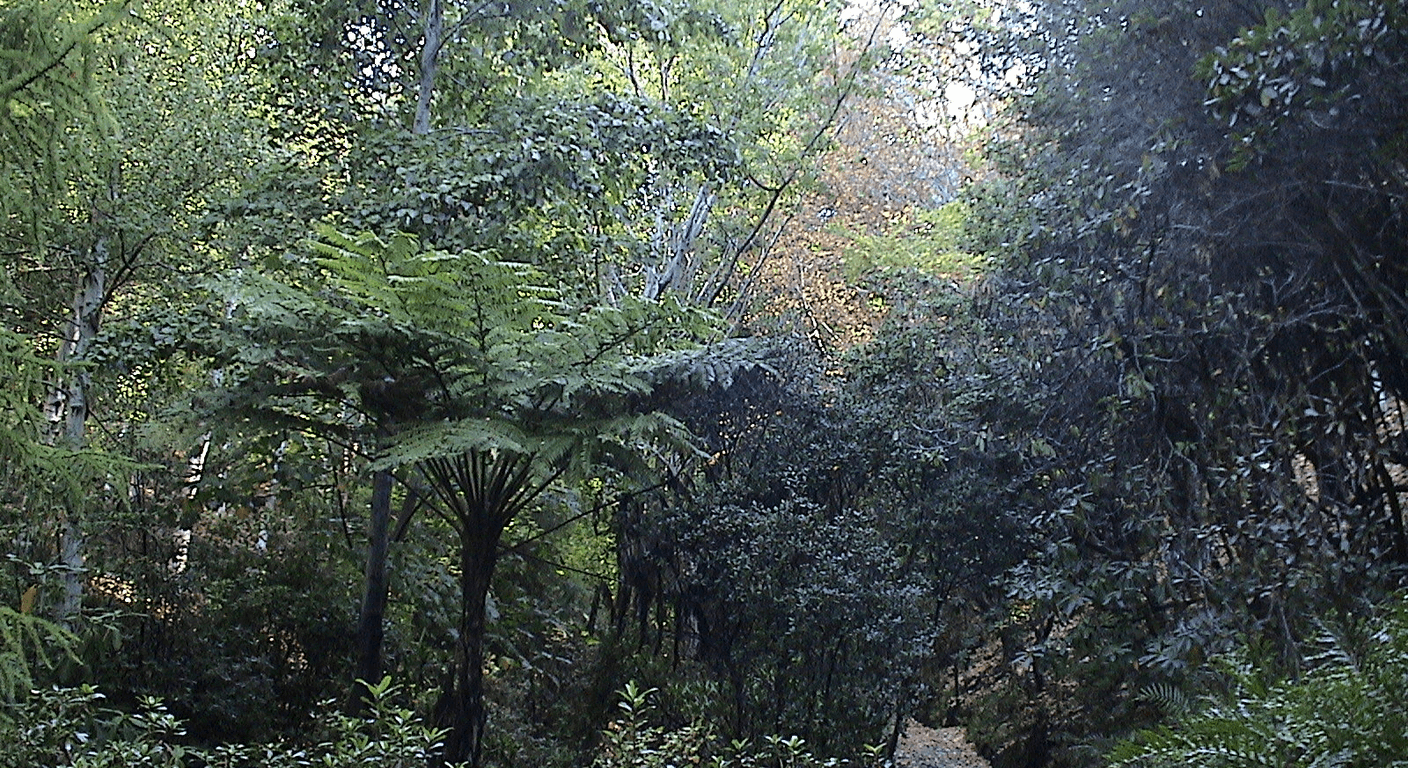
Up in the Adelaide Hills at around 730 metres above sea level, Mount Lofty Botanic Garden occupies a cool, moist gully that feels nothing like the South Australia most visitors expect. The garden specialises in cool-climate plants — rhododendrons, magnolias, exotic conifers, a substantial daffodil collection in spring — and in autumn, the deciduous colour is genuinely worth planning a visit around.
The terrain here is more interesting than flat, which means some gentle slopes and uneven paths in the more naturalistic sections. It rates Moderate for mobility: the main paths are manageable, but comfortable footwear matters and a walking pole is sensible on the hillside sections. Seating is well distributed throughout, and there are sheltered spots near the lake that make a fine picnic location.
The garden is around 16 kilometres from central Adelaide, a short drive up into the hills via the freeway. There's no direct public transport to the garden entrance, so most visitors drive or join a tour. Entry is free. A café operates on site — confirm current trading hours at environment.sa.gov.au before setting out, as hours vary by season. The surrounding Hills Face Zone is worth combining with a visit: the drive alone through the gum-lined roads above Adelaide is its own reward.
New South Wales — Blue Mountains Botanic Garden Mount Tomah
At 1,000 metres elevation on the Bells Line of Road, Mount Tomah is part of the Royal Botanic Gardens Sydney network but sits in a category of its own. The setting — a basalt plateau surrounded by World Heritage-listed Blue Mountains wilderness — gives the garden a quality of light and air that's quite unlike anywhere else in New South Wales. Cool-climate plants thrive here: northern hemisphere species that struggle in Sydney's heat find exactly the conditions they need.
Spring rhododendrons and autumn foliage are the headline acts, but the Southern Hemisphere conifer collection and the Southern African section are quietly impressive year-round. The garden is designed with broad, gently graded paths through most of the main areas, and there are several excellent rest areas with seating and views across the valley. It rates Easy to Moderate — the upper sections involve some gradient, but the lower garden areas are accessible to most visitors.
Mount Tomah is roughly 130 kilometres from Sydney, via the Bells Line of Road — a scenic drive in its own right, passing orchards and small villages. There's no regular public transport to the garden, so a car or organised tour is the practical approach. Entry is free. The on-site restaurant and kiosk are popular; confirm current opening hours and reservation requirements at bluemountainsbotanicgarden.com.au before visiting, particularly on weekends when demand is higher.
Western Australia — Araluen Botanic Park
In the Darling Range about 40 kilometres southeast of Perth, Araluen Botanic Park occupies a valley that was shaped by water — the Araluen Brook runs through it — and by the particular character of Western Australian spring. Tulips are the park's signature: tens of thousands of them, planted in formal and informal displays, bloom through September and October in a display that's become one of the state's most popular seasonal events. It's worth noting, though, that Araluen has genuine horticultural interest well beyond the tulip season.
The park's rose gardens, Japanese Garden, and native bushland sections carry their own character through summer and autumn, and the valley setting keeps temperatures noticeably cooler than the surrounding hills. Paths vary from sealed surfaces near the main facilities to more natural tracks in the bushland areas. The main garden areas are Easy underfoot; the bushland walks are Moderate and optional. Seating is plentiful, and the valley floor is a natural spot to settle with a picnic.
Entry fees apply — indicatively around $5–$10 per adult, though these vary by season and event; confirm current pricing at araluenbotanicpark.com.au before visiting. A café operates on site during peak season. From Perth, the drive takes around 45 minutes via the Albany Highway. There's limited public transport to the park, so most visitors drive. Grey nomads travelling the South West are well positioned to include Araluen on a Darling Range loop.
Tasmania — Emu Valley Rhododendron Garden, Burnie
Tasmania's north-west coast doesn't always make the shortlist for garden tourism, but Emu Valley Rhododendron Garden, about eight kilometres south of Burnie, makes a compelling case for it. The garden holds one of Australia's largest private collections of rhododendrons and azaleas — over 3,500 plants across 12 hectares of cool-climate bushland — and in October and November, the flowering is a spectacle that quietly eclipses many better-known garden events on the mainland.
The setting is a natural amphitheatre of native and exotic trees, with a small lake, a collection of heritage camellias, and walking trails that wind through the plantings at a pace that suits an unhurried morning. The terrain is gentle in the main display areas but becomes more natural and slightly uneven on the outer trails. Comfortable walking shoes and a layer for the cool air are sensible. There are several seating areas with good views across the garden.
Entry is charged — indicatively around $15 per adult, though confirm current pricing at emuvalley.com.au before visiting, as fees vary by season. Burnie is accessible by air from Melbourne (roughly one hour) and by the Spirit of Tasmania ferry from Melbourne's Station Pier — a crossing that's become something of an event in itself for travellers who enjoy the journey as much as the destination. From Burnie town centre, the garden is a short drive. A combined visit with Burnie's Regional Museum and the waterfront makes a very full and satisfying day.
Practical Notes for Getting the Most From These Gardens
Timing matters more than most people realise. Spring and autumn are the peak seasons for most of these gardens, but each has genuine merit year-round. If you're planning around a specific feature — Ballarat's begonias, Araluen's tulips, Emu Valley's rhododendrons — check the garden's own website for current seasonal forecasts, which can shift by a week or two depending on the year's weather. Arriving in the morning, before tour groups and weekend crowds build, consistently makes for a better experience.
Seating is good at all five gardens, but it's worth identifying the shaded rest areas on arrival, particularly in summer at Araluen and Mount Lofty where afternoon heat can build. A lightweight folding chair or a compact picnic rug expands your options considerably, and most of these gardens actively welcome picnickers in designated areas. A wide-brimmed hat, sunscreen and a refillable water bottle are standard equipment for any Australian garden visit.
Travel insurance is worth reviewing if you're combining a garden visit with a longer regional trip. For those managing pre-existing conditions, ensure your policy covers the full itinerary. Confirm any accessibility requirements — parking, path surfaces, wheelchair availability — directly with the garden before you travel, as facilities do evolve. The gardens listed here are among the most welcoming in Australia for older visitors, but a quick phone call or website check before departure saves any surprises on the day.
Quick planning guide
| Ideal pace | Slow-paced, unhurried mornings |
|---|---|
| Best months | September–November (spring blooms) and March–May (autumn foliage) |
| Suggested stay | Half-day to full day per garden, ideal as a day trip or overnight anchor |
| Mobility level | Easy to Moderate, depending on garden and trail choice |
| Cost level | Free to low-cost (free at Ballarat and Mount Lofty; modest entry fees at Araluen and Emu Valley) |
| Comfort level | High — ample seating, on-site cafés and uncrowded surrounds |
| Best for | Older travellers, grey nomads and unhurried garden enthusiasts |
| Main planning consideration | Confirm current opening hours, café trading and entry fees directly with each garden before travelling, and arrange a car or tour since public transport is limited |
Key takeaways
- All five regional gardens on this list are free or low-cost entry — Ballarat and Mount Lofty are free; Araluen and Emu Valley charge modest fees (confirm current pricing before visiting).
- Spring (September–November) is peak season for flowers at most gardens, but autumn foliage at Mount Lofty, Mount Tomah and Emu Valley makes March–May equally rewarding.
- Most gardens rate Easy to Moderate for mobility — sealed paths and plentiful seating are the norm, with optional hillside or bushland sections for those who want more.
- None of these gardens require public transport — a car or organised regional tour is the practical access method for most, though Ballarat is a comfortable V/Line train ride from Melbourne.
- Arriving in the morning, before weekend crowds build, consistently makes for a calmer and more enjoyable visit at all five gardens.
- Each garden works best as the anchor of a regional day or overnight trip — pair with a local lunch, a heritage town, or a scenic drive to make the most of the journey.
Recommended partners and links
Indicative prices only — always confirm with the operator before booking.
Frequently asked questions
Are these regional botanic gardens suitable for travellers with limited mobility?
Yes, in general. Ballarat Botanical Gardens is flat and largely sealed, making it among the most accessible of the five. Blue Mountains Botanic Garden Mount Tomah and Mount Lofty have gentle slopes but manageable main paths. Araluen and Emu Valley have some natural terrain on outer trails but comfortable, accessible core areas. Confirm specific accessibility facilities — including wheelchair availability and accessible parking — directly with each garden before visiting.
What is the best time of year to visit Araluen Botanic Park in Western Australia?
September and October are the peak season for Araluen's famous tulip displays, making spring the most popular time to visit. However, the rose gardens and native bushland sections offer interest outside tulip season. Confirm current seasonal event dates at araluenbotanicpark.com.au before planning your visit, as the exact flowering period varies year to year.
Is the Blue Mountains Botanic Garden at Mount Tomah easy to reach from Sydney without a car?
Not easily. Mount Tomah is on the Bells Line of Road, roughly 130 kilometres from Sydney, and there's no regular public transport service to the garden entrance. Most visitors drive, or join an organised tour departing from Sydney or the Blue Mountains. If you're staying in the Blue Mountains, a hire car or private transfer is the most practical option.
What is Emu Valley Rhododendron Garden and why is it worth visiting?
Emu Valley Rhododendron Garden is a 12-hectare cool-climate garden near Burnie in north-west Tasmania, holding one of Australia's largest collections of rhododendrons and azaleas. It's particularly impressive in October and November when the flowering peaks. Entry is charged (confirm current fees at emuvalley.com.au). Burnie is accessible by air from Melbourne or by the Spirit of Tasmania ferry.
Do any of these regional botanic gardens have cafés or restaurants on site?
Yes. Blue Mountains Botanic Garden Mount Tomah has a restaurant and kiosk. Araluen Botanic Park has a café operating during peak season. Emu Valley Rhododendron Garden has on-site refreshment facilities. Ballarat Botanical Gardens has café options nearby, and Mount Lofty Botanic Garden has an on-site café. Trading hours vary by season — confirm before visiting to avoid disappointment.