Australia's best regional café culture centres on towns like Toowoomba, Bellingen, Daylesford, Margaret River and Hahndorf, each reachable from a state capital by car or coach in roughly one to three hours. Autumn and spring (March–May, September–November) suit café-touring best, with one to two unhurried days per town recommended. Main streets are generally flat and easy to walk, though heritage buildings vary — ringing ahead to confirm step-free entry is worthwhile.
Why Regional Cafés Reward the Over-50 Traveller
There's a particular pleasure in sitting down to coffee somewhere that isn't trying to turn the table in forty minutes. Regional Australian cafés have quietly built a culture around that pleasure — one that suits travellers who've moved past the need to rush. The towns in this guide aren't compromises on the way to somewhere else. They are the somewhere else.
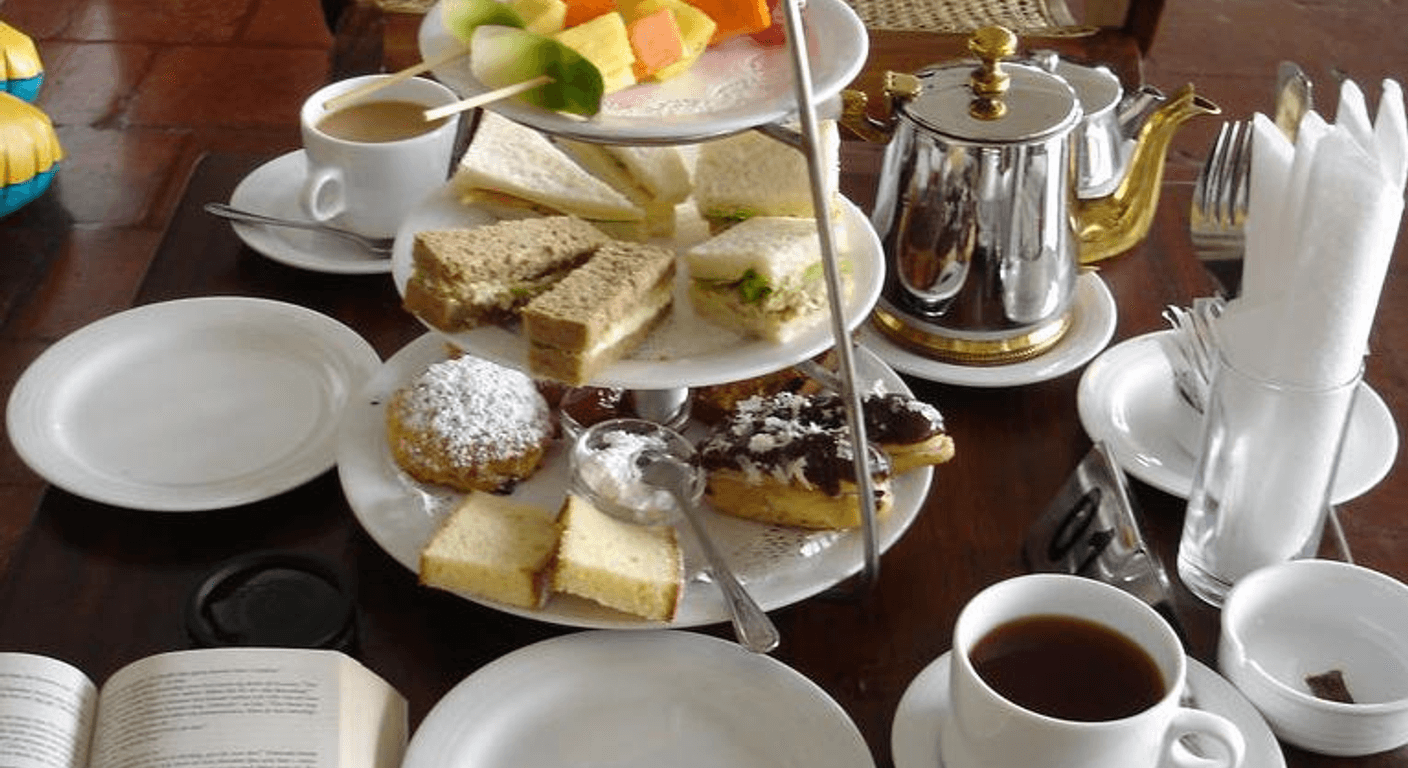
For women travelling with friends — the group most likely to plan a long weekend around good food and good conversation — regional café towns offer something capital cities can't reliably provide: a table you can occupy for two hours without a pointed look from the staff. Add a locally roasted single origin, a meal built around something grown within fifty kilometres, and you have a very fine morning indeed.
Accessibility is worth addressing plainly. Many of these towns have heritage streetscapes, which means older shopfronts, uneven bluestone or timber floors, and the occasional step at the door. That's honest. What's also true is that every town covered here has multiple cafés with level or ramped entry — the key is to ring ahead, check the café's website, or ask at the local visitor centre on arrival. The experience doesn't have to be compromised; it just requires a small amount of forward planning.
Toowoomba, Queensland — The Darling Downs' Quiet Achiever
Toowoomba sits on the edge of the Great Dividing Range at around 700 metres elevation, which gives it a climate noticeably cooler than Brisbane and a café scene that feels more like a mid-sized regional city than a country town. The central precinct around Margaret Street and Neil Street has developed a genuine density of independent cafés over the past decade, with roasters sourcing beans with care and kitchens leaning into the Darling Downs' agricultural abundance.
For travellers arriving from Brisbane, it's a 130-kilometre drive west via the Warrego Highway — allow around 90 minutes — or a Greyhound coach connection (confirm current schedules and fares at greyhound.com.au). The town is flat enough in its central areas to walk comfortably between cafés, and several of the newer venues have been fitted out with accessibility in mind. Older buildings are the variable, so confirm step-free entry before you go.
A flat white and a light brunch in Toowoomba typically runs somewhere around $25–$35 per person, though prices shift and you should confirm current figures when you arrive or book. The Carnival of Flowers in September brings crowds and fills accommodation quickly — if that's not your scene, April through June offers the same quality with considerably more elbow room. Check Tourism Toowoomba at toowoomba.qld.gov.au for current café and event listings.
Bellingen, New South Wales — Coffee With a Canopy Overhead
Bellingen doesn't have a lot of cafés. It has the right cafés. The town on the Bellinger River, roughly halfway between Coffs Harbour and Dorrigo, has attracted a food community that punches well above the population. The main street is short enough to walk end to end in ten minutes, which means you can assess your options before committing — a small luxury that larger towns don't offer.
The surrounding hinterland supplies much of what ends up on the plates: dairy from the valley, eggs from nearby farms, seasonal produce that actually changes with the seasons rather than arriving from a central distribution warehouse. Coffee is taken seriously here, and the roasting culture has matured considerably. Expect to sit beneath old fig trees or on wide verandahs — Bellingen's architecture lends itself to outdoor seating, which is genuinely pleasant from April through October.
Getting here independently requires either a hire car from Coffs Harbour (around 35 kilometres south) or a Busways coach service — confirm current routes and timetables at transportnsw.info. The town's main street has some heritage surfaces and the occasional step, but flat alternatives exist. A coffee and a meal for two lands roughly in the $50–$70 range, indicative only — confirm current prices. Accommodation is limited and books out during the Bellingen Global Carnival and the jazz festival, so plan accordingly.
Daylesford, Victoria — The One That Started It All
If there is a spiritual home for the regional café movement in Australia, it might reasonably be Daylesford. The Central Highlands spa town, 115 kilometres northwest of Melbourne via the Calder Freeway and then a lovely back-road approach through Trentham, has been doing this long enough that the scene has layers — there are the long-established institutions and there are the newer arrivals, and both are worth your time.
Vincent Street and the surrounding blocks offer an almost embarrassing concentration of good cafés, providores and small food producers within comfortable walking distance. The terrain is gently hilly, which is worth knowing if mobility is a consideration — some inclines are steeper than they look. Several cafés have step-free entry; a quick call ahead sorts it. The Saturday market at the Daylesford Farmers' Market (daylesfordfarmersmarket.com.au) is one of the best in regional Victoria and worth timing a visit around.
V/Line operates a train-and-coach service from Melbourne's Southern Cross Station via Woodend — confirm current timetables and fares at vline.com.au. A flat white in Daylesford runs around $5–$6 and a light brunch somewhere in the $18–$28 range, though these are indicative figures only and you should confirm prices when you visit. Spring and autumn are the sweet spots; Daylesford in a cool-weather mist is not a hardship at all.
Margaret River, Western Australia — Serious Coffee in Wine Country
Margaret River is known for its wineries, but the café culture here has its own identity — and it's earned it. The town centre, set back from the coast in a landscape of tall karri and jarrah forest, has a main street compact enough to explore on foot and a collection of cafés that reflect the region's broader commitment to local produce and considered hospitality.
What distinguishes Margaret River's café scene is the quality of the ingredients available nearby: local dairy, eggs, honey, seasonal fruit and vegetables from the surrounding agricultural belt, and seafood from the coast not far to the west. Several cafés have built menus that read almost like a map of the region. The coffee culture has also matured, with specialty roasters operating in and around the town. Confirm specific venues through margaretriver.com.
Getting to Margaret River from Perth means either a self-drive of around 270 kilometres south via the Bussell Highway (allow roughly three hours) or a Transwa coach service — check transwa.wa.gov.au for current timetables and fares. The town's main street is largely flat and accessible, though individual café interiors vary. Budget roughly $30–$40 per person for coffee and a light meal, indicative only. September through November — wildflower season and before the summer holiday peak — is a particularly rewarding time to visit.
Hahndorf, South Australia — Beyond the Tourist Strip
Hahndorf has a reputation as a tourist town, and on a long weekend that reputation is not entirely unearned. The main street fills up, the parking gets creative, and the more visible venues can feel a little performative. But look past the surface and there's a genuine café culture here, particularly among the smaller, less conspicuous operators who have settled into the Adelaide Hills town because of its access to exceptional local produce.
The Adelaide Hills is one of Australia's most productive cool-climate food regions — cherries, apples, truffles, charcuterie, farmhouse cheeses — and the better cafés in and around Hahndorf draw on that larder with real intent. It's worth extending a visit to the broader Hills region: Stirling and Aldgate, just a short drive away, have quieter café scenes that reward the traveller who isn't following the main road. Check adelaidehills.org.au for current listings.
From Adelaide, Hahndorf is around 28 kilometres southeast via the South Eastern Freeway — roughly 35 minutes by car. Adelaide Metro bus services run to the area; confirm current routes and times at adelaidemetro.com.au. The main street has some heritage footpath surfaces, but the central area is generally manageable. A coffee and a light meal runs indicatively around $25–$35 per person; confirm prices on arrival. Midweek visits in autumn or spring offer the best balance of good weather and manageable crowds.
Practical Notes for Getting the Most from a Café Town Visit
A few habits make café touring more comfortable and more rewarding. Arrive early — not at opening, necessarily, but before 9.30am — and you'll find the best tables, the freshest baked goods and the most attentive service. Most regional cafés are at their peak before 11am. After midday, quality doesn't necessarily drop but pace quickens and seating becomes competitive.
For travellers with mobility considerations, a brief phone call before visiting a specific café is always worthwhile. Ask directly: is there a step at the entrance, are the tables at a comfortable height, is there parking nearby? The answers are almost always given helpfully and honestly. Heritage buildings are charming and often problematic in equal measure — the best cafés in older buildings have generally found ways to manage this, but confirm rather than assume.
Travel insurance is worth mentioning here, even for domestic travel. If you're driving a significant distance for a food-focused long weekend, ensure your policy covers medical events and — if relevant — pre-existing conditions. NRMA, RACV and other state motoring clubs offer combined roadside and travel policies worth comparing. Always read the product disclosure statement before purchasing. And on costs throughout this guide: every figure given is indicative only, drawn from general knowledge of the regions, and prices change. Confirm current costs directly with venues or through regional tourism websites before you travel.
Quick planning guide
| Ideal pace | Slow-paced — one to two unhurried days per town |
|---|---|
| Best months | Autumn and spring (March–May and September–November) |
| Suggested stay | 1–2 days per town |
| Mobility level | Mostly easy, flat main streets — some heritage surfaces and steps, so confirm step-free entry ahead |
| Cost level | Budget-friendly to moderate — roughly $25–$70 per person, indicative only |
| Comfort level | Relaxed and unhurried, table-for-hours hospitality |
| Best for | Over-50 travellers and groups of friends who value good coffee, local produce and a slower pace |
| Main planning consideration | Confirm café accessibility and step-free entry in advance, especially in heritage precincts |
Key takeaways
- Australia's best regional café culture is found in towns like Toowoomba, Bellingen, Daylesford, Margaret River and Hahndorf — all accessible by car or coach from state capitals.
- A flat white and a light brunch in these towns typically costs under $35 per person, though all prices are indicative and should be confirmed with venues before visiting.
- Heritage streetscapes mean accessibility varies — ring ahead to confirm step-free entry rather than assuming it.
- Autumn and spring (March–May and September–November) offer the most comfortable café-touring conditions across most of these regions.
- Arriving before 9.30am secures the best tables, the freshest food and the most relaxed service in almost every regional café town.
- Regional café towns reward slow travel — plan at least one full day per town, ideally two, to allow unhurried mornings and afternoon exploring.
Recommended partners and links
Indicative prices only — always confirm with the operator before booking.
Frequently asked questions
Which Australian regional town has the best café scene for seniors?
Daylesford in Victoria is widely regarded as one of Australia's strongest regional café towns, with a high density of quality independent cafés within easy walking distance, V/Line train-and-coach access from Melbourne, and a Saturday farmers' market that's among the best in regional Victoria. Margaret River in WA and Bellingen in NSW are close comparisons for different reasons. All three suit travellers over 50 who prioritise quality, comfort and an unhurried pace.
Are regional Australian cafés accessible for travellers with mobility limitations?
Accessibility varies significantly between venues, particularly in heritage streetscapes where older shopfronts may have steps or uneven surfaces. Every town covered in this guide — Toowoomba, Bellingen, Daylesford, Margaret River and Hahndorf — has cafés with level or ramped entry, but confirming with the specific venue before visiting is the most reliable approach. Local visitor centres can also advise on accessible options.
How much does coffee and a light meal cost in regional Australian café towns?
As a general guide, a flat white and a light brunch costs roughly $25–$40 per person across the towns covered in this guide, with Margaret River and Daylesford tending toward the higher end. These are indicative figures only — prices change and you should confirm current costs directly with venues or through regional tourism websites before you travel.
Can you reach these regional café towns without a car?
Most are reachable by public or regional transport, though schedules are limited. Daylesford has V/Line train-and-coach services from Melbourne (confirm at vline.com.au). Bellingen is served by Busways from Coffs Harbour (confirm at transportnsw.info). Hahndorf has Adelaide Metro bus connections (confirm at adelaidemetro.com.au). Toowoomba has Greyhound coach services from Brisbane (confirm at greyhound.com.au). Margaret River is served by Transwa coach from Perth (confirm at transwa.wa.gov.au). A hire car gives the most flexibility for combining multiple towns.
What is the best time of year to visit regional café towns in Australia?
March through May and September through November are the most comfortable months across most of these regions, offering mild temperatures and manageable crowds. Toowoomba's Carnival of Flowers in September draws significant visitors. Daylesford is particularly pleasant in autumn. Hahndorf is best visited midweek to avoid weekend tourist peaks. Summer heat can be significant in Toowoomba and parts of WA, so check local conditions before planning a December–February visit.
- Visit Victoria — Daylesford and Macedon Ranges
- Visit Margaret River
- Destination NSW — Bellingen Area
- South Australian Tourism Commission — Hahndorf
- Adelaide Hills Tourism
- V/Line — Regional Train and Coach Services Victoria
- Transwa — Regional Coach and Rail Western Australia
- Transport NSW — Regional Bus Services