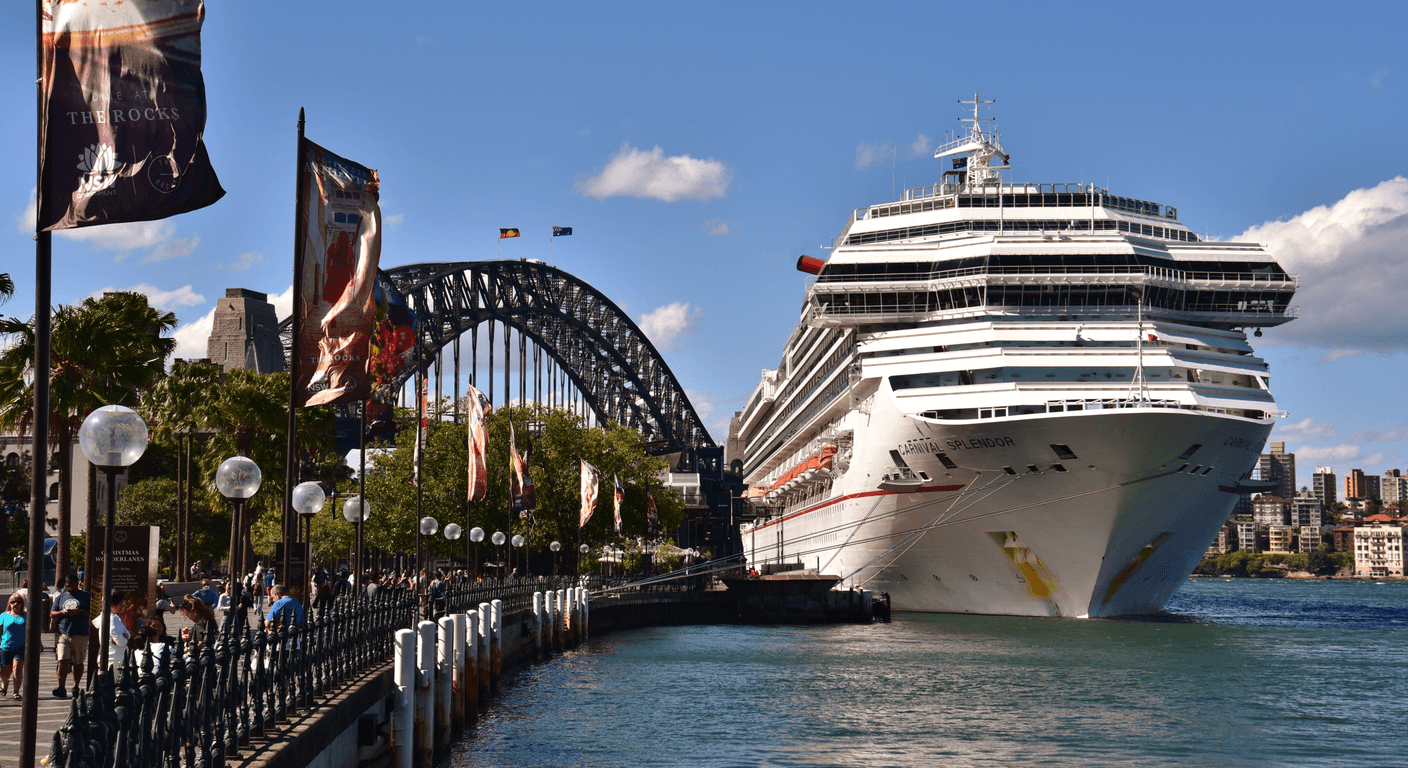
Repositioning cruises from Australia — typically sailing April–May northbound or October–November southbound — run 18 to 35 nights and frequently price at $100–$180 AUD per person per night in an inside cabin, making them among the lowest-cost long-haul travel options for over-50s. The defining appeal is consecutive sea days and a single unpacking. Mobility rating: Moderate (large ships involve significant walking; tender ports add steps). Access: direct embarkation from Sydney, Brisbane or Fremantle is common; confirm current sailings with each cruise line.
What a repositioning cruise actually is — and why the price looks so good
Cruise lines don't leave their ships parked in Sydney all winter. When the Australian summer season ends, the big vessels move — northbound to Asia, the Mediterranean or Alaska — and when the northern summer winds down, they come back. These one-way transits are called repositioning sailings, and because they're not the glamorous round-trip Caribbean or Mediterranean product the lines market most heavily, they price them to fill cabins. That's the honest reason they're cheap. Not because someone's doing you a favour.
The per-night rate on an inside cabin can sit anywhere from around $100 to $180 AUD per person (indicative — confirm every figure with the line directly, as fares move with availability and timing). That includes your cabin, all main dining, entertainment and most onboard facilities. Alcohol, specialty restaurants, shore excursions and spa treatments are extra, and they add up faster than you'd expect over three weeks. Budget a realistic $80–$150 AUD per person per day for extras if you're inclined to drink, dine beyond the main restaurant, or book organised port tours.
The economics only make complete sense once you factor in the return flight. Sydney to Southampton, Athens or Vancouver — economy class — is likely to cost $1,800–$3,500 AUD per person depending on timing, airline and routing. That's real money, and it belongs in your total trip cost from the moment you start comparing this to a land holiday. Some travellers combine the repositioning cruise with an extended land stay at the destination, turning the flight cost into the price of entry for a much longer trip. That's not a bad way to think about it.
The hard parts first: what nobody puts in the brochure
Modern cruise ships are very large. On a vessel carrying 3,000 to 5,000 passengers, your cabin might be a seven-minute walk from the main dining room. Add a set of lifts, a queue, and the fact that you'll do that walk three times a day for three weeks, and the cumulative distance is substantial. If walking more than 15 minutes on flat ground is uncomfortable, that's worth knowing before you book — not after you're aboard. Mobility scooters are permitted on most ships, though corridors vary; confirm dimensions and charging facilities with the line before sailing.
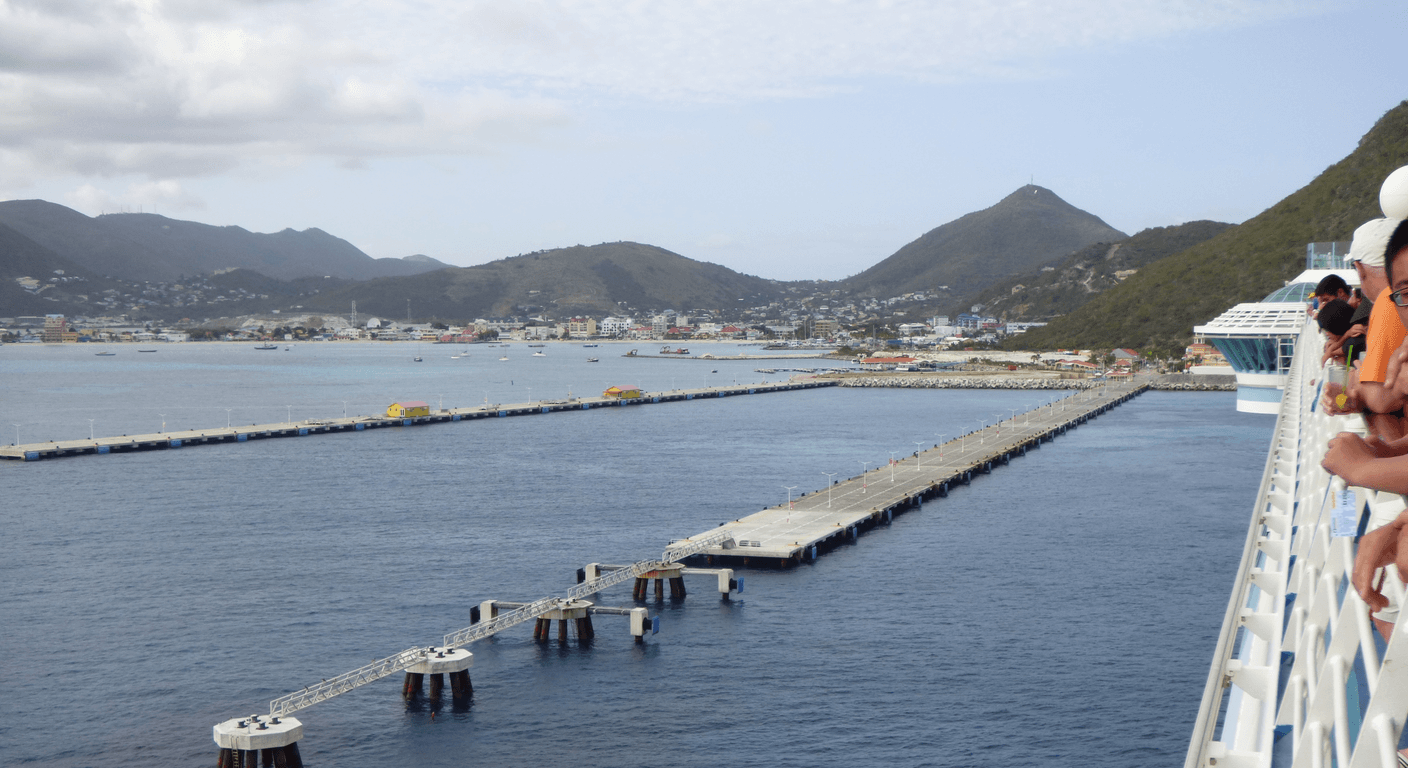
Tender ports are the other thing worth understanding plainly. When a ship anchors offshore and passengers are ferried to the dock by small boat, it involves a step-down from the ship's platform into a moving tender — sometimes in a light swell. For anyone with a knee replacement, balance concerns or lower-body mobility issues, that step is genuinely difficult, and the crew will tell you honestly whether it's safe on the day. Some ports offer a pier alternative; many don't. If the repositioning itinerary includes multiple tender ports and mobility is a consideration, ask the line to list them before you book.
Embarkation day at a major Australian terminal — particularly Sydney's Overseas Passenger Terminal or the White Bay Cruise Terminal — can involve queues of an hour or more in the middle of the day. Arrive with your documents organised, wear comfortable shoes, and don't plan anything for embarkation evening except finding your cabin, locating the dining room and going to bed early. The first night is always a little chaotic. The second day, when the ship is at sea, is when it starts to feel right.
Who genuinely suits a fortnight (or more) at sea
The sea-day question is the one that sorts repositioning cruise travellers into two very distinct groups. A 28-night sailing from Fremantle to Southampton might have 18 sea days. That's 18 mornings with nothing scheduled except whatever you choose to do. For some people — the ones who've spent 40 years wanting to read properly, who find genuine pleasure in watching the ocean change colour across time zones, who'll happily spend two hours over breakfast with a newspaper — those days are the point of the trip. For others, they're a slow-building anxiety.
Be honest with yourself before booking. If you've done a seven-night cruise and found sea days tedious by day three, a repositioning voyage will not fix that. The ship's programme of lectures, cooking demonstrations, trivia, dance classes and live music is genuinely good on most lines — particularly Princess and Cunard, which programme specifically for longer sailings. But it's not the same as a port every day, and it was never meant to be.
Couples who travel well together in contained spaces tend to love repositioning cruises. The rhythm of sea days creates a kind of domestic calm — a regular table in the dining room, familiar faces at the bar, a book finished and another started. Travellers in their 60s and 70s who've raised families and managed busy careers often describe the extended sea time as the first genuine rest they've had in decades. That's not marketing copy; it's a pattern that comes up repeatedly in conversations with experienced cruisers.
Cabin choice: why it matters more than usual on a long voyage
On a seven-night cruise, an inside cabin is a perfectly rational choice — you're out exploring most of the time. On a 28-night repositioning sailing with 18 sea days, the cabin is where you'll spend a significant portion of your waking life. The calculus changes. A balcony cabin — sometimes called an 'obstructed view' balcony on older ships, which means a lifeboat partially blocks the sightline — is worth the upgrade premium for a long voyage, and prices vary widely depending on deck and position. Expect to pay roughly $50–$120 AUD more per person per night for a balcony over an inside cabin (indicative; confirm with the line).
Cabin position matters too. Midship cabins on lower-middle decks experience the least motion in rough weather — relevant if you're crossing the Bay of Biscay or the Southern Ocean approaches. Forward cabins get more engine noise when manoeuvring into port. Aft cabins on some ships offer a stern view that's genuinely spectacular at sea but can carry vibration from the propellers. If you have a preference, ask specifically when booking — don't assume the line will volunteer it.
For a Greek Australian traveller, there's a particular pleasure in a Mediterranean repositioning that ends in Piraeus or passes through the Adriatic — the moment the Aegean light changes and the limestone islands appear on the horizon is worth the 28 days of ocean to get there. Ask for a cabin on the side of the ship facing the Greek coast as you approach — a good travel agent or the line's own reservations team can usually specify this at booking, though it's never guaranteed.
Practical life aboard: laundry, staying well and keeping sane
Laundry is not a trivial consideration on a voyage of three weeks or more. Most large ships have self-service laundromats (coin or card-operated, around $3–$5 AUD per wash and dry cycle — confirm costs aboard) on selected decks, usually a short walk from passenger cabins. The full laundry and dry-cleaning service is available but prices aboard are steep — roughly $5–$12 AUD per garment depending on the item (indicative). Packing a small tube of hand-wash detergent and planning a couple of laundromat visits per week is the practical approach. Bring clothes that dry quickly and don't crease badly.
Staying well across three or more weeks at sea is mostly common sense, but a few things are worth naming. The ship's medical centre is staffed around the clock and is equipped to handle most non-surgical emergencies, but hospitalisation at a foreign port is expensive without thorough travel insurance that covers pre-existing conditions. For Australian travellers over 60, finding such cover has become harder and more expensive in recent years — start the insurance search before you book the cruise, not after, and read the pre-existing conditions clauses with care. The Australian Government's Smartraveller website (smartraveller.gov.au) is the right starting point for both insurance guidance and destination advisories.
Seasickness is worth addressing without embarrassment. The open ocean between Australia and Asia, or the Bay of Biscay, can produce meaningful swell. Many experienced cruisers over 50 travel with prescription scopolamine patches or over-the-counter options like Travacalm — ask your GP before sailing, not the ship's doctor at $150 a consultation. Staying hydrated, avoiding heavy meals in rough weather, and spending time on deck looking at the horizon are the non-pharmaceutical basics. Most people find their sea legs within two or three days.
Solo travellers and couples: where the experience genuinely differs
A solo traveller's perspective: The single supplement on repositioning cruises is the issue, stated plainly. Most major lines charge solo passengers between 50 and 100 per cent of the double-occupancy rate to occupy a cabin alone — meaning a solo traveller can pay as much as or more than a couple split two ways. Some lines offer a share-match programme (pairing solo travellers in twin-share cabins with a same-gender stranger) or designated solo cabins at reduced supplement rates; Cunard and Princess both have versions of this, but availability on repositioning sailings specifically is limited and books early. Call the line directly and ask what solo options exist for the specific sailing you want — don't assume the website shows everything.
A couple's perspective: For a couple who genuinely enjoy each other's company in a contained space, a repositioning cruise is close to ideal long-haul travel. One unpacking. Meals together without the logistics of finding restaurants in a foreign city every night. A balcony to sit on at dusk with a glass of something. The per-person cost, split two ways including the return flight, often compares favourably with a land-based holiday of equivalent length — particularly when you account for the fact that accommodation, most meals and entertainment are bundled into the cruise fare.
The dynamic worth watching in a couple is whether one partner is significantly more enthusiastic than the other. Three weeks at sea with a resentful companion is not a holiday. Have the sea-day conversation honestly before committing, and consider a shorter seven or ten-night cruise first if one of you is genuinely uncertain. Some people discover they love it. Others confirm they don't. Better to know on a week-long trial than a month-long commitment.
Booking smart: timing, what to confirm, and the concessions worth checking
Repositioning cruises tend to release 12–18 months ahead, and early-booking fares are usually the sharpest — but last-minute availability can also appear as departure nears, particularly for inside cabins that haven't filled. The middle ground (booking six to nine months out) is often where the balance of price and cabin selection is best. Onboard credit promotions, beverage packages and free gratuities are common sweeteners; compare the total cost including those add-ons rather than the headline cabin rate alone.
Victorian Seniors Card holders should check whether their card has any partnership discounts with travel agents or cruise lines — the benefits vary and change, so confirm directly with the relevant operator or through the Victorian Seniors Card website (seniorsonline.vic.gov.au). Some travel agents who specialise in mature-age or cruise travel offer rebates or onboard credit from their own commissions; it's worth asking explicitly. This guide is independent and commission-free — the providers listed are included for reference, not as endorsements.
Before booking, confirm in writing: the exact ship (not just the class), the number of sea days versus port days, which ports are tender-only, whether the ship has a self-service laundry, and the single supplement rate if applicable. Lines occasionally substitute ships on repositioning sailings, and a different vessel can mean a meaningfully different experience. Get the ship name in the booking confirmation. And register the trip on Smartraveller (smartraveller.gov.au) once booked — it's free, takes five minutes, and gives the Australian Government a way to contact you in an emergency.
Quick planning guide
| Ideal pace | Slow — multiple consecutive sea days, unhurried port calls |
|---|---|
| Best months | April–May (Australia to Asia/Europe); October–November (returning southbound) |
| Suggested stay | 18–35 nights aboard, plus a recovery night at the destination port |
| Mobility level | Moderate — flat ship corridors but long walking distances; some tender ports require a step-down transfer |
| Cost level | Around $100–$180 AUD per person per night inside cabin (indicative; confirm with operator) |
| Comfort level | High once aboard — balcony upgrades worth serious consideration for a long voyage |
| Best for | Couples and solo travellers over 50 who enjoy sea days, reading, and slow travel without daily repacking |
| Main planning consideration | One-way return airfare back to Australia must be budgeted — this is the figure that changes the economics entirely |
Key takeaways
- The per-night cabin rate on a repositioning cruise looks cheap until you add the return airfare — budget both figures together from the start.
- 18-plus sea days suit travellers who genuinely enjoy slow time; anyone who found a seven-night cruise's sea days dull should think carefully before committing to a month.
- A balcony cabin is worth the upgrade premium on any repositioning voyage longer than 14 nights — the cabin is where you'll spend far more time than on a short cruise.
- Solo travellers face supplements of 50–100 per cent on most lines; ask specifically about share-match programmes or designated solo cabins before assuming the website price applies.
- Travel insurance covering pre-existing conditions must be arranged before booking, not after — and the search takes longer than most over-60 travellers expect.
- Get the specific ship name in your booking confirmation: lines substitute vessels on repositioning sailings, and a different ship can mean a completely different experience.
Recommended partners and links
Indicative prices only — always confirm with the operator before booking.
Frequently asked questions
What is a repositioning cruise and why are they cheaper than regular cruises?
A repositioning cruise is a one-way sailing that moves a cruise ship between seasonal deployment regions — for example, from Sydney to Southampton as the Australian summer ends. Because these sailings are transit voyages rather than the line's headline product, they're priced lower to fill cabins, often around $100–$180 AUD per person per night in an inside cabin. The trade-off is a high number of sea days and a one-way itinerary that requires a return flight home.
How do I budget for a repositioning cruise from Australia?
Start with the cabin fare, then add: return airfare from your destination port to Australia (roughly $1,800–$3,500 AUD economy, depending on route and timing), onboard spending for alcohol, specialty dining and shore tours (a realistic $80–$150 AUD per person per day), travel insurance, and any pre- or post-cruise accommodation. The headline cruise fare is rarely the total cost. Confirm all current fares directly with the cruise line.
Do solo travellers pay a supplement on repositioning cruises?
Yes, on most major lines, solo travellers are charged a single supplement of 50–100 per cent of the double-occupancy rate to occupy a cabin alone. Some lines offer share-match programmes or designated solo cabins at a reduced supplement, but availability on repositioning sailings is limited. Ask the line directly about solo options for the specific sailing you want — the website often doesn't show the full picture.
Which Australian ports do repositioning cruises typically depart from?
Sydney, Brisbane and Fremantle are the most common Australian embarkation ports for northbound repositioning sailings. The specific port depends on the line and the sailing year. Confirm departure ports directly with the cruise line, as these change between seasons and vessel deployments.
What travel insurance do I need for a repositioning cruise if I have pre-existing conditions?
You need a policy that explicitly covers your pre-existing medical conditions for the full voyage duration, including medical evacuation from a foreign port. For Australian travellers over 60, finding adequate cover has become more complex and more expensive. Start the insurance search before you book the cruise, read pre-existing condition clauses carefully, and check the Australian Government's Smartraveller website (smartraveller.gov.au) for current guidance.
- Smartraveller — Australian Government travel advice and insurance guidance
- Princess Cruises Australia — official repositioning and long voyage sailings
- Royal Caribbean Australia — official cruise fares and itineraries
- Cunard Line Australia — world voyage and repositioning fares
- Cruise Passenger — independent Australian cruise news and repositioning fare tracking
- Victorian Seniors Card — partner discounts and benefits