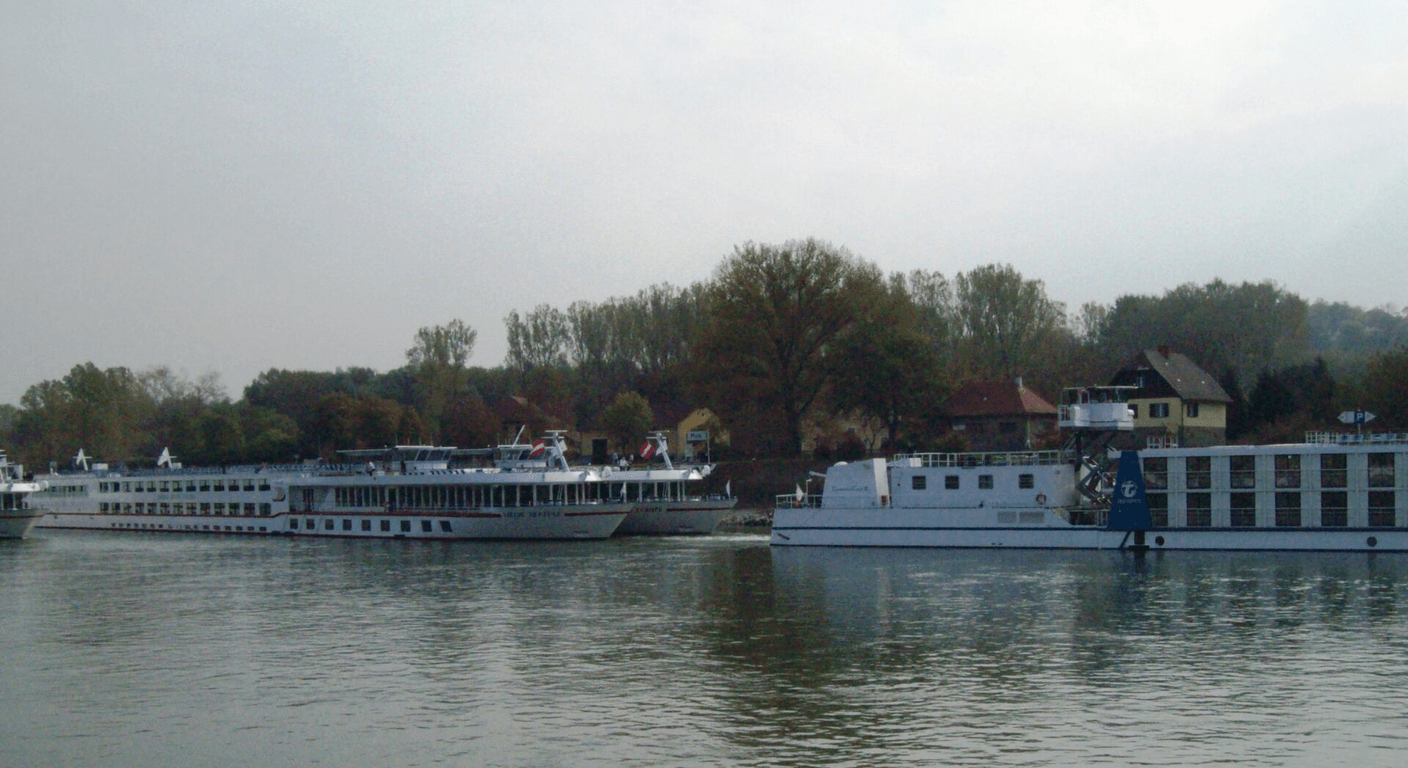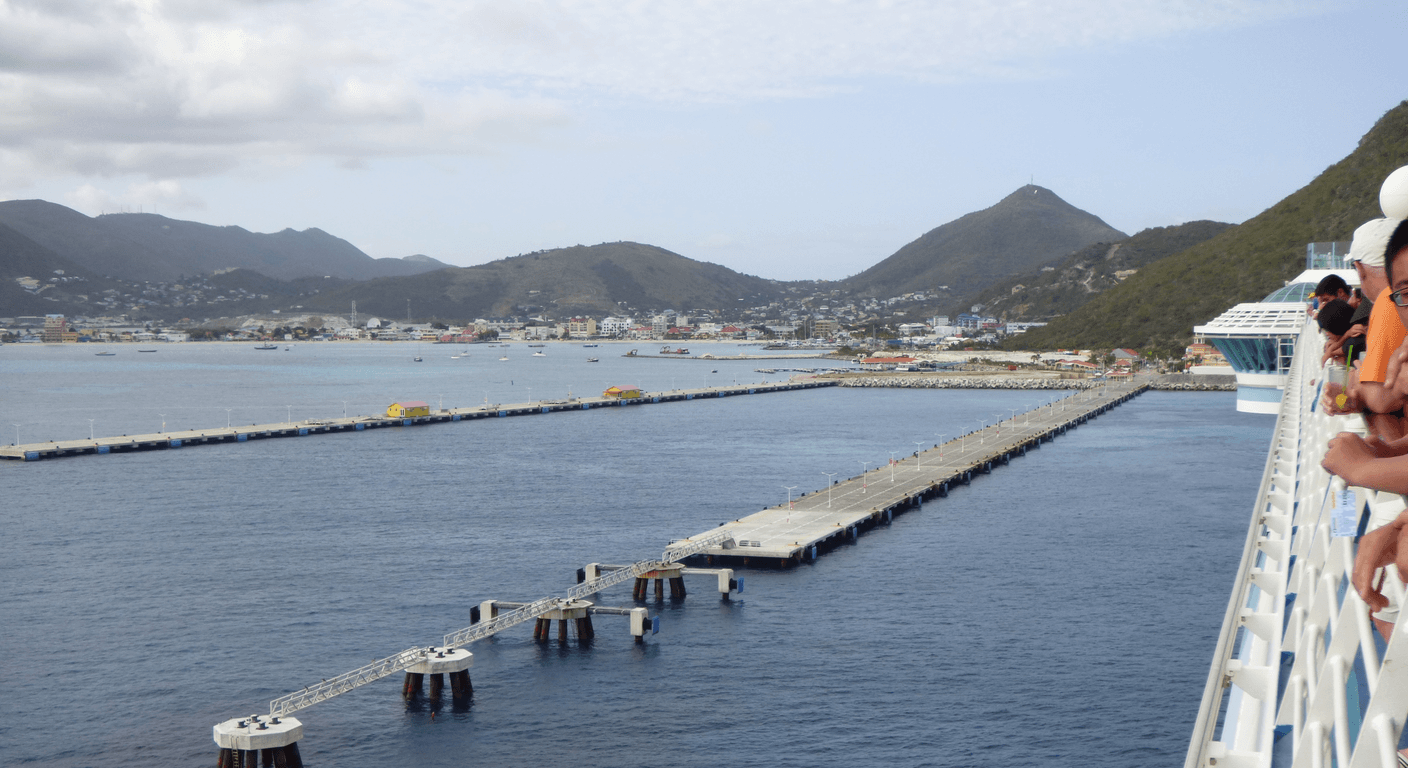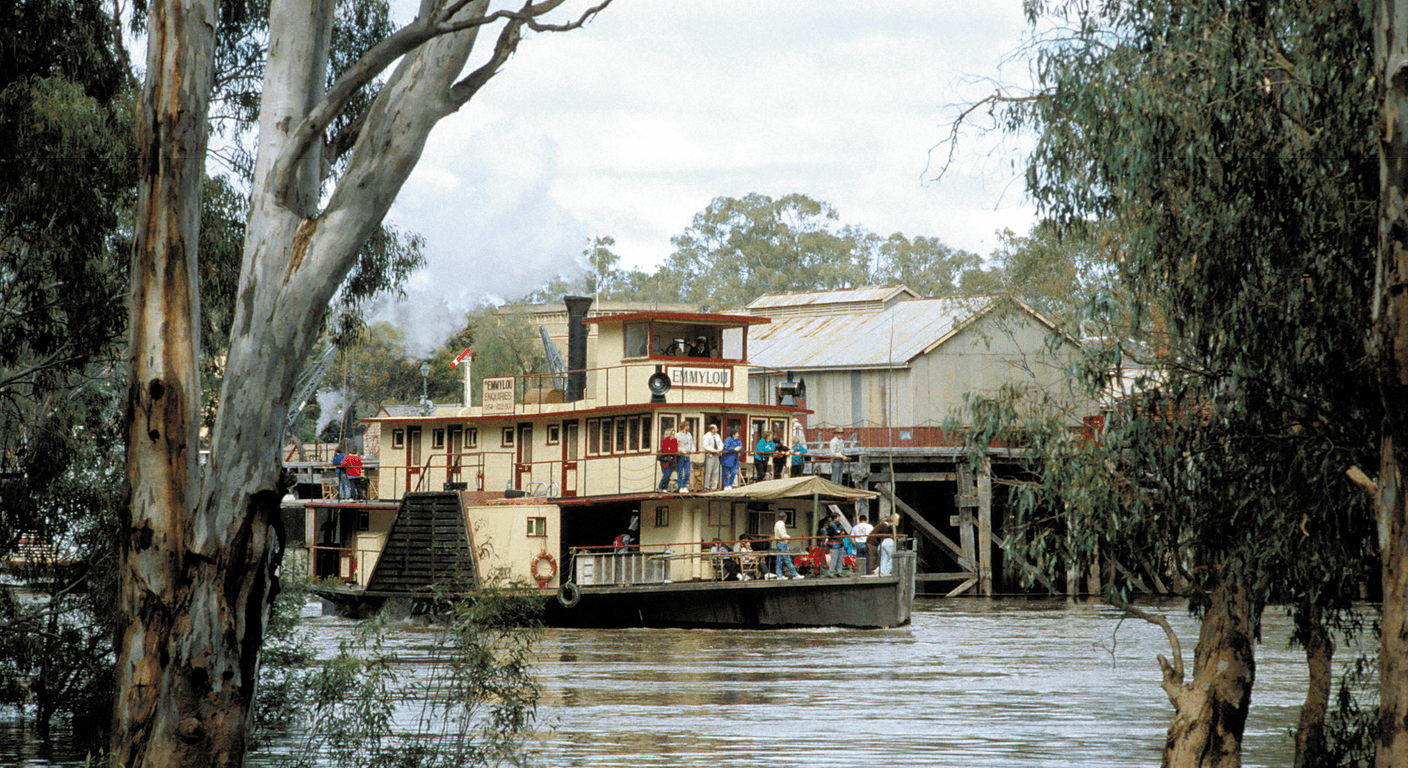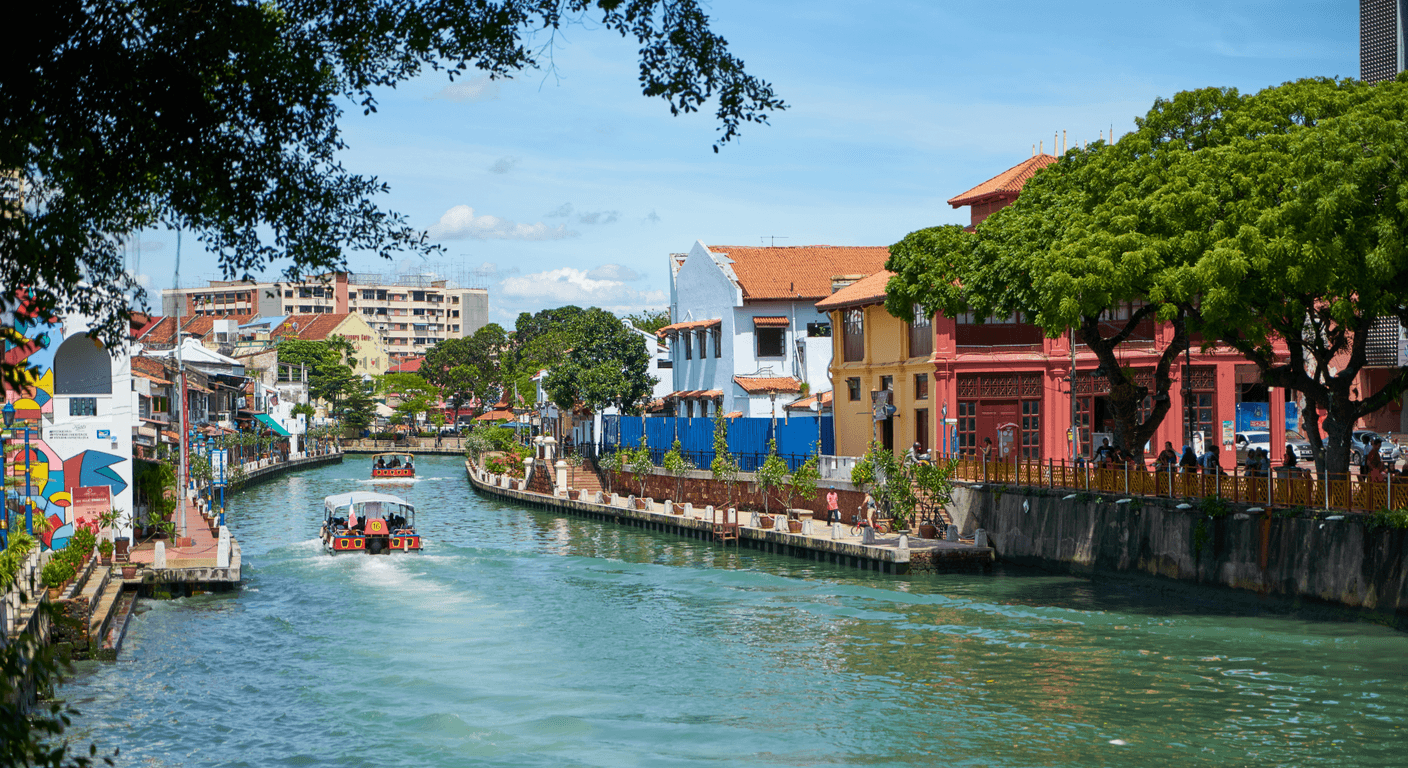
A typical European river cruise shore day runs from around 7:30 am breakfast through to a 5:00–6:00 pm all-aboard. Expect 45–90 minutes of coach transfer, a two-to-three-hour guided walking tour (with significant standing time), an included lunch, and one optional afternoon excursion. Mobility rating: Moderate, with cobblestones and uneven surfaces common. Skipping portions is normal and accepted. Best months for European river cruising are April–June and September–October.
Why nobody tells you this before you board
The brochure says 'Explore the medieval walled city of Ávila' or 'Morning in Regensburg with time at leisure.' What it doesn't say is that the coach parks twelve minutes' walk from the old town gate, that the walking tour involves forty minutes of standing in a square while the guide explains the cathedral's fourteenth-century restoration, or that the 'comfort break' is a single-cubicle toilet in a petrol station at 9:15 am. None of that is a complaint — it's just the information you actually need to plan your day.
The single most-shared posts in Australian over-50 cruise communities are the ones where someone writes up their shore day hour by hour, the morning after. Not the photos. The times. 'We left the ship at 8:45, the coach took an hour, we were on our feet for nearly three hours before lunch.' That detail is worth more than any brochure paragraph. This guide tries to be that post, scaled up and made useful before you sail.
The morning: from wake-up to the coach door
Breakfast service on most river ships opens around 6:30 am and closes between 9:00 and 9:30 am — but if your shore excursion departs at 8:30, the useful breakfast window is 6:30 to 8:00. That's tighter than it sounds when you factor in a shower, dressing layers for unpredictable European weather, sunscreen, medication, and finding where you left the comfortable walking shoes. Set the alarm for 6:00 am on a shore day. Breakfast at 6:45. Done by 7:30. That's the rhythm that works.
The programme manager or cruise director will brief the shore excursion the previous evening — usually at 6:30 or 7:00 pm in the lounge. Go to this. It's where you'll hear the actual departure time (not the brochure time), the coach number if there are multiple groups, whether the afternoon optional is still operating, and what the weather is doing. It's also where you find out that yes, the porcelain factory visit is optional and yes, you can stay on the coach or meet the group at the restaurant instead. Most people don't know they can do that until someone asks.
Coaches generally depart from the dock between 8:30 and 9:00 am. On busy itineraries with multiple ships in port, 8:30 is common. You'll be asked to collect a coloured lanyard or sticker identifying your group. The gangway walk to the coach is usually two to eight minutes depending on where the ship has berthed — sometimes you're right at a city wharf, sometimes you're moored outside town and connecting via a shuttle or a short walk along an industrial dock road. Ask the night before.
The shape of the day, hour by hour
The following times are indicative ranges drawn from the common pattern across Rhine, Danube, Douro and Rhône itineraries. Your cruise director's briefing the night before is the authoritative source — these are the skeleton, not the contract. 6:00–6:30 am — Wake up. Allow more time than you think. 6:30–8:00 am — Breakfast service open; eat by 7:30 on departure days. 8:00–8:30 am — Collect excursion lanyard/sticker from the programme desk; confirm coach number. 8:30–9:00 am — Coach departs. Boarding is usually ten minutes before departure time. The coach will not wait more than five minutes past scheduled departure. 9:15–9:30 am — First comfort break if transfer is over 60 minutes. Typically a roadside stop or petrol station. One or two cubicles. Queue forms fast. Budget five to eight minutes, not two. 9:45–10:30 am — Arrival at the destination town or city. The coach parks at the nearest accessible point — this can be 5 to 20 minutes' walk from the old town centre, depending on pedestrian zones and road access. The guide will walk the group in together. 10:00–12:00 pm — The guided walking tour. Standard duration is 90 minutes to two hours. Of that, roughly 40–50 minutes is actual walking; the rest is standing in squares, doorways, and in front of monuments while the guide speaks. Bring a light packable stool or know where the benches are — central European squares almost always have them around the perimeter. Church interiors are usually the coolest and most seat-friendly stops on a hot day. 12:00–1:30 pm — Included lunch. Usually at a local restaurant booked for the group, with a set two-course menu and house wine or water included. The quality varies considerably; the best are genuinely good regional meals, the worst are tourist-set menus that would embarrass a motorway service station. Dietary requirements flagged at booking are usually honoured, but confirm with the programme desk the day before. 1:30–2:00 pm — Free time in town. This is the window most people use best or waste entirely. More on this below. 2:00–3:30 pm — Optional afternoon excursion (if taken). Common examples: a wine estate visit, a castle tour, a boat ride on a tributary, a cooking demonstration. These are booked and paid separately — typically AUD $60–$120 per person. They're optional. Genuinely. 3:30–4:00 pm — Coach returns to the ship. All-aboard time is usually 5:00–5:30 pm, but the coach schedule dictates when you actually leave town. If you stay independently, you need to know the all-aboard time and how you're getting back. 5:00–5:30 pm — All-aboard. This is real. The ship sails to its next port on a fixed schedule tied to river locks and permits. It does not wait. There are documented cases of passengers left behind — it's rare but not mythological. If you're going independently into town, photograph the ship's name, the dock address, and the all-aboard time before you leave.
The gap between scheduled time and useful time is worth naming explicitly. A 90-minute 'free time' block that starts at 1:45 pm and ends with a 3:15 pm coach departure is really about 75 minutes once you account for the walk back to the coach park, finding a toilet that isn't a queue, and the ten-minute buffer any sensible traveller builds in. Plan for 60 minutes of genuine freedom in that window, not 90.
Toilets: the honest answer is that they're unevenly distributed and often behind a pay barrier (€0.50–€1.00 is standard in German and Austrian towns — carry coins). The best free public toilets in European old towns are typically inside large churches, inside covered market halls, and in the foyer of mid-range hotels if you walk in with purpose. The worst strategy is waiting until you desperately need one and then looking. The best strategy is using every facility you pass, even if you don't urgently need to.
The cobblestone reality — and what to do about it
European old towns are old. The cobblestones aren't decorative — they're the original road surface, worn smooth by centuries of foot traffic into exactly the surface that causes ankle rolls and knee pain on a downhill slope. This is not a minor point. It's the single most common physical complaint in post-trip reviews from Australian river cruise passengers over 60, and it's almost never mentioned in pre-trip materials.
The practical response: proper walking shoes with a firm sole and ankle support, not fashion runners and certainly not sandals. Trekking poles are more useful in a medieval town than on a hiking trail, and on a river cruise nobody cares if you use them. The worst surfaces are typically the approach to a hilltop old town (Dürnstein on the Danube is a famous example — beautiful, steep, and relentless on bad knees), wet cobblestones after rain, and any square that's been 'restored' with polished stone. Ask the cruise director the night before which towns have the most challenging terrain.
Several river cruise operators now offer what they call 'gentle walkers' or 'easy pace' versions of the standard tour — same destination, shorter walking distance, more time in one spot, coach for sections the main group walks. These are worth asking about at booking, not just on the day. Some operators charge the same price; a few charge slightly less. If this option exists on your itinerary and you haven't been told about it, ask.
What you can skip — and why skipping is smart, not lazy
The porcelain factory. The third church. The amber jewellery shop (which is often not optional in the way it's presented — the coach simply stops there, and passengers are expected to browse for 25 minutes while the guide waits). The olive oil tasting that runs 20 minutes over time and eats into your free afternoon. These are standard parts of many shore excursions, and they are genuinely skippable — but you need to know that before you're standing inside them wondering if you're allowed to leave.
The etiquette is simple: tell your guide at the start of the tour which sections you plan to sit out, and confirm where the group will be at a set time so you can rejoin. Most guides are entirely comfortable with this. The ones who aren't are the minority, and a polite 'I'll meet you at the restaurant at noon' is not a social transgression. You have paid for the day. You get to decide how to spend it.
What to do instead: a coffee in the main square is the obvious answer, and the right one — it's genuinely one of the better ways to spend 40 minutes in a European town, watching the place function while the tour group files through the factory. The river path or the town ramparts (where they exist and are accessible) often offer a quieter version of the same scenery the walking tour delivers. And going back to the ship early is always an option — the ship is open, the bar is open, and a quiet hour on the sun deck while the town is still in view is not a bad afternoon at all.
Solo traveller's perspective and couple's perspective
A solo traveller's perspective: the group structure of a shore excursion is one of its genuine advantages for solo travellers — you're automatically in company, there's no navigation anxiety, and the included lunch means you're not eating alone at a restaurant table for one. The cost, though, is real. Single supplements on European river cruises remain steep — often 50–100% of the per-person twin-share fare, depending on the operator and the cabin category. Some lines offer a limited number of solo cabins at a reduced supplement (around 25–35%), and a few run occasional solo-departure sailings with no supplement at all. Ask specifically before you book, not after. Operators that make this information hard to find are telling you something.
A couple's perspective: the shore day suits couples well because you can split the optional afternoon without drama — one person does the wine estate, the other goes back to the ship — and reunite for dinner. The included lunch is a comfortable shared moment in the middle of a day that can otherwise feel relentlessly scheduled. The main friction point is pace: if one person walks faster or tires sooner, the walking tour portion can create tension. The 'gentle walkers' option mentioned above is worth considering as a couple even if only one of you would strictly need it — it tends to be a more enjoyable tour for both.
The all-aboard: how strictly is it enforced?
Very. This is not a scare tactic — it's the operating reality of river cruising. Unlike an ocean cruise ship anchored offshore with tenders running until departure, a river ship is tied to a dock on a fixed schedule built around river lock bookings and downstream port commitments. The captain has no discretion to wait an extra thirty minutes for a couple who lost track of time at a wine bar. The all-aboard time printed on your daily programme is the time the gangway comes up.
What happens if you miss it: the cruise line will typically direct you to the next port by taxi or train at your own expense — costs can run to AUD $200–$600 depending on the distance and the country, and your travel insurance may or may not cover it depending on the circumstances and your policy. This is exactly the scenario where travel insurance with a clear 'missed departure' clause matters. Check your policy before you sail, not when you're standing on the dock watching the ship pull away.
The practical rule: set the all-aboard time as an alarm on your phone, subtract twenty minutes, and treat that as your real deadline. If you're going independently into town rather than on the organised coach, photograph the ship name, the dock street address or pier number, and the all-aboard time before you walk off the gangway. A screenshot works. A written note works. Relying on memory after two glasses of local Riesling does not.
Quick planning guide
| Ideal pace | One major shore stop per day; build in one full ship day per week |
|---|---|
| Best months | April to June and September to October — cooler, less crowded |
| Suggested stay | 7–14 nights river cruise |
| Mobility level | Moderate — cobblestones, steps, uneven old-town surfaces throughout |
| Cost level | Shore excursions typically AUD $80–$180 per person per day, on top of cruise fare |
| Comfort level | High aboard ship, variable on land |
| Best for | Couples and solo travellers who want structure without a rigid schedule |
| Main planning consideration | Comfortable walking shoes and a clear sense of which parts of the day you actually want to do |
Key takeaways
- The useful breakfast window on a shore day is 6:30–8:00 am — the service window is longer, but the coach won't wait.
- Of a 90-minute walking tour, roughly 40–50 minutes is actual walking; the rest is standing while the guide speaks.
- The gap between 'free time' and genuinely usable time is typically 15–20 minutes smaller than the schedule suggests — plan accordingly.
- Cobblestones are the most common physical complaint from Australian river cruise passengers over 60, and almost no pre-trip material mentions them.
- Skipping the porcelain factory, the third church or the shopping stop is a legitimate choice — tell your guide at the start and confirm a rejoining point.
- The all-aboard time is real: the ship will sail without you, and getting to the next port independently can cost AUD $200–$600 out of pocket.
Recommended partners and links
Indicative prices only — always confirm with the operator before booking.
Frequently asked questions
How early do you need to be up on a river cruise shore excursion day?
On most European river cruises, shore excursion coaches depart between 8:30 and 9:00 am, and breakfast service opens around 6:30 am. A 6:00 am wake-up gives you enough time to eat, prepare and collect your excursion lanyard without rushing. Confirm your specific departure time at the cruise director's briefing the evening before.
How far do you actually walk on a river cruise shore excursion?
A standard guided walking tour in a European river cruise port covers roughly 2–4 kilometres over 90 minutes to two hours, but much of that time is standing still while the guide speaks. The coach often parks 5–20 minutes' walk from the old town centre, adding to the total. Cobblestone surfaces are common and can be tiring on joints — ask about 'gentle walkers' pace options when booking.
Can you skip parts of a river cruise shore excursion?
Yes, and it's more common than most passengers realise. Factory visits, additional churches and shopping stops are routinely skipped by passengers who tell their guide at the start of the tour and confirm where to rejoin the group. Staying in the main square for a coffee or returning to the ship early are both accepted alternatives. You're not obliged to complete every stop on the itinerary.
What happens if you miss the all-aboard time on a river cruise?
The ship sails without you. River cruise ships operate on fixed lock and port schedules and cannot wait. If you miss all-aboard, the cruise line will direct you to the next port at your own expense — costs typically range from AUD $200 to $600 depending on distance and country. Check that your travel insurance policy includes a 'missed departure' clause before you sail.
Do European river cruise operators charge a single supplement for solo travellers?
Most do, and it's typically 50–100% of the per-person twin-share fare. Some lines offer a limited number of solo cabins at a reduced supplement of around 25–35%, and a few operate occasional solo-departure sailings with no supplement. Ask specifically about solo pricing before booking — operators that make this information difficult to find tend to offer the least favourable terms for solo travellers.