Multi-day Murray River cruises run two to seven nights, with four to five nights the most popular length, ideally taken March–May or September–November to avoid summer heat. The three main operators cruise different stretches: Murray Princess (Journey Beyond) embarks at Mannum and Proud Mary at Murray Bridge, both about an hour from Adelaide and five to six hours from Melbourne, while Murray River Paddlesteamers runs a shorter Victorian stretch from Echuca — just three hours from Melbourne, no flight needed. Mobility is rated Easy overall, though shore excursions can involve uneven terrain.
Why the Murray River is worth more than a day trip
There's a version of Murray River cruising that most Victorians know: the hour-long paddlesteamer putter at Echuca, a nice enough way to spend a Sunday. Then there's the version that actually gets under your skin — two, four, or seven nights aboard a vessel that moves slowly enough for the river to reveal itself. Red gum forests at dusk. Pelicans riding the current alongside the bow. A morning where the only agenda is tea on deck and deciding which book to open.
Multi-day Murray cruises operate on a fundamentally different rhythm from ocean or even European river cruising. The distances are long, the river is wide and quiet, and the towns along the way — Mannum, Swan Reach, Waikerie, Mildura — are unhurried places that reward a slow look. For travellers over 50 who've done the Mediterranean or the Danube and want something closer to home that asks less of the body, this is a genuinely good answer.
The river itself stretches roughly 2,500 kilometres from the Snowy Mountains to the Southern Ocean. The cruising section most operators use runs through South Australia and into the Murray-Darling Basin — flat, navigable, and strikingly beautiful in a way that takes a day or so to appreciate. It's not the Blue Mountains. It doesn't announce itself. Give it time, and it delivers.
Which operators run multi-night Murray River cruises?
The market is smaller than you might expect, which is part of why comparing operators carefully matters. Three names come up consistently for genuine overnight cruising: Murray Princess (owned and operated by Journey Beyond, which acquired the vessel from Kelsian Group's SeaLink and Captain Cook Cruises portfolio in February 2026), Proud Mary Cruises, and Murray River Paddlesteamers, which offers luxury small-ship itineraries at the premium end. It's worth knowing upfront that Murray River Paddlesteamers actually cruises a different, more northerly stretch of the river than the other two — more on that below.
Murray Princess is the largest vessel on the river — a purpose-built paddlesteamer replica that carries around 120 passengers. It's homeported at Mannum in South Australia and runs itineraries from three to seven nights. It's the closest thing to a small ocean ship experience: multiple dining areas, a licensed bar, live entertainment, and a full program of shore excursions. The scale means more activity and more social opportunity, which suits some travellers well.
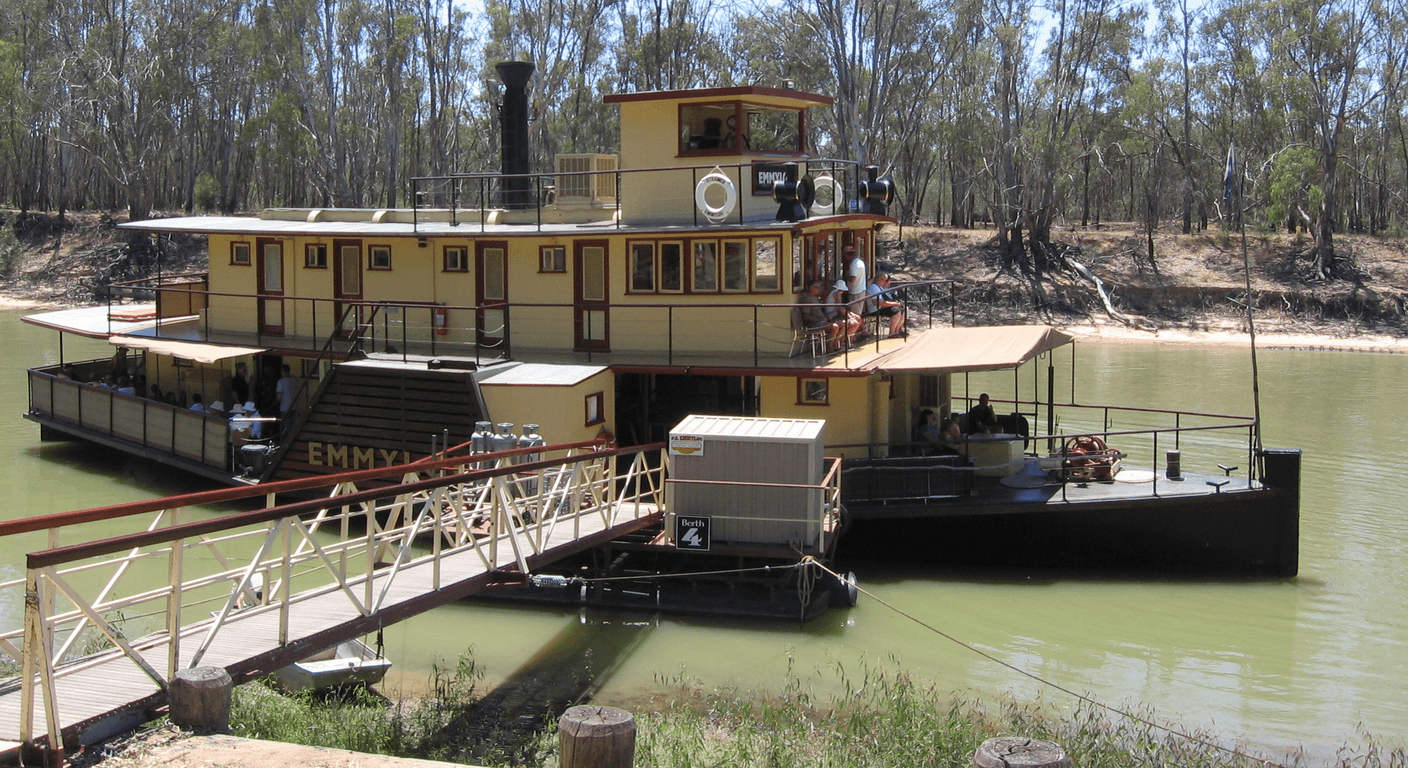
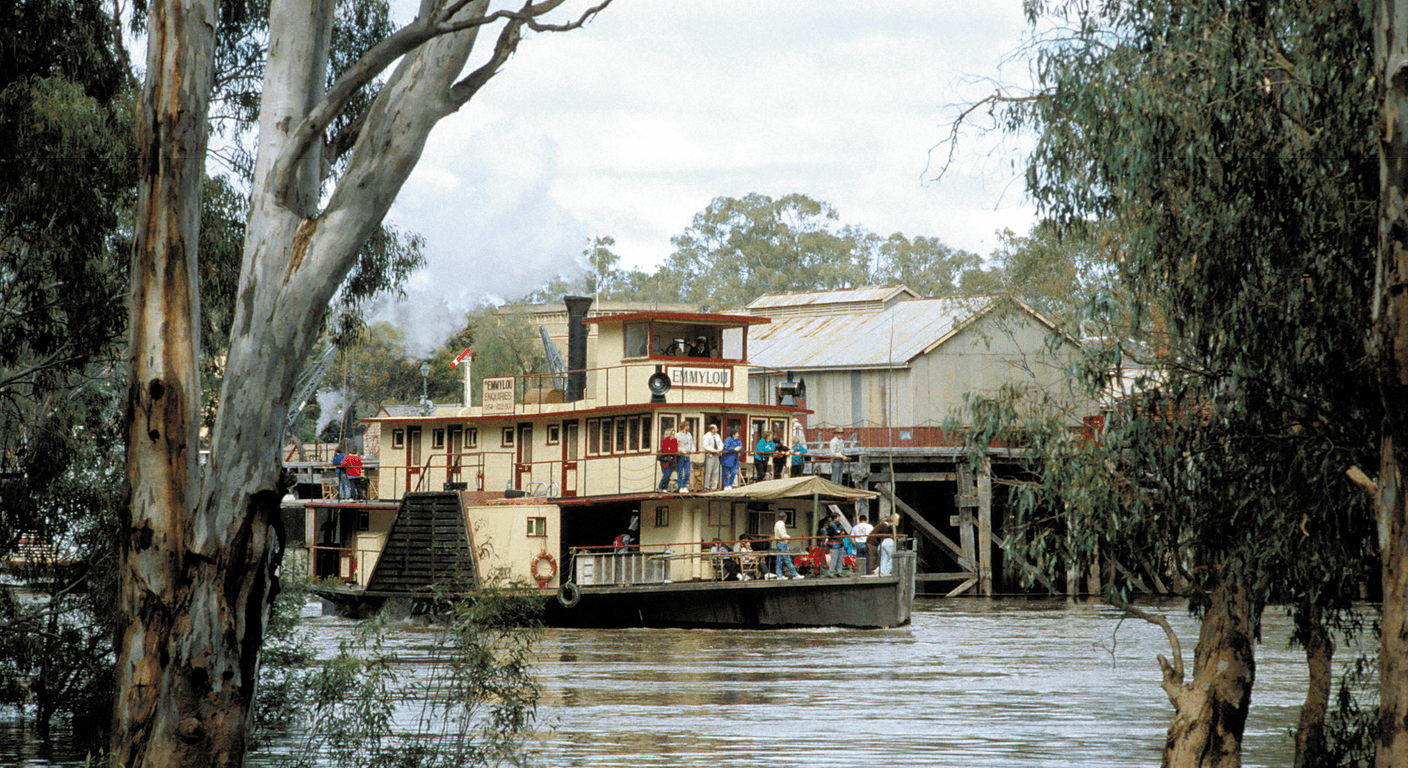
Proud Mary is smaller and more intimate — a flat-bottomed river boat carrying around 50 passengers, embarking from Murray Bridge. The pace is even gentler, the crew-to-passenger ratio higher, and the atmosphere closer to a house party on water than a cruise ship. Murray River Paddlesteamers sits at the other end of the pricing spectrum: this Echuca-based operator (running since 1996) cruises a different and much shorter stretch of river than the South Australian operators, out of the Port of Echuca in Victoria. Its fleet includes the historic PS Canberra and PS Emmylou plus the new luxury flagship PS Australian Star — a 40-guest, wood-fired vessel launching in early 2026 — with highly curated inclusions and a strong focus on guided nature and cultural content. For a Melbourne-based traveller, this Echuca departure is also considerably closer to home than Mannum or Murray Bridge. All three are worth looking at directly, because itinerary lengths, departure dates, and what's included in the fare shift regularly.
How do cabin styles and ship sizes compare?
Cabins on Murray River vessels are not ocean-ship suites. They're compact, functional, and generally well-designed for the purpose — with the river view doing most of the heavy lifting. On Murray Princess, cabins range from interior twin-share options to river-view staterooms with picture windows. On Proud Mary, the cabins are snug but the vessel's intimacy means you're rarely confined to the room — the deck is always close. PS Australian Star, where available for Murray itineraries, tends to offer the most polished fit-out among the three.
The relevant comparison for travellers over 50 is less about square metres and more about what the cabin allows you to do comfortably. Can two people move around without choreography? Is there a window or a French balcony? How is the bathroom configured — specifically, is there a step into the shower? These are the questions worth asking the operator directly before booking, and most will answer them honestly if you ask specifically.
Ship size also affects how the vessel handles the river. Smaller boats like Proud Mary can navigate shallower reaches and moor closer to small riverside towns. Larger vessels like Murray Princess offer more onboard amenity but fewer spontaneous stops. Neither is better — they're different experiences, and the right choice depends on whether you want more to do onboard or more time ashore in quiet river towns.
What does a typical itinerary look like — and how long should you go?
Most operators offer itinerary lengths from two nights up to seven, with four or five nights the most popular choice among repeat travellers. A typical four-night departure from Murray Bridge, for example, might head upstream through the Riverland, stopping at Waikerie or Renmark, before returning downstream. Shore excursions usually include guided walks, visits to historic homesteads or working farms, and wildlife-focused outings in the river red gum country.
The pace is genuinely slow — and that's the point. There are no port-intensive days, no 6am tender calls, no rushing to be somewhere by a deadline. Mornings usually involve a leisurely breakfast while the vessel is underway, followed by a mid-morning shore stop. Afternoons are free. Dinners are typically set-menu affairs with a regional focus, and evenings involve whatever the onboard entertainment program offers — often a guest speaker on local history or ecology rather than a floor show.
For first-timers, four nights is probably the right call. Long enough to genuinely settle in; short enough that you don't exhaust the river's immediate novelty. Travellers who've done it before often extend to seven nights, particularly those who find the unhurried rhythm genuinely restorative after busier forms of travel.
How does Murray River cruising compare with ocean cruising for older travellers?
The comparison comes up often, and it's a fair one to make. Murray River cruising is quieter, slower, and considerably less infrastructure-intensive than an ocean voyage. There are no sea days in the open-water sense, no motion sickness risk, no formal dress codes, and no long walks between your cabin and anywhere useful. The scale is human. The river is always visible. You are never far from land.
That said, it's not without its own physical considerations. Shore excursions often involve uneven riverbank terrain — gravel tracks, grass, the occasional short climb to a lookout. Most operators will tell you which excursions are suitable for guests with limited mobility, but it's worth confirming this before departure rather than discovering it on the day. Gangway access at mooring points can also vary depending on water levels, which the river manages on its own schedule.
The social dynamic is also different. On a vessel carrying 50 to 120 passengers rather than 3,000, you will encounter the same people at every meal. For couples and solo travellers who like genuine conversation with fellow passengers, this is one of the format's genuine strengths. For those who prefer anonymity, it's worth knowing before you board.
What should you compare carefully before booking?
The headline fare is rarely the whole story. Some operators include all meals, shore excursions, and non-alcoholic beverages in the base price; others charge for excursions separately or include only some meals. Gratuities — sometimes called service charges — may or may not be included. On a four-night cruise, these differences can add up to several hundred dollars per person. Reading the inclusions list carefully, or calling the operator to ask directly, is not excessive caution — it's just sensible travel planning.
Departure points also vary, and this matters for travellers driving from Melbourne or flying into Adelaide. Murray Princess embarks at Mannum, about an hour from Adelaide. Proud Mary embarks at Murray Bridge, also about an hour from Adelaide. Both are roughly five to six hours' drive from Melbourne. Murray River Paddlesteamers is the outlier here in a good way for Victorians — its PS Australian Star departs from Echuca, which is only around three hours from Melbourne, no Adelaide flight needed. Some operators offer coach transfers from Adelaide airport as an optional extra, which is worth asking about if you're going the Murray Princess or Proud Mary route.
Finally, compare current itinerary calendars directly with each operator. Departure dates, itinerary routes, and availability change seasonally, and the picture on any third-party booking site may not be fully current. The operator's own website or phone line is the most reliable source. Travel agents who specialise in river cruising — there are several in Melbourne with genuine Murray River knowledge — can also do the comparison work for you, which has real value when the details are this variable.
Getting there: access from Melbourne and Adelaide
For Victorian travellers heading to Mannum (Murray Princess) or Murray Bridge (Proud Mary), the most practical access is by car. The drive from Melbourne takes around five to six hours — manageable in a day, though a stopover in Ballarat or Horsham makes it more pleasant. Adelaide is the natural fly-in city for both, with Mannum and Murray Bridge each around 60–80 kilometres from the CBD via the South Eastern Freeway. If you'd rather not drive, some operators offer coach transfers from Adelaide, and it's worth asking whether these are included or optional.
If you're going with Murray River Paddlesteamers instead, the logistics are considerably simpler for a Melbourne-based traveller: Echuca is about a three-hour drive up the Northern Highway, or a V/Line coach and train connection from Southern Cross Station. No flight, no overnight stop required.
Mildura, another Murray embarkation point used by some smaller day-cruise operators, is accessible from Melbourne by V/Line coach or train — roughly five to seven hours depending on the service. Check current V/Line schedules at vline.com.au before planning around a specific train time, as services to Mildura have historically been limited. Flying into Mildura Airport, with connections via Melbourne, is often the faster option.
Travellers with mobility considerations should flag these at the time of booking, not on departure day. River levels affect how vessels moor, which in turn affects gangway gradients. Operators are generally experienced at managing this, but they need to know in advance to arrange appropriate assistance. Travel insurance that covers pre-existing conditions is worth reviewing before you finalise any booking — the river is benign, but a health event far from a major hospital is always a practical consideration.
Quick planning guide
| Ideal pace | Slow and unhurried, with free afternoons and no rushed itinerary |
|---|---|
| Best months | March–May and September–November, avoiding summer heat |
| Suggested stay | 4–5 nights, with 4 nights recommended for first-timers |
| Mobility level | Easy overall, though shore excursions can involve uneven riverbank terrain |
| Cost level | Ranges from mid-range (Proud Mary, Murray Princess) to premium (Murray River Paddlesteamers's PS Australian Star) |
| Comfort level | Compact but functional cabins, some with river-view windows or French balconies |
| Best for | Travellers over 50 wanting a gentler, closer-to-home alternative to ocean or European river cruising |
| Main planning consideration | Compare operator inclusions (meals, excursions, gratuities) and confirm mobility needs before booking |
Key takeaways
- Multi-day Murray River cruises run two to seven nights, with four to five nights the most popular choice among travellers over 50.
- The three main operators — Murray Princess (now Journey Beyond), Proud Mary, and Murray River Paddlesteamers — differ significantly in vessel size, cabin style, inclusions, and price, and they even cruise different stretches of the river.
- Inclusions vary widely between operators: shore excursions, alcohol, and gratuities may or may not be in the base fare — always confirm directly.
- The best travel months are March to May and September to November, avoiding the extreme summer heat of December to February.
- Murray River cruising is rated Easy mobility overall, though shore excursions often involve uneven terrain — confirm specific excursion accessibility before departure.
- Murray Princess embarks at Mannum and Proud Mary at Murray Bridge, both about an hour from Adelaide and five to six hours' drive from Melbourne; Murray River Paddlesteamers departs from Echuca, Victoria — only about three hours from Melbourne and no Adelaide flight needed.
Recommended partners and links
Indicative prices only — always confirm with the operator before booking.
Frequently asked questions
How long are multi-day Murray River cruises?
Most operators offer itineraries ranging from two nights to seven nights. Four to five nights is the most commonly chosen length, giving enough time to settle into the river's pace without the journey feeling extended. Specific departure dates and durations vary by operator and season, so check current schedules directly with each cruise line.
Which Murray River cruise operators offer overnight cabins?
The main operators running multi-night Murray River cruises with overnight cabins are Murray Princess (now owned and operated by Journey Beyond, since a February 2026 acquisition), Proud Mary Cruises, and Murray River Paddlesteamers. Each offers a different vessel size, cabin standard, and price point — and Murray River Paddlesteamers actually cruises a different stretch of the river, from Echuca in Victoria rather than the South Australian Riverland. It's worth comparing their current itineraries and inclusions directly, as offerings change seasonally.
Is a Murray River cruise suitable for travellers with limited mobility?
For most travellers with limited mobility, a Murray River cruise is a good fit. Vessel decks are flat, there are no sea-swell concerns, and the pace is slow. However, shore excursions often involve uneven riverbank terrain, and gangway gradients can vary with river levels. Flag any mobility requirements with your operator at the time of booking so they can advise on suitable excursions and arrange assistance if needed.
What is the best time of year for a Murray River cruise?
March to May and September to November are the best months for a Murray River cruise. Spring and autumn bring mild temperatures, manageable water levels, and good wildlife activity along the river. December to February can be extremely hot in the South Australian Riverland — daytime temperatures above 40°C are not unusual — which makes shore excursions uncomfortable and limits time on deck.
How do I get to the Murray River cruise departure points from Melbourne?
Mannum (Murray Princess) and Murray Bridge (Proud Mary) are both roughly five to six hours' drive from Melbourne, or about 60–80 kilometres from Adelaide airport — driving is practical with an overnight stop, and some operators offer optional coach transfers from Adelaide. Murray River Paddlesteamers is the easier option for Victorians: it departs from Echuca, about three hours from Melbourne by car, coach or train, with no flight needed. If departing from Mildura for a smaller operator, V/Line coach and train services run from Melbourne, though the journey takes five to seven hours; flying into Mildura Airport via Melbourne is often quicker. Confirm all transport options and current schedules before booking.