The Royal Tasmanian Botanical Gardens, on Hobart's Queens Domain, are free to enter and suit a relaxed three-hour half-day visit. Spring (September–November) tulips and autumn (March–May) foliage are the standout seasons, alongside the world-first Subantarctic Plant House. Main paths are sealed and manageable for most visitors, including wheelchair users, especially via the flat main entrance. The site sits roughly two kilometres from central Hobart, reachable by a short taxi, local bus, or an easy uphill walk.
Why the Royal Tasmanian Botanical Gardens deserve more than a passing visit
Established in 1818, the Royal Tasmanian Botanical Gardens are among the oldest in Australia — and the only ones with a royal warrant. That history is worn lightly. There's no grandeur for its own sake here, just 13.5 hectares of thoughtfully organised landscape on the Queens Domain, with the Derwent River visible beyond the southern boundary and the kind of silence that Hobart does particularly well.
What sets this garden apart from its mainland counterparts isn't size or spectacle — it's specificity. The collection includes over 6,000 plant species, among them rare conifers, a Japanese garden, a fernery, a herb garden and a conservatory. But the Subantarctic Plant House is in a category entirely its own. No other botanical garden in the world has one. That alone makes the Gardens worth a dedicated visit rather than a casual detour.
For a solo traveller spending a few days in Hobart, the Gardens offer something that museums and galleries can't quite replicate: the pleasure of moving at your own pace through open space, with no crowd to navigate and no ticket queue to join. You set the rhythm here.
The Subantarctic Plant House: what makes it extraordinary
Step through the door of the Subantarctic Plant House and the temperature drops noticeably — it's kept cool and misted to mimic the conditions of Macquarie Island, the remote Australian territory that sits roughly halfway between Tasmania and Antarctica. The plants growing inside don't exist in any other controlled botanical environment on earth. That's not marketing language; it's a straightforward fact.
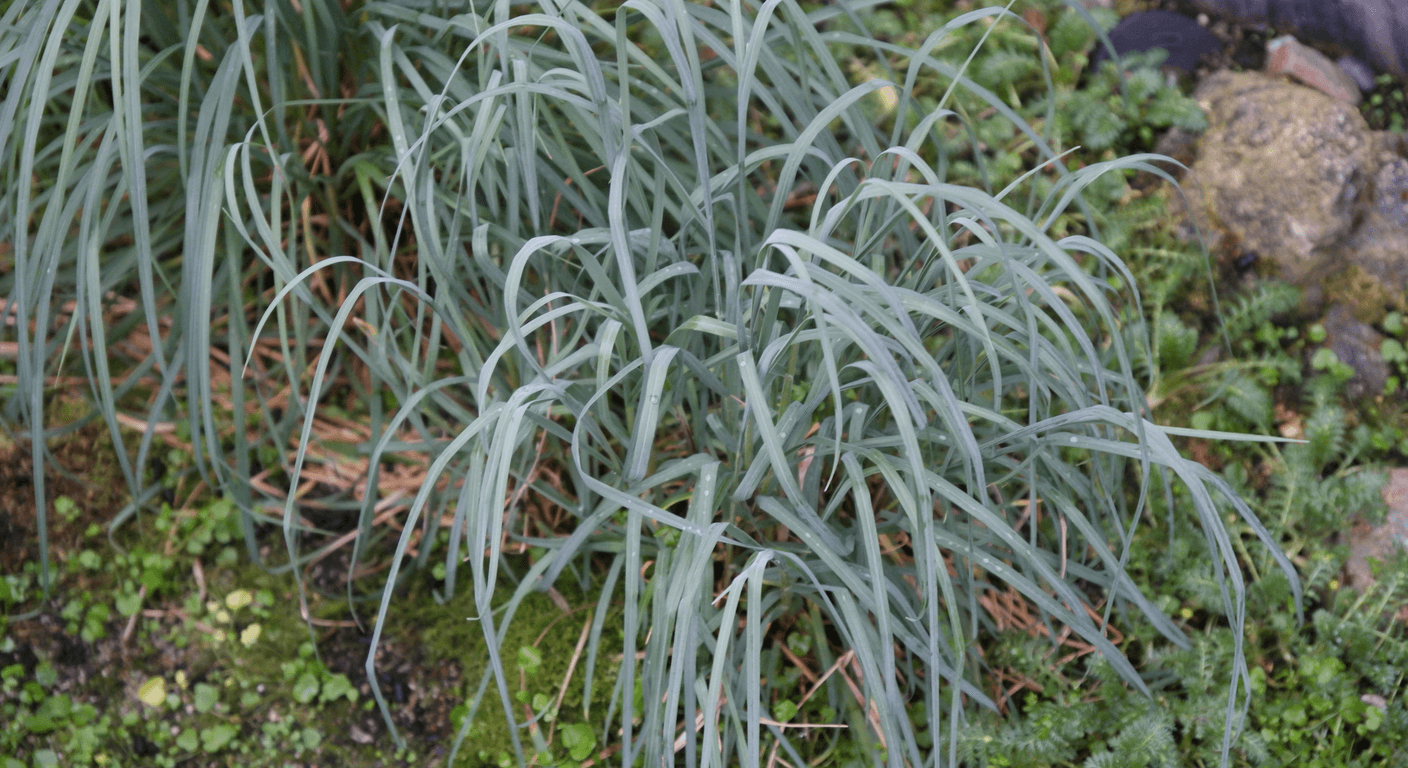
The flora here — cushion plants, megaherbs, tussock grasses — looks deceptively modest until you read the interpretive panels explaining what it takes to survive a subantarctic winter. The giant Macquarie Island cabbage, Stilbocarpa polaris, grows to nearly a metre and was historically eaten by shipwrecked sailors as a scurvy remedy. These are plants with stories. The recently refreshed signage makes those stories more accessible than they used to be.
The House is compact — you won't spend an hour in there — but it lingers in the mind. On a warm Hobart afternoon, the cool mist is also simply pleasant. Wear a light layer if you feel the cold.
When to go: the case for spring tulips and autumn colour
The Gardens are worth visiting in any season, but two periods stand out. Spring, from September through November, brings the tulip display — thousands of bulbs across the formal beds, planted in coordinated colour runs that reward a slow walk with a coffee from the kiosk. Hobart's spring can be brisk and changeable, so a packable layer is sensible even on a clear morning.
Autumn — March through May — is arguably the more atmospheric season. Tasmania's cool climate means the deciduous trees turn properly, with the kind of amber and copper tones that Victoria's warmer autumns sometimes fail to deliver. The light in April is particularly good: soft, low, and flattering to both foliage and photography. For travellers coming from Melbourne or Sydney, the colour can feel like a revelation.
Summer brings its own charms — long Hobart evenings and lush growth — and winter, while quieter, has a spare beauty that suits the Gardens' more contemplative corners. Whatever the season, confirm current opening hours with the Gardens directly before you go, as hours for facilities like the restaurant and conservatory can vary.
Getting there from central Hobart: your practical options
The Gardens sit on the Queens Domain, roughly two kilometres from Hobart's CBD — close enough to walk if you're comfortable with a gentle uphill approach, or a very easy taxi or rideshare ride of around five to ten minutes. A taxi from Salamanca Place or the waterfront will cost roughly $12–$18 one-way, indicative; confirm current rates with your driver or app.
Metro Tasmania operates bus services that stop near the Gardens' entrance on Lower Domain Road. The network is reliable and affordable — around $3–$4 per trip at the time of writing, though fares change, so check the Metro Tasmania website for current pricing and route information. The bus is a perfectly reasonable option if you're comfortable with Hobart's network; if not, the taxi ride is short and simple.
There's a car park on site for those who've hired a vehicle or are travelling with a companion who drives. Parking is free, which in central Hobart is its own modest pleasure. The main entrance on Lower Domain Road is the most accessible point for visitors with limited mobility.
Navigating the Gardens: what to know about paths and pace
The main paths through the Gardens are sealed, and the majority of the key features — the Subantarctic Plant House, the formal beds, the fernery, the conservatory and the restaurant — are connected by routes that are manageable for most visitors. That said, the site has natural topography: some sections slope gently, and the Queens Domain itself sits elevated above the river. Anyone who finds prolonged inclines uncomfortable should plan their route from the main entrance, where the terrain is flattest.
Wheelchair users and those with walking aids will find the main circuit accessible, though it's worth checking with the Gardens directly about any current path conditions or works. Seating is distributed throughout the grounds — there's no need to push through to the end before resting. The Gardens actively encourage a slow pace, and the layout supports it.
A practical note for solo travellers: the Gardens are well-populated during business hours, particularly on weekends, without ever feeling crowded. You'll encounter other visitors, occasional school groups, and the reassuring presence of Gardens staff. It's a comfortable environment for a woman travelling alone.
Lunch and a long coffee: dining options on site
The Botanical Restaurant sits within the Gardens and handles a slow lunch well — the kind of meal where you order, read, watch the garden beyond the windows, and don't feel hurried toward the door. The menu leans toward Tasmanian produce: expect seasonal vegetables, local cheeses, and seafood prepared without fuss. Mains run to roughly $25–$38, indicative, and the wine list is short but considered. Confirm current hours before planning your visit, as the restaurant's trading days can vary by season.
The kiosk near the main entrance is the quicker option — coffee, light snacks, and the sort of cake that makes a morning walk feel well-earned. For a solo traveller who prefers a lighter midday stop, the kiosk and a bench in the formal garden is an entirely satisfying alternative to a full restaurant sit-down.
If you're visiting during a peak tulip or autumn weekend, a table booking at the restaurant is a sensible precaution. It's a popular local destination, not just a tourist one — Hobart residents come here for Sunday lunch, which is generally a reliable indicator of quality.
Combining the Gardens with the rest of your Hobart day
The Queens Domain location means the Gardens pair naturally with a morning at the Tasmanian Museum and Art Gallery in the CBD, or an afternoon walk along the waterfront at Salamanca Place. If you're spending two or three days in Hobart — a sensible minimum — the Gardens work best as a mid-stay half-day rather than a first-morning rush.
For travellers flying from Melbourne, the flight to Hobart takes roughly an hour and a quarter — one of Australia's more manageable interstate hops. Jetstar, Qantas and Virgin all operate the route; confirm current schedules and fares directly with airlines. A two-night stay in Hobart gives you the Gardens, TMAG, Salamanca Market (Saturday mornings), and perhaps a day trip to the Huon Valley or Richmond without feeling overscheduled.
Solo female travellers will find Hobart a particularly easy city to navigate independently. It's compact, walkable in its central areas, and has a low-key sophistication that rewards curiosity. The Gardens are a fitting expression of that character: quietly excellent, unhurried, and free.
Quick planning guide
| Ideal pace | Slow-paced, self-directed half-day |
|---|---|
| Best months | September–November for tulips; March–May for autumn colour |
| Suggested stay | Around three hours, as part of a two-to-three-day Hobart visit |
| Mobility level | Easy — sealed main paths, gentle slopes, flattest access via the main Lower Domain Road entrance |
| Cost level | Free entry; budget-friendly extras (kiosk snacks, $3–$4 bus fares, $25–$38 restaurant mains) |
| Comfort level | Comfortable, with seating throughout and an unhurried on-site restaurant |
| Best for | Solo travellers, including solo women, wanting a quiet, low-effort cultural outing |
| Main planning consideration | Confirm current opening hours and restaurant trading days directly with the Gardens, as these vary seasonally |
Key takeaways
- The Royal Tasmanian Botanical Gardens are free to enter and located less than 10 minutes from central Hobart by taxi or rideshare.
- The Subantarctic Plant House is the only facility of its kind in the world, housing living flora from Macquarie Island in a chilled, misted environment.
- Spring (September–November) and autumn (March–May) are the standout seasons for colour and atmosphere.
- Main paths are sealed and most key features are accessible, though gentle slopes exist — the flattest entry is via the main Lower Domain Road entrance.
- The on-site Botanical Restaurant uses Tasmanian produce and suits a slow, unhurried lunch; the kiosk covers lighter stops.
- Confirm current opening hours and restaurant trading days directly with the Gardens before visiting, as seasonal hours apply.
Recommended partners and links
Indicative prices only — always confirm with the operator before booking.
Frequently asked questions
Is entry to the Royal Tasmanian Botanical Gardens really free?
Yes — entry to the Royal Tasmanian Botanical Gardens is free of charge, including access to the Subantarctic Plant House. The on-site restaurant and kiosk operate separately and charge for food and beverages.
How do I get to the Royal Tasmanian Botanical Gardens from Hobart's CBD?
The Gardens are roughly two kilometres from central Hobart. A taxi or rideshare takes around five to ten minutes and costs roughly $12–$18 one-way (indicative — confirm current fares). Metro Tasmania buses also serve the area; check metrotas.com.au for current routes and fares. There is free on-site parking for those with a vehicle.
Are the Royal Tasmanian Botanical Gardens accessible for visitors with limited mobility?
The main paths are sealed and the key features — including the Subantarctic Plant House, formal beds, fernery and restaurant — are connected by accessible routes. Some gentle slopes exist across the site. Wheelchair users and those with walking aids will find the main circuit manageable; contact the Gardens directly at rtbg.tas.gov.au to confirm current accessibility conditions before visiting.
What is the best time of year to visit the Royal Tasmanian Botanical Gardens?
Spring (September to November) is best for the tulip display, with thousands of bulbs in the formal beds. Autumn (March to May) delivers strong deciduous colour thanks to Tasmania's cool climate. Both seasons are popular with visitors; the Gardens are open and worth visiting year-round.
What is the Subantarctic Plant House and why is it significant?
The Subantarctic Plant House at the Royal Tasmanian Botanical Gardens is the only facility of its kind in the world. It replicates the cool, misted conditions of Macquarie Island — a remote Australian territory between Tasmania and Antarctica — and grows living specimens of subantarctic flora, including the giant Macquarie Island cabbage, that are not cultivated in any other botanical garden on earth.