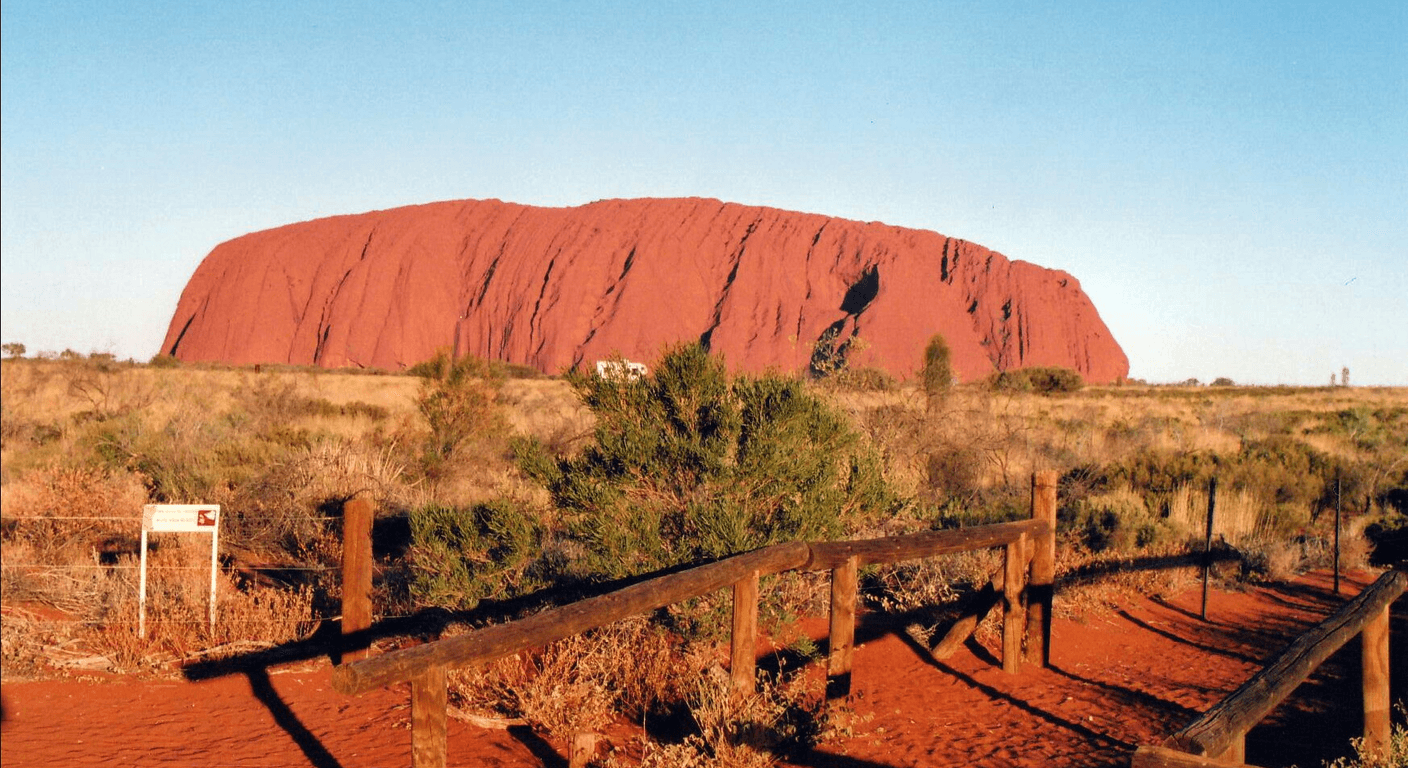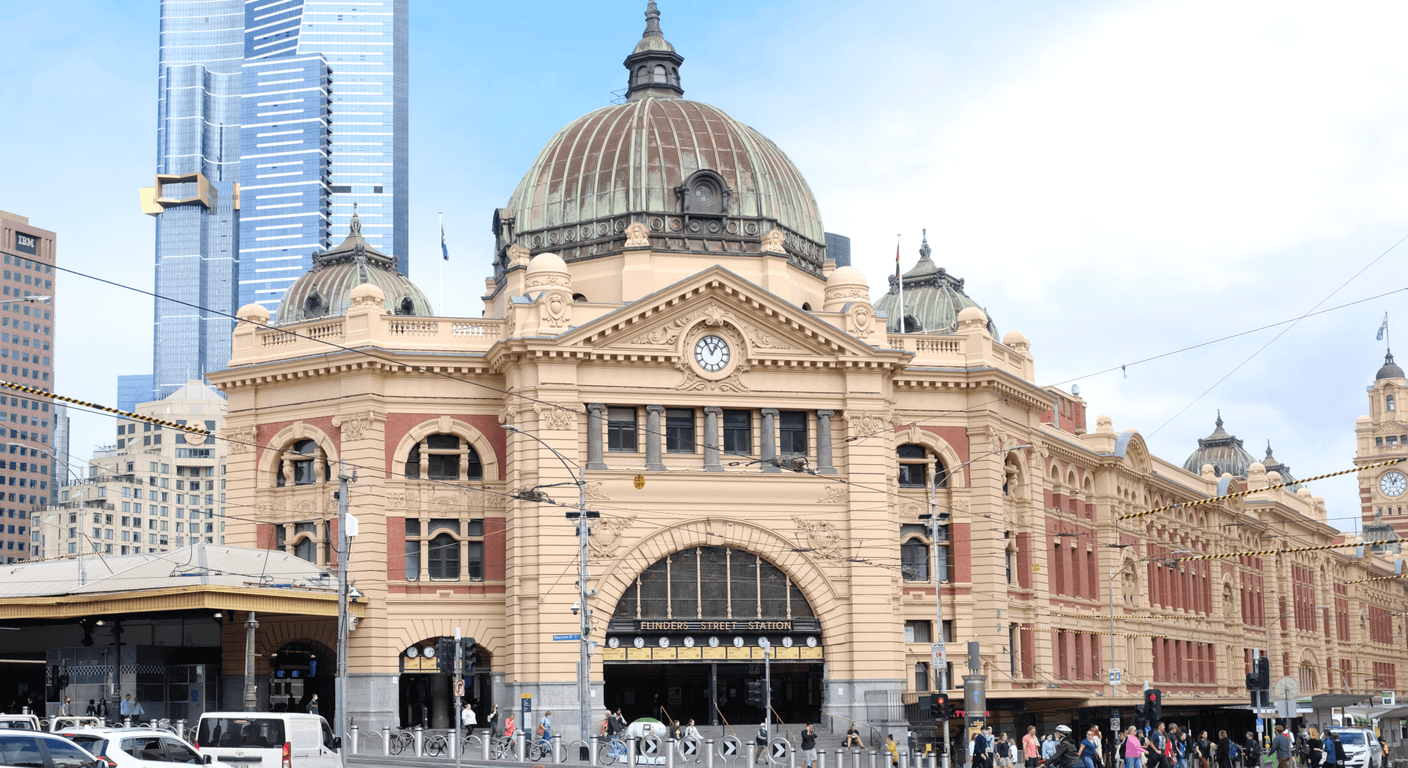
Australian senior travel packages span escorted coach tours, small-group trips, river and ocean cruises, rail journeys, fly-drive itineraries and solo-friendly resorts, with timing set by the chosen package. Stays run one to three weeks. The defining highlight is choice — matching pace and support to your needs. Mobility ranges from easy on cruises and coaches to moderate on self-drive or rail, and access means flights or hire cars, with single supplements adding 25–100% for solo travellers.
Why the type of package matters as much as the destination
It's easy to get caught up in where you're going and overlook how you're going. But the structure of a travel package shapes almost everything about your experience: how much walking you'll do in a day, whether you eat alone or with a group, how often you move between hotels, how much is decided for you, and how much the single supplement will add to your cost. For travellers in their 60s and 70s, these details matter more than they did at 40.
The good news is that the Australian travel market in 2026 has a genuine range of options for older travellers, including options designed specifically for people travelling alone. The challenge is that the marketing language — 'all-inclusive', 'escorted', 'small-group' — is used loosely and inconsistently across operators. Two tours with identical labels can deliver very different experiences. Reading the fine print and asking direct questions before you book is not optional; it's the whole job.
This guide works through each package type honestly, noting who it suits, what a realistic price band looks like in Australian dollars, and where the catch points tend to be. Think of it as a conversation with someone who has done the research so you don't have to start from scratch.
Escorted coach tours: the most structured option
An escorted coach tour puts you on a comfortable bus with a professional tour director who manages logistics, commentary, hotel check-ins, and group dynamics from start to finish. Typically you'll travel with 20 to 50 other passengers, follow a fixed itinerary, and have most (though rarely all) meals included. The pace is set by the group, which can be a strength or a limitation depending on your preferences.
For travellers who dislike navigating unfamiliar transport systems, who want the reassurance of someone else handling luggage transfers, or who simply don't want to be alone in an unfamiliar city every evening, escorted coaching is genuinely practical. It also tends to be the most accessible format for people with moderate mobility concerns, because reputable operators will specify walking distances and terrain in their itinerary notes if you ask. Always ask — don't assume.
Indicative pricing for Australian escorted coach tours runs from around AUD 3,000–6,000 for a 10–14 day domestic or New Zealand tour, rising to AUD 8,000–18,000 for European or North American itineraries of 2–3 weeks. Single supplements — the extra charge for occupying a room alone — are standard in this format and typically add 25–60% to the twin-share base price. Some operators offer a 'single guarantee' where they match you with another same-sex traveller to avoid the supplement, but availability is limited and not guaranteed. Confirm all of this directly with the operator before booking.
Small-group tours: more flexibility, more connection
Small-group tours typically travel with 8–20 people, use a mix of transport modes (minibus, train, ferry, local buses), and tend to attract a more independent-minded traveller who still wants some structure. The itinerary is usually set, but there's often free time built in, more varied accommodation styles, and a guide who functions more like a knowledgeable companion than a logistics manager.
For a solo traveller in her late 60s who is comfortable with some self-navigation but values having a framework for the trip, small-group tours can be an excellent balance. The smaller group size also makes it easier to form genuine connections with other travellers rather than being part of a crowd. Operators like Intrepid Travel and G Adventures have specifically marketed departures for over-50 travellers, with itineraries paced accordingly — though you should read the physical demands section carefully for each specific trip.
Pricing is broadly comparable to escorted coach tours for similar durations and destinations, running from around AUD 3,500–12,000 depending on the region and inclusions. Single supplements apply in most cases, though the supplement amount tends to be lower than on large coach tours. Some small-group operators have introduced single-supplement-free departures on specific dates — worth asking about, as these are not always prominently advertised.
River cruises and ocean cruises: what's actually included?
Cruising is enormously popular with Australian travellers over 60, and for good reason: once you board, your accommodation, most meals, and entertainment travel with you. For a solo traveller who doesn't want to repack a suitcase every two days, river cruising in particular offers a genuinely relaxed rhythm. European river cruises on the Rhine, Danube, or Douro typically run 7–14 nights and visit multiple countries without the effort of airport transfers between cities.
The 'all-inclusive' label on cruises deserves careful scrutiny. On most river cruises, the fare includes accommodation, main meals, some excursions, and often wine or beer with dinner. What it frequently excludes: flights to the embarkation port, travel insurance, gratuities (which can add AUD 15–25 per person per day — confirm with the operator), premium beverages, specialty dining, and optional excursions beyond the included program. Ocean cruises vary even more widely; some mass-market lines include very little beyond the cabin and basic buffet meals, while luxury lines include almost everything. Read the inclusions list, not just the headline.
Indicative river cruise pricing from Australian operators runs from roughly AUD 6,000–15,000 per person for a European itinerary including some flights, depending on cabin category and season. Ocean cruises range from around AUD 2,500 for a short domestic voyage to AUD 20,000+ for a world cruise segment. Single supplements on cruises are often the steepest of any package type — 50–100% is not unusual on popular itineraries. A small but growing number of operators offer dedicated solo cabins sized and priced for one person, eliminating the supplement entirely. Ask specifically for these when enquiring, as they book well in advance.
Rail journeys: one of the most comfortable ways to travel slowly
Long-distance rail travel suits travellers who value the view over speed and who find airports tiring or stressful. Domestically, Australia has iconic rail journeys — the Indian Pacific between Sydney and Perth, The Ghan from Adelaide to Darwin — that are effectively all-inclusive moving hotels, with meals, off-train excursions, and accommodation in the fare. Internationally, rail passes across Europe or Japan offer flexible point-to-point travel, though these require more self-navigation and pre-planning than a packaged tour.
Packages built around rail journeys typically include the train fare in a nominated class (usually first or business equivalent for senior-focused packages), selected hotel nights at either end, and sometimes transfers. They do not usually include all meals, sightseeing, or internal flights unless specified. For travellers with mobility considerations, rail travel is worth investigating carefully: platforms, boarding steps, and carriage layouts vary significantly between countries and train types. Great Southern Rail's Australian journeys, for example, are generally well set up for older travellers, while some European historic trains involve narrow corridors and steep steps.
Indicative pricing for The Ghan in Gold service (the mid-tier cabin class) runs from roughly AUD 2,500–3,500 per person for the Adelaide–Darwin journey; confirm current fares at journeybeyondrail.com.au. European rail packages assembled through a specialist like Rail Plus can range from around AUD 3,000–8,000 depending on the pass type, class of travel, and included hotel nights. Single travellers typically pay a cabin supplement on overnight trains, though the amount varies by operator and route.
Fly-drive and self-drive packages: for those who like their own timetable
A fly-drive package bundles return airfares with a hire car and sometimes pre-booked accommodation, leaving the day-to-day itinerary entirely in your hands. Self-drive packages without flights work the same way, often including a sequence of pre-booked properties along a route. These formats suit travellers who want genuine independence — who like to linger somewhere interesting, skip something that doesn't appeal, and eat when they're hungry rather than when the tour schedule says.
For a solo traveller comfortable behind the wheel and confident with GPS navigation, a self-drive through regional Victoria, Tasmania, or New Zealand can be one of the most rewarding and cost-effective ways to travel. The practical considerations are real, though: driving on the left is not an issue domestically but requires adjustment in some international destinations; fatigue on long driving days is more significant in your 60s than it was at 40; and travelling alone means no one to share the navigation or help if something goes wrong with the vehicle. Roadside assistance cover and a good travel insurance policy with medical evacuation are not optional for this format.
Indicative pricing varies enormously depending on destination, vehicle class, and accommodation standard. A two-week self-drive in Tasmania with pre-booked mid-range accommodation might run roughly AUD 4,000–7,000 all up for a solo traveller, while a New Zealand fly-drive of similar length could be AUD 5,000–9,000. Domestic car hire for a solo traveller doesn't carry a single supplement in the traditional sense, but solo travellers do pay the full vehicle cost rather than splitting it — factor that into your budget. Always confirm current hire car, accommodation, and fuel costs before committing.
Solo-friendly departures and all-inclusive resorts: what to look for
The term 'solo-friendly' is used with varying degrees of seriousness by different operators. At its best, it means a tour or cruise specifically structured to welcome single travellers: no single supplement or a reduced one, solo cabin options, social programming that makes it easy to meet other travellers, and a guide or host who actively facilitates introductions. At its worst, it's a marketing label applied to a standard group departure where single travellers simply pay less in supplement than usual. Ask the operator directly: what percentage of passengers on this departure typically travel solo? Is there a dedicated social event for solo travellers? Is the single supplement waived or reduced?
All-inclusive resort stays — where accommodation, meals, drinks, and activities are bundled into one price — have genuine appeal for travellers who want to arrive somewhere, decompress, and not think about money for a week. They work particularly well for a short break rather than a long trip, and they suit travellers who want a predictable budget. The honest caveat is that 'all-inclusive' at a resort rarely covers everything: premium spirits, spa treatments, motorised water sports, off-resort excursions, and sometimes even certain restaurants within the resort are extra. Read the inclusions schedule before you book, not after you arrive.
For solo female travellers specifically, the social structure of a group tour — escorted, small-group, or cruise — provides both safety and company in a way that a solo resort stay doesn't always replicate. Many women travelling alone in their 60s report that the friendships formed on group departures are one of the best parts of the trip. If that appeals to you, prioritise tours where the group size and demographic feel right, rather than simply choosing on price.
Quick planning guide
| Ideal pace | Ranges from slow-paced escorted or cruise formats to self-directed fly-drive travel |
|---|---|
| Best months | No single season noted — timing depends on the destination within each package type |
| Suggested stay | Typically one to three weeks, depending on format |
| Mobility level | Easy on coach tours and cruises; moderate on self-drive and some rail journeys |
| Cost level | Wide range, roughly AUD 2,500–20,000+ depending on package and destination |
| Comfort level | High on escorted and cruise packages; more self-managed on fly-drive and rail |
| Best for | Older travellers, including solo travellers, weighing structured versus independent travel styles |
| Main planning consideration | Confirm exact inclusions and single supplement or waiver policy before booking |
Key takeaways
- Single supplements — the extra charge for solo room occupancy — are standard across almost all package types and typically add 25–100% to the twin-share base price; always ask about waived or reduced supplement options.
- The 'all-inclusive' label means different things on different products — always request a written inclusions list and check what's excluded before you book.
- Escorted coach tours suit travellers who want maximum logistics support; small-group tours suit those who want structure with more flexibility and a more personal group dynamic.
- River cruising is one of the most practical formats for older solo travellers: accommodation, most meals, and transport move with you, and you unpack once.
- Self-drive packages offer genuine independence but require honest self-assessment of driving confidence, fatigue tolerance, and comfort with solo problem-solving on the road.
- A growing number of operators now offer solo-specific cabins, single-supplement-free departures, and over-50 itineraries — ask for these directly, as they are not always prominently listed.
Recommended partners and links
Indicative prices only — always confirm with the operator before booking.
Frequently asked questions
What is the best type of travel package for someone taking their first solo trip overseas?
For a first solo international trip, an escorted coach tour or a small-group tour is generally the most practical starting point. Both formats handle the logistics that tend to unsettle first-time solo travellers — transfers, hotel check-ins, navigating unfamiliar transport — while providing built-in company each day. A small-group tour of 10–16 people often strikes a good balance between support and freedom. Choose a destination and operator with a strong reputation for over-60 travellers, confirm that the pace suits your fitness level, and ask directly about the single supplement and social structure for solo passengers.
Which package type is most cost-effective for a solo traveller?
The single supplement is the biggest cost factor for solo travellers across all package types. Self-drive packages avoid the supplement entirely (you pay the full vehicle cost, but there's no room supplement), making them cost-effective if you're comfortable driving. Some small-group operators offer single-supplement-free dates on specific departures, which can make group travel competitive in price. River cruises and ocean cruises tend to carry the steepest single supplements, though dedicated solo cabins — where they exist — eliminate this cost. Compare the total price for one person, not the twin-share headline price, when evaluating any package.
What does 'all-inclusive' actually cover on a cruise or resort package?
On most cruises, 'all-inclusive' typically covers your cabin, main meals in the buffet or dining room, standard (non-premium) beverages, and onboard entertainment. It usually excludes flights to the port, travel insurance, gratuities, premium drinks, specialty restaurants, spa services, and many shore excursions. On all-inclusive resorts, the inclusions are similarly variable — some cover all food, drinks, and non-motorised activities; others exclude certain restaurants, premium spirits, and any excursions off the property. Always request the written inclusions and exclusions list from the operator before booking.
How do I assess whether a tour's pace is right for my mobility?
Ask the operator for the physical demands rating of the specific itinerary — reputable operators document daily walking distances, terrain types (cobblestones, hills, stairs), and the amount of time spent on buses or boats. Request this in writing, not just a verbal reassurance. Look for terms like 'easy', 'moderate', or 'active' and ask what those specifically mean for that tour. If you use a walking aid or have joint concerns, ask directly whether the tour can accommodate your needs and whether accessible rooms are available at all properties on the route. Don't rely on general marketing language.
Are there travel packages specifically designed for Australian women travelling solo?
Yes, though the market is still growing. Several Australian and international operators offer small-group departures with a significant solo female demographic, and some specifically market women-only tours. Operators worth researching include Intrepid Travel and APT, both of which have solo-traveller programs and over-50 itineraries. When assessing any 'solo-friendly' product, ask what percentage of passengers on that departure typically travel alone, whether there is a dedicated social program for solo travellers, and whether the single supplement is reduced or waived. These questions will quickly reveal how serious the operator is about solo travellers versus how much it's a marketing label.
- Visit Victoria – Travel inspiration and planning
- APT (Australian Pacific Touring) – Tour and cruise packages
- Scenic Luxury Cruises & Tours – River and ocean cruise packages
- Intrepid Travel – Small-group and over-50 departures
- Rail Plus – International rail passes and packages
- Journey Beyond Rail (The Ghan, Indian Pacific, Great Southern) – Iconic Australian rail journeys
- Tourism Australia – International travel inspiration for Australians