For Australians over 50 choosing between New Zealand and India, New Zealand suits a relaxed 10–14 day trip with easy logistics, no visa stress, and gentle pacing — mobility rating Moderate, best visited September to April. India rewards a longer 18–24 day commitment with profound cultural depth, but demands more planning around health, heat and pace — mobility rating Active, best October to March. Both are reachable from Sydney, Melbourne or Brisbane in under 4 hours (NZ) or around 11–13 hours (India, often via a hub).
Two trips, two entirely different asks
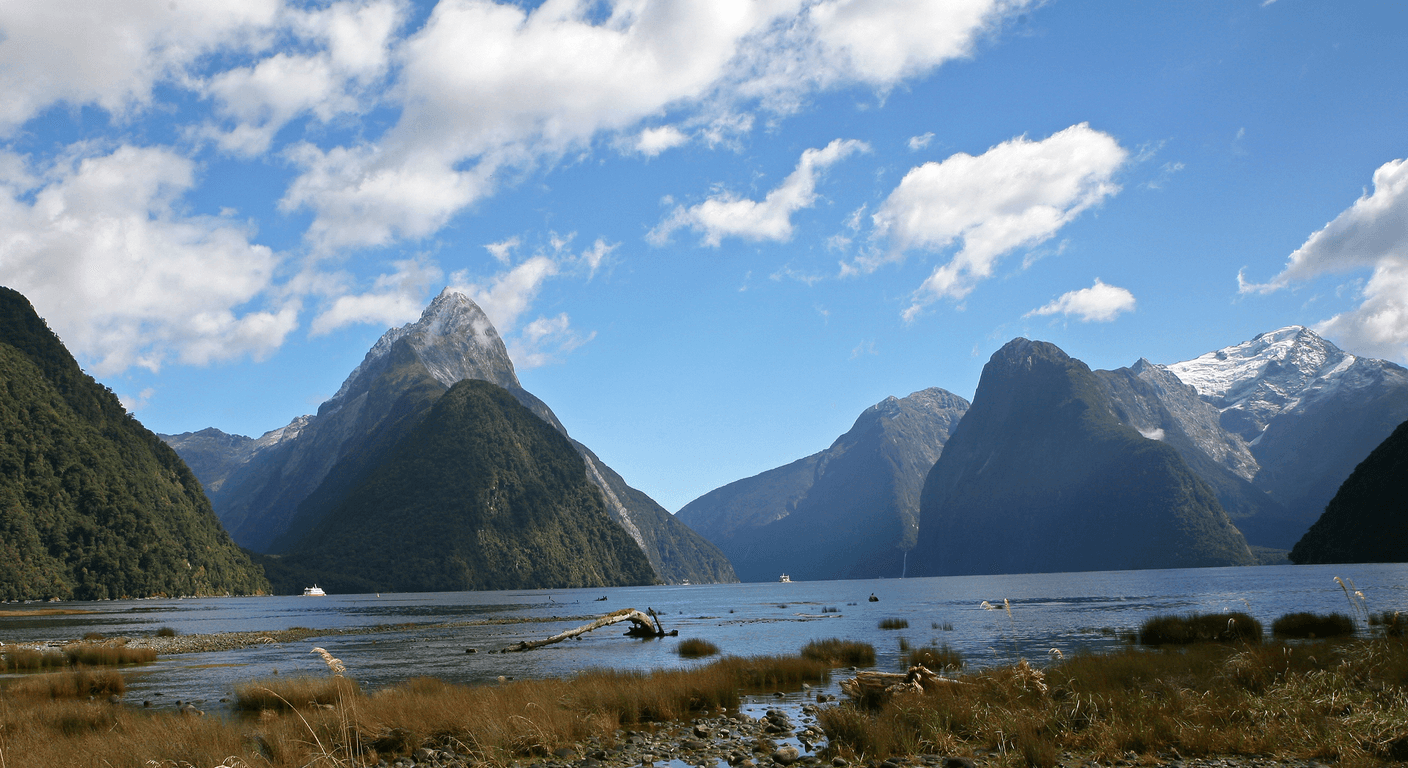
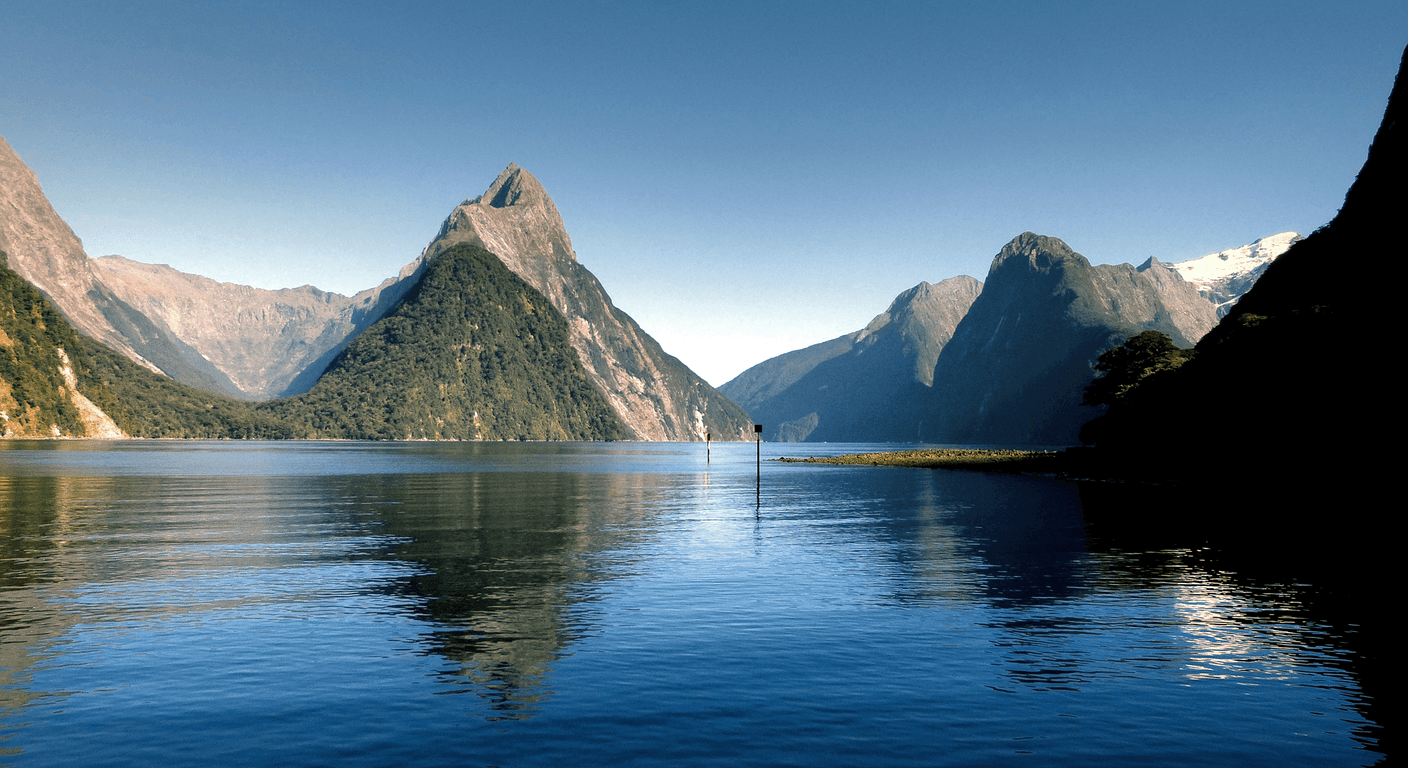
New Zealand is the trip you take when you want to exhale. The distances are short, the infrastructure is reliable, English is the language on every sign, and the scenery — fiords, volcanic plateaux, vineyard valleys — does the heavy lifting. You clear customs at Auckland, collect your bag, and you're essentially functioning within 40 minutes of landing. That ease is not a small thing after 50.
India is something else entirely. It asks more of you — more energy, more flexibility, more willingness to sit with discomfort when the plan shifts — and it gives back in proportion. For an Indian Australian traveller, particularly one who grew up between two cultures, returning to the subcontinent as a senior is not tourism in the conventional sense. It's closer to reckoning: with family memory, with change, with the parts of a culture that have stayed exactly as you remember and the parts that haven't.
Neither destination is wrong. The question is what you actually need from the next two or three weeks of your life, and whether your body and your travel companion (or your solo disposition) are ready for what each destination honestly demands.
Getting there: flight time, stopovers and the day-one reality
From Melbourne or Sydney, Auckland is roughly three hours. Christchurch is about three and a half. You leave after breakfast and you're there by early afternoon, local time, with no meaningful jet lag and no stopover. That's a significant logistical gift. The time zone difference from AEST is just two hours in summer (three in winter when daylight saving diverges), so your body clock barely notices. For travellers managing medication schedules, this simplicity matters.
India is a different proposition. Delhi sits around 11 to 12 hours from Melbourne direct (Air India's expanded service is worth checking), but many fares still route through Singapore, Kuala Lumpur or Doha, turning it into a 16–20 hour journey with a layover. Mumbai is broadly similar. From Perth, direct options can tighten this, so Perth-based travellers should price both routing options. Jet lag is real — plan a full recovery night in your first city before you do anything cultural. Book a decent hotel for night one, not a guesthouse. That single investment sets the tone for the whole trip.
Neither destination currently requires a visa for Australian passport holders in the conventional sense for New Zealand (visa-free, confirm at smartraveller.gov.au before travel), while India requires an e-Tourist Visa which you apply for online before departure — confirm current requirements, processing times and any health declarations at smartraveller.gov.au well ahead of booking. Requirements change; never rely on what was true two years ago.
Pacing the days: what each destination actually feels like on the ground
A well-designed New Zealand itinerary for over-50 travellers tends to move at a pace that feels like a long weekend stretched pleasantly across a fortnight. Two nights in Queenstown, two in Te Anau for Milford Sound, up through the Mackenzie Basin to Aoraki, across to Christchurch or Nelson. Coach or small-group van. Stops are frequent, terrain is mostly accessible, and the operators who cater to mature travellers build in afternoon rest time as a matter of course. Cobblestones exist in Queenstown's centre and in some Wellington laneways — wear proper footwear — but nothing like the stone-paved old cities of Europe or Asia.
India's pacing is a more active negotiation. Even on a premium small-group tour of the Golden Triangle — Delhi, Agra, Jaipur — the days are long, the sites are often crowded, and the walking surfaces at places like the Agra Fort or Fatehpur Sikri are genuinely uneven. A good operator will offer a vehicle and driver throughout, limiting the walking to the sites themselves, but you'll still be on your feet for two to three hours at a stretch in places. Midday heat from February onwards can be punishing in Rajasthan; October to December is the sweet spot. For travellers with knee replacements, hip concerns or balance issues, the answer isn't to avoid India — it's to choose an operator who explicitly accommodates this and to carry a quality walking pole without embarrassment.
The shape of a typical India tour day: breakfast at the hotel by 7:00, departure by 8:00 before the heat builds, arrival at the first site by 9:00 or 9:30, guided walk of roughly 90 minutes with a rest point and toilet access at the site (confirm this with your operator — some smaller sites have limited facilities), return to the vehicle, late morning drive, lunch at a restaurant the operator has vetted for hygiene by around 12:30, a long midday break (often back at the hotel) from around 1:30 to 4:00, a late afternoon activity or bazaar visit from around 4:30, dinner at 7:30. That midday break is not optional — it's the mechanism that makes the itinerary survivable. If your tour doesn't build it in, that's a red flag worth raising before you book.
Health, food and the things nobody mentions until you're already there
New Zealand's health infrastructure is excellent and broadly familiar. Food is safe, water is drinkable from the tap, and a GP clinic or urgent care centre is never far away. Travel insurance with pre-existing condition cover is still essential — a cardiac event in Queenstown is expensive regardless of the quality of the care — but the health planning burden is low.
India requires a proper pre-trip conversation with your GP, ideally six to eight weeks before departure. Vaccinations to discuss include hepatitis A and B, typhoid, tetanus and, depending on your itinerary, rabies prophylaxis if you're visiting rural areas or wildlife reserves. Malaria prophylaxis depends entirely on your specific route — the tourist circuits of Rajasthan and the major cities carry lower risk than Kerala's backwaters or the northeastern states, but confirm this with your GP rather than a travel forum. The short version: get the medical appointment in the diary the week you book the flights.
Food in India is one of the great pleasures of the trip, and for an Indian Australian traveller who grew up eating this food, there's a particular joy in eating dal makhani in Delhi or a thali in Jodhpur that tastes nothing like the restaurant version back in Melbourne. Eat at your hotel's restaurant or at operator-vetted restaurants for the first few days while your gut adjusts. Bottled water only, even for teeth brushing. Carry oral rehydration sachets. None of this is alarming — it's just the honest checklist. Most travellers on a well-run tour get through India without incident if they follow the basics.
What does it actually cost? Real AUD figures
New Zealand on a quality small-group tour — think 12-day itinerary, twin-share accommodation in three- to four-star properties, most meals and all transfers included — runs roughly AUD $6,000 to $9,000 per person including return economy flights from Melbourne or Sydney. Self-driving with campervan hire is cheaper (campervans from around AUD $150–$250 per day depending on size and season) but demands more physical flexibility and is best suited to travellers who are genuinely comfortable with unfamiliar roads and variable weather. Accommodation on your own runs around AUD $180–$350 per night for a decent motel or hotel double. Meals out are broadly comparable to Australian prices — a pub dinner for two with wine is around NZD $90–$120, which converts at roughly AUD $85–$110 at mid-2026 rates.
India's cost varies dramatically by accommodation tier. A premium small-group tour using heritage hotels and palace properties — the kind that puts you in a Rajasthani haveli rather than a business hotel — runs roughly AUD $9,000–$13,000 per person including flights from Melbourne. A mid-tier operator using solid three-star hotels runs AUD $5,500–$8,000. Budget travellers can do India for far less, but self-managed budget travel in India is genuinely demanding and not the right call for most over-50 travellers on a first or returning visit. The peace of mind that comes with a vetted operator, a driver you trust, and a local guide who knows which toilet is usable is worth the premium.
A note on card surcharges: both destinations charge fees on international credit cards that can sting. In New Zealand, some operators and accommodation providers add 1.5–2.5% on foreign cards. In India, carry a reasonable amount of local currency (INR) for temples, tips, auto-rickshaws and market purchases — ATMs in major cities are reliable but not always accessible at the moment you need them. Tell your bank before you travel. And yes, the 3% international transaction fee your Australian bank quietly adds to every purchase is outrageous — consider a Wise or similar card for the trip.
Solo travellers: the single supplement reality
New Zealand is genuinely solo-friendly. Self-drive itineraries obviously carry no single supplement. On small-group tours, the supplement varies by operator but typically runs 25–40% on top of the per-person twin-share price — roughly an additional AUD $1,200–$2,500 for a 12-day tour. Intrepid and several other operators offer a share-match option, pairing solo travellers of the same gender in twin rooms; if no match is found, some operators waive the supplement. Ask directly before booking.
India solo supplements are a more significant issue. On premium tours using palace hotels, the single supplement can be substantial — sometimes 50–60% of the twin-share price, adding AUD $2,500–$4,500 to an already significant spend. Operators who penalise solo mature travellers this heavily deserve to be called out, and you should absolutely ask whether there's a solo-departure option (some operators run dedicated solo tours to India with no supplement) or a room-share arrangement. Cox & Kings and Intrepid both offer solo-friendly India options; confirm the supplement policy in writing before you pay a deposit.
For a solo Indian Australian woman returning to India, there's an additional consideration that goes beyond the financial. Solo female travel in India is manageable and rewarding on a reputable guided tour — you have a guide, a driver and a group around you. Self-managed solo travel in India as a senior woman requires more planning, particularly around accommodation in smaller cities and transport between them. It's not a reason to avoid the trip; it's a reason to choose your operator carefully and to book transfers rather than negotiating them on arrival.
Which trip is right for you?
If you want to feel restored — physically lighter, visually nourished, with long dinners and unrushed mornings — New Zealand is the answer. It's the trip you take when you need to remember what rest feels like. The scenery is genuinely moving without demanding anything of you in return. A couple who haven't had a proper holiday since the kids left home will find New Zealand an almost embarrassingly easy way to reconnect.
If you want to feel something more complicated — if you want a trip that stays with you, that changes how you think about a place or a culture or your own history — India is the answer. For an Indian Australian traveller, the pull of the subcontinent is often not about sightseeing at all. It's about eating food that tastes like your mother's kitchen, hearing a language your grandchildren don't speak, and standing in a temple you last visited as a child. That kind of travel doesn't have a price. It also doesn't have a substitute.
The most honest answer is that these two trips aren't really competing. They're serving different needs. If you can only take one trip this year, let the state of your body, your budget and your emotional reserves guide you. New Zealand forgives a tired traveller. India rewards a ready one. And if you're the kind of person who's been putting India off for a decade because it seems like too much — this might be the year to stop putting it off.
Quick planning guide
| Ideal pace | New Zealand: leisurely, 1–2 nights per stop. India: structured small-group, 2–3 nights per city to allow recovery |
|---|---|
| Best months | New Zealand: September–April. India: October–March (avoid the pre-monsoon heat of April–June and peak monsoon July–September) |
| Suggested stay | New Zealand: 10–14 days. India: 18–24 days minimum for a meaningful circuit |
| Mobility level | New Zealand: Easy to Moderate. India: Moderate to Active — uneven surfaces, steps, crowd navigation |
| Cost level | New Zealand: around AUD $6,000–$10,000 per person for a quality small-group tour including flights. India: around AUD $5,500–$11,000 per person depending on accommodation tier and tour length |
| Comfort level | New Zealand: high, familiar infrastructure. India: variable — premium tours manage comfort well, but self-managed travel is demanding |
| Best for | Couples or solo travellers over 50 weighing relaxation and scenery against immersive cultural engagement |
| Main planning consideration | India requires more pre-trip health preparation (vaccinations, water, medical kit) and more lead time for logistics. New Zealand requires almost none. Both require travel insurance with pre-existing condition cover — confirm before booking. |
Key takeaways
- New Zealand is a 3-hour flight from Melbourne or Sydney with no jet lag, no visa and no meaningful health preparation — it's the lowest-barrier international trip an Australian over 50 can take.
- India requires an e-Tourist Visa (apply online before travel), a GP visit six to eight weeks out, and a minimum of 18 days to do it properly — but the cultural payoff is proportional to the effort.
- On a quality small-group New Zealand tour, budget roughly AUD $6,000–$9,000 per person including flights; India on a similar basis runs AUD $5,500–$13,000 depending on accommodation tier.
- Single supplements on India tours can reach 50–60% of the twin-share price — always ask for a share-match option or a dedicated solo departure before accepting the penalty.
- The ideal India travel window is October to March; avoid April to June in Rajasthan and the north, when heat becomes a genuine health concern for older travellers.
- A good India tour operator builds a 1:30–4:00 midday break into every day — if yours doesn't, negotiate it before you depart or find a different operator.
Recommended partners and links
Indicative prices only — always confirm with the operator before booking.
Frequently asked questions
Do Australians need a visa for New Zealand or India?
Australian passport holders do not currently need a visa to visit New Zealand for tourism. India requires an e-Tourist Visa, applied for online before departure. Visa rules can change — always confirm current requirements at smartraveller.gov.au before booking.
Which destination is better for travellers with limited mobility?
New Zealand is generally easier for travellers with limited mobility — infrastructure is modern, most key attractions have accessible options, and terrain is manageable. India involves more uneven surfaces, steps at historical sites and crowds; it's achievable with mobility aids on a well-organised tour, but requires more planning and a frank conversation with your operator before booking.
What vaccinations do I need for India as an Australian over 50?
Discuss hepatitis A and B, typhoid and tetanus with your GP at minimum. Malaria prophylaxis depends on your specific itinerary. Book a travel health appointment six to eight weeks before departure — not the week before you fly. Your GP will tailor recommendations to your existing medications and health history.
Is India safe for solo female travellers over 50?
India on a reputable small-group tour with a guide and vetted transfers is a manageable and rewarding experience for solo women over 50. Self-managed solo travel requires more careful planning around accommodation and transport, particularly in smaller cities. Choose an operator with experience in senior and solo travel, and confirm your accommodation includes reception staff available around the clock.
How long do I need for each destination to make the trip worthwhile?
New Zealand rewards 10 to 14 days — enough to cover the South Island highlights or a North-South combination without rushing. India needs a minimum of 18 days to move through a meaningful circuit at a comfortable pace; 21 to 24 days is better if you want to include a regional highlight like Kerala or Varanasi alongside the Golden Triangle.