Every Australian state and territory runs an annual seniors festival, and together they form a loose national calendar of free concerts, creative workshops, sporting come-and-try days, and public lectures that rivals anything you'd pay full price to attend. For travellers aged 50 and over, timing a trip around one — or threading several into a longer journey — is one of the most rewarding ways to see the country. The catch is that programs shift each year, so planning requires patience and a bookmarked browser tab.
Why seniors festivals deserve a place in your travel calendar
There's something quietly radical about a government-funded festival that puts a 70-year-old accordionist, a retired physicist giving a public lecture, and a beginner tai chi class on the same program. Australia's state seniors festivals do exactly that, and they do it for free — or close enough to it. For a solo traveller who wants to walk into a room full of people without the awkwardness of not knowing anyone, a festival event is genuinely one of the easiest social situations you'll find.
The festivals are not a consolation prize for not being young. The NSW Seniors Festival, for instance, regularly draws tens of thousands of attendees across Sydney and regional New South Wales. Victoria's counterpart fills venues from the Melbourne Recital Centre to community halls in Ballarat. These are real programs with real production values. The trick is knowing how each state's festival works, what to expect, and how to build a trip around the calendar.
The NSW Seniors Festival: what it typically looks like
New South Wales runs its Seniors Festival in March each year, making it the earliest on the national calendar and a natural anchor for late-summer travel. The program typically spans about two weeks and covers Sydney's major cultural institutions — the Opera House, the Museum of Applied Arts and Sciences, the Art Gallery of NSW — alongside council-run events in every local government area across the state. That last point matters: if you're visiting a regional town, there's a reasonable chance something is on locally.
A recurring feature in past NSW festivals has been discounted or free travel on public transport for Seniors Card holders during the festival period. This is not guaranteed year to year, and the terms change. Confirm the current offer directly with Transport for NSW (transport.nsw.gov.au) and the festival's official page before you book flights around it. Senior Travel Australia takes no commissions from any program mentioned in this guide, and nothing here constitutes financial advice — transport concessions are a policy decision, not a travel guarantee.
Come-and-try days are a particular strength of the NSW program. Past editions have included everything from circus arts and lawn bowls to digital photography and languages. For a solo traveller, these structured taster sessions are social by design — you're not expected to know anyone, and the instructors are used to welcoming complete beginners.
The Victorian Seniors Festival: Melbourne and beyond
Victoria's festival typically runs in October, which puts it squarely in spring — and Melbourne in spring is, frankly, a reasonable argument for planning your whole year around it. The program is administered through the Department of Families, Fairness and Housing and published on the official vic.gov.au seniors festival page, usually six to eight weeks before the event. Program guides have historically been available in print through local councils, libraries, and Seniors Card outlets, which is useful if you prefer to plan on paper.
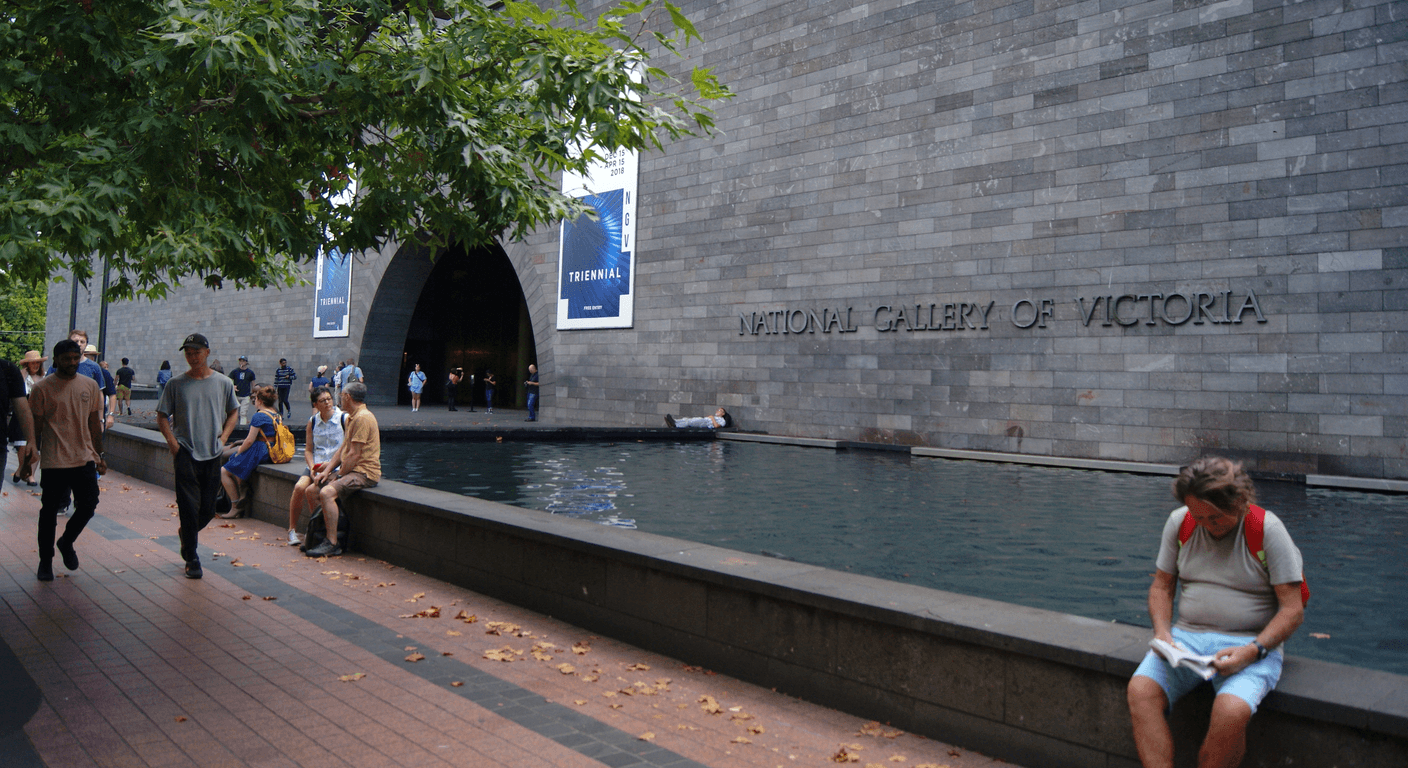
Melbourne's cultural institutions tend to open their doors with special programming during this week. The Melbourne Recital Centre, the National Gallery of Victoria (ngv.vic.gov.au), and Melbourne Museum (museumsvictoria.com.au) have all featured in past programs. Regional Victoria gets genuine attention too — Geelong, Ballarat, Bendigo, and the Latrobe Valley typically host their own events, which can be worth timing a road trip around.
Victoria has in past years offered free public transport for Seniors Card holders on certain days during the festival. Like NSW, this is not a permanent entitlement — it's confirmed annually and the terms vary. Check ptv.vic.gov.au and the official festival page each year. The one honest downside worth naming: popular free events, particularly concerts and ticketed sessions at major venues, can book out within hours of the program dropping. If you're travelling specifically for a flagship event, set a calendar reminder for the program release date and move quickly.
Queensland, South Australia, Western Australia and the rest
Queensland designates a full Seniors Month rather than a single week, typically in August. The scale is different from the southern states — events are spread across a vast geography, from Brisbane's QPAC precinct to Cairns, Townsville, and the Darling Downs. For grey nomads moving up the coast in winter, the timing dovetails neatly. The program is published through qld.gov.au and is worth bookmarking if you're planning a Queensland winter.
South Australia's Seniors Festival has historically run in October, with Adelaide as its hub. The Adelaide Festival Centre (adelaidefestivalcentre.com.au) and the Art Gallery of South Australia (agsa.sa.gov.au) have featured in past programs. South Australia also has a strong tradition of regional cultural events, and the festival tends to reflect that. Western Australia runs a Seniors Week, typically in August, with events coordinated through the WA Office for Ageing Well (dlgsc.wa.gov.au). Perth's cultural precinct — the Perth Cultural Centre, AGWA, the State Library — usually participates.
The ACT, Tasmania, and the Northern Territory each run smaller programs. They're less well-known but worth investigating if your itinerary takes you there. The ACT Seniors Festival typically sits close to the NSW one in March. Tasmania's program varies in scale year to year. Dates and program shapes for all states should be confirmed directly with the relevant state government's seniors or ageing website, as they do change.
How to build a multi-state festival trip
The festivals don't overlap — which is either frustrating or convenient depending on how you look at it. The calendar roughly runs: NSW in March, Queensland in August, WA in August, Victoria and SA in October. A traveller with time and inclination could, in theory, attend three festivals in a single year by timing domestic flights around the program releases. That's a different kind of trip from a package tour: looser, more personal, and considerably cheaper if you're staying in mid-range accommodation and attending free events.
Solo travellers — particularly those who've found that structured group tours can feel constraining — often find the festival model suits them well. You're not locked into a group itinerary, but you're also never short of things to do or people to meet. Accommodation in capital cities during festival weeks is generally not dramatically more expensive than usual, since these are not ticketed festivals in the commercial sense. Book accommodation a few weeks out once you know which events you want to attend.
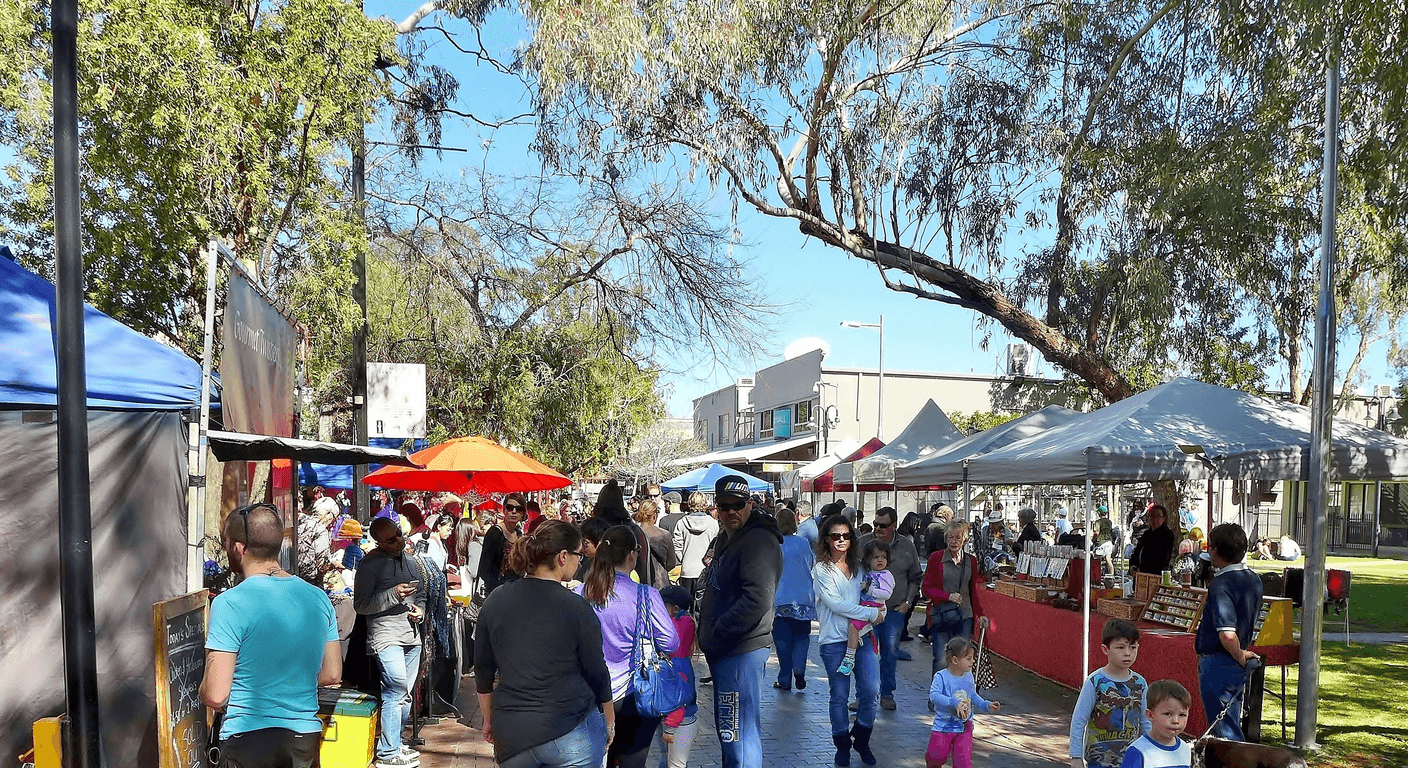
A practical note on regional events: if you're a grey nomad with a caravan or motorhome, regional festival events are genuinely accessible and often less crowded than city ones. Check with local visitor information centres (many listed through australia.com) about what's on in the specific towns on your route. The programs are published publicly and council event listings often pick them up.
What to expect at a typical seniors festival event
Free doesn't mean low quality. Past seniors festival concerts have featured the Australian Chamber Orchestra, Opera Australia artists, and state symphony orchestras performing accessible programs in venues with proper seating and acoustics. Lectures and forums have included retired scientists, historians, and public figures. The come-and-try days are run by proper clubs and associations, not volunteers reading from a script. The standard is generally higher than people expect, which is why first-timers are often the most enthusiastic about returning.
Accessibility varies by venue. Capital city events at major institutions tend to have excellent step-free access, hearing loops, and accessible facilities — but it's always worth confirming with the specific venue before you go. Regional events in community halls can be more variable. If you use a mobility aid or have specific hearing or vision needs, contact the event organiser directly; most are genuinely accommodating and appreciate knowing in advance.
The social dimension is real. A solo traveller at a seniors festival event is not unusual — in fact, it's the norm. Many events are designed as participatory experiences rather than passive ones, which makes conversation natural. For someone who has moved through life as a cultural person — interested in music, food, language, history — the festival program tends to reflect exactly those interests. It's not a bingo afternoon. Though, to be fair, some people love bingo.
Practical planning: Seniors Cards, transport and timing
Each state and territory issues its own Seniors Card, which provides discounts at participating businesses and, during festival periods, sometimes additional concessions on public transport. The cards are free to apply for if you meet the eligibility criteria (typically age 60 or 65 and not in full-time employment — confirm with each state's program as criteria vary). If you're travelling interstate, your home state card may not be valid for transport concessions in another state — but it may still be accepted by some businesses. Check the relevant state's Seniors Card website before assuming.
Transport during festival weeks is a genuine planning consideration. In past years, some states have offered free or heavily discounted public transport for Seniors Card holders on specific days. At the time of writing, these offers are not confirmed for the current festival year — they are announced with the program. The official state festival pages and the relevant transport authority websites (transport.nsw.gov.au, ptv.vic.gov.au, transperth.wa.gov.au) are the only reliable sources. Senior Travel Australia takes no commissions from any of these programs, and nothing in this guide should be read as financial advice.
One final practical point: travel insurance. If you're booking domestic flights or accommodation around a specific event, check your policy covers trip disruption if the event is cancelled or you can't travel due to illness. For over-50s with pre-existing conditions, it's worth reading the policy disclosure statement carefully and, if in doubt, speaking with your insurer rather than assuming coverage. The festivals themselves are free, but the travel around them is not.
Key takeaways
- Australia's state seniors festivals run between March and October, with no two major states overlapping — making a multi-state festival trip genuinely feasible.
- Most flagship events are free to attend; the main costs are accommodation, meals, and transport to the destination.
- Public transport concessions during festival weeks have been offered in some states in past years, but are confirmed annually — always check the official program before relying on them.
- Programs are typically released four to eight weeks before each festival; popular ticketed sessions at major venues can book out quickly.
- A Seniors Card from your home state may not entitle you to transport concessions in another state — confirm before you travel.
- Regional events within each state's festival are often less crowded than city ones and worth planning a grey nomad route around.
Recommended partners and links
Indicative prices only — always confirm with the operator before booking.
Frequently asked questions
When do Australia's seniors festivals take place each year?
The major state seniors festivals generally fall between March and October. NSW typically holds its festival in March, Queensland and Western Australia in August, and Victoria and South Australia in October. Dates shift slightly each year and should be confirmed on each state's official government website.
Are seniors festival events really free?
The majority of events at state seniors festivals are free to attend, though some sessions at major venues require free ticket registration due to limited capacity. A smaller number of events charge a modest fee. The program guide for each festival will specify which events are free and which require bookings.
Can I use my Victorian Seniors Card for transport concessions in New South Wales?
In most cases, a Seniors Card issued by one state is not automatically valid for public transport concessions in another state. Business discounts vary. Confirm with the transport authority of the state you're visiting — Transport for NSW (transport.nsw.gov.au) or PTV in Victoria (ptv.vic.gov.au) — before travelling.
How do I find out what's on in regional areas during a seniors festival?
Each state's official seniors festival website publishes a full program that includes regional events, searchable by location. Local council websites and visitor information centres also list events in their area. The programs are generally published four to eight weeks before the festival begins.
Are seniors festival venues accessible for people with mobility aids or hearing needs?
Major venues in capital cities — such as state galleries, festival centres, and concert halls — generally offer step-free access, hearing loops, and accessible facilities. Regional and community venues vary. It's worth contacting the specific event organiser in advance if you have particular accessibility requirements, as most are willing to assist.
- NSW Seniors Festival — NSW Government
- Victorian Seniors Festival — vic.gov.au
- Queensland Seniors Month — Queensland Government
- WA Office for Ageing Well — Seniors Week
- Australia.com — Tourism Australia
- Public Transport Victoria — ptv.vic.gov.au
- Transport for NSW — transport.nsw.gov.au
- National Gallery of Victoria — ngv.vic.gov.au
- Museums Victoria — museumsvictoria.com.au