Solo travel for Australians in their 50s, 60s and 70s is trending toward slow-paced, rail-based trips and small-group tours capped at twelve to sixteen people, which build in social contact without demanding constant company. No single season stands out — the appeal is unhurried, extended stays over rushed itineraries. Mobility demands are moderate, with adaptable walking tours and gentle wellness options, while access usually means a mix of rail, domestic V/Line connections and long-haul international flights.
Why more over-50s are choosing to travel alone in 2026
The decision to travel solo at 60-something looks quite different from how it looked a decade ago. For many women in this age group — particularly those whose children have grown, whose working life has eased, or who simply want to move at their own pace — solo travel has become a genuine preference rather than a fallback. The stigma that once attached itself to a woman dining alone or booking a single cabin has largely dissolved, and that cultural shift matters.
What has changed is the confidence that comes with experience. Travellers in this cohort have often already navigated a lot: careers, families, health detours, and the particular resilience that regional life in Victoria builds. Taking a trip alone to South America, to Japan, or even just to Queensland on the train is less daunting when you have already figured out how to manage on your own terms.
The travel industry has begun to notice. Solo-friendly departures, single-room guarantees and structured social opportunities — like shared tables at dinner or optional group walks — are appearing more often in brochures and on booking pages. The demand is clear enough that operators are responding, even if the single supplement has not disappeared entirely.
The single supplement problem — and how it is slowly changing
The single supplement remains one of the most frustrating realities of solo travel. When a tour or cruise prices its rooms and cabins for two people sharing, a solo traveller can end up paying significantly more per person — sometimes close to double — for the same experience. This has long felt like a penalty for travelling alone, and older solo travellers in particular have pushed back on it.
In 2026, there are genuine signs of movement. Some small-group operators have introduced dedicated solo cabins or single rooms at no supplement, or have capped the extra charge. River cruise lines in particular have added more single-occupancy cabins on certain vessels, recognising that solo travellers represent a meaningful share of their bookings. The key is to ask the question directly when you enquire — and to ask whether the supplement varies by departure date or cabin category.
Comparison is worth the effort. A tour that quotes a lower base price but adds a steep single supplement may cost more overall than one with a higher headline price and a waived or reduced supplement. Read the fine print, do the total-cost calculation, and do not hesitate to negotiate — operators with empty single berths are often open to a conversation closer to departure.
Slow travel and rail: the style that suits this kind of trip
Slow travel — spending longer in fewer places rather than rushing through a checklist of destinations — suits solo travellers in their 60s particularly well. It allows time to settle in, to find the neighbourhood café, to recover from a long flight without feeling like you are behind schedule. It also tends to cost less per day once you factor in accommodation deals for longer stays and the reduced pace of spending.
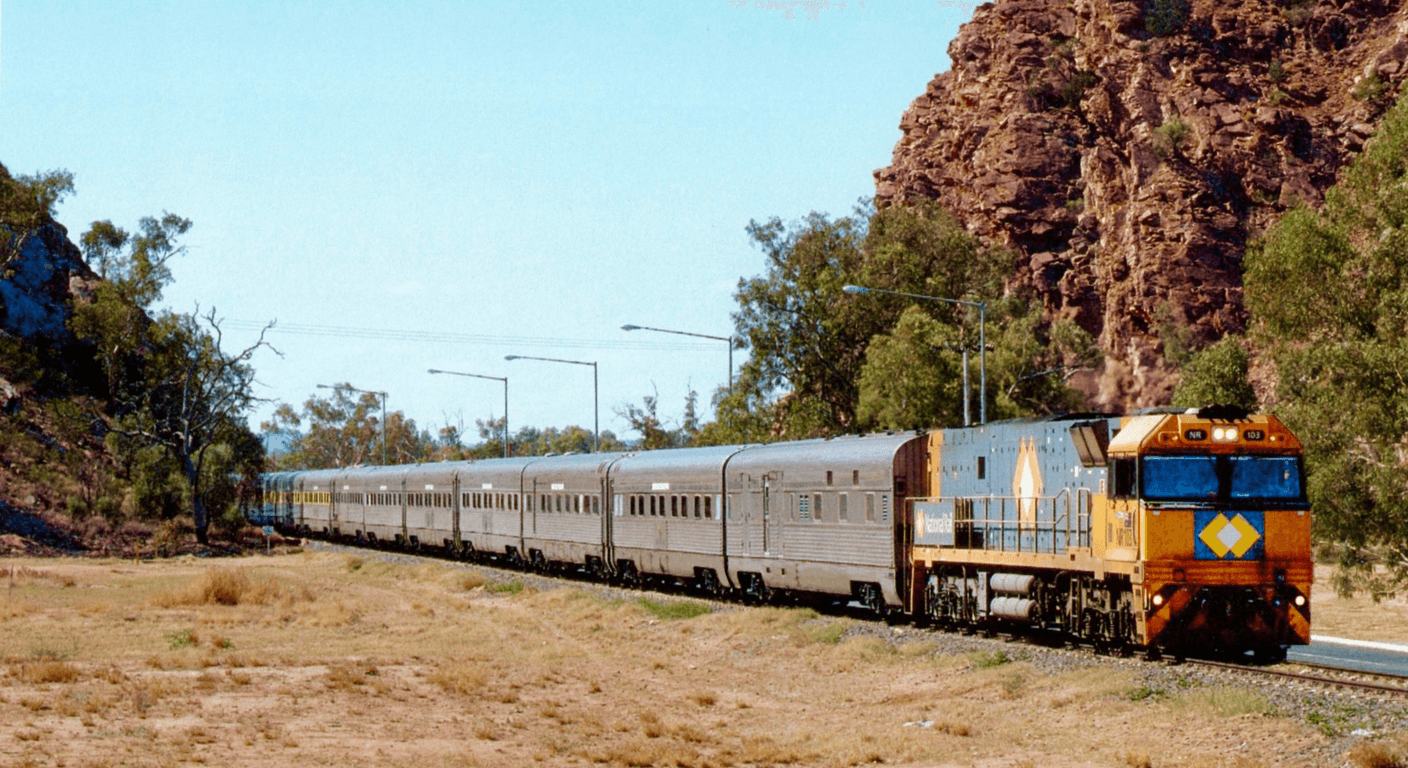
Rail travel fits naturally into this approach. Within Australia, V/Line services connect regional Victoria to interstate routes, and the long-distance trains — the Indian Pacific, the Overland, the Ghan — remain a genuinely pleasurable way to cover ground. For a solo traveller, the rhythm of a train journey is social without being demanding: you can sit in the observation car and talk to people, or stay in your compartment with a book. Both are fine.
Internationally, rail is having a moment in Europe, Japan and parts of South America. Point-to-point rail passes for older travellers can offer good value, and the experience of arriving in a city centre by train rather than a distant airport is underrated. For a Latin Australian traveller with connections or curiosity around South America, routes through Peru, Argentina and Chile increasingly include rail and scenic bus options that allow for genuine immersion rather than a highlights reel.
Wellness and active travel: what this actually means for over-60s
Wellness travel has become a broad term that covers everything from luxury spa retreats to walking tours and yoga holidays. For older solo travellers, the most useful version of this trend is not the aspirational marketing version — it is the practical one. Trips that are built around moderate physical activity, good food, decent sleep and genuine rest are increasingly easy to find and book.
Walking tours are a strong fit. Small-group guided walks in regional Victoria, the Camino in Spain, or coastal paths in New Zealand offer a natural social structure — you walk with a group, you have a guide who knows the terrain, and you eat dinner together. The pace can usually be adapted, and many operators are explicit about the level of fitness required. Honest assessment of your own mobility before booking is important, and reputable operators will give you a straight answer if you ask whether a particular itinerary suits someone with a knee issue or a preference for shorter daily distances.
Thermal bathing, hot springs and mineral pool experiences have also grown as a category. Victoria has strong options here — Peninsula Hot Springs on the Mornington Peninsula is well-established, and day-trip access is manageable from Melbourne. Internationally, thermal regions in Japan, Iceland and Hungary have long attracted older travellers precisely because the experience is gentle, restorative and easy to navigate alone.
Small-group tours: the social structure that works for solo travellers
One of the most practical responses to the solo travel trend has been the growth of small-group departures that are explicitly designed to work for people travelling alone. These are not singles-only tours — they are mixed groups, often capped at twelve to sixteen people, where solo travellers are the norm rather than the exception. The group size means you are not lost in a crowd, and the structure means you have company when you want it.
The category spans a wide range of styles and price points. Some are culturally focused — food and wine tours in Spain or Italy, heritage tours through Vietnam, textile and craft tours in Peru or Mexico. Others are activity-based. The common thread is that they are built around a shared interest rather than just a shared destination, which tends to produce better conversation and genuine connection among participants.
For a traveller based in regional Victoria, getting to the departure point is worth factoring into the planning. Some operators pick up from Melbourne, which is accessible by V/Line, and international tours usually begin with a long-haul flight. Building in a night in Melbourne before departure — or a recovery day on return — is a sensible habit that many experienced solo travellers swear by.
Planning a solo trip: the practical habits that make a difference
Travel insurance for over-60s requires careful attention. Policies vary significantly in what they cover for pre-existing conditions, and the age at which premiums shift upward is often lower than travellers expect. The Australian Government's Smartraveller website (smartraveller.gov.au) has guidance on what to look for, and comparing policies from several providers before purchasing is time well spent. Do not underinsure to save money on the premium — the risk is not worth it.
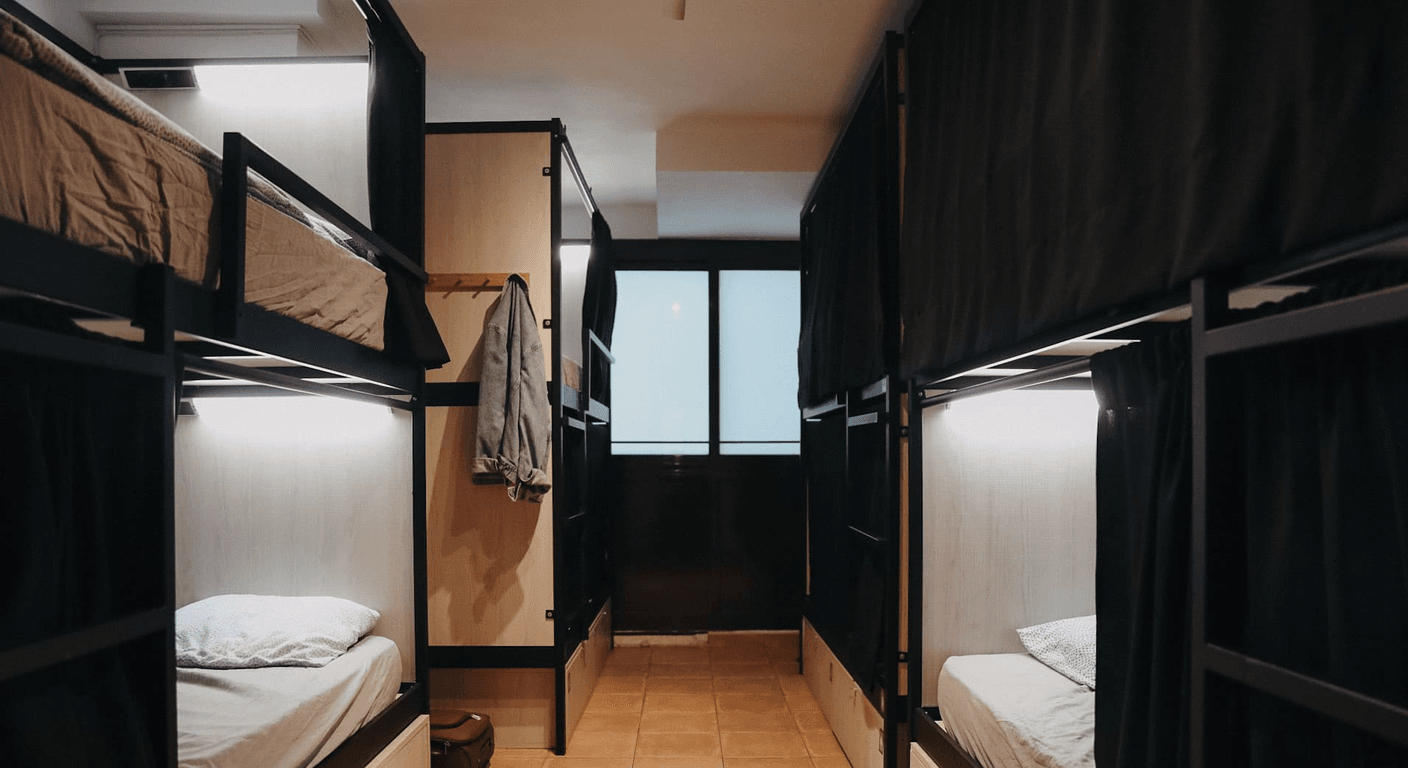
Accommodation choices shape the solo experience considerably. Boutique hotels and guesthouses often provide more natural social interaction than large chain properties — a shared breakfast table, a host who recommends the local market, a lounge where guests actually sit. For longer stays, a serviced apartment or a short-term rental gives independence and a kitchen, which is useful for managing diet and budget. Reading recent reviews from solo travellers specifically is a reliable way to gauge whether a property suits.
Communication and connectivity matter more when you are travelling alone. Having a local SIM card or an international roaming plan that actually works is not a luxury — it is a safety consideration. Letting someone at home know your itinerary, checking in at regular intervals, and having offline copies of key documents (passport, insurance, accommodation bookings) are habits that cost nothing and reduce stress considerably.
Where solo over-50s are heading: destinations with traction in 2026
Japan continues to draw older Australian solo travellers in strong numbers. It is widely regarded as one of the most navigable countries in the world for independent travel: the rail network is logical, signage is increasingly bilingual, the food culture rewards curiosity, and the general social environment is safe and respectful. For a solo woman, in particular, Japan's low-key public culture means you can eat alone, explore alone and sit quietly in a garden without unwanted attention.
South America is gaining ground as a destination for older Australians with a connection to the region — whether through heritage, language or long-held curiosity. Peru, Argentina and Chile have well-developed infrastructure for independent and small-group travel, and Spanish-language competency, where it exists, opens up a richer experience than the standard tourist circuit. The altitude in parts of Peru and Bolivia is worth researching in advance, and pacing an itinerary to allow acclimatisation is genuinely important health advice, not a platitude.
Closer to home, interstate travel within Australia is undergoing a quiet reassessment. Queensland's coastal towns, South Australia's wine regions, Tasmania's walking tracks and the Northern Territory's landscape all offer experiences that many Victorians have not yet made time for. These trips are often more manageable logistically, more affordable, and easier to extend or adjust. For a first solo trip, or for someone returning to independent travel after a break, starting domestically is a sound approach.
Quick planning guide
| Ideal pace | Slow-paced, with fewer stops and longer stays |
|---|---|
| Best months | No single best season noted — flexible year-round planning |
| Suggested stay | Extended stays in fewer places rather than short multi-stop itineraries |
| Mobility level | Moderate — adaptable walking tours and gentle wellness activities, with fitness levels varying by itinerary |
| Cost level | Varies — compare total cost carefully due to single supplement charges |
| Comfort level | Comfortable, with built-in social structure through small-group tours |
| Best for | Solo travellers in their 50s to 70s wanting independence with natural social contact |
| Main planning consideration | Negotiating or comparing single supplement costs, and matching mobility needs to tour pace |
Key takeaways
- Solo travel among Australians over 50 is increasingly a deliberate lifestyle choice, not a compromise.
- The single supplement is negotiable more often than it used to be — always ask, and always calculate the total cost before comparing tours.
- Slow travel and rail suit older solo travellers well: fewer transfers, more time to settle in, and a natural social rhythm on board.
- Small-group tours built around a shared interest — food, heritage, walking — tend to produce better connection than large general tours.
- Travel insurance for pre-existing conditions requires careful comparison; Smartraveller.gov.au is a reliable starting point for guidance.
- Japan and South America are both seeing sustained interest from older Australian solo travellers in 2026, for different but equally practical reasons.
Recommended partners and links
Indicative prices only — always confirm with the operator before booking.
Frequently asked questions
Is solo travel for over-50s genuinely growing, or does it just feel that way?
The growth is real and observable across the industry. Tour operators, cruise lines and accommodation providers have all shifted resources toward solo-friendly offerings in response to sustained demand — that kind of commercial response does not happen without a genuine audience. What has changed is that travelling alone in later life has become socially normalised in a way it was not a generation ago, and that shift encourages more people to try it.
What types of trips are most popular with solo travellers over 60 right now?
Small-group cultural tours, rail journeys, walking holidays and wellness retreats are all seeing strong interest from solo travellers over 60. River cruising remains popular because the single-cabin question is easier to resolve on smaller vessels. Domestically, Tasmania and Queensland are frequently cited by older solo travellers as accessible and rewarding starting points.
How do you avoid paying the single supplement on a tour or cruise?
Ask directly whether the operator has a single-supplement waiver program, a dedicated solo cabin category, or a room-share matching service. Some operators run periodic promotions that reduce or remove the supplement on specific departures. Booking early when solo allocations are still available, or booking late when operators want to fill remaining berths, can both work in your favour — though neither is guaranteed.
Is solo travel safe for older Australian women travelling internationally?
Safety varies by destination and depends heavily on preparation rather than age or gender alone. Countries with strong public transport, legible signage, reliable accommodation infrastructure and low petty crime — Japan is a frequently cited example — are particularly manageable for solo women. Research your destination through the Australian Government's Smartraveller website (smartraveller.gov.au), register your travel plans, carry copies of key documents, and maintain regular contact with someone at home.
What is the best way for a solo traveller to meet people on a trip?
Choosing structured social environments makes this much easier than hoping for chance encounters. Small-group tours, shared dining tables on trains and river cruises, guided walks, cooking classes and cultural workshops all provide a natural reason to talk to people without any pressure. Staying in boutique guesthouses rather than large hotels also increases the likelihood of genuine interaction with both hosts and other guests.
- Smartraveller — Australian Government travel advice
- Visit Victoria — travel inspiration and planning
- V/Line — regional and interstate rail from Victoria
- Tourism Australia — destination information for Australian travellers
- National Trust of Australia — heritage experiences
- Peninsula Hot Springs — wellness day experiences, Mornington Peninsula