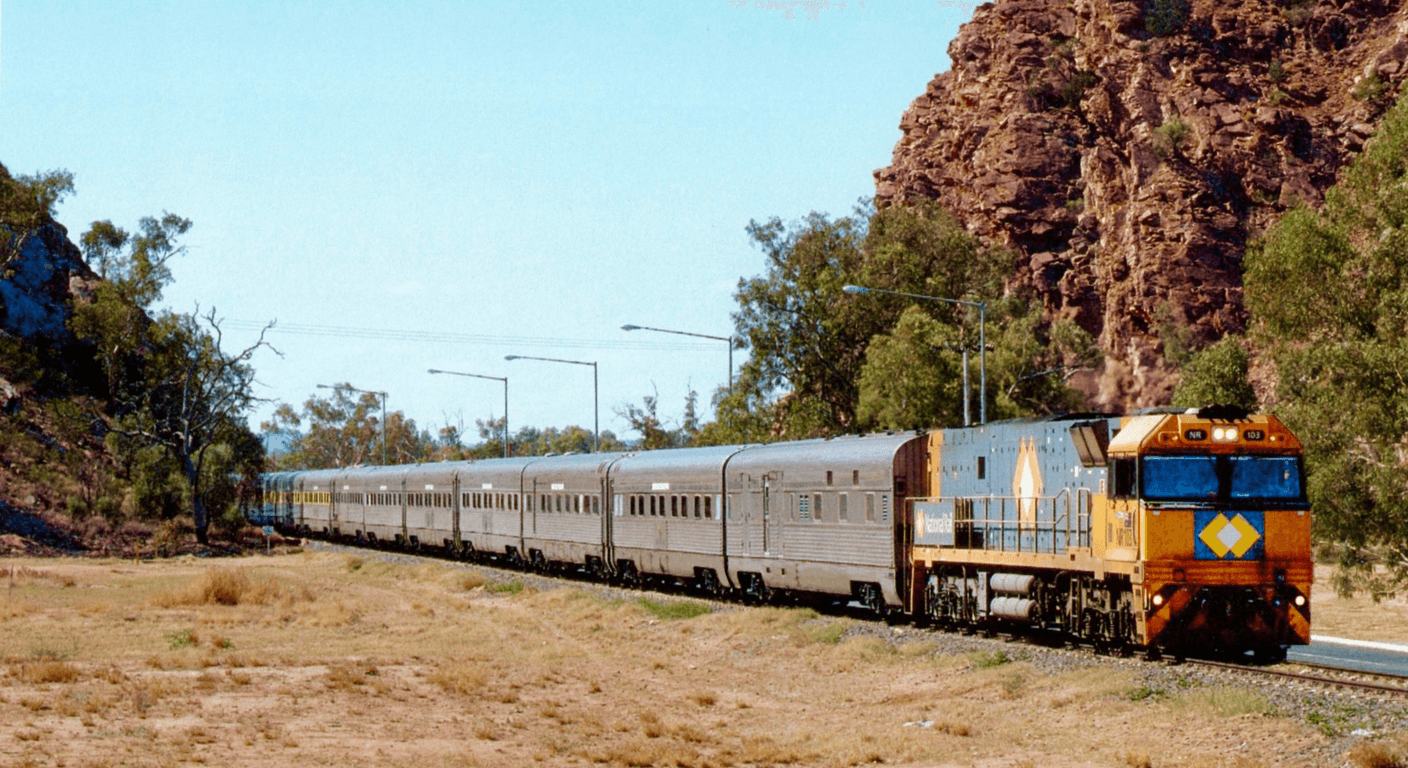
Solo travel for Australians over 50 is easiest with shoulder-season bookings, which help reduce the single supplement, and trips of four to ten days suit most itineraries, from a four-day Great Ocean Road drive to a ten-day Tasmania loop. The defining highlight is the range of formats — independent travel, guaranteed-share tours and singles departures — that remove the solo surcharge. Mobility is easy, accessed by hire car, V/Line, domestic flights or international carriers.
Being single is not a travel obstacle
There is a persistent idea that travel is better done in pairs — that without a companion, you are somehow doing it wrong. That idea does not survive contact with the reality of solo travel over 50. Travelling alone means choosing your own pace, your own itinerary, your own morning. You eat when you are hungry, linger when something interests you, and move on without negotiation. For many unpartnered Australians over 50, solo travel is not a compromise — it is the point.
That said, the practical landscape for single travellers has some genuine friction points, and it pays to know them before you book. The single supplement — the surcharge hotels and tour operators apply to a person occupying a room alone — is the most obvious. Then there is the question of companionship: some travellers want solitude, others want people around them, and the right travel format depends entirely on which camp you are in. This guide works through both honestly.
Whether you are newly widowed and taking a first trip alone, long divorced and well-practised at solo life, or simply someone who has always travelled on their own terms, the options available to Australian singles over 50 in 2025 and 2026 are broader than they have ever been. The industry has noticed this cohort, and it has responded.
What does fully solo travel actually look like?
Fully independent travel — booking your own flights, accommodation and transport, building your own days — suits travellers who are comfortable with logistics and who value complete flexibility. For someone based in Victoria, this might mean a self-drive trip through the Grampians and the Wimmera, a fly-drive around Tasmania, or a longer international trip using a mix of trains, guesthouses and short internal flights. The infrastructure for independent travel in Australia is solid, and in most international destinations popular with Australians — Japan, Portugal, New Zealand, the UK, Southeast Asia — it is genuinely easy to navigate alone.
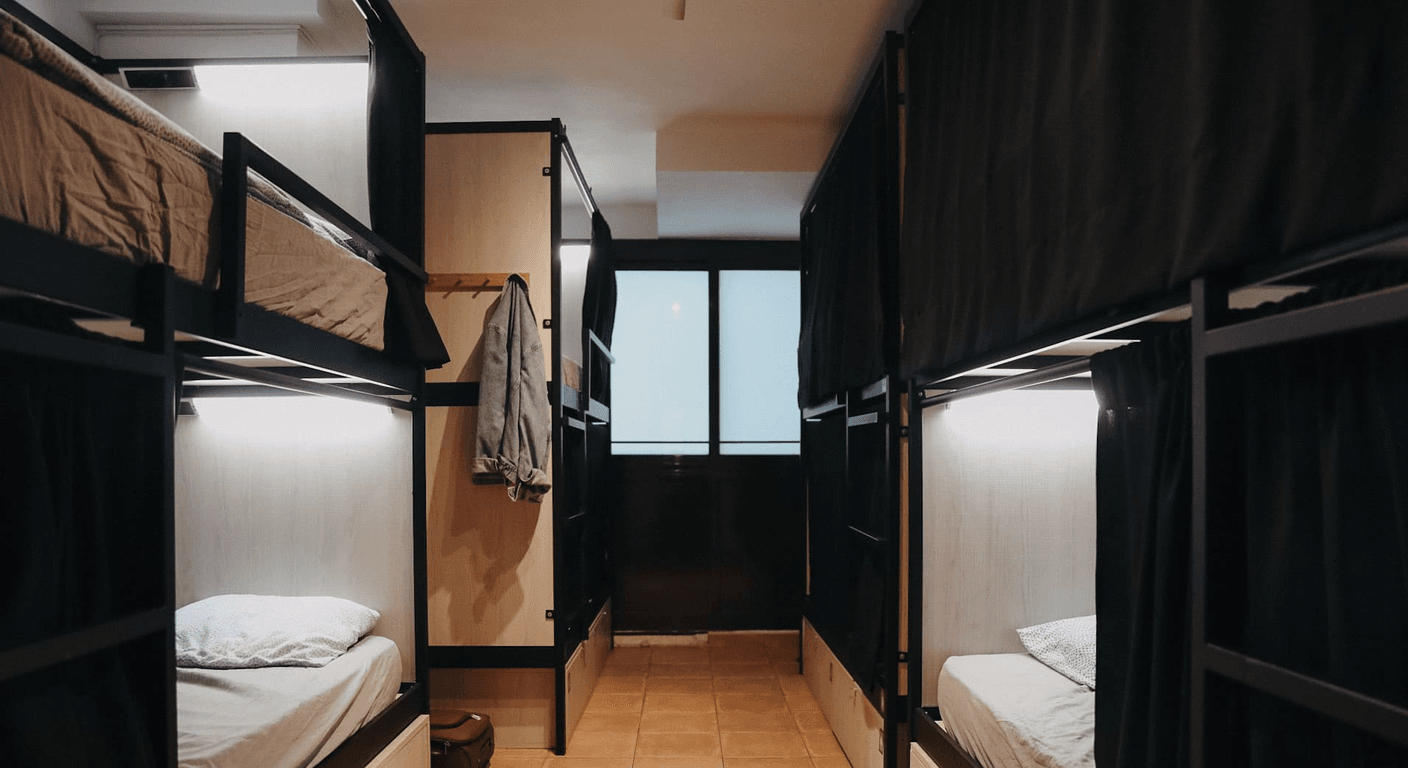
The practical considerations for solo travel are worth naming plainly. Budget is the most significant: you pay for a room that would cost the same for two people, you pay for a table for one at restaurants, and there is no one to split a hire car with. These costs are real, and they add up. On the other side of the ledger, you spend nothing on compromises. You book the smaller, more interesting guesthouse rather than the safe chain hotel. You eat at the counter of a noodle shop in Osaka without anyone objecting.
Mobility and health considerations matter more when you are travelling alone, and it is worth being honest with yourself about them. If you have a health event on the road, you are managing it without a companion. Good travel insurance — not minimal cover, but comprehensive cover that includes medical evacuation — is non-negotiable for solo travellers over 50. The government's Smartraveller service (smartraveller.gov.au) is worth registering with for international trips, and it provides up-to-date destination advice that is genuinely useful rather than alarmist.
The single supplement: what it is and how to beat it
The single supplement is the additional charge applied when one person occupies a room or cabin priced for two. In practice, it typically adds between 25 and 100 per cent to the per-person cost of a tour or cruise, depending on the operator and itinerary. A tour priced at $5,000 per person twin-share might cost a solo traveller $6,500 to $9,000 — a significant difference. This is not a fee for being single; it is a reflection of the fixed cost of a room. That does not make it less annoying, but understanding the mechanism helps you address it.
The most direct solution is to use operators who offer a guaranteed-share program. These programs pair solo travellers of the same gender in a twin room, eliminating the supplement entirely. Operators including APT, Intrepid Travel and several river cruise lines offer this. The catch is that you are sharing a room with a stranger, which suits some travellers and does not suit others. Many people who try it report that their roommate became a travel companion and, sometimes, a lasting friend. It is worth considering seriously rather than dismissing.
A second strategy is to book tours that have a meaningful proportion of solo travellers — often called singles departures or solo-friendly tours. On these departures, single occupancy rooms are built into the pricing from the outset, and the supplement is either reduced or waived. Intrepid Travel, G Adventures and several boutique Australian operators offer these explicitly. A third approach is simply to travel at shoulder season, when operators are more willing to negotiate on single supplements to fill departures. It is always worth asking directly, particularly if you are booking well in advance or at the last minute.
Small-group tours: the practical middle ground
For travellers who want company but not the logistics of fully independent travel, small-group tours are the most practical option. A well-run small-group tour — typically eight to sixteen people — handles the transport, accommodation and broad itinerary while leaving enough free time for individual exploration. The group dynamic means you are rarely eating alone, there is always someone to share a taxi with, and the social dimension is built in rather than requiring effort.
The quality and character of small-group tours varies enormously, and it is worth being selective. Tours aimed at a broad age range of adults can work well, but tours with a significant proportion of travellers over 55 tend to have a more considered pace — fewer predawn starts, more time at each stop, better awareness that not everyone wants to walk six hours. Operators including APT, Scenic, Intrepid's '55 and Above' range and Insight Vacations have itineraries built with this demographic in mind. Reading recent traveller reviews on independent platforms gives a realistic sense of the actual pace and group dynamic.
Domestically, small-group tours are an excellent entry point for someone taking their first solo trip. A five-day guided tour of the Kimberley, a food and wine tour through the Barossa, or a guided walk along a section of the Great Ocean Walk all offer the structure of a group with the experience of genuine travel. V/Line and regional coach services (ptv.vic.gov.au) also make it possible to travel independently within Victoria without a car — useful for travellers who prefer not to drive long distances alone.
Meeting people and finding companionship on the road
One of the questions solo travellers ask most honestly — and that travel guides often sidestep — is how to meet people. The short answer is that it is easier than most people expect, and it gets easier the more you travel. Staying in smaller, owner-operated accommodation rather than large chain hotels puts you in contact with locals and other travellers in a natural way. Eating at the bar or counter of a restaurant rather than a corner table is a small change that makes conversation more likely. Joining a day tour, a cooking class, or a guided walk at a destination creates a shared context that makes conversation easy.
For travellers who want more structured social connection, travel clubs and interest-based travel communities are worth exploring. The membership organisation Roads Scholar (formerly Elderhostel, roadscholar.org) runs learning-focused travel programs that attract curious, well-travelled older adults and have a strong reputation for social connection. Within Australia, walking and hiking clubs, photography tours and cultural travel groups often run trips that attract solo travellers and are organised around a shared interest rather than just a destination.
It is also worth naming honestly that companionship on the road is different from companionship at home. A week travelling with a small group in Portugal does not replace a long friendship, but it is genuine human connection, and many solo travellers over 50 describe it as one of the more surprising pleasures of travelling alone. You meet people you would never encounter in your ordinary life. That is not nothing.
Easing in: a first domestic trip from Victoria
For someone who has not travelled alone before — or who has not done so since a long relationship ended — starting with a domestic trip makes good sense. The logistics are familiar, the language is your own, and if something goes wrong you are a short flight from home. Victoria itself offers a useful first trip: the Great Ocean Road by hire car over four or five days, staying at independently owned accommodation in Lorne, Apollo Bay and Port Fairy, is a classic itinerary that rewards a solo traveller's pace. There is no one to rush past the Kennett River koalas.
Tasmania is the destination most consistently recommended by experienced Australian solo travellers as a first longer solo trip. The state is compact, safe, easy to navigate by hire car, and has a strong culture of independent travel. The food scene in Hobart — centred around the Salamanca precinct and the broader CBD — is genuinely good, and MONA (Museum of Old and New Art, mona.net.au) is the kind of place that rewards spending a full day alone. Devonport to Hobart by hire car over seven to ten days, with a side trip to the Freycinet Peninsula, is a well-worn route for a reason.
For interstate trips, Queensland's Sunshine Coast and the hinterland towns around Noosa, South Australia's Clare Valley and Fleurieu Peninsula, and the Margaret River region of Western Australia all work well for a solo traveller who wants a mix of landscape, food and unhurried exploration. V/Line services (vline.com.au) connect regional Victoria for shorter trips, and Qantas, Virgin Australia and Rex operate domestic routes from Melbourne that make interstate travel straightforward. Always compare prices across booking platforms and directly with the airline — direct booking sometimes offers better flexibility for solo travellers who may want to adjust dates.
Interstate and international: where do singles over 50 go?
The destinations that consistently work well for solo Australian travellers over 50 share a few characteristics: they are easy to navigate independently or with a small group, they have a culture of hospitality toward solo visitors, and they offer enough depth to reward more than a surface-level visit. Japan sits at the top of most experienced solo travellers' lists — the transport system is exceptional, solo dining is culturally normal, safety is high, and the country rewards slow, curious travel. Portugal and Spain are strong European choices for similar reasons, with the added advantage of a well-established trail culture (the Camino de Santiago attracts a significant proportion of solo travellers over 50).
In Southeast Asia, Vietnam and Thailand remain popular with older Australian solo travellers, though both require more navigation and carry higher variability in accommodation quality. Travelling with a reputable small-group operator for a first visit to either country is a sensible approach; independent travel works well for return visits once you know the landscape. New Zealand is the obvious choice for a first international solo trip from Victoria — the culture is familiar, the landscapes are varied and accessible, and the infrastructure for independent travel is excellent.
For longer international trips, river cruising has become a significant option for solo travellers over 50. European river cruises on the Rhine, Danube and Douro attract a high proportion of solo travellers, and operators including Scenic, Emerald Cruises and APT have responded with guaranteed-share programs and solo cabins on several itineraries. The all-inclusive nature of river cruising removes much of the daily logistics that can be tiring on a long solo trip, and the small ship size means you genuinely get to know the other passengers over the course of a week or two. Checking operator websites directly for current solo traveller pricing and cabin availability is recommended, as this changes seasonally.
Quick planning guide
| Ideal pace | Flexible, self-directed pace with optional small-group structure |
|---|---|
| Best months | Shoulder season recommended, when operators are more willing to reduce single-supplement charges |
| Suggested stay | 4 to 10 days, depending on whether the trip is domestic or a longer international itinerary |
| Mobility level | Easy — self-drive, small-group and river-cruise formats with minimal physical demand |
| Cost level | Moderate to premium, with the single supplement adding 25-100% unless offset by guaranteed-share or singles-departure options |
| Comfort level | Comfortable, with owner-operated accommodation and small-group tours (8-16 people) providing built-in companionship |
| Best for | Unpartnered Australians over 50 — widowed, divorced or solo by choice — seeking flexibility with or without built-in company |
| Main planning consideration | Choosing between fully independent travel, a guaranteed-share room, or a singles-departure tour to manage the single supplement |
Key takeaways
- The single supplement is beatable — guaranteed-share programs and singles-departure tours eliminate or reduce it significantly.
- Small-group tours of eight to sixteen people offer built-in companionship without sacrificing the experience of genuine travel.
- Japan, Portugal, New Zealand and Tasmania are consistently reliable destinations for Australian solo travellers over 50.
- Comprehensive travel insurance including medical evacuation is non-negotiable for solo travellers over 50, not optional.
- A first domestic trip — Tasmania or the Great Ocean Road — is the most practical way to build solo travel confidence before going international.
- Being unpartnered is no barrier to a rich travel life; the infrastructure, the operators and the destinations are all there.
Recommended partners and links
Indicative prices only — always confirm with the operator before booking.
Frequently asked questions
Where can singles over 50 travel in Australia?
Singles over 50 travel throughout Australia with ease. Tasmania is widely regarded as one of the best first solo trips for Victorians — compact, safe and rewarding at a slow pace. The Great Ocean Road in Victoria, South Australia's Clare Valley and Fleurieu Peninsula, Queensland's Sunshine Coast hinterland, and the Margaret River region in Western Australia are all well-suited to solo travellers who want a mix of landscape, food and unhurried exploration. Domestic flights from Melbourne connect to all major interstate destinations, and V/Line services cover regional Victoria for shorter trips.
Is it more expensive to travel solo or single?
Solo travel typically costs more per person than travelling as a couple, primarily because of the single supplement — the surcharge hotels and tour operators apply when one person occupies a room. This supplement can add between 25 and 100 per cent to the per-person cost of a tour or cruise. However, it can be reduced or eliminated by using guaranteed-share programs (where you share a twin room with another solo traveller of the same gender), booking singles-departure tours where solo pricing is built in from the start, or travelling at shoulder season when operators are more willing to negotiate.
How do solo travellers over 50 meet people on the road?
Meeting people is easier than most solo travellers expect. Staying in smaller, owner-operated accommodation, eating at counters or bars rather than corner tables, and joining day tours, cooking classes or guided walks all create natural opportunities for conversation. Small-group tours of eight to sixteen people are the most structured way to build social connection into a trip. Interest-based travel programs — such as those run by Roads Scholar (roadscholar.org) — attract curious, well-travelled older adults and have a strong reputation for genuine social connection among participants.
What are the best group tours for single travellers over 50 in Australia?
Small-group tour operators with a strong track record for solo travellers over 50 include Intrepid Travel, APT (Australian Pacific Touring), Scenic and Insight Vacations. Look specifically for operators who offer guaranteed-share programs, singles departures, or itineraries marketed toward travellers aged 55 and over, as these tend to have a more considered pace. Reading independent traveller reviews of specific departures — not just the operator's own website — gives the most realistic sense of group dynamic and actual daily pace.
Is solo travel safe for men over 60?
Solo travel is generally safe for men over 60, particularly in the destinations most popular with Australian travellers — Japan, New Zealand, Portugal, and domestic Australian destinations. The main safety considerations are health-related rather than security-related: comprehensive travel insurance including medical evacuation is essential, and it is worth carrying a summary of any medications and medical conditions in your wallet. For international travel, registering with the Australian government's Smartraveller service (smartraveller.gov.au) provides current destination advice and makes it easier for consular staff to assist in an emergency.
- Visit Victoria – Travel Inspiration
- Smartraveller – Australian Government Travel Advice
- PTV – Public Transport Victoria
- V/Line – Regional Victoria Train and Coach Services
- Intrepid Travel – Solo Travel Tours
- APT – Australian Pacific Touring
- Roads Scholar – Learning Adventures for Adults
- MONA – Museum of Old and New Art, Tasmania
- Parks Victoria – National Parks and Reserves