St Kilda, South Australia lies about 25 kilometres north of Adelaide and is best visited on a Sunday or public holiday, when its volunteer-run Tramway Museum operates, offering unlimited rides on restored trams along the coast for roughly $10–20 entry. Allow three to four hours as a relaxed half-day outing. The site is flat and easy underfoot, though boarding the trams involves a step. Getting there is easiest by car, a 30–40 minute drive, since public transport options are limited.
What makes St Kilda worth the drive from Adelaide?
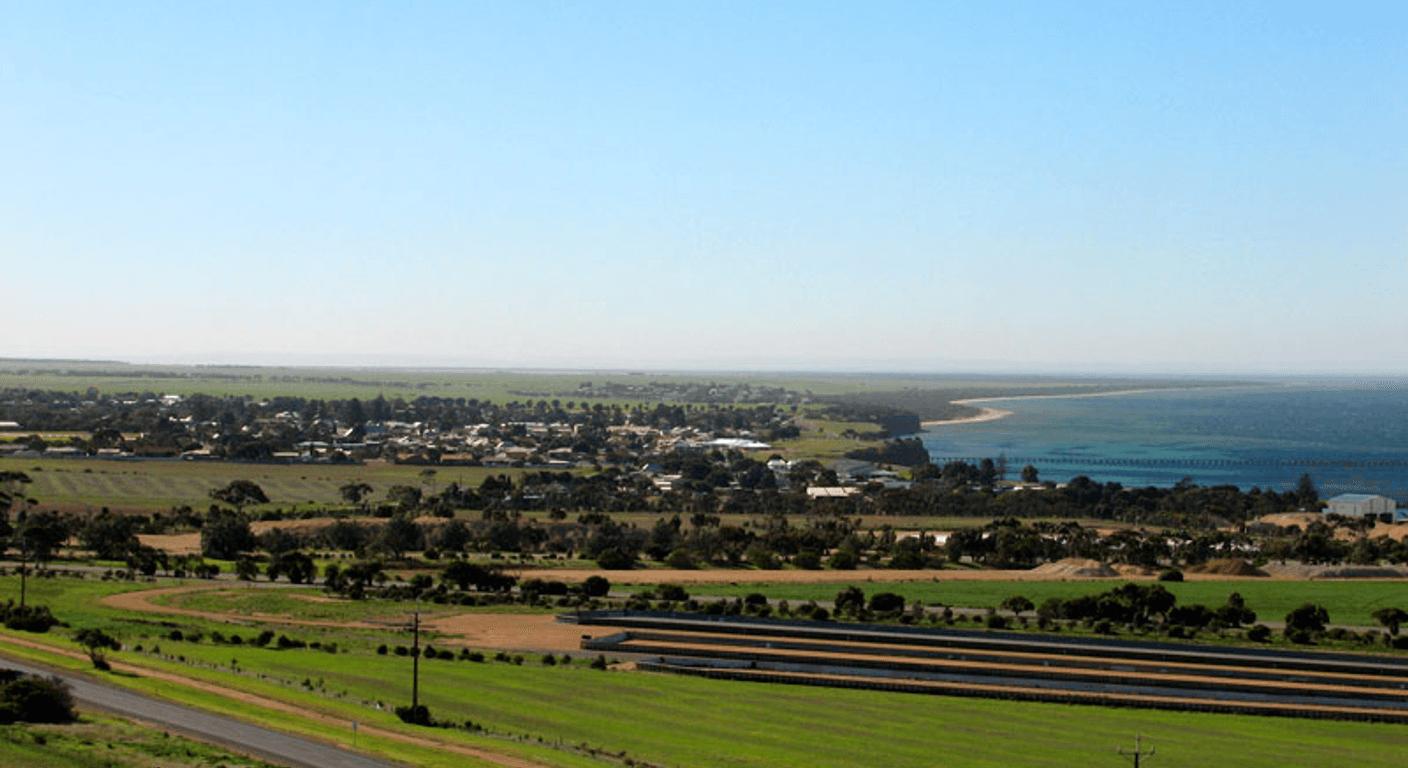
There's a particular pleasure in discovering that a place most people drive past on the way somewhere else turns out to be the destination. St Kilda, South Australia — not to be confused with its Melbourne namesake — sits on a low, flat stretch of the Gulf St Vincent coast, about 25 kilometres north of Adelaide's CBD. It doesn't announce itself. But once you're there, with a restored tram rolling along the foreshore and pelicans drifting overhead, the appeal is obvious.
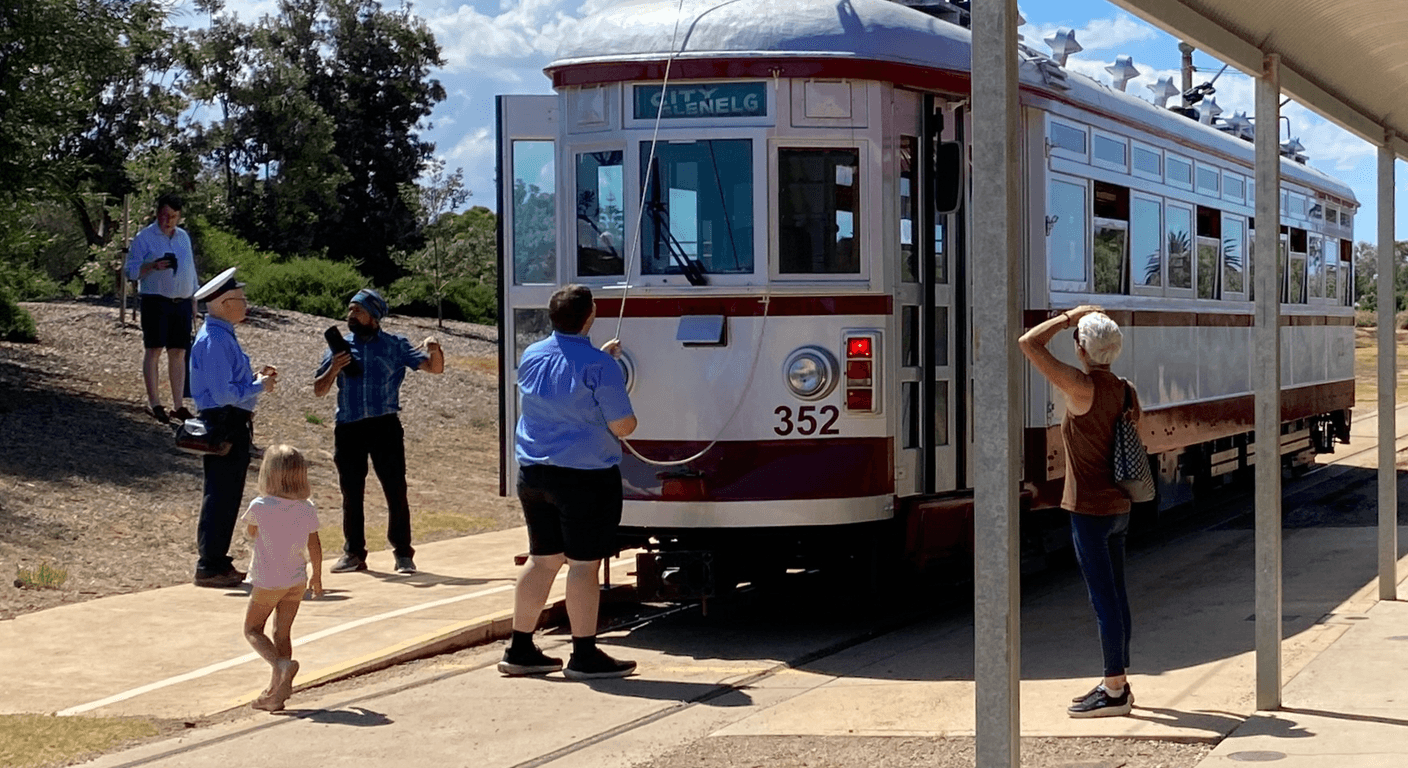
The town's centrepiece is the Tramway Museum, run entirely by volunteers who have been quietly preserving Australian tram history since 1959. The collection spans decades of Australian and international tramway heritage. What makes it genuinely special for a day out is that admission includes unlimited rides on working trams along the seaside line — not a brief loop, but a proper run that lets you settle in, look out at the water, and feel the particular rhythm of travel that disappeared from most Australian streets long ago.
For travellers who grew up in cities where trams were part of daily life — Melbourne, Adelaide, Sydney before the network was gutted — there's a quiet nostalgia in it. For those who didn't, it's simply a very good way to spend a morning by the coast.
How does the Tramway Museum work, and what should you expect?
The museum opens primarily on Sundays and public holidays. Hours and seasonal schedules can shift, so confirm the current timetable directly with the Tramway Museum Society of South Australia at tmssa.com.au before you make the drive. Entry is indicatively around $10 to $20 per adult — genuinely affordable, and that price covers as many tram rides as you like during your visit.
The trams themselves are restored to working order by volunteer staff who are, almost without exception, enormously knowledgeable and happy to talk. If you want to understand what you're looking at — the different eras of design, which city each tram came from, what a trolley pole is — just ask. The depth of enthusiasm in a well-run volunteer museum is something commercial attractions rarely match.
Boarding does involve steps, as it does on most heritage trams. If mobility is a consideration, let staff know on arrival — they're experienced at helping passengers and will advise on the most accessible boarding points. The depot area itself is flat and easy to navigate. Wear comfortable shoes, bring a hat, and if you're visiting in summer, time your arrival for the morning before the coastal heat builds.
What about the mangrove boardwalk — is it open?
St Kilda's mangrove coast is ecologically significant — the mangrove forests along this stretch of Gulf St Vincent support a wide range of birdlife, and the boardwalk was designed to let visitors walk through the habitat without disturbing it. In good conditions, it's a lovely, flat, shaded walk with good birdwatching potential.
The honest answer in 2025–26, however, is: check before you go. The boardwalk has experienced closures in recent years due to storm damage and maintenance requirements. Whether it's fully open, partially accessible, or temporarily closed at the time of your visit is something only the current local authority can confirm. The City of Salisbury manages the area; their website or a quick phone call will give you a reliable answer.
If the boardwalk is open, it pairs beautifully with a morning at the museum — trams first, then a gentle walk among the mangroves. If it's closed, the foreshore itself still offers flat ground, water views, and the kind of uncrowded coastal quiet that's increasingly hard to find.
Getting there from Adelaide — what are the practical options?
The most straightforward option is driving. From Adelaide's CBD, St Kilda is roughly 30 to 40 minutes north via the Port Wakefield Road, with free parking available near the museum. For couples travelling together, this is usually the simplest approach — you can leave at your own pace and stop along the way at Salisbury or Bolivar if anything catches your eye.
Public transport to St Kilda SA is limited and not well-suited to a day trip, particularly on Sundays when tram frequency is reduced. Adelaide Metro's journey planner at adelaidemetro.com.au is worth checking, but in most cases, a car or a small-group tour is a more reliable option. Some Adelaide-based tour operators include St Kilda on heritage or coastal itineraries — the South Australian Tourism Commission's website at southaustralia.com is a reasonable starting point for finding those.
For visitors from interstate — including those travelling from Melbourne or Sydney — Adelaide is a straightforward flight of around an hour to two hours. The day trip to St Kilda works well as part of a longer Adelaide stay, particularly if you're already planning to explore the Barossa, McLaren Vale, or the Fleurieu Peninsula.
What to eat, where to rest, and how to pace the day
St Kilda is a small town, and its food options reflect that. There's a café at or near the foreshore area that suits a light lunch or morning tea — but don't arrive expecting a high street of restaurants. The smarter approach is to treat the day as a half-day outing: leave Adelaide after a relaxed breakfast, spend three to four hours at the museum and foreshore, then head back into Adelaide for a proper lunch at one of the many excellent options along the O'Connell Street or Norwood strips.
Bring a packed lunch if you prefer to eat on-site — the foreshore has shaded picnic tables and the setting is pleasant. A hat, sunscreen, and a light layer for the tram ride (the breeze off the gulf can be cooler than expected) are all worth packing. Flat ground throughout means no real exertion is required, which makes this a good option on days when you want to be out without committing to anything strenuous.
The overall pace of St Kilda is unhurried. That's not a limitation — it's the point. A Sunday morning here, with a tram ride and a walk and a thermos of tea, is a very civilised way to spend a few hours. It asks nothing of you except to slow down and pay attention.
Birdwatching and natural interest along the coast
The Gulf St Vincent coastline north of Adelaide is underrated as a birdwatching destination. The mangrove and samphire habitats around St Kilda attract a range of wading birds, raptors, and waterbirds — pelicans are almost guaranteed, and patient observers will spot egrets, herons, and a variety of shorebirds depending on the season. Autumn and spring are generally the most rewarding times, with migratory species passing through.
You don't need binoculars, though they help. Even a casual walk along the foreshore with no particular agenda will turn up birds that city parks can't match. For travellers who've developed an interest in Australian birdlife — often something that deepens after retirement, when there's finally time to look — this stretch of coast rewards attention.
The broader region, including the nearby Barker Inlet Wetlands, is recognised as significant habitat under South Australian conservation frameworks. It's the kind of place that reminds you how much ecological richness exists just beyond the urban fringe, largely unannounced.
Is this the right day trip for you?
St Kilda SA is a good fit for travellers who appreciate a day with a clear centrepiece — in this case, the trams — surrounded by enough natural and historical interest to fill a relaxed few hours without rushing. It's particularly well-suited to couples who enjoy heritage culture, coastal scenery, and the satisfaction of a day that costs very little and delivers more than expected.
Solo travellers will find it comfortable and sociable in a low-key way — museum volunteers are welcoming, and the Sunday crowd at a heritage attraction tends to be convivial without being overwhelming. The flat terrain and unhurried pace make it accessible for those managing joint discomfort or who simply prefer not to spend a day on their feet.
It's not a full-day itinerary on its own for most people, and it doesn't pretend to be. Pair it with lunch back in Adelaide, or combine it with a visit to the nearby Bolivar area or a drive up to Gawler, and you have a very satisfying day in the northern suburbs and coast. Sometimes the best travel is exactly this: a quiet discovery, not too far from where you started.
Quick planning guide
| Ideal pace | Slow and unhurried, half-day outing |
|---|---|
| Best months | Sundays and public holidays for the museum; autumn or spring for birdwatching |
| Suggested stay | Three to four hours |
| Mobility level | Easy — flat ground throughout, though tram boarding involves steps |
| Cost level | Budget-friendly — under $30 per person including lunch |
| Comfort level | Casual and low-exertion |
| Best for | Couples, solo travellers, heritage and birdlife enthusiasts |
| Main planning consideration | Confirm current museum hours and mangrove boardwalk status before setting out |
Key takeaways
- The Tramway Museum at St Kilda SA opens primarily on Sundays and public holidays — always confirm current hours at tmssa.com.au before making the drive.
- Entry is indicatively around $10 to $20 per adult and includes unlimited rides on restored working trams along the seaside line.
- The mangrove boardwalk has experienced closures in recent years; check its current status with the City of Salisbury before including it in your plans.
- Ground is flat throughout the site — this is a genuinely easy outing for travellers managing joint discomfort or preferring a low-exertion day.
- St Kilda is around 25 kilometres north of Adelaide's CBD, best reached by car; public transport options are limited, particularly on Sundays.
- The entire day trip, including tram entry and a packed lunch, can comfortably come in under $30 per person — one of Adelaide's better-value outings.
Recommended partners and links
Indicative prices only — always confirm with the operator before booking.
Frequently asked questions
When is the Tramway Museum at St Kilda SA open?
The Tramway Museum at St Kilda, South Australia opens primarily on Sundays and public holidays. Hours and specific operating days can vary seasonally, so confirm the current schedule directly with the Tramway Museum Society of South Australia at tmssa.com.au before visiting.
How much does it cost to visit the Tramway Museum at St Kilda SA?
Entry is indicatively around $10 to $20 per adult, though prices should be confirmed before your visit as they may change. Admission includes unlimited rides on restored working trams during your visit, making it good value for a half-day outing.
Is the mangrove boardwalk at St Kilda SA currently open?
The mangrove boardwalk at St Kilda SA has experienced closures in recent years due to storm damage and maintenance. Its current status is not guaranteed — contact the City of Salisbury or check their website for up-to-date information before including the walk in your plans.
How do you get to St Kilda SA from Adelaide?
St Kilda, South Australia is around 25 kilometres north of Adelaide's CBD, roughly 30 to 40 minutes by car via the Port Wakefield Road. Free parking is available near the museum. Public transport options to St Kilda are limited and not well-suited to a Sunday day trip; a car or small-group tour is the most reliable option.
Is St Kilda SA suitable for travellers with limited mobility?
Yes — the ground throughout the St Kilda foreshore and Tramway Museum precinct is flat and easy to navigate. Heritage tram boarding does involve steps; advise museum staff on arrival if assistance is needed. The site is rated Easy for mobility purposes, though a hat and sunscreen are advised in warmer months.