Stanley, on Tasmania's north-west coast, suits a slow two-to-three day visit built around The Nut, a 143-metre volcanic plug reached by chairlift rather than a steep climb, plus evening little-penguin viewing near the town centre and a day-drive into the Tarkine. Best timed for September–October tulip season at nearby Table Cape, though the town is comfortable most of the year. Access is by flying into Wynyard or taking the Spirit of Tasmania ferry to Devonport, then driving; mobility is moderate overall, easy at street level.
Why Stanley works so well for over-50 travellers
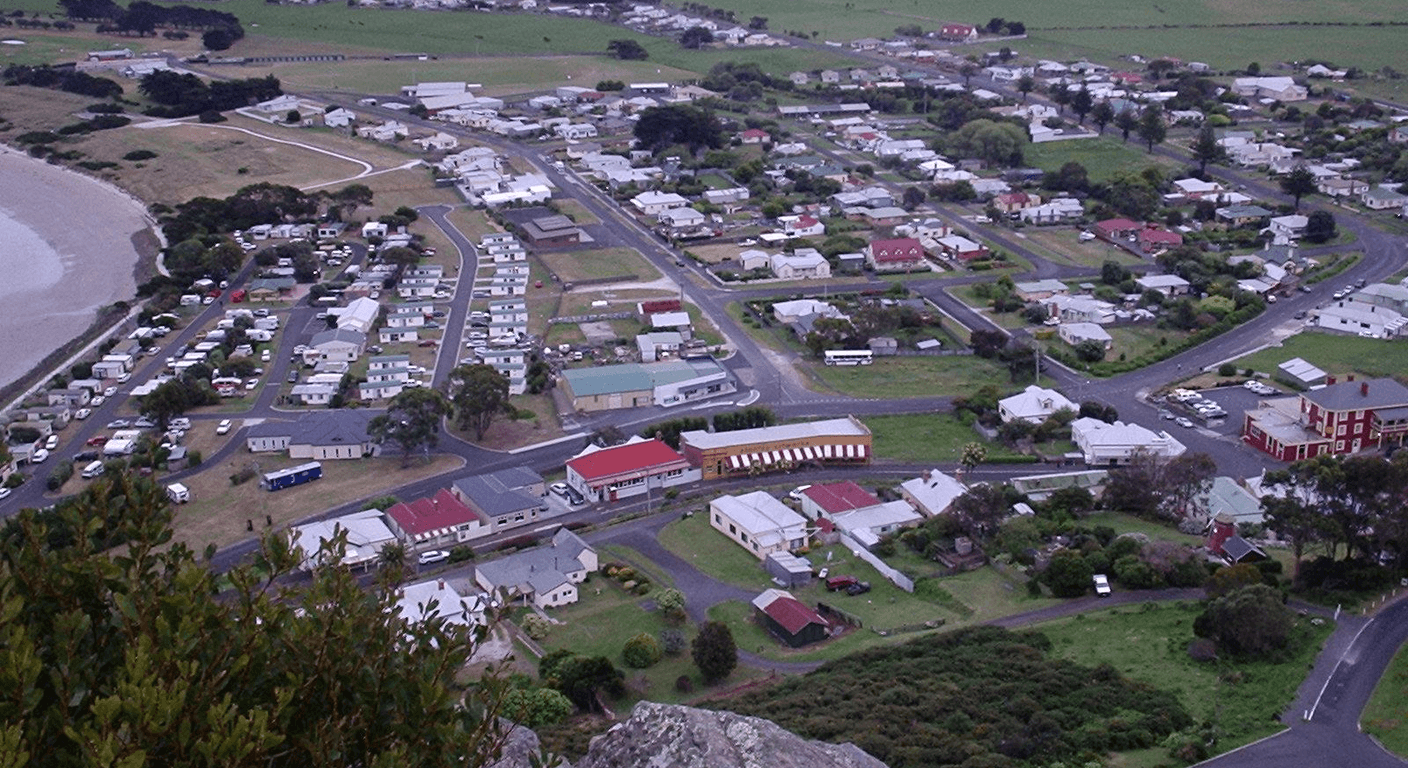
Stanley sits at the end of a low isthmus on Tasmania's north-west coast, the kind of town that looks as though it has been preserved under glass. The population is small, the streets are flat near the waterfront, and almost everything of interest — the heritage buildings, the penguin viewing area, the chairlift base station — is within comfortable walking distance of the main accommodation strip. For a solo traveller who wants substance without logistical stress, that compactness is a genuine asset.
The pace here is deliberately unhurried. You can fill two or three days without rushing: a morning on The Nut, an afternoon exploring the colonial streetscape, an early evening watching penguins come ashore, and a day-drive into the Tarkine on the third day. There is no pressure to tick boxes at speed, which suits travellers who have learnt that slower usually means better.
Accommodation ranges from heritage cottages and guesthouses in the town centre to a handful of motels near the highway. Booking ahead is sensible in summer and during the Table Cape tulip season (roughly September to October), when the region draws more visitors than usual. Outside those windows, availability is rarely a problem.
Getting there: flying into Burnie or taking the ferry to Devonport
From Victoria, the two practical entry points are Burnie (Wynyard Airport) and Devonport. Rex Airlines operates services between Melbourne and Wynyard; confirm current schedules and fares directly with Rex at rex.com.au, as regional routes can change. Wynyard is roughly 20 minutes by road from Stanley, making it the more convenient option if you are flying without a vehicle. A hire car from Wynyard or Burnie is the most practical way to explore the region at your own pace.
The Spirit of Tasmania ferry from Geelong to Devonport remains the preferred option for travellers who want their own vehicle without the cost and complexity of hiring one. Devonport is around 130 kilometres from Stanley on the Bass Highway — a straightforward two-hour drive through farming country and coastal scrub. The overnight crossing means you arrive rested and ready, which matters more than it might have at 40. Indicative one-way fares with a vehicle start from around $300–$500 per person depending on cabin class and season; always confirm current pricing with Spirit of Tasmania directly.
The Bass Highway between Devonport and Stanley is well-maintained and not demanding to drive. There are good rest stops and fuel at Burnie and Wynyard. Travellers who prefer not to drive long distances can base themselves in Stanley for several days and use the town as a hub rather than covering ground continuously.
The Nut: reaching the summit without the climb
The Nut is a 143-metre volcanic plug that rises abruptly from the peninsula, visible from kilometres away and central to Stanley's identity. The walking track to the summit is steep and takes around 20 minutes up for a fit adult — it is not recommended for anyone with knee or hip concerns, or anyone who simply does not want that kind of exertion on a warm afternoon. The chairlift is the sensible alternative, and it is a good one: a gentle, open-air ride that takes a few minutes and deposits you near the summit plateau.
At the top, the plateau walk is a roughly 45-minute circuit on a mostly flat gravel path with some uneven sections. The views across Bass Strait, the town below, and the farmland stretching toward the Tarkine are worth the trip on their own terms. Bring a windproof layer — the summit catches the weather even on calm days below. The chairlift operates seasonally and is weather-dependent; check current operating hours and confirm pricing (indicatively around $20–$25 return for adults) directly with the Stanley Chairlift Company before visiting.
Mobility note: the chairlift requires the ability to board and alight a moving chair unassisted. The summit plateau path has some uneven ground and no handrails along the outer edge. Travellers with significant mobility limitations should assess the chairlift operator's current accessibility information before committing to the trip. The views from the base of The Nut looking up, and from the Stanley foreshore, are still considerable if the summit is not suitable.
The heritage village: what to see at street level
Stanley was established in the 1820s as a base for the Van Diemen's Land Company, and the built fabric of the town reflects that history in an unusually intact way. The Highfield Historic Site, a Georgian homestead on the hill above town, is managed by Parks Tasmania and gives a clear picture of the pastoral ambitions of the early colonial era. Check current opening times at parks.tas.gov.au before visiting, as hours can vary seasonally.
The main street — Church Street and the streets running off it — rewards a slow walk. There are independent galleries, a handful of cafes, and the Joe Lyons cottage, birthplace of Australia's only Tasmanian-born prime minister. The Stanley Discovery Museum on Church Street provides local context without overwhelming you. None of this is rushed; a morning wandering at your own pace covers it comfortably.
For a solo traveller, Stanley's cafe culture is one of its quieter pleasures. The town is small enough that you will see the same faces twice, and the locals are generally accustomed to independent visitors. A long lunch at a waterfront table, watching the fishing boats, is not wasted time — it is the point.
Little penguins at dusk: an honest account
Little penguins come ashore at Stanley each evening, emerging from Bass Strait and making their way to burrows near the foreshore. The viewing area is close to the town centre and accessible on foot. This is a genuinely lovely experience — understated, unhurried, and free of the infrastructure that surrounds penguin tourism at some larger sites. You sit or stand quietly, the light fades, and the birds appear.
A few practical notes: bring a warm layer, as the evenings are cool even in summer. Arrive well before dusk — the exact time shifts with the season. Do not use flash photography or bright torches, and stay on the designated viewing areas. The penguins are wild animals on a short schedule after a day at sea, and they are not performing for an audience.
The experience is low-key by design, and that is its strength. There are no tickets, no guides, and no crowds in the way you might find at Phillip Island. For travellers who have done the Phillip Island experience and found it a little produced, Stanley's penguins offer something quieter and more direct. Check with the Stanley Visitor Information Centre or Tourism Tasmania for current guidance on the best viewing times and any local protocols in place.
The Tarkine by car: rainforest without a pack
The Tarkine — or takayna — is one of the largest temperate rainforests in the Southern Hemisphere, and much of it is accessible by sealed or well-maintained gravel road without requiring any overnight hiking. For a traveller based in Stanley, a day-drive south into the Arthur-Pieman Conservation Area or along the Tarkine Drive gives a genuine sense of the forest without demanding boots or a tent.
The Tarkine Drive route, accessible from the Arthur River township roughly 90 kilometres south of Stanley, takes you through myrtle and sassafras rainforest to lookout points above the river. The Arthur River itself — wide, tannin-dark, and deeply quiet — is one of those places that stays with you. Boat cruises on the river are operated by a small number of local operators; check current availability through Tourism Tasmania or locally in Stanley, as schedules are limited and seasonal.
Driving conditions on the gravel sections can vary with weather and season; check current road conditions through the Tasmania Road Conditions line or the relevant Parks Tasmania information before heading out. A standard hire car handles the Tarkine Drive in good conditions, but check with your hire company about their specific gravel road policies. Allow a full day and take your own food and water — facilities along the route are minimal.
Table Cape and the tulip season: worth timing your visit
Table Cape, a flat-topped headland roughly 20 kilometres from Stanley near Wynyard, is home to Table Cape Tulip Farm, which operates as a visitor attraction during the bloom season — roughly late September through October, though the exact timing varies with the year's weather. During this window, the fields are planted with rows of flowering tulips against a backdrop of Bass Strait, and the effect is genuinely distinctive in a Tasmanian context.
The farm is privately operated; check current opening dates, hours, and entry fees directly with the operator before planning around it, as the season is short and weather-dependent. The Table Cape Lighthouse, managed by the National Trust of Australia (Tasmania), is also on the headland and worth visiting for the coastal views and the lighthouse history. Check nationaltrust.org.au/tas for current opening information.
If your travel dates fall outside the tulip season, Table Cape is still worth the short drive for the headland views and the lighthouse. The surrounding farmland on the approach from Wynyard is some of the most productive in Tasmania, and the drive itself is pleasant. Combining Table Cape with a morning in Wynyard — a tidy coastal town with a waterfront boardwalk — makes for a comfortable half-day excursion from Stanley.
Quick planning guide
| Ideal pace | Slow and unhurried, two to three days without rushing |
|---|---|
| Best months | September–October for Table Cape tulips; comfortable outside that window too |
| Suggested stay | 2–3 days, using Stanley as a hub |
| Mobility level | Moderate — town centre and chairlift are easy, but the summit plateau path has uneven ground and the unassisted chairlift boarding suits most but not all |
| Cost level | Moderate, with ferry fares and chairlift tickets adding to a modest-cost base |
| Comfort level | Comfortable — heritage cottages and guesthouses, flat waterfront walking, no need to rush |
| Best for | Solo travellers and couples wanting substance without logistical stress |
| Main planning consideration | Book accommodation ahead for summer and tulip season, and confirm chairlift, ferry and Tarkine boat schedules directly with operators before travelling |
Key takeaways
- The Nut chairlift makes the summit of Stanley's volcanic plug accessible without a steep climb — essential knowledge for over-50 travellers.
- Little penguins come ashore at Stanley each evening near the town centre, with no tickets or tour operators required.
- The Tarkine can be experienced as a day-drive from Stanley without hiking gear, via the Arthur River area and the Tarkine Drive route.
- Flying into Wynyard Airport is the fastest option from Melbourne; the Spirit of Tasmania ferry into Devonport suits travellers who want their own vehicle.
- Table Cape tulip season runs roughly September to October — confirm exact dates with the farm operator before planning around it.
- Stanley's flat waterfront and compact layout make it one of Tasmania's most manageable bases for solo travellers with an eye on pacing.
Recommended partners and links
Indicative prices only — always confirm with the operator before booking.
Frequently asked questions
Do you need to be fit to visit The Nut in Stanley?
No. The chairlift at Stanley carries visitors to the summit plateau without any climbing, making The Nut accessible to most travellers who can board and alight a moving chairlift unassisted. The plateau walk is roughly 45 minutes on a mostly flat gravel path with some uneven sections. Confirm current accessibility details and operating hours with the Stanley Chairlift Company before visiting.
When is the best time to see little penguins in Stanley?
Little penguins come ashore at Stanley's foreshore each evening after dusk throughout the year. The viewing area is free to access and close to the town centre. Arrive before dark, dress warmly, and avoid flash photography. Check with the Stanley Visitor Information Centre or Tourism Tasmania for current guidance on viewing times, as dusk shifts significantly between summer and winter.
How do you get to Stanley from Melbourne?
The two main options are flying into Wynyard Airport (around 20 minutes from Stanley) with Rex Airlines, or taking the Spirit of Tasmania ferry from Geelong to Devonport and driving the Bass Highway to Stanley — roughly two hours. Confirm current Rex schedules at rex.com.au and current Spirit of Tasmania fares and sailings at spiritoftasmania.com.au, as both can change seasonally.
Is the Tarkine suitable for older travellers who do not want to hike?
Yes. Much of the Tarkine can be experienced by car via the Tarkine Drive route from the Arthur River area, with rainforest lookouts accessible from the road. A standard hire car handles the route in good conditions. Check current road conditions before departing, take your own food and water, and allow a full day. No overnight hiking is required to get a genuine sense of the forest.
When is the Table Cape Tulip Farm open?
The tulip bloom at Table Cape near Wynyard typically runs from late September through October, though the exact dates vary each year depending on the season's weather. The farm is privately operated; confirm current opening dates and entry fees directly with the operator before planning your visit around the season.