Swansea, on Tasmania's east coast about 90 minutes from Hobart via the Tasman Highway, offers a flat, free foreshore walk with unobstructed views across Great Oyster Bay to the Hazards — the same peaks seen from Freycinet, without the entry fee or steep lookout climb. Ideal as an unhurried full-day trip, mornings suit the light best, and self-driving is far more practical than the infrequent Redline coach service. Mobility: easy.
Why Swansea deserves its own day, not just a drive-through
Most travellers pass through Swansea on the way to Freycinet, glance at the bay, and keep driving. That is a genuine oversight. From the Swansea foreshore you are looking directly across Great Oyster Bay to the Hazards — that distinctive ridge of pink-orange dolerite that appears on what feels like every Tasmanian tourism photograph. The view is wide, unhurried, and costs nothing. No entry fee, no carpark scramble, no 300-metre climb on loose gravel.
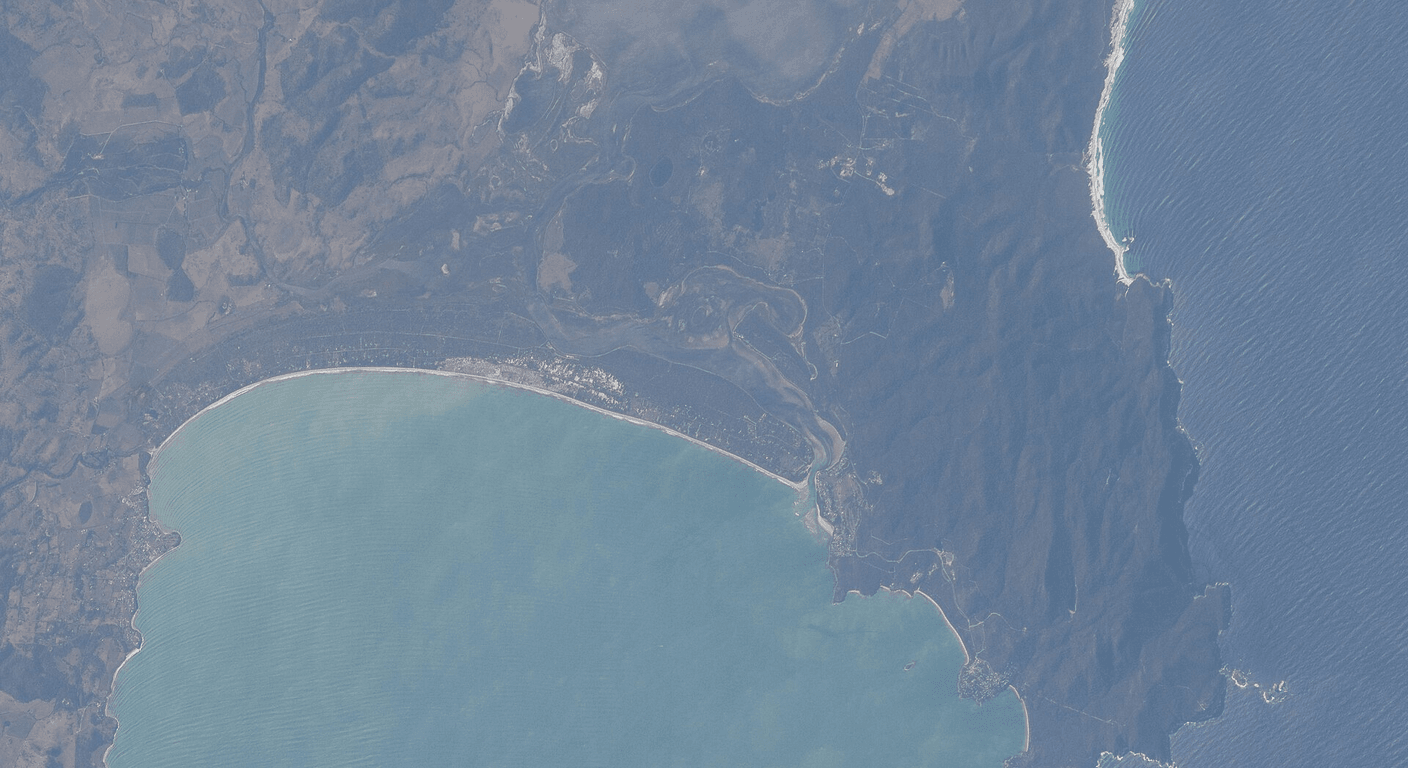
The town itself sits at the mouth of the Swan River on the Tasman Highway, about 135 kilometres north-east of Hobart — roughly 90 minutes by car on a clear day, longer if you stop at Orford or Triabunna. It is a small working town, not a resort village, and that is part of its appeal. The streetscape along Franklin Street has genuine colonial-era buildings, a handful of good cafes, and a pace that does not feel engineered for tourism.
For a traveller who values comfort over conquest, Swansea offers something Freycinet cannot: a full day of rewarding scenery and local food at a completely flat, unhurried pace. That matters enormously if you are travelling as a couple where one partner finds steep terrain difficult, or if you are simply done with fighting for carparks in peak season.
What is the foreshore walk actually like?
The Swansea foreshore walk follows the bay from roughly the town centre jetty northward and is genuinely flat — sealed path, no significant gradient, benches placed at reasonable intervals. The full loop from the main street down to the jetty and along the waterfront takes around 30 to 45 minutes at an easy pace. There are no entry gates and no fees. The jetty itself is a pleasant spot to sit with a takeaway coffee and look across to the Hazards without any effort at all.
The path surface is in reasonable condition for walkers using a cane or walking poles. Those using a wheelchair or mobility aid should check the current surface condition with the Break O'Day Council or Discover Tasmania before visiting, as sections near the water can vary. The main Franklin Street footpath is flat and accessible, and most of the town's cafes and small shops have level or near-level entry.
Early morning is particularly good for the bay view — the light on the Hazards in the first couple of hours after sunrise has a quality that afternoon light does not replicate. If you are driving from Hobart and starting at a reasonable hour, you can be on the foreshore well before the tour buses from Hobart reach Coles Bay. That alone is reason enough to make Swansea the destination rather than the pitstop.
Heritage streetscape and the East Coast Heritage Museum
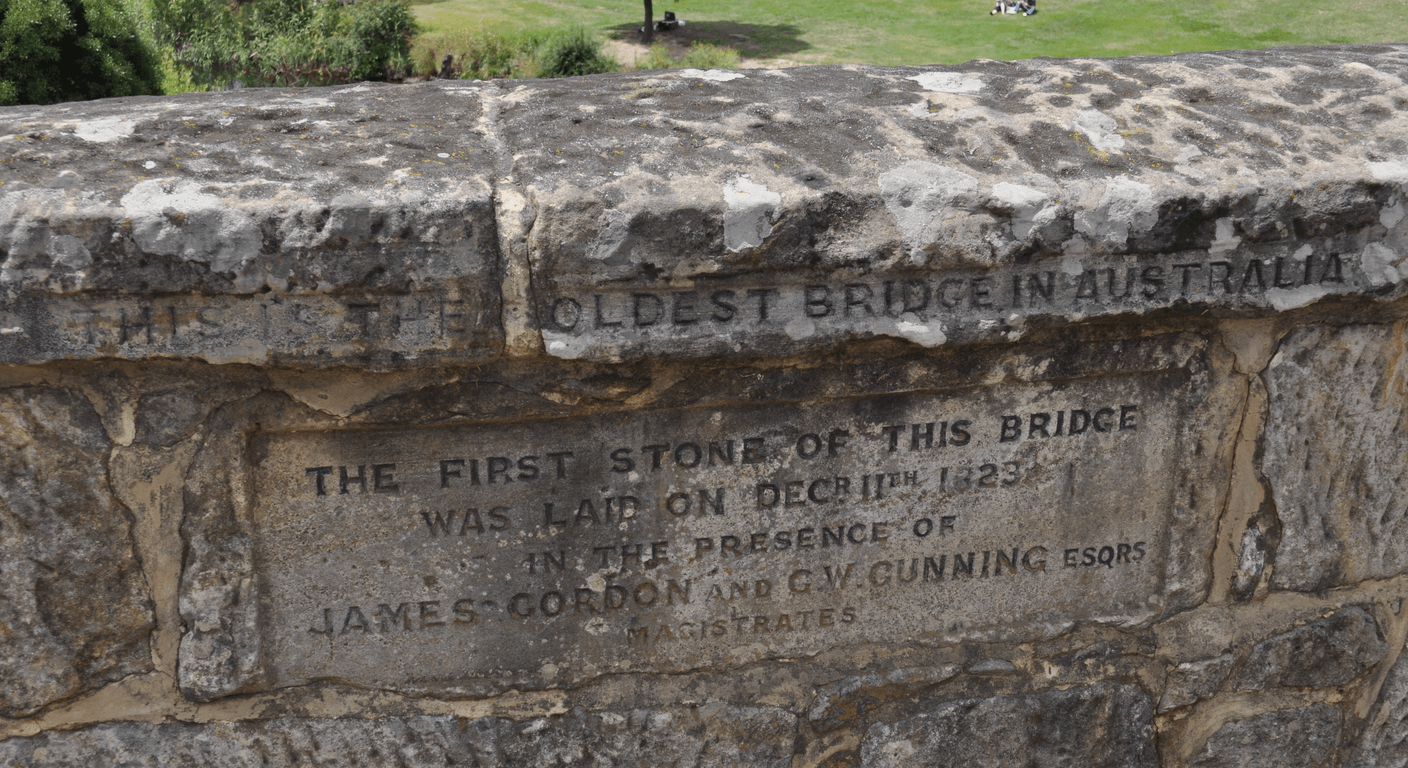
Franklin Street's built heritage is modest but genuine. Several buildings date to the 1840s and 1850s, including the old post office and the Morris's General Store building. Walking the main street takes no more than 20 minutes but gives a clear sense of the town's pastoral and maritime history. Swansea was one of the earliest European settlements on Tasmania's east coast, and the streetscape has not been heavily redeveloped — which means it looks like a real old town rather than a heritage theme park.
The East Coast Heritage Museum on Franklin Street is worth an hour of your time. It covers the colonial and Indigenous history of the region, early whaling and farming, and the story of the Swan River district. Admission is modest — around $8–$10 indicatively, though you should confirm the current figure directly with the museum. It is housed in an older building with some steps at the entrance, so travellers with significant mobility limitations should check accessibility before visiting.
There is also a working bark mill on the heritage museum site — one of the few surviving examples in Australia — which processed wattle bark for the tanning industry. It is an unexpectedly interesting piece of industrial history that tends to hold attention even for travellers who do not usually seek out museums.
Local food and drink: vineyards and berry farms worth your time
The Swansea region sits within the East Coast wine corridor and has a handful of small producers within easy driving distance. Gala Estate Vineyard is one of the better-known names in the area and sits roughly 15 minutes south of Swansea. It produces cool-climate wines including pinot noir and riesling, and the cellar door has views across the vineyard toward the bay. Opening days and hours vary by season — winter hours are reduced — so confirm directly with the estate before planning your visit. Check their current information at discovertasmania.com.au or directly with the vineyard.
Kate's Berry Farm, about 12 kilometres north of Swansea on the Tasman Highway near Swansea, has been a fixture on the east coast for many years. It sells fresh and preserved berry products, jams, and light food. The deck has a clear view across Great Oyster Bay that is genuinely one of the best casual lunch spots on the east coast. Again, winter opening days are not guaranteed — phone ahead or check their current status before building your day around a stop there.
For a seafood-focused lunch, Freycinet Marine Farm on Coles Bay Road (about 25 minutes from Swansea toward Coles Bay) offers fresh oysters and other shellfish direct from the water. It is an outdoor, working-farm setting rather than a restaurant — bring a jacket in cooler months. Prices are indicative at around $25–$40 for a tasting plate but confirm directly. This option does require a short drive beyond Swansea, but it fits naturally into a loop day if you are returning to Hobart via the same highway.
How does Swansea compare to pushing on to Freycinet and Wineglass Bay?
The Wineglass Bay lookout walk inside Freycinet National Park involves a climb of around 300 metres on a granite-and-gravel path. It takes most fit adults 45 minutes to an hour each way, and the descent on loose gravel is harder on the knees than the ascent. For travellers in their 60s and 70s, particularly those managing joint issues or balance concerns, this is a real consideration — not a reason to feel limited, but a reason to plan honestly.
The view from the lookout is undeniably distinctive — the curved white beach framed by the Hazards on both sides. But the view from Swansea's foreshore of the Hazards themselves, reflected in Great Oyster Bay on a calm morning, is a different kind of beautiful and costs no physical effort. They are not the same view, but they are both genuinely worth having. The question is what kind of day you want to have.
A day based in Swansea — foreshore walk, heritage street, a vineyard or berry farm lunch, then a slow drive home — is a complete and satisfying east coast day. A day that pushes through to Freycinet and attempts the lookout walk can feel rushed, physically demanding, and crowded in peak season. For travellers who want to return home tired from pleasure rather than tired from effort, Swansea is the more honest choice.
Getting to Swansea from Hobart: driving, coach, and practical notes
The most practical way to reach Swansea from Hobart is by car. The route follows the Tasman Highway (A3) via Sorell and Orford — around 135 kilometres and roughly 90 minutes in clear conditions. The road is well-maintained and not demanding, though there are some winding sections through the Wielangta Forest area between Orford and Buckland. If you are renting a car in Hobart, standard hire vehicles are adequate; there is no need for an AWD for this route.
Redline Coaches operates a service between Hobart and Bicheno that stops at Swansea. It is not a frequent service — check the current timetable directly at redlinecoaches.com.au before planning around it, as schedules can change. The coach option suits solo travellers who prefer not to drive, but the infrequency means you need to plan your day carefully around departure times. Return services in the afternoon are limited.
Parking in Swansea is free and not difficult — the town is small enough that you can park near the foreshore or along Franklin Street without a strategy. There are public toilets near the foreshore area. Petrol is available in Swansea, though prices on the east coast tend to be higher than Hobart — fill up before you leave if cost is a consideration. There is no pharmacy in Swansea, so bring any medications you need for the day.
Practical tips for making the most of a Swansea day trip
The east coast of Tasmania can be significantly warmer and sunnier than Hobart, but it can also be very windy — particularly on the foreshore. A light windproof layer and a hat are worth packing regardless of the season. In summer, the UV is strong even on overcast days; sunscreen and sunglasses are not optional. In winter, the days are short and some local businesses reduce hours considerably — phone ahead to confirm the specific places you want to visit are open.
If you are travelling as a couple and one partner has limited mobility, the foreshore walk and main street are the strongest parts of the day. The vineyard and berry farm options involve short drives on sealed roads and generally have flat or near-flat access to the main areas, but it is worth calling ahead to ask about specific accessibility if that is a concern. Freycinet Marine Farm is an outdoor working site and is less suitable for travellers who need firm, level ground.
Swansea has a small supermarket and a few cafes and bakeries for lunch or a snack. The town does not have a large restaurant scene, so if you want a sit-down meal, the vineyard cellar door or a cafe lunch on Franklin Street is your most reliable option. Booking ahead for cellar door visits in peak season (December to February) is sensible; in the shoulder and winter months you will generally find tables available without a reservation, but confirming by phone is always worth the two-minute call.
Quick planning guide
| Ideal pace | Slow-paced, unhurried day |
|---|---|
| Best months | Year-round; mornings best for light on the Hazards, December–February busiest |
| Suggested stay | Full day trip from Hobart |
| Mobility level | Easy — flat foreshore and main street, though the heritage museum has some entry steps |
| Cost level | Budget-friendly — free foreshore, walking and parking; modest museum admission around $8–$10 |
| Comfort level | High — sealed flat paths, benches, cafes and level shopfronts |
| Best for | Couples or travellers wanting east coast scenery without steep terrain or crowds |
| Main planning consideration | Self-driving is far more practical than the infrequent coach service; confirm vineyard and berry farm hours in advance, especially in winter |
Key takeaways
- Swansea's foreshore gives you a direct, flat, free view across Great Oyster Bay to the Hazards — Freycinet's signature peaks — without the national park entry fee or the steep lookout walk.
- The town is around 90 minutes from Hobart via the Tasman Highway, making it a realistic and unhurried day trip for travellers who prefer not to rush.
- The foreshore walk is flat, sealed, and takes around 30 to 45 minutes at an easy pace, with benches along the route.
- Local vineyards and berry farms offer genuine unhurried lunches, but winter opening days are reduced — always confirm before you go.
- Redline Coaches serves Swansea from Hobart, but the service is infrequent; check the current timetable directly at redlinecoaches.com.au.
- For travellers managing joint issues or balance concerns, a day in Swansea is a more honest and comfortable east coast experience than attempting the Wineglass Bay lookout climb.
Recommended partners and links
Indicative prices only — always confirm with the operator before booking.
Frequently asked questions
Can you see the Hazards from Swansea without going into Freycinet National Park?
Yes. From the Swansea foreshore you have a clear, unobstructed view across Great Oyster Bay directly to the Hazards — the pink granite ridge that defines the Freycinet landscape. No park entry fee or lookout walk is required. The view is different from the Wineglass Bay lookout view inside the park, but it is wide, impressive, and free.
Is Swansea suitable for travellers with limited mobility?
The foreshore walk and Franklin Street are flat and suitable for walkers using a cane or walking poles. The foreshore path is sealed, though surface condition near the water can vary — check with Discover Tasmania or Break O'Day Council before visiting if you use a wheelchair or mobility aid. Most cafes and shops on the main street have level or near-level entry.
How far is Swansea from Hobart and how do you get there?
Swansea is around 135 kilometres from Hobart via the Tasman Highway, roughly a 90-minute drive in clear conditions. Redline Coaches also operates a service from Hobart that stops in Swansea, but the timetable is infrequent — confirm current schedules at redlinecoaches.com.au before planning around it.
Are the vineyards and berry farms near Swansea open in winter?
Some are, but hours are significantly reduced between June and August. Kate's Berry Farm and local vineyard cellar doors often operate on limited days in winter. Always phone ahead or check the operator's current website before building your day around a specific stop. Discover Tasmania at discovertasmania.com.au lists current operator details.
Is Swansea a better day trip from Hobart than Freycinet for older travellers?
For travellers who want east coast scenery without steep terrain or peak-season crowds, Swansea is a genuinely strong alternative. The Wineglass Bay lookout walk inside Freycinet involves a 300-metre climb on gravel and is physically demanding. A Swansea day — foreshore walk, heritage street, vineyard or farm lunch — is complete, comfortable, and returns you to Hobart without the fatigue of a more ambitious itinerary.